
Havanese
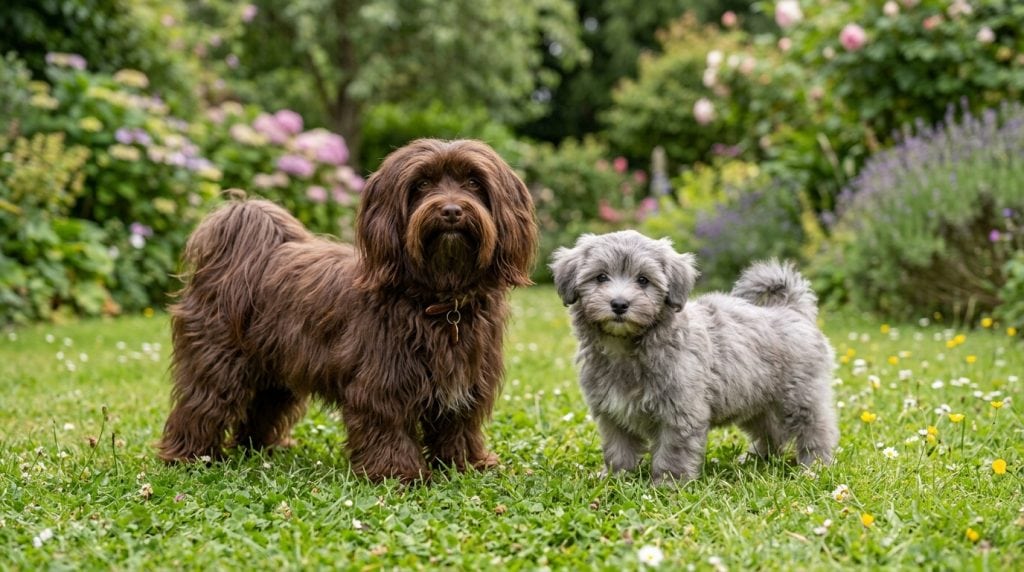
Living with a Havanese often feels like sharing your home with a little shadow that thrives on companionship. These dogs are known for their lively spirit and affectionate nature, often forming close bonds with their families. Their presence is marked by a cheerful disposition and a willingness to be involved in whatever you're doing, making them a delightful and engaging companion.
At a glance
Core care
- Size: Small
- Energy: Moderate
- Grooming: Low
- Shedding: Low
Support style
- Sensitivity: High
- Training style: Willing
Breed guide
Choose a section to explore. These notes describe common patterns, but individual dogs vary widely.
Living with a Havanese often means sharing your home with a small dog that prefers to stay close to the people around them. Many owners notice how these dogs enjoy being involved in everyday life, whether that means following family members from room to room or settling nearby during quiet moments. Their affectionate and social nature reflects generations of breeding as companion dogs whose primary role was simply to live alongside people.
Physically, the Havanese is a small, sturdy dog with a distinctive silky coat that requires regular grooming. Their expressive eyes and lively gait often draw attention, but it’s their low-shedding coat that many owners appreciate, especially those with sensitivities to dog hair. Despite their small size, they carry themselves with a certain elegance and confidence, which can sometimes make them seem larger than life.
In terms of temperament, Havanese are known for their adaptability and eagerness to please. They tend to be highly social, enjoying the company of both people and other animals. Many owners notice their Havanese’s keen sensitivity to their emotions, often providing comfort and companionship during both joyous and challenging times. However, individual personalities can vary, with some being more reserved than others.
Prospective owners should be prepared for a dog that craves attention and interaction. While they are generally easygoing, their high sensitivity means they may not thrive in environments that are too chaotic or loud. It’s important to remember that each Havanese is unique, with their own quirks and preferences, shaped by genetics and life experiences.
Havanese are often described as social butterflies, eager to interact with both familiar faces and strangers alike. This social nature stems from their history as companion dogs, and many owners find their Havanese naturally gravitating towards people, seeking out attention and affection. This breed tends to form strong bonds with their families, often following them from room to room, eager to be part of the action.
Their high sensitivity means that Havanese are quite attuned to the moods and emotions of their human companions. This can make them excellent emotional support animals, as they seem to intuitively understand when their presence is needed. However, this sensitivity also means they can be easily affected by stress or tension in their environment, so a calm and stable home is ideal.
In terms of trainability, Havanese are generally willing and eager to learn, especially when positive reinforcement methods are used. They respond well to praise and treats, making training sessions enjoyable for both dog and owner. Their intelligence and desire to please often result in quick learning, though consistency and patience are key.
Owners often notice that their Havanese thrive on routine and predictability, which helps them feel secure. While they are adaptable, sudden changes in their environment or routine can sometimes cause anxiety. Understanding and accommodating their needs for stability and companionship can lead to a harmonious relationship with this charming breed.
A typical day for a Havanese involves moderate activity, balanced with plenty of downtime to relax and recharge. While they don’t require extensive exercise, regular walks and playtime are essential to keep them healthy and happy. Many owners find that short, frequent walks suit their Havanese well, allowing them to explore their surroundings and satisfy their curiosity.
Mental enrichment is just as important as physical exercise for this intelligent breed. Puzzle toys, interactive games, and training sessions can help keep their minds sharp and engaged. Havanese often enjoy learning new tricks or participating in activities like agility, which provide both mental and physical stimulation.
As they age, the exercise needs of a Havanese may change. Puppies are typically more energetic and may require more playtime to burn off their youthful exuberance, while older dogs might prefer leisurely strolls and more time spent resting. It’s important to adjust their routine to match their energy levels and physical capabilities.
Owners should be mindful of not overexerting their Havanese, especially in hot weather, as their small size can make them more susceptible to heat exhaustion. Providing a balance of activity and rest, along with plenty of opportunities for mental stimulation, will help ensure a well-rounded and contented companion.
Training a Havanese often feels like a rewarding partnership, as these dogs are typically eager to learn and please their owners. Their willingness to engage in training sessions makes them a joy to work with, especially when positive reinforcement techniques are employed. Praise, treats, and play are effective motivators that can help reinforce desired behaviours.
Impulse control can be a challenge, particularly for young Havanese who are full of energy and curiosity. Teaching basic commands such as ‘sit’, ‘stay’, and ‘leave it’ can help manage their impulses and ensure they remain well-behaved companions. Consistency is crucial, as is maintaining a calm and patient approach during training.
Adolescence can be a testing time for both Havanese and their owners, as this is when they may start to test boundaries. It’s important to remain consistent with training and continue reinforcing good behaviours. Building a strong relationship based on trust and understanding can help navigate this phase more smoothly.
Overall, training a Havanese is about building a positive and supportive relationship. By understanding their sensitivity and eagerness to please, owners can tailor their approach to suit the individual dog’s needs. Encouraging progress and celebrating successes, no matter how small, will foster a strong bond and a well-mannered companion.
The Havanese is well-suited to a variety of living environments, from city apartments to country homes, thanks to their adaptable nature. They thrive in homes where they can be close to their human companions, as they are happiest when involved in family activities. Many owners find that their Havanese enjoys being part of the daily routine, whether that’s helping with chores or simply lounging nearby.
While they are generally good with children, it’s important for interactions to be supervised, especially with younger kids who may not understand how to gently handle a small dog. Havanese can also get along well with other pets, provided they are introduced properly and given time to adjust to their new companions.
A calm and stable environment is ideal for a Havanese, as they can be sensitive to loud noises and chaotic surroundings. They appreciate a predictable routine and a peaceful home where they can feel secure and loved. This breed tends to do well in homes where they are not left alone for long periods, as they thrive on companionship.
Ultimately, the Havanese is a versatile breed that can adapt to various lifestyles, provided their need for social interaction and moderate exercise is met. Prospective owners should consider their ability to provide the attention and companionship that these affectionate dogs crave.
The health of a Havanese is closely linked to their overall wellbeing and quality of life. Regular veterinary check-ups and preventive care are essential to catch potential health issues early and maintain their health. Common health considerations for this breed include eye disorders, heart conditions, and joint problems, so keeping an eye on any changes in behaviour or physical condition is important.
Owners often notice that a healthy Havanese is a happy and active companion, eager to participate in daily activities. Ensuring they receive a balanced diet and appropriate exercise can help maintain their weight and overall health. Dental care is also crucial, as small breeds like the Havanese can be prone to dental issues.
Preventive care, such as vaccinations and parasite control, plays a vital role in keeping a Havanese healthy. Regular grooming not only keeps their coat in good condition but also provides an opportunity to check for any unusual lumps, bumps, or signs of discomfort.
If any health concerns arise, seeking veterinary advice promptly can help address issues before they become serious. By staying informed about the breed’s health tendencies and taking proactive measures, owners can help ensure their Havanese leads a long, healthy, and happy life.
The Havanese has a rich history that dates back to the 16th century, when Spanish settlers brought small companion dogs to Cuba. Over time, these dogs evolved into the Havanese, a breed cherished by Cuban aristocracy for their charming personalities and affectionate nature. This history as a companion dog has left a lasting imprint on the breed, which is evident in their social and loving temperament today.
Originally, the Havanese was known as the Blanquito de la Habana, or ‘little white dog of Havana’, and was a symbol of status and wealth. As the breed developed, it became known for its unique coat, which protected it from the harsh Cuban sun. This adaptation is still seen in the breed’s modern silky coat, which requires regular grooming to maintain its beauty.
The Cuban Revolution in the 1950s led to the breed’s decline in its homeland, but a few Cuban families who fled to the United States brought their beloved Havanese with them. These dogs became the foundation for the breed’s resurgence in America and beyond. Today, the Havanese is a popular choice for families seeking a small, affectionate companion.
Understanding the history of the Havanese helps explain their modern traits, such as their strong desire for companionship and their adaptability to different living environments. This breed’s journey from the streets of Havana to homes around the world is a testament to their enduring charm and appeal.
What shapes individual dogs
- Early social experiences
- Training approach
- Environment & routine
- Genetics & breeding
- Health & pain
- Age / life stage
Living with a Havanese often means sharing your home with a small dog that prefers to stay close to the people around them. Many owners notice how these dogs enjoy being involved in everyday life, whether that means following family members from room to room or settling nearby during quiet moments. Their affectionate and social nature reflects generations of breeding as companion dogs whose primary role was simply to live alongside people.
Physically, the Havanese is a small, sturdy dog with a distinctive silky coat that requires regular grooming. Their expressive eyes and lively gait often draw attention, but it’s their low-shedding coat that many owners appreciate, especially those with sensitivities to dog hair. Despite their small size, they carry themselves with a certain elegance and confidence, which can sometimes make them seem larger than life.
In terms of temperament, Havanese are known for their adaptability and eagerness to please. They tend to be highly social, enjoying the company of both people and other animals. Many owners notice their Havanese’s keen sensitivity to their emotions, often providing comfort and companionship during both joyous and challenging times. However, individual personalities can vary, with some being more reserved than others.
Prospective owners should be prepared for a dog that craves attention and interaction. While they are generally easygoing, their high sensitivity means they may not thrive in environments that are too chaotic or loud. It’s important to remember that each Havanese is unique, with their own quirks and preferences, shaped by genetics and life experiences.
Havanese are often described as social butterflies, eager to interact with both familiar faces and strangers alike. This social nature stems from their history as companion dogs, and many owners find their Havanese naturally gravitating towards people, seeking out attention and affection. This breed tends to form strong bonds with their families, often following them from room to room, eager to be part of the action.
Their high sensitivity means that Havanese are quite attuned to the moods and emotions of their human companions. This can make them excellent emotional support animals, as they seem to intuitively understand when their presence is needed. However, this sensitivity also means they can be easily affected by stress or tension in their environment, so a calm and stable home is ideal.
In terms of trainability, Havanese are generally willing and eager to learn, especially when positive reinforcement methods are used. They respond well to praise and treats, making training sessions enjoyable for both dog and owner. Their intelligence and desire to please often result in quick learning, though consistency and patience are key.
Owners often notice that their Havanese thrive on routine and predictability, which helps them feel secure. While they are adaptable, sudden changes in their environment or routine can sometimes cause anxiety. Understanding and accommodating their needs for stability and companionship can lead to a harmonious relationship with this charming breed.
A typical day for a Havanese involves moderate activity, balanced with plenty of downtime to relax and recharge. While they don’t require extensive exercise, regular walks and playtime are essential to keep them healthy and happy. Many owners find that short, frequent walks suit their Havanese well, allowing them to explore their surroundings and satisfy their curiosity.
Mental enrichment is just as important as physical exercise for this intelligent breed. Puzzle toys, interactive games, and training sessions can help keep their minds sharp and engaged. Havanese often enjoy learning new tricks or participating in activities like agility, which provide both mental and physical stimulation.
As they age, the exercise needs of a Havanese may change. Puppies are typically more energetic and may require more playtime to burn off their youthful exuberance, while older dogs might prefer leisurely strolls and more time spent resting. It’s important to adjust their routine to match their energy levels and physical capabilities.
Owners should be mindful of not overexerting their Havanese, especially in hot weather, as their small size can make them more susceptible to heat exhaustion. Providing a balance of activity and rest, along with plenty of opportunities for mental stimulation, will help ensure a well-rounded and contented companion.
Training a Havanese often feels like a rewarding partnership, as these dogs are typically eager to learn and please their owners. Their willingness to engage in training sessions makes them a joy to work with, especially when positive reinforcement techniques are employed. Praise, treats, and play are effective motivators that can help reinforce desired behaviours.
Impulse control can be a challenge, particularly for young Havanese who are full of energy and curiosity. Teaching basic commands such as ‘sit’, ‘stay’, and ‘leave it’ can help manage their impulses and ensure they remain well-behaved companions. Consistency is crucial, as is maintaining a calm and patient approach during training.
Adolescence can be a testing time for both Havanese and their owners, as this is when they may start to test boundaries. It’s important to remain consistent with training and continue reinforcing good behaviours. Building a strong relationship based on trust and understanding can help navigate this phase more smoothly.
Overall, training a Havanese is about building a positive and supportive relationship. By understanding their sensitivity and eagerness to please, owners can tailor their approach to suit the individual dog’s needs. Encouraging progress and celebrating successes, no matter how small, will foster a strong bond and a well-mannered companion.
The Havanese is well-suited to a variety of living environments, from city apartments to country homes, thanks to their adaptable nature. They thrive in homes where they can be close to their human companions, as they are happiest when involved in family activities. Many owners find that their Havanese enjoys being part of the daily routine, whether that’s helping with chores or simply lounging nearby.
While they are generally good with children, it’s important for interactions to be supervised, especially with younger kids who may not understand how to gently handle a small dog. Havanese can also get along well with other pets, provided they are introduced properly and given time to adjust to their new companions.
A calm and stable environment is ideal for a Havanese, as they can be sensitive to loud noises and chaotic surroundings. They appreciate a predictable routine and a peaceful home where they can feel secure and loved. This breed tends to do well in homes where they are not left alone for long periods, as they thrive on companionship.
Ultimately, the Havanese is a versatile breed that can adapt to various lifestyles, provided their need for social interaction and moderate exercise is met. Prospective owners should consider their ability to provide the attention and companionship that these affectionate dogs crave.
The health of a Havanese is closely linked to their overall wellbeing and quality of life. Regular veterinary check-ups and preventive care are essential to catch potential health issues early and maintain their health. Common health considerations for this breed include eye disorders, heart conditions, and joint problems, so keeping an eye on any changes in behaviour or physical condition is important.
Owners often notice that a healthy Havanese is a happy and active companion, eager to participate in daily activities. Ensuring they receive a balanced diet and appropriate exercise can help maintain their weight and overall health. Dental care is also crucial, as small breeds like the Havanese can be prone to dental issues.
Preventive care, such as vaccinations and parasite control, plays a vital role in keeping a Havanese healthy. Regular grooming not only keeps their coat in good condition but also provides an opportunity to check for any unusual lumps, bumps, or signs of discomfort.
If any health concerns arise, seeking veterinary advice promptly can help address issues before they become serious. By staying informed about the breed’s health tendencies and taking proactive measures, owners can help ensure their Havanese leads a long, healthy, and happy life.
The Havanese has a rich history that dates back to the 16th century, when Spanish settlers brought small companion dogs to Cuba. Over time, these dogs evolved into the Havanese, a breed cherished by Cuban aristocracy for their charming personalities and affectionate nature. This history as a companion dog has left a lasting imprint on the breed, which is evident in their social and loving temperament today.
Originally, the Havanese was known as the Blanquito de la Habana, or ‘little white dog of Havana’, and was a symbol of status and wealth. As the breed developed, it became known for its unique coat, which protected it from the harsh Cuban sun. This adaptation is still seen in the breed’s modern silky coat, which requires regular grooming to maintain its beauty.
The Cuban Revolution in the 1950s led to the breed’s decline in its homeland, but a few Cuban families who fled to the United States brought their beloved Havanese with them. These dogs became the foundation for the breed’s resurgence in America and beyond. Today, the Havanese is a popular choice for families seeking a small, affectionate companion.
Understanding the history of the Havanese helps explain their modern traits, such as their strong desire for companionship and their adaptability to different living environments. This breed’s journey from the streets of Havana to homes around the world is a testament to their enduring charm and appeal.
What shapes individual dogs
- Early social experiences
- Training approach
- Environment & routine
- Genetics & breeding
- Health & pain
- Age / life stage
Want support with this?
This course is ideal for understanding the Havanese's complex temperament and social nature, helping owners build a strong bond.