
Puppy Zoomies
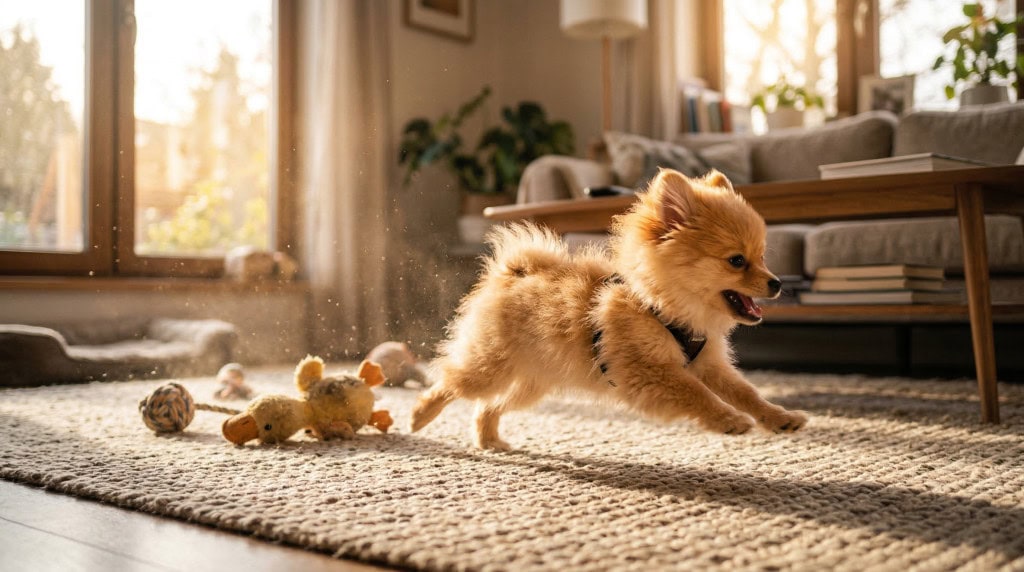
Sometimes, without any warning, your calm and sleepy puppy suddenly transforms into a tiny whirlwind.
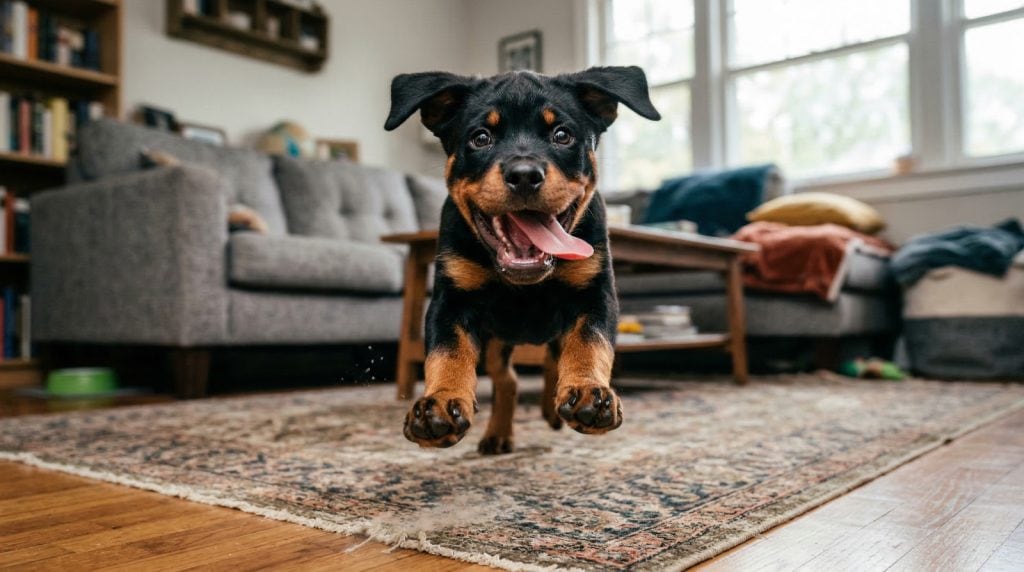
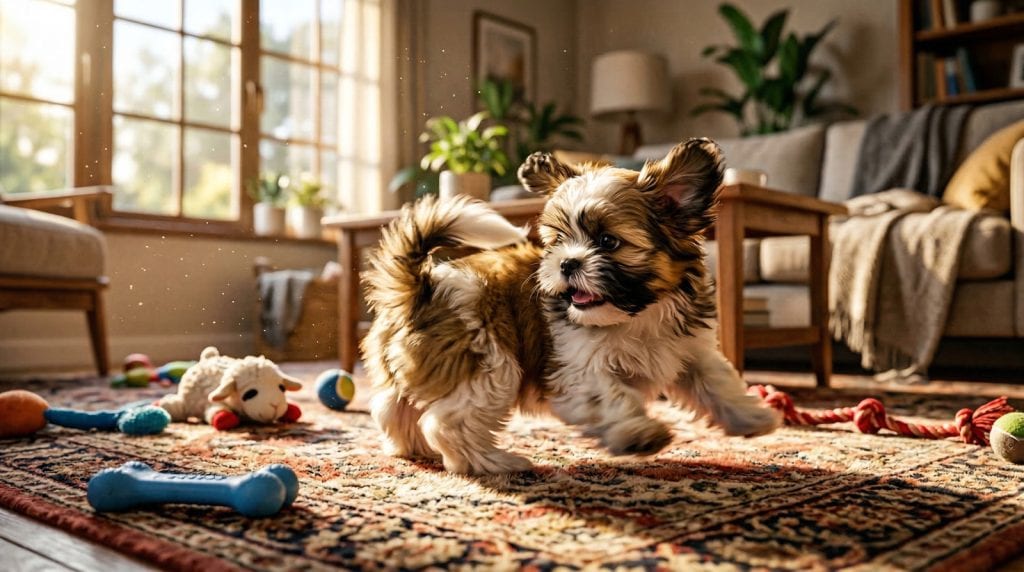
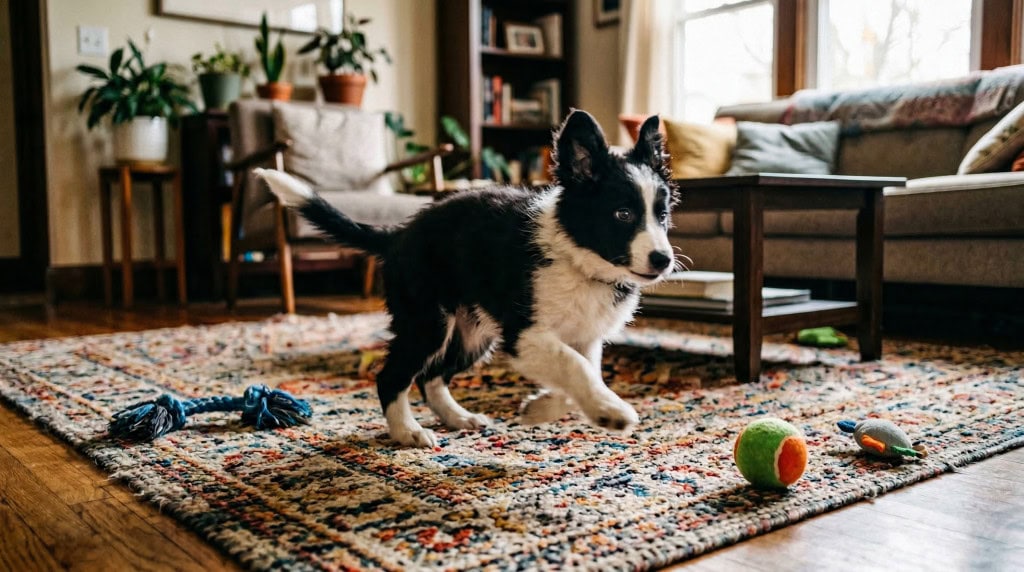
They race across the living room, skid around corners, bounce off the sofa, and sprint back the other way as if they’ve just discovered unlimited energy.
One moment they’re resting quietly.
The next moment they’re flying around the house like a furry rocket.
Many new owners watch this happen and wonder the same thing:
What on earth just happened?
These sudden bursts of energy are commonly known as “puppy zoomies.” The scientific term is FRAPs — Frenetic Random Activity Periods.
While they can look chaotic, zoomies are actually a completely normal part of puppy behaviour.
They’re simply your puppy’s way of releasing energy, excitement, or tension that has built up during the day.
For puppies, zoomies are often a sign that their body and brain are still learning how to balance activity, rest, and stimulation.
Understanding why zoomies happen can help you respond calmly and make sure your puppy’s daily routine supports healthy development.
Why Puppies Get Zoomies
Zoomies usually happen when a puppy has a sudden surge of energy or emotion that needs to be released.
Young puppies experience the world intensely. New smells, new people, playtime, learning, and exploration all create excitement.
Sometimes that excitement simply needs an outlet.
A burst of running, spinning, and playful chaos allows puppies to release that energy quickly before settling again.
Zoomies can appear after:
• playtime
• a bath
• being outside
• meeting new people
• or even after a nap
In many cases, they happen during the evening when the day’s stimulation has quietly built up.
While the behaviour might look wild, it is usually short-lived and harmless.
Within a few minutes, the energy fades and the puppy returns to normal.

When Zoomies Are Linked to Overtiredness
Although zoomies are normal, they can sometimes be a sign that a puppy is becoming overtired or overstimulated.
Young puppies are still learning how to regulate their energy levels. When too much happens without enough rest, the body can react with sudden bursts of activity.
You might notice:
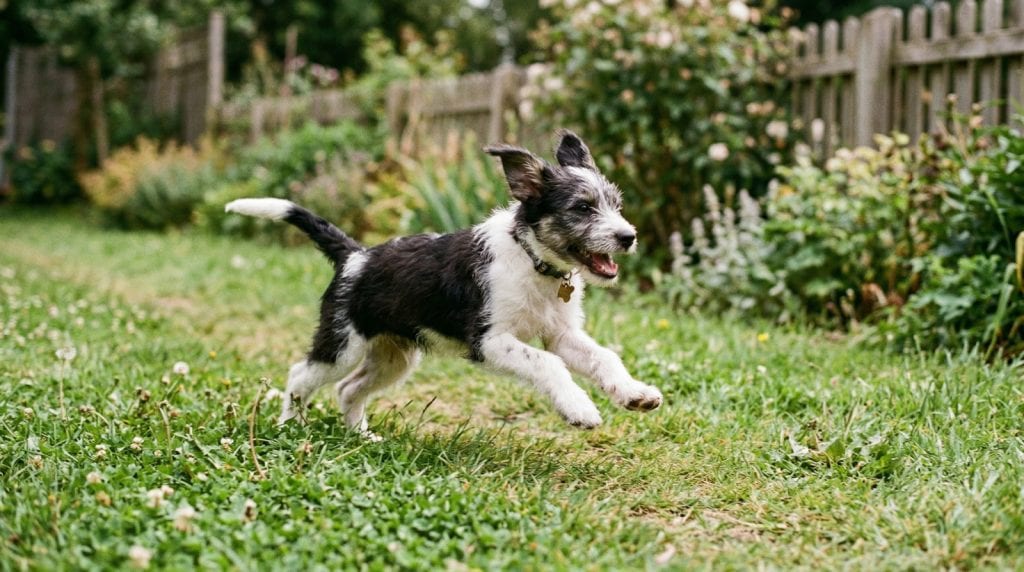
• very fast running around the house
• nipping during play
• difficulty calming down
• ignoring cues they normally respond to
In these situations, zoomies are often a sign that your puppy needs a break rather than more activity.
Providing a quiet space and allowing your puppy to rest can help them settle again.
Are Puppy Zoomies a Problem?
For most puppies, zoomies are completely harmless.
They are simply a playful release of energy and excitement.
However, it’s important to make sure zoomies happen in a safe environment.
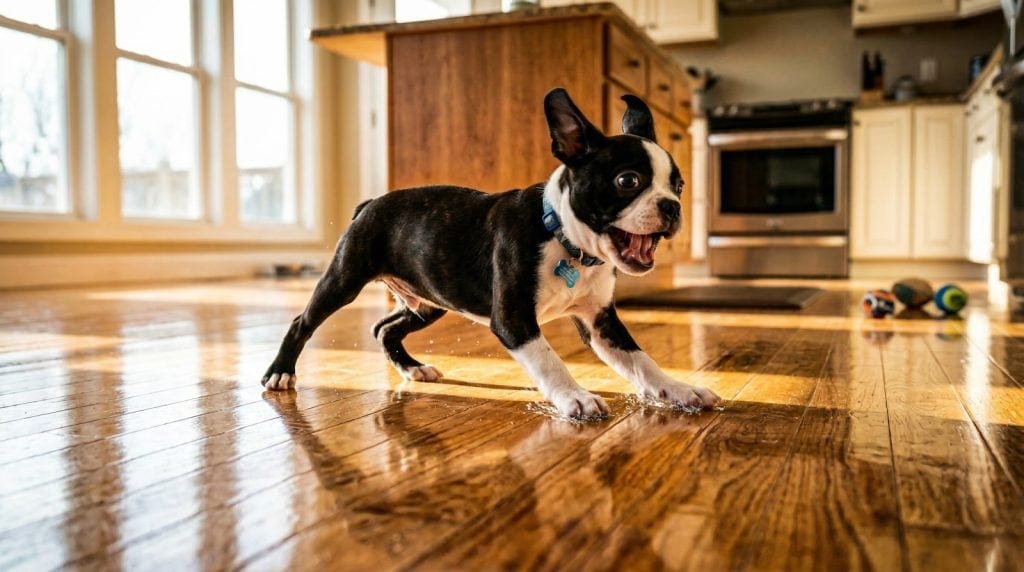
Hard floors, tight spaces, or areas with fragile furniture can sometimes lead to slips or bumps.
If your puppy begins zooming around indoors, the best approach is usually to stay calm and allow the burst to pass naturally.
Trying to stop it suddenly can sometimes increase excitement.
Most zoomies last less than a minute or two before the puppy settles down again.

Helping Your Puppy Stay Balanced
The best way to manage zoomies is by supporting a balanced daily routine.
Puppies need a healthy mix of:
• gentle exercise
• playtime
• learning
• and plenty of rest
When these needs are balanced, puppies are better able to regulate their energy levels.
Short bursts of playful zoomies may still happen — and that’s perfectly normal — but they usually become less frequent as puppies mature.
Over time, as your puppy grows and learns how to manage excitement, those wild sprints gradually fade into calmer behaviour.
Growing Out of the Zoomies
Zoomies are most common during the early months of puppyhood.
As puppies grow, their bodies develop better coordination and their brains become better at managing excitement.
What once looked like wild chaos slowly becomes more controlled energy.
Many owners notice that by adolescence, zoomies become less frequent and less intense.
Eventually, they may only appear during moments of pure joy — like running across a field or playing with a favourite toy.
And when they do appear, they often become one of the most amusing and memorable parts of life with a dog.

Explore More Puppy Topics
This topic forms part of our Raising a Puppy guide, where we explore puppy sleep, socialisation, exercise, routines, and the behaviours that shape early development.
What to Explore Next
Puppy zoomies are often a normal part of growing up, but they can feel chaotic when they happen out of nowhere.
These guides can help you better understand tiredness, energy levels, and how to support calmer behaviour without creating more overwhelm.


Start Your Puppy Journey
If you’re raising a puppy and want to understand their behaviour more clearly, the Puppy Beginnings: Building a Calm Start course provides step-by-step guidance to help you build healthy routines, prevent common behaviour problems, and create a calm and confident foundation for your puppy.