
Puppy Teething
It often starts with something small.
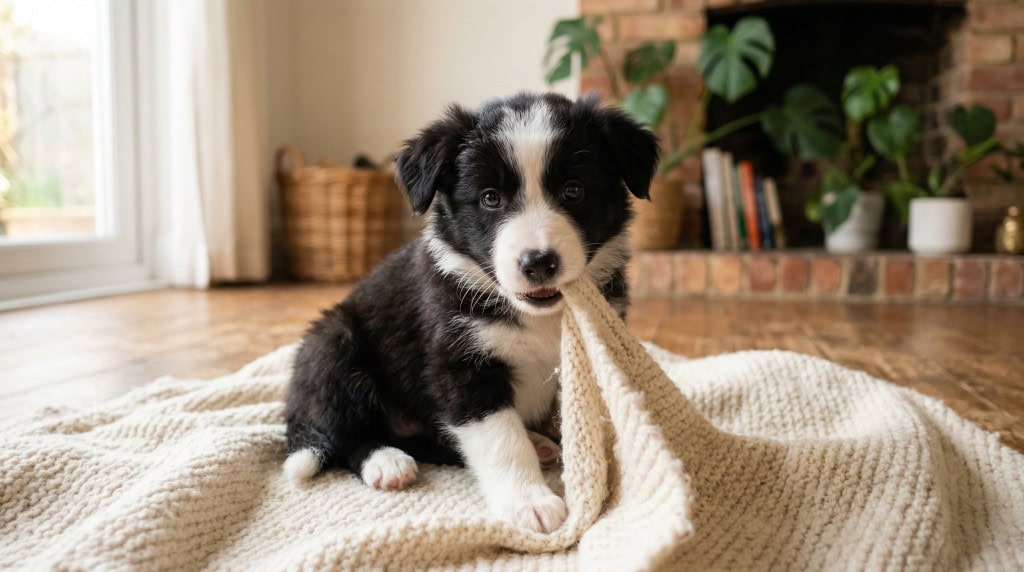
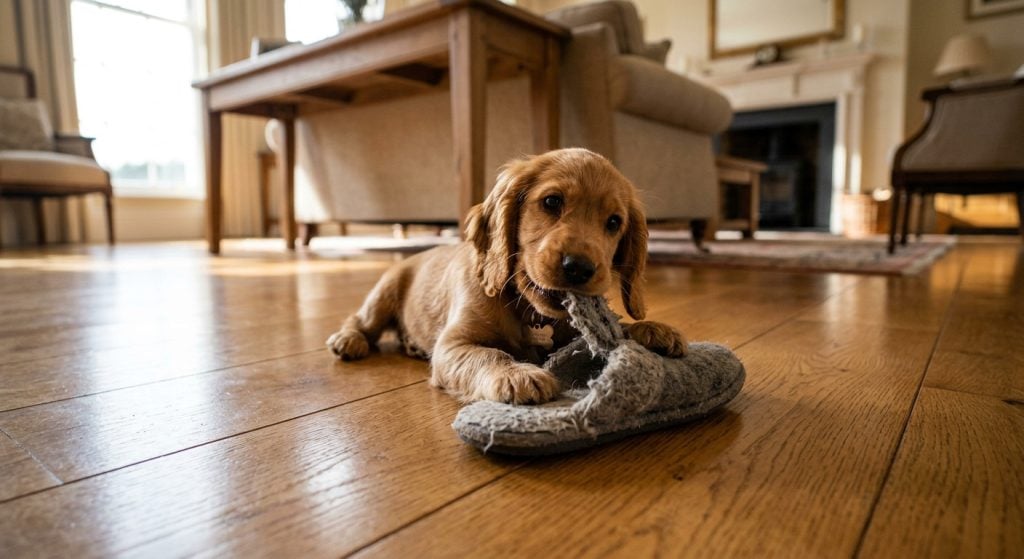
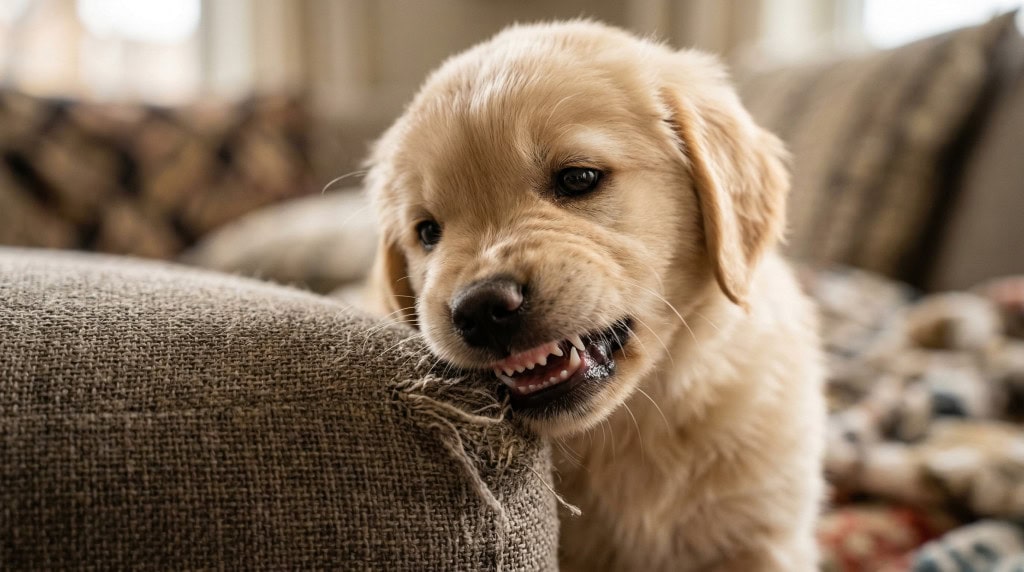
One day your puppy picks up a slipper, a sock, or the corner of a cushion and begins chewing with great determination. You take it away, only to find them happily chewing something else a few minutes later.
For many owners this can feel confusing or even frustrating, but in reality your puppy isn’t being naughty at all. They are simply going through one of the most natural stages of development — teething.
Just like human babies, puppies experience discomfort as their adult teeth begin pushing through their gums. Chewing helps relieve that pressure and also allows them to explore the world around them.
Understanding this stage makes a huge difference. Instead of seeing chewing as a problem, we can start to see it as a normal part of growing up, and guide our puppies toward safe ways to soothe their gums.
When Teething Really Begins
Most new owners don’t realise their puppy is teething until the chewing suddenly increases.
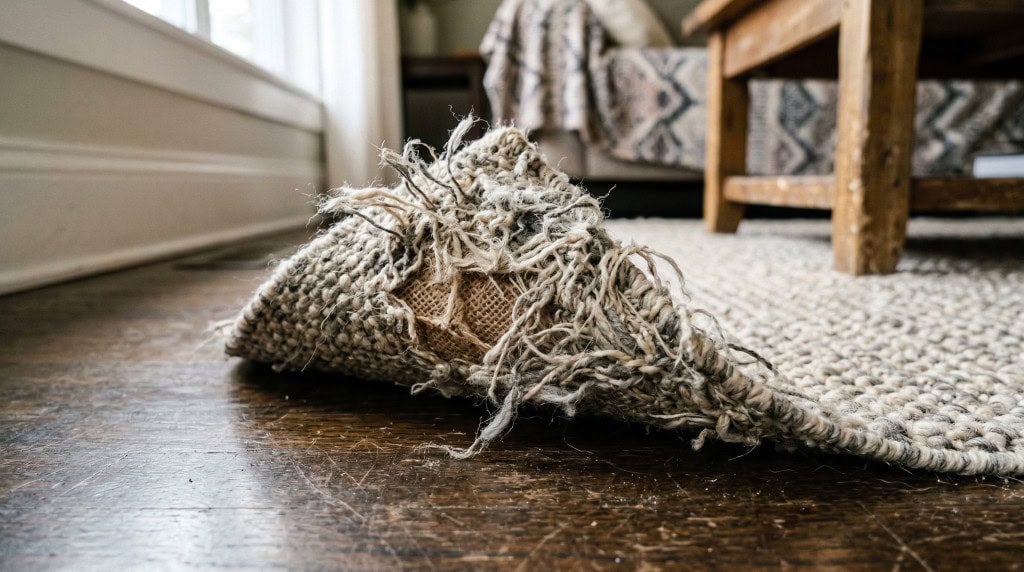
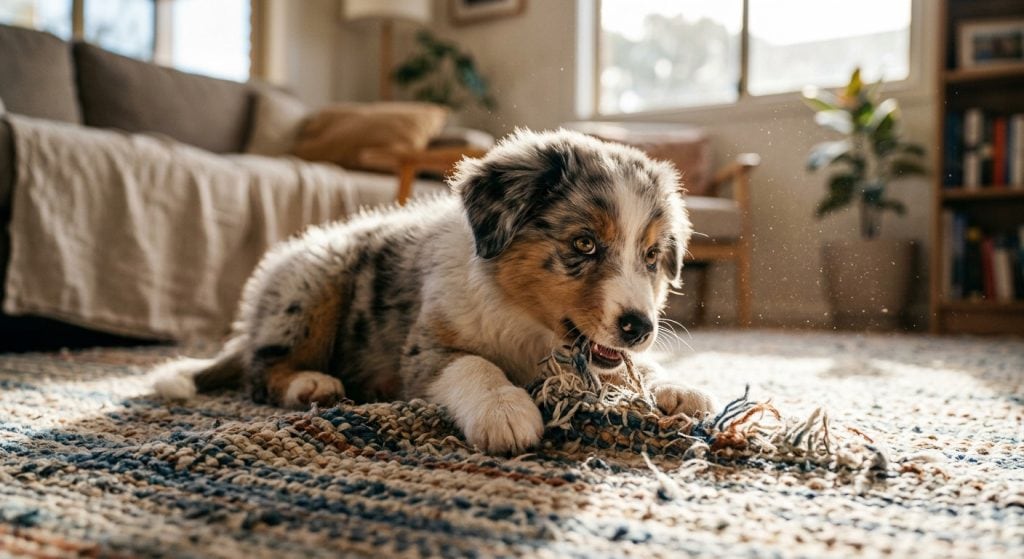
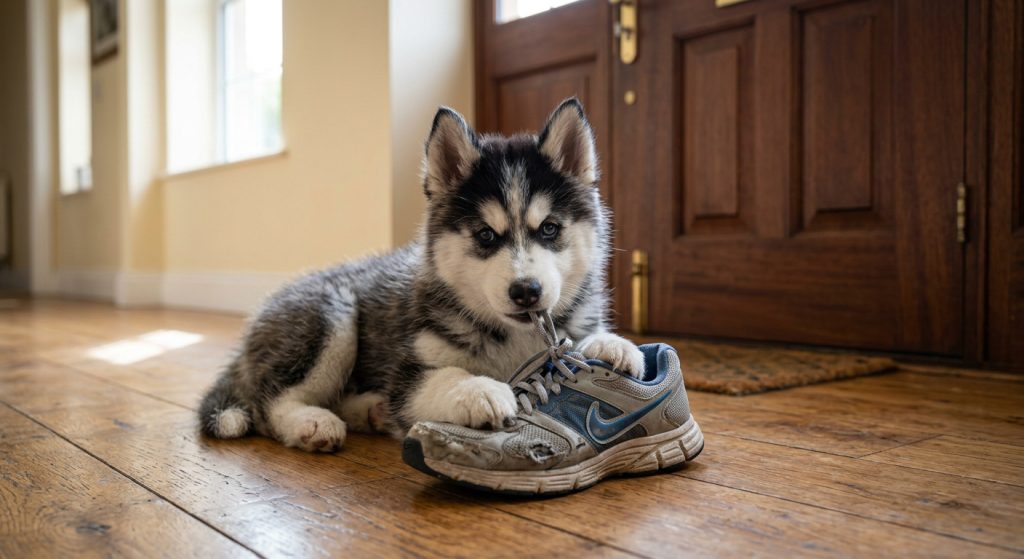
It might begin with a shoe left by the door or the corner of a rug that suddenly seems irresistible. Puppies aren’t choosing these things to be troublesome. They are simply looking for something that helps relieve the pressure building in their gums.
Around three to four months of age, the tiny baby teeth that arrived earlier in puppyhood begin to loosen and fall out. At the same time, adult teeth start pushing through the gums.
For a puppy, this can feel strange and uncomfortable. Chewing becomes a natural way to massage the gums and reduce the sensation.
Once you understand this stage, the behaviour becomes much easier to interpret. Your puppy isn’t trying to destroy your belongings — they’re simply trying to feel better.
Why Puppies Chew So Much During Teething
Chewing suddenly becomes a big part of daily life when a puppy is teething. It might feel like they’re targeting everything in your home, but from their point of view, chewing simply helps relieve the strange pressure building in their mouth.
As adult teeth begin pushing through the gums, the sensation can feel uncomfortable and sometimes even itchy. Chewing creates pressure on the gums, which helps reduce that feeling and gives the puppy some relief.
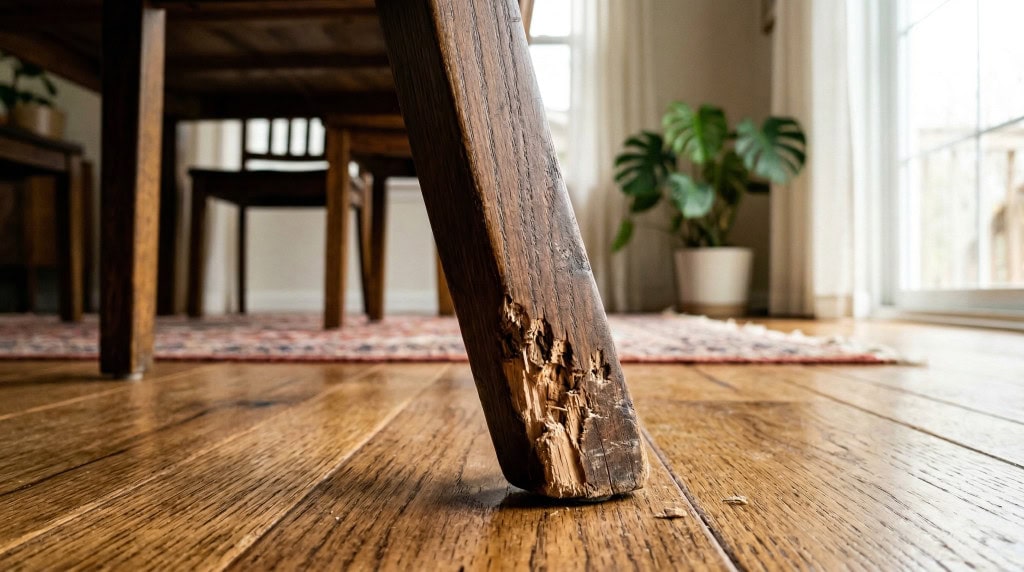
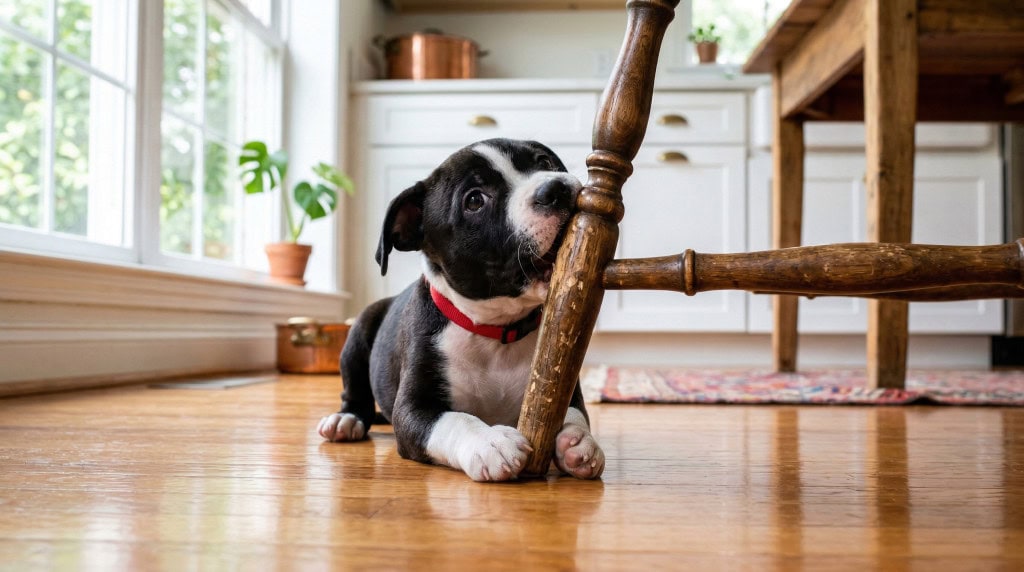
This is why puppies often choose objects that provide resistance. Shoes, furniture legs, rugs, and even cables all offer textures that feel satisfying to chew.
Of course, puppies don’t yet understand which items belong to them and which belong to you. They are simply experimenting with the world around them.
When you understand that chewing is a natural response to teething, it becomes easier to guide your puppy toward safer alternatives instead of trying to stop the behaviour completely.
Signs Your Puppy Is Teething
Many owners don’t realise their puppy has entered the teething stage until the signs begin appearing around the house.
You might notice chew marks on furniture, frayed edges on rugs, or items that suddenly seem to attract your puppy’s attention far more than before. Some puppies also drool a little more than usual or seem restless when their gums feel uncomfortable.
Teething puppies may also become more interested in objects they previously ignored. A chair leg, the corner of a cushion, or even the edge of a carpet can suddenly become very appealing.
These behaviours are all part of the same process. Your puppy isn’t trying to be destructive — they’re simply responding to the changes happening in their mouth.
Recognising these signs early helps you step in and guide your puppy toward more appropriate things to chew.
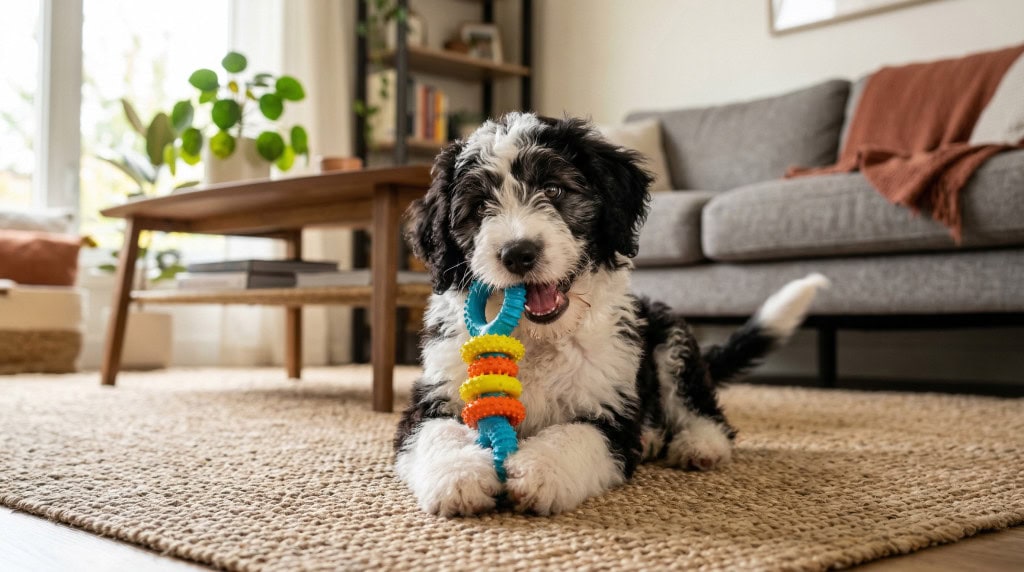

Helping Your Puppy Through Teething
The goal during the teething stage isn’t to stop chewing entirely. Instead, it’s about teaching your puppy what is safe and appropriate to chew.
Providing suitable chew toys gives your puppy an outlet for the natural urge to chew while protecting the things around your home. Textured rubber toys, safe chew items, and durable puppy toys are all designed to help massage sore gums.
It can also help to rotate toys regularly so they stay interesting. Puppies are naturally curious, and introducing something “new” every few days keeps their attention focused on the right items.
Just as important is supervision and gentle redirection. If your puppy begins chewing something they shouldn’t, calmly guide them toward a toy instead.
With patience and consistency, most puppies learn very quickly which objects belong to them — and which ones don’t.
Teething Is Just a Phase
For many owners, the teething stage can feel frustrating. Shoes disappear, furniture gets tested, and it sometimes seems like your puppy is determined to chew everything in sight.
The good news is that this phase doesn’t last forever. As your puppy’s adult teeth settle in and their gums become less sensitive, the constant need to chew begins to fade.
With a little patience and the right guidance, most puppies quickly learn which items are theirs to chew and which ones belong to you.
What feels like chaos in the early months is actually part of a completely normal stage of development — and before long, your puppy will move past it and into the next stage of growing up.
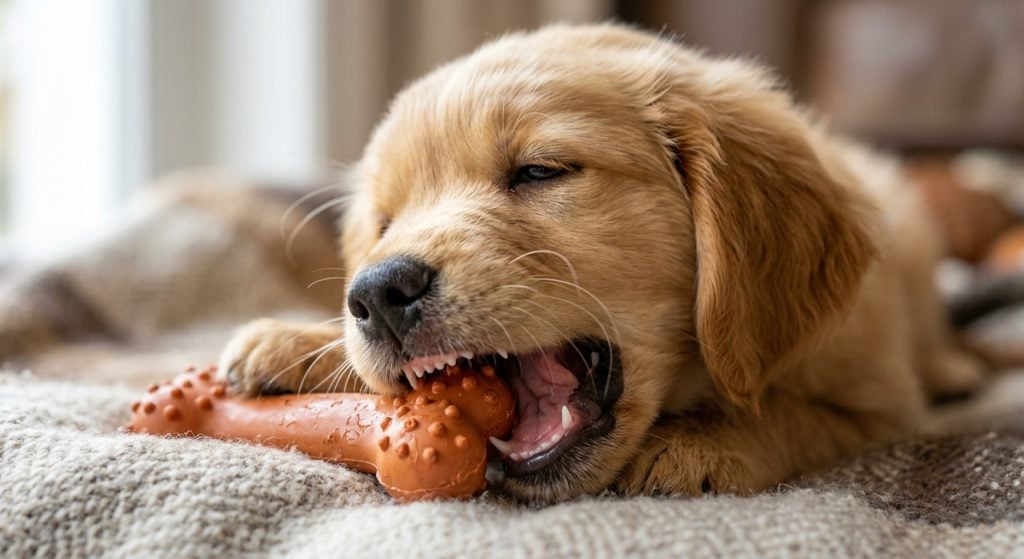
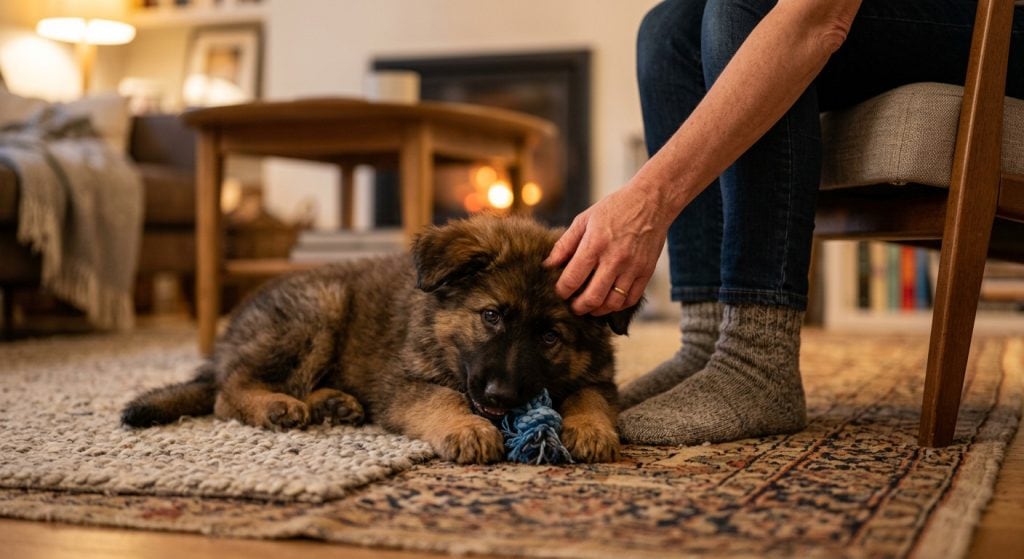
Explore More Puppy Topics
This topic forms part of our Raising a Puppy guide, where we explore puppy sleep, socialisation, exercise, routines, and the behaviours that shape early development.
What to Explore Next
Teething is a normal part of puppy development, but it often shows up as chewing, biting, and frustration.
These guides can help you better understand your puppy’s behaviour and how to support them calmly through this stage.
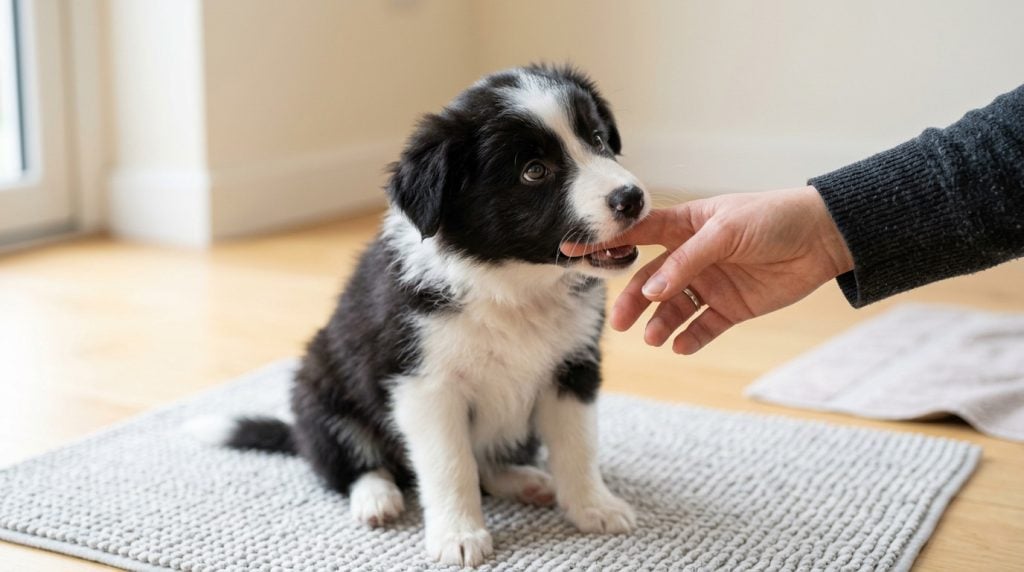
Start Your Puppy Journey
If you’re raising a puppy and want a calm, confident start, the Puppy Beginnings: Building a Calm Start course walks you step-by-step through the early stages of puppy development, helping you prevent common behaviour problems and build a strong foundation with your puppy.
It’s designed to help you understand your puppy, not just manage their behaviour.