
Springerdoodle
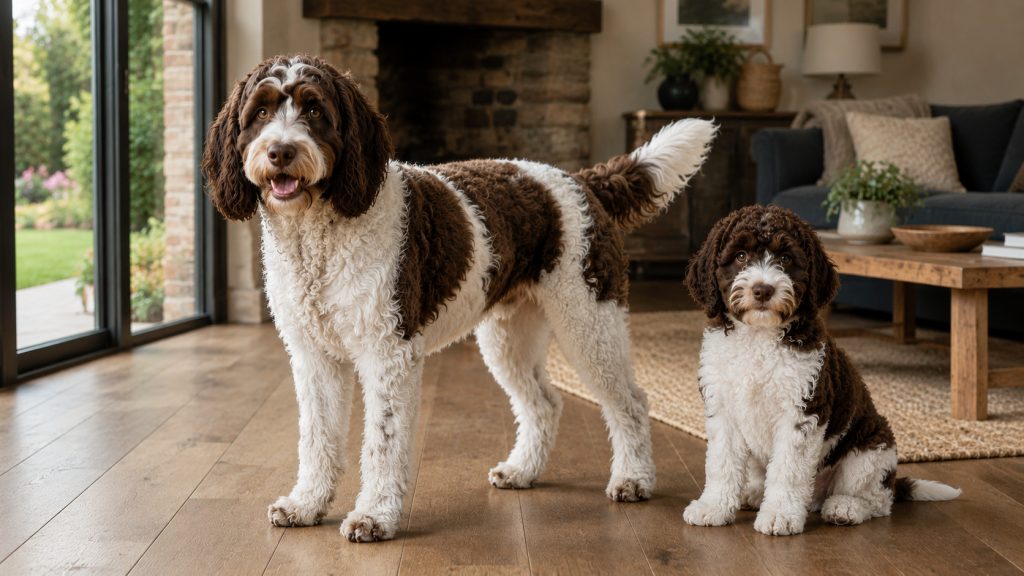
Springerdoodles often bring a lively yet gentle energy into a home. They thrive on social interaction and are known for their affectionate nature, making them a delightful companion for those who enjoy a dog that is eager to be part of family activities. Their intelligence and willingness to please often stand out, allowing them to adapt well to various lifestyles.
At a glance
Core care
- Size: Medium
- Energy: Moderate to high
- Grooming: Low
- Shedding: Low
Support style
- Sensitivity: High
- Training style: Willing
Breed guide
Choose a section to explore. These notes describe common patterns, but individual dogs vary widely.
The Springerdoodle, a mix of the English Springer Spaniel and the Poodle, carries a legacy of intelligence and versatility. Originally bred to combine the best traits of both parent breeds, Springerdoodles often inherit the Springer Spaniel’s enthusiasm for work and the Poodle’s keen intelligence. This combination results in a dog that is both eager to engage in activities and quick to learn new tasks, making them a popular choice for families and individuals alike.
Physically, Springerdoodles are medium-sized dogs, often displaying a blend of the Springer Spaniel’s athletic build and the Poodle’s curly coat. This unique combination means they are well-suited for active lifestyles, yet they don’t require the same level of maintenance as some other breeds. Their low-shedding coat is a bonus for those who prefer a cleaner home environment, though regular grooming is essential to keep their coat healthy and free of tangles.
In terms of temperament, Springerdoodles are known for their friendly and sociable nature. Many owners appreciate their dog’s ability to get along well with children and other pets, often becoming a beloved member of the household. Their high sensitivity means they are attuned to their owner’s emotions, which can be both a blessing and a challenge, as they may require gentle handling in stressful situations.
While Springerdoodles are generally adaptable, it’s important to remember that each dog is an individual. Factors such as genetics, early socialisation, and daily experiences play a significant role in shaping their behaviour. Prospective owners should be prepared for some variation in temperament and energy levels, ensuring they can provide the right environment for their specific dog.
Springerdoodles are often described as social butterflies, thriving in environments where they can interact with people and other animals. Their outgoing nature makes them a joy to have around, as they frequently seek out companionship and enjoy being part of family activities. This social inclination often stems from their Springer Spaniel heritage, which was originally bred for cooperative work with humans.
Owners typically notice that Springerdoodles are highly sensitive, often picking up on the emotions and moods of those around them. This sensitivity can make them particularly attuned to their owner’s needs, but it also means they may require a calm and understanding approach in training and social situations. Their willingness to please is a notable trait, making them responsive to positive reinforcement and gentle guidance.
In everyday life, many Springerdoodles display a playful and energetic demeanor, which can be both entertaining and demanding. They tend to enjoy a variety of activities, from playing fetch to going on long walks, and they often thrive in environments where they can expend their energy constructively. However, their high energy levels can sometimes lead to restlessness if not properly managed.
It’s important for owners to recognise that while Springerdoodles generally share these temperament traits, individual dogs may vary. Factors such as early socialisation, training, and daily interactions all contribute to shaping a dog’s personality. Understanding and embracing these nuances can help foster a strong bond between the owner and their Springerdoodle, ensuring a harmonious living environment.
A typical day for a Springerdoodle often involves a mix of physical activity and mental stimulation. With their moderate to high energy levels, they benefit from daily walks, play sessions, and opportunities to explore their environment. Many owners find that incorporating games like fetch or agility exercises can help satisfy their dog’s need for physical exertion while also providing mental challenges.
Springerdoodles thrive on variety, so it’s beneficial to mix up their routine with different activities. Mental enrichment is just as important as physical exercise, and puzzle toys or scent games can be excellent ways to keep their intelligent minds engaged. These activities not only prevent boredom but also help strengthen the bond between the dog and their owner.
As Springerdoodles age, their exercise needs may change. While young dogs often require more vigorous activity to burn off their abundant energy, older dogs might prefer gentler walks and less intense play. It’s important for owners to adjust their dog’s routine according to their life stage and health, ensuring they remain active and content.
Owners should be mindful not to over-exercise their Springerdoodle, especially in extreme weather conditions. Providing a balance of rest and activity is key to maintaining their overall wellbeing. By understanding their dog’s unique needs and preferences, owners can create a fulfilling and enjoyable daily routine for their Springerdoodle.
Training a Springerdoodle is often a rewarding experience due to their willingness to learn and please. Many owners find that these dogs respond well to positive reinforcement techniques, such as treats and praise, which help build a strong and trusting relationship. Their intelligence and eagerness to engage make them quick learners, though consistency and patience are crucial.
Impulse control can be an area where Springerdoodles require extra attention, particularly during adolescence. This stage often brings about increased curiosity and energy, which can sometimes lead to mischievous behaviour. Structured training sessions that focus on impulse control and basic obedience can help guide them through this challenging phase.
Building a strong bond with a Springerdoodle is essential for successful training. They thrive on interaction and often look to their owners for guidance and approval. Regular training sessions that incorporate play and positive interactions can help reinforce desired behaviours while also providing mental stimulation.
For first-time dog owners or those facing specific training challenges, enrolling in a course like “Puppy Beginnings: Building a Calm Start” can be beneficial. This course offers insights into establishing a solid foundation for training, helping owners navigate the nuances of raising a well-behaved and happy Springerdoodle.
Springerdoodles often fit well into a variety of home environments, thanks to their adaptable and social nature. They tend to thrive in homes where they can be part of family activities and enjoy regular interaction with their owners. Whether in a bustling family household or a quieter setting, their affectionate demeanor often makes them a cherished companion.
For families with children, Springerdoodles can be a wonderful addition, as they generally get along well with kids. Their playful yet gentle nature often makes them patient playmates, though supervision is always recommended to ensure positive interactions. Similarly, their sociable disposition means they can coexist harmoniously with other pets, provided they are introduced properly.
While Springerdoodles are adaptable, they do best in environments where they have access to outdoor space for exercise and play. A garden or nearby park can provide the perfect outlet for their energy, allowing them to explore and enjoy the outdoors safely. However, they can also adapt to apartment living if their exercise needs are met through regular walks and outings.
It’s important for prospective owners to consider their lifestyle and how a Springerdoodle might fit into it. These dogs thrive on companionship and can become distressed if left alone for extended periods. Ensuring they have enough mental and physical stimulation, as well as social interaction, is key to a happy and well-adjusted Springerdoodle.
Health is a crucial aspect of a Springerdoodle’s overall wellbeing, influencing their behaviour and quality of life. As with any breed, regular veterinary check-ups are essential to monitor their health and catch any potential issues early. Preventive care, such as vaccinations and parasite control, plays a vital role in keeping them healthy.
Springerdoodles may be prone to certain health issues common in their parent breeds, such as hip dysplasia or ear infections. Owners should be vigilant about maintaining a healthy weight and providing a balanced diet, as obesity can exacerbate joint problems. Regular ear cleaning can help prevent infections, especially given their floppy ears.
Behavioural changes can sometimes indicate underlying health issues, so it’s important for owners to be observant and seek veterinary advice if they notice anything unusual. Early intervention can often prevent minor issues from becoming more serious, ensuring their Springerdoodle remains happy and healthy.
For those concerned about health considerations, a course like “Canine First Aid: A Practical Guide” can be invaluable. It provides practical knowledge on how to handle common health issues and emergencies, giving owners the confidence to care for their Springerdoodle effectively.
The Springerdoodle is a relatively modern breed, emerging from the desire to combine the best traits of the English Springer Spaniel and the Poodle. This crossbreed was developed to create a dog that is both intelligent and hypoallergenic, appealing to families looking for a versatile and low-shedding companion. The history of the Springerdoodle reflects a thoughtful approach to breeding, aiming to enhance the desirable characteristics of both parent breeds.
The English Springer Spaniel, known for its hunting and retrieving skills, contributes a lively and cooperative nature to the Springerdoodle. Historically, Springers were used as gundogs, working closely with hunters to flush and retrieve game. This background explains the Springerdoodle’s energetic disposition and their tendency to form strong bonds with their human companions.
On the other hand, the Poodle brings intelligence and a hypoallergenic coat to the mix. Originally bred as water retrievers, Poodles are known for their sharp minds and trainability. These traits are evident in the Springerdoodle’s quick learning ability and their low-shedding coat, making them a popular choice for those with allergies.
Today, the Springerdoodle is cherished for its blend of energy, intelligence, and affectionate nature. Understanding their origins helps owners appreciate the breed’s unique qualities and provides insight into their behaviour and needs. This historical context enriches the experience of owning a Springerdoodle, highlighting the thoughtful breeding that has shaped them into the beloved companions they are today.
What shapes individual dogs
- Early social experiences
- Training approach
- Environment & routine
- Genetics & breeding
- Health & pain
- Age / life stage
The Springerdoodle, a mix of the English Springer Spaniel and the Poodle, carries a legacy of intelligence and versatility. Originally bred to combine the best traits of both parent breeds, Springerdoodles often inherit the Springer Spaniel’s enthusiasm for work and the Poodle’s keen intelligence. This combination results in a dog that is both eager to engage in activities and quick to learn new tasks, making them a popular choice for families and individuals alike.
Physically, Springerdoodles are medium-sized dogs, often displaying a blend of the Springer Spaniel’s athletic build and the Poodle’s curly coat. This unique combination means they are well-suited for active lifestyles, yet they don’t require the same level of maintenance as some other breeds. Their low-shedding coat is a bonus for those who prefer a cleaner home environment, though regular grooming is essential to keep their coat healthy and free of tangles.
In terms of temperament, Springerdoodles are known for their friendly and sociable nature. Many owners appreciate their dog’s ability to get along well with children and other pets, often becoming a beloved member of the household. Their high sensitivity means they are attuned to their owner’s emotions, which can be both a blessing and a challenge, as they may require gentle handling in stressful situations.
While Springerdoodles are generally adaptable, it’s important to remember that each dog is an individual. Factors such as genetics, early socialisation, and daily experiences play a significant role in shaping their behaviour. Prospective owners should be prepared for some variation in temperament and energy levels, ensuring they can provide the right environment for their specific dog.
Springerdoodles are often described as social butterflies, thriving in environments where they can interact with people and other animals. Their outgoing nature makes them a joy to have around, as they frequently seek out companionship and enjoy being part of family activities. This social inclination often stems from their Springer Spaniel heritage, which was originally bred for cooperative work with humans.
Owners typically notice that Springerdoodles are highly sensitive, often picking up on the emotions and moods of those around them. This sensitivity can make them particularly attuned to their owner’s needs, but it also means they may require a calm and understanding approach in training and social situations. Their willingness to please is a notable trait, making them responsive to positive reinforcement and gentle guidance.
In everyday life, many Springerdoodles display a playful and energetic demeanor, which can be both entertaining and demanding. They tend to enjoy a variety of activities, from playing fetch to going on long walks, and they often thrive in environments where they can expend their energy constructively. However, their high energy levels can sometimes lead to restlessness if not properly managed.
It’s important for owners to recognise that while Springerdoodles generally share these temperament traits, individual dogs may vary. Factors such as early socialisation, training, and daily interactions all contribute to shaping a dog’s personality. Understanding and embracing these nuances can help foster a strong bond between the owner and their Springerdoodle, ensuring a harmonious living environment.
A typical day for a Springerdoodle often involves a mix of physical activity and mental stimulation. With their moderate to high energy levels, they benefit from daily walks, play sessions, and opportunities to explore their environment. Many owners find that incorporating games like fetch or agility exercises can help satisfy their dog’s need for physical exertion while also providing mental challenges.
Springerdoodles thrive on variety, so it’s beneficial to mix up their routine with different activities. Mental enrichment is just as important as physical exercise, and puzzle toys or scent games can be excellent ways to keep their intelligent minds engaged. These activities not only prevent boredom but also help strengthen the bond between the dog and their owner.
As Springerdoodles age, their exercise needs may change. While young dogs often require more vigorous activity to burn off their abundant energy, older dogs might prefer gentler walks and less intense play. It’s important for owners to adjust their dog’s routine according to their life stage and health, ensuring they remain active and content.
Owners should be mindful not to over-exercise their Springerdoodle, especially in extreme weather conditions. Providing a balance of rest and activity is key to maintaining their overall wellbeing. By understanding their dog’s unique needs and preferences, owners can create a fulfilling and enjoyable daily routine for their Springerdoodle.
Training a Springerdoodle is often a rewarding experience due to their willingness to learn and please. Many owners find that these dogs respond well to positive reinforcement techniques, such as treats and praise, which help build a strong and trusting relationship. Their intelligence and eagerness to engage make them quick learners, though consistency and patience are crucial.
Impulse control can be an area where Springerdoodles require extra attention, particularly during adolescence. This stage often brings about increased curiosity and energy, which can sometimes lead to mischievous behaviour. Structured training sessions that focus on impulse control and basic obedience can help guide them through this challenging phase.
Building a strong bond with a Springerdoodle is essential for successful training. They thrive on interaction and often look to their owners for guidance and approval. Regular training sessions that incorporate play and positive interactions can help reinforce desired behaviours while also providing mental stimulation.
For first-time dog owners or those facing specific training challenges, enrolling in a course like “Puppy Beginnings: Building a Calm Start” can be beneficial. This course offers insights into establishing a solid foundation for training, helping owners navigate the nuances of raising a well-behaved and happy Springerdoodle.
Springerdoodles often fit well into a variety of home environments, thanks to their adaptable and social nature. They tend to thrive in homes where they can be part of family activities and enjoy regular interaction with their owners. Whether in a bustling family household or a quieter setting, their affectionate demeanor often makes them a cherished companion.
For families with children, Springerdoodles can be a wonderful addition, as they generally get along well with kids. Their playful yet gentle nature often makes them patient playmates, though supervision is always recommended to ensure positive interactions. Similarly, their sociable disposition means they can coexist harmoniously with other pets, provided they are introduced properly.
While Springerdoodles are adaptable, they do best in environments where they have access to outdoor space for exercise and play. A garden or nearby park can provide the perfect outlet for their energy, allowing them to explore and enjoy the outdoors safely. However, they can also adapt to apartment living if their exercise needs are met through regular walks and outings.
It’s important for prospective owners to consider their lifestyle and how a Springerdoodle might fit into it. These dogs thrive on companionship and can become distressed if left alone for extended periods. Ensuring they have enough mental and physical stimulation, as well as social interaction, is key to a happy and well-adjusted Springerdoodle.
Health is a crucial aspect of a Springerdoodle’s overall wellbeing, influencing their behaviour and quality of life. As with any breed, regular veterinary check-ups are essential to monitor their health and catch any potential issues early. Preventive care, such as vaccinations and parasite control, plays a vital role in keeping them healthy.
Springerdoodles may be prone to certain health issues common in their parent breeds, such as hip dysplasia or ear infections. Owners should be vigilant about maintaining a healthy weight and providing a balanced diet, as obesity can exacerbate joint problems. Regular ear cleaning can help prevent infections, especially given their floppy ears.
Behavioural changes can sometimes indicate underlying health issues, so it’s important for owners to be observant and seek veterinary advice if they notice anything unusual. Early intervention can often prevent minor issues from becoming more serious, ensuring their Springerdoodle remains happy and healthy.
For those concerned about health considerations, a course like “Canine First Aid: A Practical Guide” can be invaluable. It provides practical knowledge on how to handle common health issues and emergencies, giving owners the confidence to care for their Springerdoodle effectively.
The Springerdoodle is a relatively modern breed, emerging from the desire to combine the best traits of the English Springer Spaniel and the Poodle. This crossbreed was developed to create a dog that is both intelligent and hypoallergenic, appealing to families looking for a versatile and low-shedding companion. The history of the Springerdoodle reflects a thoughtful approach to breeding, aiming to enhance the desirable characteristics of both parent breeds.
The English Springer Spaniel, known for its hunting and retrieving skills, contributes a lively and cooperative nature to the Springerdoodle. Historically, Springers were used as gundogs, working closely with hunters to flush and retrieve game. This background explains the Springerdoodle’s energetic disposition and their tendency to form strong bonds with their human companions.
On the other hand, the Poodle brings intelligence and a hypoallergenic coat to the mix. Originally bred as water retrievers, Poodles are known for their sharp minds and trainability. These traits are evident in the Springerdoodle’s quick learning ability and their low-shedding coat, making them a popular choice for those with allergies.
Today, the Springerdoodle is cherished for its blend of energy, intelligence, and affectionate nature. Understanding their origins helps owners appreciate the breed’s unique qualities and provides insight into their behaviour and needs. This historical context enriches the experience of owning a Springerdoodle, highlighting the thoughtful breeding that has shaped them into the beloved companions they are today.
What shapes individual dogs
- Early social experiences
- Training approach
- Environment & routine
- Genetics & breeding
- Health & pain
- Age / life stage
Want support with this?
This course offers valuable insights into establishing a strong foundation for training and behaviour, helping you raise a well-adjusted Springerdoodle.