
English Springer Spaniel
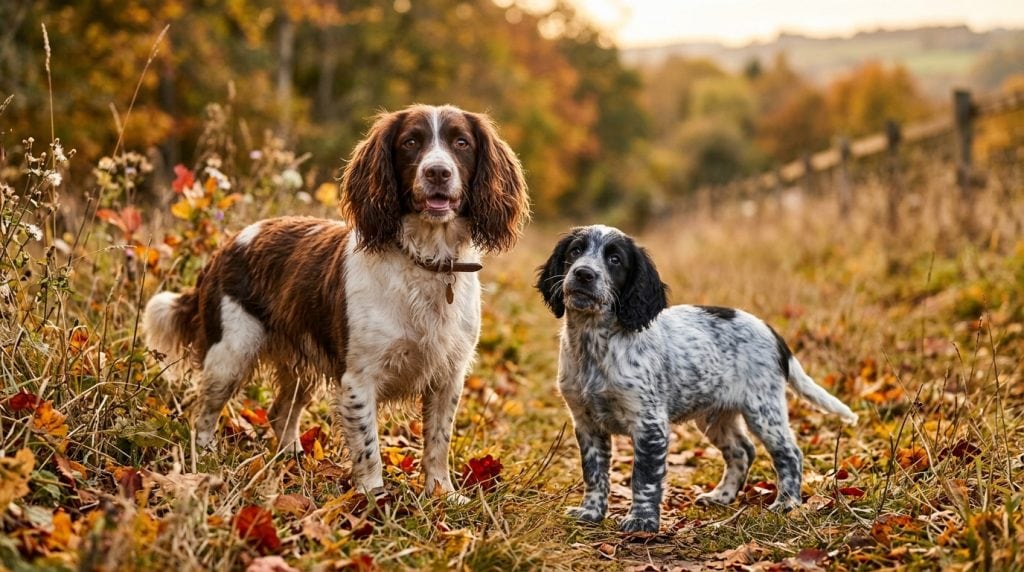
Living with an English Springer Spaniel often means embracing an active and engaging lifestyle. These dogs are known for their boundless enthusiasm and deep affection for their families, making them a lively presence in any home. Their eagerness to participate in daily activities and their sensitive nature often lead to strong bonds with their owners.
At a glance
Core care
- Size: Medium
- Energy: High
- Grooming: Low
- Shedding: Moderate
Support style
- Sensitivity: High
- Training style: Willing
Breed guide
Choose a section to explore. These notes describe common patterns, but individual dogs vary widely.
Living with an English Springer Spaniel often means sharing your home with a dog that is eager to be involved in whatever is happening around them. Many owners notice how these energetic dogs naturally seek out activity, whether that means joining a walk, playing games, or exploring new environments. Their lively curiosity and enthusiasm reflect generations of breeding as close-working hunting companions.
Physically, the English Springer Spaniel is a medium-sized dog with a well-proportioned build that supports its active lifestyle. Their coats are typically wavy and moderately long, requiring regular grooming to keep them tidy and free from tangles. The distinctive feathering on their legs and ears adds to their elegant appearance, but also means they can pick up debris during outdoor adventures.
Temperamentally, English Springer Spaniels are known for their friendly and sociable nature. They tend to form strong attachments to their families and often display a desire to be involved in everything their humans do. This breed is generally good with children and other pets, though they may need guidance to manage their high energy levels around smaller animals or young kids.
While the breed has common characteristics, individual dogs can vary significantly. Factors such as genetics, early socialisation, and training all play a role in shaping a Springer Spaniel’s personality. Prospective owners should be prepared for a dog that thrives on activity and companionship, with the understanding that each dog will have its unique quirks and preferences.
English Springer Spaniels are often described as sociable and eager to please, traits that make them a joy to have in a family setting. Their social nature means they typically enjoy being around people and other dogs, often seeking out interaction and play. This breed tends to be quite affectionate, often following their owners from room to room, eager to be involved in whatever is happening.
The breed’s high sensitivity means they are often very attuned to their owner’s emotions and environment. This sensitivity can make them excellent companions, as they often respond well to positive reinforcement and gentle guidance. However, it also means they might become anxious in chaotic or overly loud environments, so a calm and consistent approach is beneficial.
Owners frequently notice that their Springer Spaniels are highly trainable, thanks to their willingness to learn and their desire to please. This trainability, combined with their intelligence, means they often excel in obedience training and can pick up new commands quickly. It’s important to keep training sessions positive and engaging, as their sensitive nature might not respond well to harsh corrections.
While the breed generally exhibits these tendencies, each dog is an individual. Some Springer Spaniels might be more reserved or independent, while others may be exceptionally outgoing. Understanding and respecting these individual differences is key to nurturing a well-adjusted and happy dog. Building a strong bond through consistent training and socialisation will help bring out the best in this delightful breed.
A typical day for an English Springer Spaniel involves plenty of physical and mental activity. These dogs thrive on exercise, whether it’s a brisk walk, a game of fetch, or exploring new trails. Their gundog heritage means they have a natural affinity for activities that engage their keen sense of smell, so scent games or tracking exercises can be particularly rewarding.
Given their high energy levels, it’s important to provide ample opportunities for exercise to prevent boredom and potential behavioural issues. Regular walks, combined with interactive play sessions, help to keep them physically fit and mentally stimulated. Owners often find that a tired Springer is a well-behaved Springer, as they are less likely to engage in unwanted behaviours when their energy is properly channelled.
As Springer Spaniels age, their exercise needs may change. While puppies and young adults require more vigorous activity, older dogs might benefit from gentler, yet still engaging, forms of exercise. It’s crucial to adjust their routine to accommodate their changing needs, ensuring they remain healthy and happy throughout their lives.
Avoiding repetitive or monotonous activities is important, as these dogs thrive on variety and challenge. Incorporating different types of enrichment, such as puzzle toys or agility training, can keep their minds sharp and their spirits high. By tailoring activities to their individual preferences and abilities, owners can ensure their Springer Spaniel remains a content and well-rounded companion.
Training an English Springer Spaniel often feels like a rewarding experience due to their eagerness to learn and please. These dogs generally respond well to positive reinforcement techniques, such as praise, treats, and play, which can make training sessions enjoyable for both the dog and the owner. Their willingness to cooperate often means they pick up commands quickly, especially when training is consistent and engaging.
Impulse control can be a challenge, particularly during adolescence when their energy levels are high and their curiosity is boundless. Patience and consistency are key during this stage, as is providing plenty of opportunities for them to expend their energy in constructive ways. Owners often find that incorporating impulse control exercises, such as waiting at doorways or practising ‘leave it’ commands, can be beneficial.
Building a strong relationship through training is crucial for this breed. Springer Spaniels tend to thrive on close bonds with their owners, and training provides an excellent opportunity to strengthen this connection. By keeping sessions positive and varied, owners can maintain their dog’s interest and motivation, leading to a well-behaved and happy companion.
It’s important to remember that each dog is unique, and what works for one Springer might not work for another. Being flexible and adapting training methods to suit the individual dog’s personality and learning style can make a significant difference. For those new to dog training or facing challenges, seeking guidance from a professional trainer can provide valuable support and insights.
English Springer Spaniels tend to fit well in homes where they can be an active part of family life. They thrive in environments where they have space to move and play, making them well-suited to homes with gardens or access to outdoor areas. However, they can also adapt to apartment living if their exercise needs are met through regular walks and outings.
Families often find that Springers integrate well into their daily routines, as they enjoy being involved in activities and spending time with their loved ones. Their friendly and sociable nature means they generally get along well with children, though supervision is recommended to ensure play remains safe and enjoyable for all.
When it comes to living with other pets, English Springer Spaniels often do well, especially if they are introduced to other animals from a young age. Their playful and gentle disposition can make them good companions for other dogs, and with proper socialisation, they can coexist peacefully with cats and other pets.
Ultimately, the key to a successful home environment for a Springer is ensuring they receive enough physical and mental stimulation. Owners who enjoy an active lifestyle and are willing to invest time in training and exercise often find that this breed is a delightful and rewarding companion. Each dog is unique, so understanding and accommodating their individual needs will help create a harmonious living situation.
Health plays a crucial role in the overall wellbeing of an English Springer Spaniel, impacting their behaviour and quality of life. Like many breeds, Springers can be prone to certain health issues, such as hip dysplasia and ear infections, which can affect their comfort and mobility. Regular veterinary check-ups and preventive care are essential to catch any potential issues early.
Owners often notice that a healthy Springer is an active and engaged companion. Maintaining a balanced diet and regular exercise routine can help manage their weight and support joint health, reducing the risk of obesity-related problems. Monitoring their ears for signs of infection and keeping them clean can prevent discomfort and hearing issues.
Behavioural changes can sometimes indicate underlying health problems, so it’s important for owners to be observant and seek veterinary advice if they notice anything unusual. Early intervention can make a significant difference in managing health conditions and ensuring a good quality of life.
While health considerations are important, it’s also reassuring to know that many Springers live long, active lives with the right care. By staying informed about breed-specific health issues and working closely with a veterinarian, owners can help their Springer Spaniel lead a happy and healthy life.
The English Springer Spaniel’s history is deeply intertwined with its role as a hunting companion. Originally bred in England to flush game from dense cover, these dogs were valued for their stamina, keen sense of smell, and ability to work closely with hunters. Their name ‘Springer’ comes from their method of ‘springing’ game into the air, making them an essential part of hunting parties.
As the breed developed, it became clear that these dogs were not only skilled hunters but also excellent companions. Their friendly and cooperative nature made them popular among hunters and families alike. Over time, the English Springer Spaniel’s role expanded beyond the field, as their intelligence and trainability allowed them to excel in various canine sports and activities.
The breed’s working origins are still evident today in their energetic and alert nature. Many owners notice how their Springer Spaniels retain a strong instinct to explore and engage with their environment, often displaying a natural curiosity and eagerness to participate in outdoor activities. This historical background helps explain why they thrive on exercise and mental stimulation.
Understanding the breed’s history provides valuable insights into their modern-day behaviour. While they may no longer be required to flush game, their desire to be active and involved remains. This connection to their past enriches the experience of living with a Springer, as owners can appreciate the traits that have been honed over generations and continue to shape these delightful dogs.
What shapes individual dogs
- Early social experiences
- Training approach
- Environment & routine
- Genetics & breeding
- Health & pain
- Age / life stage
Living with an English Springer Spaniel often means sharing your home with a dog that is eager to be involved in whatever is happening around them. Many owners notice how these energetic dogs naturally seek out activity, whether that means joining a walk, playing games, or exploring new environments. Their lively curiosity and enthusiasm reflect generations of breeding as close-working hunting companions.
Physically, the English Springer Spaniel is a medium-sized dog with a well-proportioned build that supports its active lifestyle. Their coats are typically wavy and moderately long, requiring regular grooming to keep them tidy and free from tangles. The distinctive feathering on their legs and ears adds to their elegant appearance, but also means they can pick up debris during outdoor adventures.
Temperamentally, English Springer Spaniels are known for their friendly and sociable nature. They tend to form strong attachments to their families and often display a desire to be involved in everything their humans do. This breed is generally good with children and other pets, though they may need guidance to manage their high energy levels around smaller animals or young kids.
While the breed has common characteristics, individual dogs can vary significantly. Factors such as genetics, early socialisation, and training all play a role in shaping a Springer Spaniel’s personality. Prospective owners should be prepared for a dog that thrives on activity and companionship, with the understanding that each dog will have its unique quirks and preferences.
English Springer Spaniels are often described as sociable and eager to please, traits that make them a joy to have in a family setting. Their social nature means they typically enjoy being around people and other dogs, often seeking out interaction and play. This breed tends to be quite affectionate, often following their owners from room to room, eager to be involved in whatever is happening.
The breed’s high sensitivity means they are often very attuned to their owner’s emotions and environment. This sensitivity can make them excellent companions, as they often respond well to positive reinforcement and gentle guidance. However, it also means they might become anxious in chaotic or overly loud environments, so a calm and consistent approach is beneficial.
Owners frequently notice that their Springer Spaniels are highly trainable, thanks to their willingness to learn and their desire to please. This trainability, combined with their intelligence, means they often excel in obedience training and can pick up new commands quickly. It’s important to keep training sessions positive and engaging, as their sensitive nature might not respond well to harsh corrections.
While the breed generally exhibits these tendencies, each dog is an individual. Some Springer Spaniels might be more reserved or independent, while others may be exceptionally outgoing. Understanding and respecting these individual differences is key to nurturing a well-adjusted and happy dog. Building a strong bond through consistent training and socialisation will help bring out the best in this delightful breed.
A typical day for an English Springer Spaniel involves plenty of physical and mental activity. These dogs thrive on exercise, whether it’s a brisk walk, a game of fetch, or exploring new trails. Their gundog heritage means they have a natural affinity for activities that engage their keen sense of smell, so scent games or tracking exercises can be particularly rewarding.
Given their high energy levels, it’s important to provide ample opportunities for exercise to prevent boredom and potential behavioural issues. Regular walks, combined with interactive play sessions, help to keep them physically fit and mentally stimulated. Owners often find that a tired Springer is a well-behaved Springer, as they are less likely to engage in unwanted behaviours when their energy is properly channelled.
As Springer Spaniels age, their exercise needs may change. While puppies and young adults require more vigorous activity, older dogs might benefit from gentler, yet still engaging, forms of exercise. It’s crucial to adjust their routine to accommodate their changing needs, ensuring they remain healthy and happy throughout their lives.
Avoiding repetitive or monotonous activities is important, as these dogs thrive on variety and challenge. Incorporating different types of enrichment, such as puzzle toys or agility training, can keep their minds sharp and their spirits high. By tailoring activities to their individual preferences and abilities, owners can ensure their Springer Spaniel remains a content and well-rounded companion.
Training an English Springer Spaniel often feels like a rewarding experience due to their eagerness to learn and please. These dogs generally respond well to positive reinforcement techniques, such as praise, treats, and play, which can make training sessions enjoyable for both the dog and the owner. Their willingness to cooperate often means they pick up commands quickly, especially when training is consistent and engaging.
Impulse control can be a challenge, particularly during adolescence when their energy levels are high and their curiosity is boundless. Patience and consistency are key during this stage, as is providing plenty of opportunities for them to expend their energy in constructive ways. Owners often find that incorporating impulse control exercises, such as waiting at doorways or practising ‘leave it’ commands, can be beneficial.
Building a strong relationship through training is crucial for this breed. Springer Spaniels tend to thrive on close bonds with their owners, and training provides an excellent opportunity to strengthen this connection. By keeping sessions positive and varied, owners can maintain their dog’s interest and motivation, leading to a well-behaved and happy companion.
It’s important to remember that each dog is unique, and what works for one Springer might not work for another. Being flexible and adapting training methods to suit the individual dog’s personality and learning style can make a significant difference. For those new to dog training or facing challenges, seeking guidance from a professional trainer can provide valuable support and insights.
English Springer Spaniels tend to fit well in homes where they can be an active part of family life. They thrive in environments where they have space to move and play, making them well-suited to homes with gardens or access to outdoor areas. However, they can also adapt to apartment living if their exercise needs are met through regular walks and outings.
Families often find that Springers integrate well into their daily routines, as they enjoy being involved in activities and spending time with their loved ones. Their friendly and sociable nature means they generally get along well with children, though supervision is recommended to ensure play remains safe and enjoyable for all.
When it comes to living with other pets, English Springer Spaniels often do well, especially if they are introduced to other animals from a young age. Their playful and gentle disposition can make them good companions for other dogs, and with proper socialisation, they can coexist peacefully with cats and other pets.
Ultimately, the key to a successful home environment for a Springer is ensuring they receive enough physical and mental stimulation. Owners who enjoy an active lifestyle and are willing to invest time in training and exercise often find that this breed is a delightful and rewarding companion. Each dog is unique, so understanding and accommodating their individual needs will help create a harmonious living situation.
Health plays a crucial role in the overall wellbeing of an English Springer Spaniel, impacting their behaviour and quality of life. Like many breeds, Springers can be prone to certain health issues, such as hip dysplasia and ear infections, which can affect their comfort and mobility. Regular veterinary check-ups and preventive care are essential to catch any potential issues early.
Owners often notice that a healthy Springer is an active and engaged companion. Maintaining a balanced diet and regular exercise routine can help manage their weight and support joint health, reducing the risk of obesity-related problems. Monitoring their ears for signs of infection and keeping them clean can prevent discomfort and hearing issues.
Behavioural changes can sometimes indicate underlying health problems, so it’s important for owners to be observant and seek veterinary advice if they notice anything unusual. Early intervention can make a significant difference in managing health conditions and ensuring a good quality of life.
While health considerations are important, it’s also reassuring to know that many Springers live long, active lives with the right care. By staying informed about breed-specific health issues and working closely with a veterinarian, owners can help their Springer Spaniel lead a happy and healthy life.
The English Springer Spaniel’s history is deeply intertwined with its role as a hunting companion. Originally bred in England to flush game from dense cover, these dogs were valued for their stamina, keen sense of smell, and ability to work closely with hunters. Their name ‘Springer’ comes from their method of ‘springing’ game into the air, making them an essential part of hunting parties.
As the breed developed, it became clear that these dogs were not only skilled hunters but also excellent companions. Their friendly and cooperative nature made them popular among hunters and families alike. Over time, the English Springer Spaniel’s role expanded beyond the field, as their intelligence and trainability allowed them to excel in various canine sports and activities.
The breed’s working origins are still evident today in their energetic and alert nature. Many owners notice how their Springer Spaniels retain a strong instinct to explore and engage with their environment, often displaying a natural curiosity and eagerness to participate in outdoor activities. This historical background helps explain why they thrive on exercise and mental stimulation.
Understanding the breed’s history provides valuable insights into their modern-day behaviour. While they may no longer be required to flush game, their desire to be active and involved remains. This connection to their past enriches the experience of living with a Springer, as owners can appreciate the traits that have been honed over generations and continue to shape these delightful dogs.
What shapes individual dogs
- Early social experiences
- Training approach
- Environment & routine
- Genetics & breeding
- Health & pain
- Age / life stage
Want support with this?
This course is ideal for understanding the complex temperament and sensitivity of the English Springer Spaniel.