
Doberman Pinscher
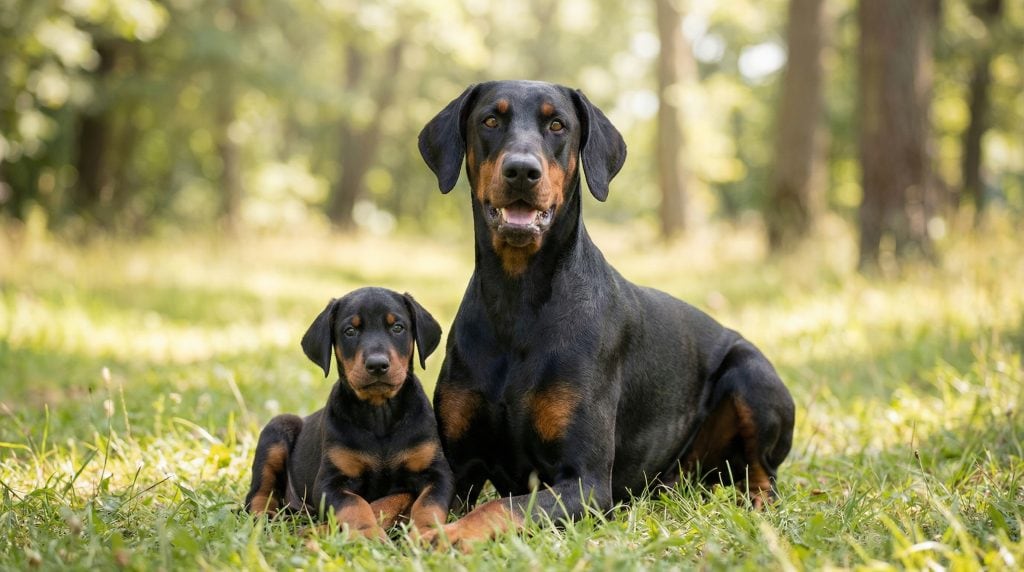
Living with a Doberman Pinscher often means sharing your home with an attentive and highly responsive companion who prefers to stay closely connected to their people. They usually do best in homes where their intelligence, sensitivity, and strong working instincts are supported through activity, training, and consistent daily routines.
At a glance
Core care
- Size: Large
- Energy: High
- Grooming: Low
- Shedding: Moderate
Support style
- Sensitivity: Very high
- Training style: Highly responsive
Breed guide
Choose a section to explore. These notes describe common patterns, but individual dogs vary widely.
The Doberman Pinscher’s roots as a working dog are deeply embedded in its character today. Originally developed in Germany by Karl Friedrich Louis Dobermann in the late 19th century, this breed was designed to be a reliable protector and companion. This history is evident in their modern-day behaviour, as they often exhibit a strong sense of loyalty and vigilance. Owners frequently note how their Doberman seems to naturally take on the role of family guardian, always aware of their surroundings and ready to alert their humans to anything unusual.
Physically, Dobermans are sleek and powerful, with a muscular build that speaks to their working heritage. This athleticism means they are well-suited to active lifestyles and require regular exercise to stay healthy and content. Their short coat is relatively low maintenance, but their strong physique means they need space to move and stretch their legs. Many owners find that a Doberman’s presence is both commanding and elegant, with a natural grace that is hard to miss.
Temperamentally, Dobermans are known for their intelligence and responsiveness, making them highly trainable. They thrive on mental stimulation and enjoy learning new tasks, often excelling in obedience and agility training. However, their high sensitivity means they can be affected by the emotions and energy of those around them, requiring a calm and consistent environment to truly flourish. Observant owners often notice how their Doberman picks up on subtle cues, making them both intuitive and empathetic companions.
While the breed has certain common traits, it’s important to remember that individual Dobermans can vary widely. Factors such as genetics, early socialisation, and training play significant roles in shaping each dog’s personality. Prospective owners should be prepared for a dog that is not only active and alert but also deeply loyal and eager to be part of the family dynamic.
Doberman Pinschers are often described as having a strong social nature, deeply connected to their human families. This breed tends to form close bonds with their owners, frequently seeking out their presence and showing a keen interest in participating in family activities. Many Doberman owners notice how their dog seems to thrive on companionship, often following them from room to room and showing a genuine interest in being involved in daily routines.
The breed’s high sensitivity means they are particularly attuned to the emotions of those around them. This can be both a strength and a challenge, as their empathetic nature allows them to provide comfort and companionship, but it also means they can be affected by stress or tension in the household. Owners often find that maintaining a calm and consistent environment helps their Doberman feel secure and content.
Training a Doberman can be a rewarding experience due to their high responsiveness and intelligence. They tend to pick up new commands quickly and enjoy the mental stimulation that training provides. However, their sensitivity means that positive reinforcement methods work best, as harsh training techniques can lead to anxiety or fearfulness. Many owners find that building a strong, trusting relationship is key to successful training and helps to enhance the bond between dog and owner.
While Dobermans are generally known for their protective instincts, it’s important to remember that each dog is an individual. Some may be more reserved or cautious, while others are more outgoing and sociable. Early socialisation is crucial to help them develop into well-rounded adults, and exposure to a variety of people, places, and experiences can help mitigate any tendencies towards over-protectiveness or shyness. Understanding and respecting their individual personality is key to fostering a happy and balanced Doberman.
A typical day for a Doberman Pinscher involves plenty of physical activity and mental engagement. This breed thrives on regular exercise, which is essential for their physical health and mental well-being. Many owners find that a combination of long walks, runs, and play sessions helps to keep their Doberman satisfied and well-adjusted. These dogs often enjoy activities that challenge them both physically and mentally, such as agility courses or advanced obedience training.
Given their high energy levels, Dobermans benefit from structured exercise routines that provide both physical exertion and mental stimulation. Interactive toys, puzzle feeders, and games that require problem-solving can be excellent ways to keep their minds engaged. Owners often notice that their Doberman is happiest when they have a job to do or a task to focus on, which can be as simple as fetching a ball or learning new tricks.
As Dobermans age, their exercise needs may change, but they typically remain active well into their senior years. It’s important for owners to adjust their routines to accommodate any physical limitations that may develop over time while still providing opportunities for movement and mental engagement. Regular vet check-ups can help ensure that their exercise regime remains appropriate and beneficial throughout their life stages.
While Dobermans generally enjoy being active, it’s crucial to avoid over-exercising them, especially in hot weather, as they can be prone to overheating. Owners should always provide access to fresh water and ensure that exercise sessions are balanced with rest periods. Understanding their individual needs and energy levels will help to create a fulfilling and healthy lifestyle for a Doberman Pinscher.
Training a Doberman Pinscher often feels like working with a highly intelligent and eager student. Their natural responsiveness and desire to please make them a joy to train for many owners. Positive reinforcement methods, such as treats, praise, and play, tend to be particularly effective with this breed, as they respond well to encouragement and rewards.
Impulse control can be an area where Dobermans need extra support, especially during their adolescent phase. Consistent training and clear boundaries are essential to help them develop self-control and focus. Many owners find that regular training sessions, combined with mental enrichment activities, help to channel their energy and intelligence in positive ways.
Adolescence can bring about challenges as Dobermans test boundaries and explore their independence. During this time, it’s important for owners to remain patient and consistent, reinforcing training and maintaining routines. Socialisation should continue throughout this stage to ensure they remain well-adjusted and comfortable in various environments.
Building a strong relationship based on trust and mutual respect is crucial for training success with a Doberman. They thrive in environments where they feel secure and understood, and where their efforts are met with positive feedback. Owners who invest time in understanding their Doberman’s unique personality and learning style often find that their training efforts are rewarded with a well-behaved and loyal companion.
Doberman Pinschers often thrive in homes where they have plenty of space to move and play. Their high energy levels mean they benefit from environments that can accommodate their need for regular exercise and activity. Many owners find that homes with secure gardens or access to nearby parks work well, allowing their Doberman to enjoy outdoor time safely.
This breed tends to do well in families where they can be an integral part of daily life. They often form strong bonds with their human companions and enjoy being involved in family activities. Dobermans can be good with children, especially when raised with them, but supervision is always recommended to ensure positive interactions. Their protective nature means they are often vigilant around young ones, but early socialisation is key to fostering gentle and appropriate behaviour.
When it comes to living with other pets, Dobermans can vary. Some may get along well with other dogs and even cats, particularly if they are introduced and socialised from a young age. However, their strong prey drive means that introductions should be handled carefully, and owners should be mindful of each pet’s temperament and comfort levels.
Overall, Dobermans are adaptable dogs that can fit into a variety of home environments, provided their physical and emotional needs are met. Prospective owners should be prepared for an active, intelligent, and loyal companion that thrives on interaction and involvement in family life. Understanding and accommodating their individual needs and personality will help ensure a harmonious and fulfilling relationship.
The health of a Doberman Pinscher is closely tied to their overall well-being and quality of life. Regular veterinary check-ups and preventive care are essential to keep them healthy and happy. Common health considerations for the breed include hip dysplasia, heart conditions such as dilated cardiomyopathy, and von Willebrand’s disease, a blood clotting disorder. Being aware of these potential issues can help owners take proactive steps in their care.
Maintaining a healthy weight through a balanced diet and regular exercise is crucial for preventing joint and heart issues. Owners often find that feeding a high-quality diet tailored to their Doberman’s age, size, and activity level helps support their health. Regular monitoring of their weight and body condition can help prevent obesity, which can exacerbate health problems.
Behavioural changes can sometimes indicate underlying health issues, so it’s important for owners to be observant and seek veterinary advice if they notice any unusual signs. Dobermans are known for their sensitivity, and changes in behaviour such as lethargy, reluctance to exercise, or changes in appetite should be investigated promptly.
Overall, with proper care and attention, many Dobermans live healthy, active lives. Regular health screenings, a nutritious diet, and a supportive environment can all contribute to their well-being. Owners who are informed and proactive about their Doberman’s health are well-equipped to provide the best care possible, ensuring their companion enjoys a long and fulfilling life.
The Doberman Pinscher’s history is rooted in its development as a working dog in late 19th century Germany. The breed was created by Karl Friedrich Louis Dobermann, a tax collector who desired a loyal and protective companion to accompany him on his rounds. By selectively breeding various dogs, including Rottweilers, Greyhounds, and German Pinschers, he developed a breed that was both intelligent and fearless.
The Doberman’s original purpose as a guard and protector is still evident in their modern-day traits. Their alertness and loyalty make them natural guardians, and they have been used in various working roles, including police and military service. This background explains their strong protective instincts and their ability to assess situations quickly, traits that many owners appreciate in their family companions.
As the breed gained popularity, it spread beyond Germany and became well-regarded for its versatility and trainability. Dobermans have excelled in various dog sports and working roles, showcasing their intelligence and eagerness to learn. Their reputation as both a working dog and a family companion has made them a popular choice for those seeking a loyal and capable dog.
Today, the Doberman Pinscher is known for its combination of elegance and strength, a reflection of its carefully crafted origins. Understanding their history helps owners appreciate the breed’s unique characteristics, from their protective nature to their keen intelligence. This rich heritage continues to shape the Doberman’s role as a devoted and reliable companion, valued for both their working capabilities and their affectionate presence in the home.
What shapes individual dogs
- Early social experiences
- Training approach
- Environment & routine
- Genetics & breeding
- Health & pain
- Age / life stage
The Doberman Pinscher’s roots as a working dog are deeply embedded in its character today. Originally developed in Germany by Karl Friedrich Louis Dobermann in the late 19th century, this breed was designed to be a reliable protector and companion. This history is evident in their modern-day behaviour, as they often exhibit a strong sense of loyalty and vigilance. Owners frequently note how their Doberman seems to naturally take on the role of family guardian, always aware of their surroundings and ready to alert their humans to anything unusual.
Physically, Dobermans are sleek and powerful, with a muscular build that speaks to their working heritage. This athleticism means they are well-suited to active lifestyles and require regular exercise to stay healthy and content. Their short coat is relatively low maintenance, but their strong physique means they need space to move and stretch their legs. Many owners find that a Doberman’s presence is both commanding and elegant, with a natural grace that is hard to miss.
Temperamentally, Dobermans are known for their intelligence and responsiveness, making them highly trainable. They thrive on mental stimulation and enjoy learning new tasks, often excelling in obedience and agility training. However, their high sensitivity means they can be affected by the emotions and energy of those around them, requiring a calm and consistent environment to truly flourish. Observant owners often notice how their Doberman picks up on subtle cues, making them both intuitive and empathetic companions.
While the breed has certain common traits, it’s important to remember that individual Dobermans can vary widely. Factors such as genetics, early socialisation, and training play significant roles in shaping each dog’s personality. Prospective owners should be prepared for a dog that is not only active and alert but also deeply loyal and eager to be part of the family dynamic.
Doberman Pinschers are often described as having a strong social nature, deeply connected to their human families. This breed tends to form close bonds with their owners, frequently seeking out their presence and showing a keen interest in participating in family activities. Many Doberman owners notice how their dog seems to thrive on companionship, often following them from room to room and showing a genuine interest in being involved in daily routines.
The breed’s high sensitivity means they are particularly attuned to the emotions of those around them. This can be both a strength and a challenge, as their empathetic nature allows them to provide comfort and companionship, but it also means they can be affected by stress or tension in the household. Owners often find that maintaining a calm and consistent environment helps their Doberman feel secure and content.
Training a Doberman can be a rewarding experience due to their high responsiveness and intelligence. They tend to pick up new commands quickly and enjoy the mental stimulation that training provides. However, their sensitivity means that positive reinforcement methods work best, as harsh training techniques can lead to anxiety or fearfulness. Many owners find that building a strong, trusting relationship is key to successful training and helps to enhance the bond between dog and owner.
While Dobermans are generally known for their protective instincts, it’s important to remember that each dog is an individual. Some may be more reserved or cautious, while others are more outgoing and sociable. Early socialisation is crucial to help them develop into well-rounded adults, and exposure to a variety of people, places, and experiences can help mitigate any tendencies towards over-protectiveness or shyness. Understanding and respecting their individual personality is key to fostering a happy and balanced Doberman.
A typical day for a Doberman Pinscher involves plenty of physical activity and mental engagement. This breed thrives on regular exercise, which is essential for their physical health and mental well-being. Many owners find that a combination of long walks, runs, and play sessions helps to keep their Doberman satisfied and well-adjusted. These dogs often enjoy activities that challenge them both physically and mentally, such as agility courses or advanced obedience training.
Given their high energy levels, Dobermans benefit from structured exercise routines that provide both physical exertion and mental stimulation. Interactive toys, puzzle feeders, and games that require problem-solving can be excellent ways to keep their minds engaged. Owners often notice that their Doberman is happiest when they have a job to do or a task to focus on, which can be as simple as fetching a ball or learning new tricks.
As Dobermans age, their exercise needs may change, but they typically remain active well into their senior years. It’s important for owners to adjust their routines to accommodate any physical limitations that may develop over time while still providing opportunities for movement and mental engagement. Regular vet check-ups can help ensure that their exercise regime remains appropriate and beneficial throughout their life stages.
While Dobermans generally enjoy being active, it’s crucial to avoid over-exercising them, especially in hot weather, as they can be prone to overheating. Owners should always provide access to fresh water and ensure that exercise sessions are balanced with rest periods. Understanding their individual needs and energy levels will help to create a fulfilling and healthy lifestyle for a Doberman Pinscher.
Training a Doberman Pinscher often feels like working with a highly intelligent and eager student. Their natural responsiveness and desire to please make them a joy to train for many owners. Positive reinforcement methods, such as treats, praise, and play, tend to be particularly effective with this breed, as they respond well to encouragement and rewards.
Impulse control can be an area where Dobermans need extra support, especially during their adolescent phase. Consistent training and clear boundaries are essential to help them develop self-control and focus. Many owners find that regular training sessions, combined with mental enrichment activities, help to channel their energy and intelligence in positive ways.
Adolescence can bring about challenges as Dobermans test boundaries and explore their independence. During this time, it’s important for owners to remain patient and consistent, reinforcing training and maintaining routines. Socialisation should continue throughout this stage to ensure they remain well-adjusted and comfortable in various environments.
Building a strong relationship based on trust and mutual respect is crucial for training success with a Doberman. They thrive in environments where they feel secure and understood, and where their efforts are met with positive feedback. Owners who invest time in understanding their Doberman’s unique personality and learning style often find that their training efforts are rewarded with a well-behaved and loyal companion.
Doberman Pinschers often thrive in homes where they have plenty of space to move and play. Their high energy levels mean they benefit from environments that can accommodate their need for regular exercise and activity. Many owners find that homes with secure gardens or access to nearby parks work well, allowing their Doberman to enjoy outdoor time safely.
This breed tends to do well in families where they can be an integral part of daily life. They often form strong bonds with their human companions and enjoy being involved in family activities. Dobermans can be good with children, especially when raised with them, but supervision is always recommended to ensure positive interactions. Their protective nature means they are often vigilant around young ones, but early socialisation is key to fostering gentle and appropriate behaviour.
When it comes to living with other pets, Dobermans can vary. Some may get along well with other dogs and even cats, particularly if they are introduced and socialised from a young age. However, their strong prey drive means that introductions should be handled carefully, and owners should be mindful of each pet’s temperament and comfort levels.
Overall, Dobermans are adaptable dogs that can fit into a variety of home environments, provided their physical and emotional needs are met. Prospective owners should be prepared for an active, intelligent, and loyal companion that thrives on interaction and involvement in family life. Understanding and accommodating their individual needs and personality will help ensure a harmonious and fulfilling relationship.
The health of a Doberman Pinscher is closely tied to their overall well-being and quality of life. Regular veterinary check-ups and preventive care are essential to keep them healthy and happy. Common health considerations for the breed include hip dysplasia, heart conditions such as dilated cardiomyopathy, and von Willebrand’s disease, a blood clotting disorder. Being aware of these potential issues can help owners take proactive steps in their care.
Maintaining a healthy weight through a balanced diet and regular exercise is crucial for preventing joint and heart issues. Owners often find that feeding a high-quality diet tailored to their Doberman’s age, size, and activity level helps support their health. Regular monitoring of their weight and body condition can help prevent obesity, which can exacerbate health problems.
Behavioural changes can sometimes indicate underlying health issues, so it’s important for owners to be observant and seek veterinary advice if they notice any unusual signs. Dobermans are known for their sensitivity, and changes in behaviour such as lethargy, reluctance to exercise, or changes in appetite should be investigated promptly.
Overall, with proper care and attention, many Dobermans live healthy, active lives. Regular health screenings, a nutritious diet, and a supportive environment can all contribute to their well-being. Owners who are informed and proactive about their Doberman’s health are well-equipped to provide the best care possible, ensuring their companion enjoys a long and fulfilling life.
The Doberman Pinscher’s history is rooted in its development as a working dog in late 19th century Germany. The breed was created by Karl Friedrich Louis Dobermann, a tax collector who desired a loyal and protective companion to accompany him on his rounds. By selectively breeding various dogs, including Rottweilers, Greyhounds, and German Pinschers, he developed a breed that was both intelligent and fearless.
The Doberman’s original purpose as a guard and protector is still evident in their modern-day traits. Their alertness and loyalty make them natural guardians, and they have been used in various working roles, including police and military service. This background explains their strong protective instincts and their ability to assess situations quickly, traits that many owners appreciate in their family companions.
As the breed gained popularity, it spread beyond Germany and became well-regarded for its versatility and trainability. Dobermans have excelled in various dog sports and working roles, showcasing their intelligence and eagerness to learn. Their reputation as both a working dog and a family companion has made them a popular choice for those seeking a loyal and capable dog.
Today, the Doberman Pinscher is known for its combination of elegance and strength, a reflection of its carefully crafted origins. Understanding their history helps owners appreciate the breed’s unique characteristics, from their protective nature to their keen intelligence. This rich heritage continues to shape the Doberman’s role as a devoted and reliable companion, valued for both their working capabilities and their affectionate presence in the home.
What shapes individual dogs
- Early social experiences
- Training approach
- Environment & routine
- Genetics & breeding
- Health & pain
- Age / life stage
Want support with this?
This course can help Doberman owners understand their dog's complex temperament and high sensitivity, enhancing their relationship.