
Shiba Inu
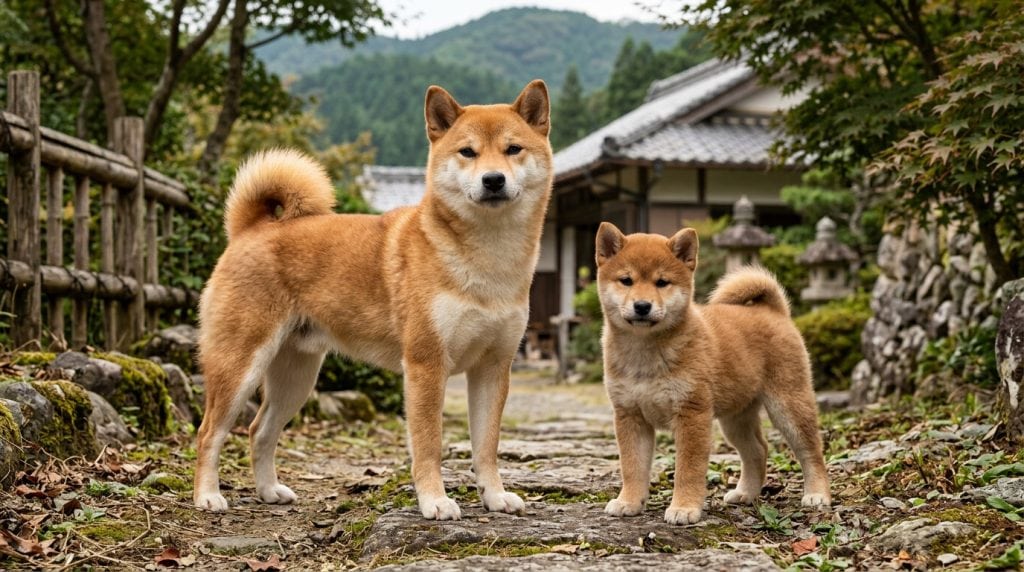
Living with a Shiba Inu often feels like sharing your space with a fiercely independent yet affectionate companion. Their unique blend of aloofness and loyalty means they may not always seek constant attention, but they do enjoy being part of the household's daily rhythm. Shibas are known for their spirited nature and keen awareness of their surroundings, making them both engaging and occasionally challenging pets.
At a glance
Core care
- Size: Small
- Energy: Moderate to high
- Grooming: Low
- Shedding: High
Support style
- Sensitivity: Moderate
- Training style: Independent
Breed guide
Choose a section to explore. These notes describe common patterns, but individual dogs vary widely.
The Shiba Inu’s origins as a hunting dog in Japan have left an indelible mark on its character today. Originally bred to flush out small game in the mountainous regions, Shibas developed a keen sense of independence and alertness. These traits are still evident in modern Shibas, who often display a strong-willed nature and a watchful eye over their surroundings. This history of self-reliance is part of what makes them unique companions in today’s homes.
Physically, Shiba Inus are compact and muscular, with a fox-like appearance that many find charming. Their dense double coat, which sheds heavily, requires regular grooming to manage. Owners often notice the Shiba’s agile movements and their ability to navigate spaces with ease, a nod to their historical role as nimble hunters. Their size makes them well-suited for various living environments, from apartments to larger homes, as long as their exercise needs are met.
In terms of temperament, Shibas are known for their spirited and sometimes stubborn nature. They are often described as cat-like in their independence, preferring to approach on their own terms. This can mean that while they may not be overtly affectionate, they form strong bonds with their families. Owners frequently observe their Shiba’s playful yet reserved demeanor, which can vary significantly from one individual to another.
While Shibas have distinct breed traits, it’s important to remember that each dog is an individual. Factors such as genetics, socialization, and environment play significant roles in shaping their personalities. Prospective owners should be prepared for a dog that may challenge them at times but will also offer a rewarding companionship experience. Understanding and embracing their unique qualities is key to a fulfilling relationship with a Shiba Inu.
Shiba Inus are often noted for their independent yet loyal nature, which can sometimes be a puzzle for new owners. They tend to be reserved around strangers but are deeply devoted to their families. This duality can make them seem aloof at times, but those who know Shibas well understand that their loyalty runs deep. Their independence is a reflection of their history as solitary hunters, and it often means they enjoy having their own space and time to themselves.
Socially, Shibas may not be the most outwardly affectionate dogs, but they do enjoy being part of family activities. They are observant and often choose when to engage, which can sometimes be mistaken for disinterest. However, many Shiba owners notice that their dogs are keenly aware of their surroundings and are quick to alert them to any changes. This alertness is a testament to their historical role as vigilant hunters.
Their moderate sensitivity means that Shibas can be quite attuned to their owner’s emotions and environment, although they may not always respond in the way one might expect. They are not typically clingy dogs, but they do appreciate routine and can become stressed by significant changes. Training a Shiba requires patience and understanding, as their independent streak can sometimes manifest as stubbornness.
Understanding a Shiba’s temperament involves appreciating their unique blend of independence and loyalty. While they may not fit the mold of a typical ‘lap dog,’ their companionship is rewarding in its own right. Owners often find that with time and patience, their Shiba’s true personality shines, revealing a dog that is both a steadfast companion and an independent spirit.
A typical day with a Shiba Inu involves a good balance of physical exercise and mental stimulation. These dogs have moderate to high energy levels, so daily walks are essential to keep them happy and healthy. Many Shiba owners find that their dogs enjoy a brisk walk or a play session in a secure, fenced area where they can explore safely. Their hunting instincts mean they appreciate activities that engage their minds as well as their bodies.
Incorporating mental enrichment into a Shiba’s routine can be as simple as puzzle toys or scent games that challenge their natural problem-solving abilities. Shibas are intelligent dogs that thrive when given tasks to complete, so providing them with opportunities to use their brains is just as important as physical exercise. Owners often notice that a well-exercised and mentally stimulated Shiba is a more content and well-behaved companion.
It’s important to note that Shibas can be prone to boredom if not given enough to do, which can lead to unwanted behaviours. As they age, their energy levels may decrease, but they will still benefit from regular, moderate exercise. Tailoring activities to suit their life stage can help maintain their physical and mental health throughout their lives.
Avoiding over-exertion, especially in extreme weather, is crucial for Shibas due to their thick coats. Owners should be mindful of the temperature and adjust exercise routines accordingly. Understanding their needs and providing a balanced routine can help ensure that a Shiba Inu remains a happy and healthy member of the family.
Training a Shiba Inu often feels like a dance of patience and persistence. These dogs are known for their independent nature, which can make training a unique challenge. Owners frequently find that traditional training methods may not always work with Shibas, as they tend to think for themselves and may not respond to commands in the way more eager-to-please breeds might.
Positive reinforcement techniques, such as using treats and praise, often yield the best results. Shibas respond well to training sessions that are engaging and rewarding. Consistency is key, as their independent streak can sometimes lead to selective hearing. Many owners discover that building a strong relationship based on trust and respect is crucial for successful training.
Impulse control can be a particular challenge during adolescence, a time when Shibas may test boundaries more than usual. It’s important for owners to remain patient and consistent, reinforcing desired behaviours and setting clear expectations. Socialization from a young age can also help mitigate some of the challenges associated with their independent nature.
Ultimately, training a Shiba Inu is about understanding their unique personality and working with it rather than against it. Owners who embrace their Shiba’s individuality often find that training becomes a rewarding experience that strengthens the bond between them and their dog. For those looking for additional guidance, the course “Understand Your Dog: Dog Psychology for Beginners” can provide valuable insights into the Shiba’s complex temperament.
Shiba Inus tend to adapt well to a variety of living environments, provided their needs are met. They are often well-suited to both urban and rural settings, as long as they receive adequate exercise and mental stimulation. Many owners find that Shibas thrive in homes where they have space to explore and a secure area to play.
Living with children and other pets can vary depending on the individual Shiba’s temperament and socialization. While some Shibas get along well with children and other animals, others may prefer to be the sole focus of attention. Early socialization and training can help foster positive relationships, but it’s important for families to supervise interactions and respect the Shiba’s boundaries.
Shibas are known for their alertness and can make excellent watchdogs, often alerting their owners to any unusual activity. However, their independent nature means they may not always be the most obedient protectors. Owners often find that their Shiba’s presence adds a sense of security to the home, even if they are not overly protective.
Ultimately, the best home for a Shiba Inu is one where their unique personality is understood and appreciated. They are not a breed that thrives on constant attention, but they do enjoy being part of the family’s daily life. Prospective owners should be prepared for a dog that is both independent and affectionate, and who will bring a spirited presence to their home.
The health of a Shiba Inu is closely tied to their overall wellbeing and quality of life. These dogs are generally healthy, but like all breeds, they can be prone to certain health conditions. Regular veterinary check-ups and preventive care are essential to catch any potential issues early and maintain their health.
Common health considerations for Shibas include hip dysplasia, allergies, and eye conditions. Owners should be aware of these potential issues and work with their vet to monitor their dog’s health. Maintaining a healthy weight through proper diet and exercise can also help prevent joint issues and other health problems.
Behaviourally, a healthy Shiba is typically active and alert, with a keen interest in their surroundings. Any sudden changes in behaviour, such as lethargy or disinterest in activities, should be discussed with a veterinarian, as they can be indicators of underlying health issues.
Overall, understanding the health needs of a Shiba Inu involves a combination of regular veterinary care, a balanced diet, and appropriate exercise. By staying informed and proactive, owners can help ensure that their Shiba remains a healthy and happy member of the family for years to come.
The Shiba Inu’s history dates back to ancient Japan, where they were originally bred as hunting dogs. Their primary role was to flush out small game and birds in the mountainous regions, which required a dog with agility, keen senses, and independence. This historical purpose is still evident in the breed’s characteristics today, as Shibas are known for their alertness and self-reliant nature.
Over the centuries, the Shiba Inu became a beloved companion in Japan, valued for their loyalty and spirited personality. However, the breed faced near extinction during World War II due to bombing raids and a post-war distemper epidemic. Dedicated breeders worked to revive the Shiba, and today they are one of Japan’s most popular breeds.
The Shiba Inu’s development was influenced by their need to adapt to rugged terrain and challenging hunting conditions. This history explains their compact, muscular build and their ability to navigate various environments with ease. Their independent streak and alert nature are also remnants of their hunting past, traits that many owners still observe in their Shibas today.
Understanding the Shiba Inu’s origins provides insight into their modern behaviour and temperament. Their history as hunters has shaped them into dogs that are both independent and loyal, with a strong sense of awareness and a spirited personality. These traits make them unique companions, appreciated by those who understand and embrace their rich heritage.
What shapes individual dogs
- Early social experiences
- Training approach
- Environment & routine
- Genetics & breeding
- Health & pain
- Age / life stage
The Shiba Inu’s origins as a hunting dog in Japan have left an indelible mark on its character today. Originally bred to flush out small game in the mountainous regions, Shibas developed a keen sense of independence and alertness. These traits are still evident in modern Shibas, who often display a strong-willed nature and a watchful eye over their surroundings. This history of self-reliance is part of what makes them unique companions in today’s homes.
Physically, Shiba Inus are compact and muscular, with a fox-like appearance that many find charming. Their dense double coat, which sheds heavily, requires regular grooming to manage. Owners often notice the Shiba’s agile movements and their ability to navigate spaces with ease, a nod to their historical role as nimble hunters. Their size makes them well-suited for various living environments, from apartments to larger homes, as long as their exercise needs are met.
In terms of temperament, Shibas are known for their spirited and sometimes stubborn nature. They are often described as cat-like in their independence, preferring to approach on their own terms. This can mean that while they may not be overtly affectionate, they form strong bonds with their families. Owners frequently observe their Shiba’s playful yet reserved demeanor, which can vary significantly from one individual to another.
While Shibas have distinct breed traits, it’s important to remember that each dog is an individual. Factors such as genetics, socialization, and environment play significant roles in shaping their personalities. Prospective owners should be prepared for a dog that may challenge them at times but will also offer a rewarding companionship experience. Understanding and embracing their unique qualities is key to a fulfilling relationship with a Shiba Inu.
Shiba Inus are often noted for their independent yet loyal nature, which can sometimes be a puzzle for new owners. They tend to be reserved around strangers but are deeply devoted to their families. This duality can make them seem aloof at times, but those who know Shibas well understand that their loyalty runs deep. Their independence is a reflection of their history as solitary hunters, and it often means they enjoy having their own space and time to themselves.
Socially, Shibas may not be the most outwardly affectionate dogs, but they do enjoy being part of family activities. They are observant and often choose when to engage, which can sometimes be mistaken for disinterest. However, many Shiba owners notice that their dogs are keenly aware of their surroundings and are quick to alert them to any changes. This alertness is a testament to their historical role as vigilant hunters.
Their moderate sensitivity means that Shibas can be quite attuned to their owner’s emotions and environment, although they may not always respond in the way one might expect. They are not typically clingy dogs, but they do appreciate routine and can become stressed by significant changes. Training a Shiba requires patience and understanding, as their independent streak can sometimes manifest as stubbornness.
Understanding a Shiba’s temperament involves appreciating their unique blend of independence and loyalty. While they may not fit the mold of a typical ‘lap dog,’ their companionship is rewarding in its own right. Owners often find that with time and patience, their Shiba’s true personality shines, revealing a dog that is both a steadfast companion and an independent spirit.
A typical day with a Shiba Inu involves a good balance of physical exercise and mental stimulation. These dogs have moderate to high energy levels, so daily walks are essential to keep them happy and healthy. Many Shiba owners find that their dogs enjoy a brisk walk or a play session in a secure, fenced area where they can explore safely. Their hunting instincts mean they appreciate activities that engage their minds as well as their bodies.
Incorporating mental enrichment into a Shiba’s routine can be as simple as puzzle toys or scent games that challenge their natural problem-solving abilities. Shibas are intelligent dogs that thrive when given tasks to complete, so providing them with opportunities to use their brains is just as important as physical exercise. Owners often notice that a well-exercised and mentally stimulated Shiba is a more content and well-behaved companion.
It’s important to note that Shibas can be prone to boredom if not given enough to do, which can lead to unwanted behaviours. As they age, their energy levels may decrease, but they will still benefit from regular, moderate exercise. Tailoring activities to suit their life stage can help maintain their physical and mental health throughout their lives.
Avoiding over-exertion, especially in extreme weather, is crucial for Shibas due to their thick coats. Owners should be mindful of the temperature and adjust exercise routines accordingly. Understanding their needs and providing a balanced routine can help ensure that a Shiba Inu remains a happy and healthy member of the family.
Training a Shiba Inu often feels like a dance of patience and persistence. These dogs are known for their independent nature, which can make training a unique challenge. Owners frequently find that traditional training methods may not always work with Shibas, as they tend to think for themselves and may not respond to commands in the way more eager-to-please breeds might.
Positive reinforcement techniques, such as using treats and praise, often yield the best results. Shibas respond well to training sessions that are engaging and rewarding. Consistency is key, as their independent streak can sometimes lead to selective hearing. Many owners discover that building a strong relationship based on trust and respect is crucial for successful training.
Impulse control can be a particular challenge during adolescence, a time when Shibas may test boundaries more than usual. It’s important for owners to remain patient and consistent, reinforcing desired behaviours and setting clear expectations. Socialization from a young age can also help mitigate some of the challenges associated with their independent nature.
Ultimately, training a Shiba Inu is about understanding their unique personality and working with it rather than against it. Owners who embrace their Shiba’s individuality often find that training becomes a rewarding experience that strengthens the bond between them and their dog. For those looking for additional guidance, the course “Understand Your Dog: Dog Psychology for Beginners” can provide valuable insights into the Shiba’s complex temperament.
Shiba Inus tend to adapt well to a variety of living environments, provided their needs are met. They are often well-suited to both urban and rural settings, as long as they receive adequate exercise and mental stimulation. Many owners find that Shibas thrive in homes where they have space to explore and a secure area to play.
Living with children and other pets can vary depending on the individual Shiba’s temperament and socialization. While some Shibas get along well with children and other animals, others may prefer to be the sole focus of attention. Early socialization and training can help foster positive relationships, but it’s important for families to supervise interactions and respect the Shiba’s boundaries.
Shibas are known for their alertness and can make excellent watchdogs, often alerting their owners to any unusual activity. However, their independent nature means they may not always be the most obedient protectors. Owners often find that their Shiba’s presence adds a sense of security to the home, even if they are not overly protective.
Ultimately, the best home for a Shiba Inu is one where their unique personality is understood and appreciated. They are not a breed that thrives on constant attention, but they do enjoy being part of the family’s daily life. Prospective owners should be prepared for a dog that is both independent and affectionate, and who will bring a spirited presence to their home.
The health of a Shiba Inu is closely tied to their overall wellbeing and quality of life. These dogs are generally healthy, but like all breeds, they can be prone to certain health conditions. Regular veterinary check-ups and preventive care are essential to catch any potential issues early and maintain their health.
Common health considerations for Shibas include hip dysplasia, allergies, and eye conditions. Owners should be aware of these potential issues and work with their vet to monitor their dog’s health. Maintaining a healthy weight through proper diet and exercise can also help prevent joint issues and other health problems.
Behaviourally, a healthy Shiba is typically active and alert, with a keen interest in their surroundings. Any sudden changes in behaviour, such as lethargy or disinterest in activities, should be discussed with a veterinarian, as they can be indicators of underlying health issues.
Overall, understanding the health needs of a Shiba Inu involves a combination of regular veterinary care, a balanced diet, and appropriate exercise. By staying informed and proactive, owners can help ensure that their Shiba remains a healthy and happy member of the family for years to come.
The Shiba Inu’s history dates back to ancient Japan, where they were originally bred as hunting dogs. Their primary role was to flush out small game and birds in the mountainous regions, which required a dog with agility, keen senses, and independence. This historical purpose is still evident in the breed’s characteristics today, as Shibas are known for their alertness and self-reliant nature.
Over the centuries, the Shiba Inu became a beloved companion in Japan, valued for their loyalty and spirited personality. However, the breed faced near extinction during World War II due to bombing raids and a post-war distemper epidemic. Dedicated breeders worked to revive the Shiba, and today they are one of Japan’s most popular breeds.
The Shiba Inu’s development was influenced by their need to adapt to rugged terrain and challenging hunting conditions. This history explains their compact, muscular build and their ability to navigate various environments with ease. Their independent streak and alert nature are also remnants of their hunting past, traits that many owners still observe in their Shibas today.
Understanding the Shiba Inu’s origins provides insight into their modern behaviour and temperament. Their history as hunters has shaped them into dogs that are both independent and loyal, with a strong sense of awareness and a spirited personality. These traits make them unique companions, appreciated by those who understand and embrace their rich heritage.
What shapes individual dogs
- Early social experiences
- Training approach
- Environment & routine
- Genetics & breeding
- Health & pain
- Age / life stage
Want support with this?
This course is relevant for Shiba Inu owners to better understand their dog's independent and spirited nature.