
Pekingese
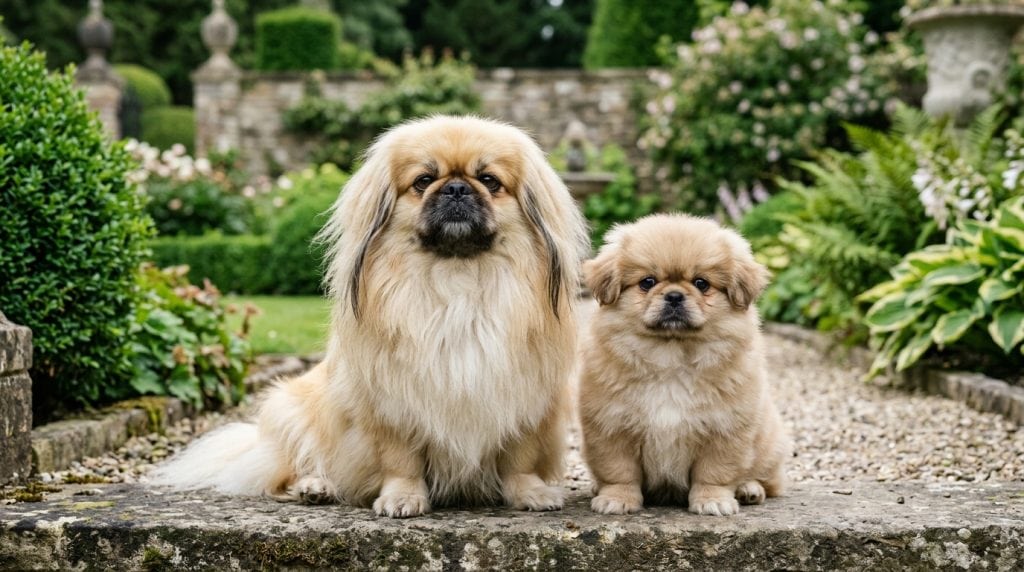
Living with a Pekingese is like sharing your home with a dignified little companion. Their independent spirit and unique charm often make them stand out, and many owners find their loyalty and affection endearing. Despite their small size, Pekingese often carry themselves with a sense of importance, making them both amusing and delightful companions.
At a glance
Core care
- Size: Small
- Energy: Low
- Grooming: Low
- Shedding: Moderate
Support style
- Sensitivity: High
- Training style: Independent
Breed guide
Choose a section to explore. These notes describe common patterns, but individual dogs vary widely.
The Pekingese has a rich history that dates back to ancient China, where they were revered as sacred companions to royalty. This noble origin is reflected in their confident and sometimes aloof demeanour today. Many owners find that their Pekingese carries an air of self-importance, a trait that can be traced back to their days as pampered palace dogs. This historical background helps explain why they often enjoy being the centre of attention and may not always be eager to share the spotlight.
Physically, Pekingese are small but sturdy dogs, often weighing between 3 to 6 kilograms. Their luxurious double coat requires regular grooming to maintain its beauty and prevent matting. This grooming routine can become a bonding experience for both the dog and owner, as Pekingese tend to enjoy the attention and care. Their unique appearance, with a flat face and large, expressive eyes, often draws admiration and curiosity from those who encounter them.
In terms of temperament, Pekingese are known for their independent nature. They often exhibit a strong sense of self, which can sometimes be mistaken for stubbornness. However, many owners appreciate this breed’s loyalty and protective instincts, noticing how they often form deep bonds with their family members. While they may not be as eager to please as some other breeds, their affection and companionship are deeply rewarding for those who understand their unique personality.
It’s important for potential owners to have realistic expectations about living with a Pekingese. While they can be loving and devoted companions, they may not always be the most obedient or eager to follow commands. Each Pekingese is an individual, and their behaviour can vary widely based on their upbringing, environment, and personal experiences. Understanding and appreciating their distinct character is key to a fulfilling relationship with this breed.
Pekingese are often described as having a regal and self-assured presence, which can be both charming and challenging for their owners. Their social nature is complex; while they are deeply loyal to their families, they can be reserved with strangers. This reserved nature often means they take their time warming up to new people, preferring to observe before engaging. Owners frequently notice that their Pekingese may choose to interact on their own terms, reflecting their independent spirit.
This breed’s high sensitivity means they are acutely aware of their surroundings and the emotions of those around them. Many Pekingese thrive in calm and stable environments where they can feel secure. Their sensitivity also means they can be quite attuned to their owner’s moods, often providing comfort when needed. However, this trait also means they may not respond well to harsh training methods or chaotic environments.
Pekingese are known for their independent trainability, which can sometimes be interpreted as stubbornness. They often require patience and understanding when it comes to training, as they may not respond immediately to commands. Owners often find that positive reinforcement and gentle encouragement work best with this breed, allowing them to learn at their own pace. Their intelligence is evident in their ability to pick up on routines and adapt to their household’s dynamics.
Despite their independent nature, Pekingese are deeply affectionate with their families. They often form strong bonds with their owners, showing their love through quiet companionship rather than overt displays of affection. This breed tends to enjoy spending time in the same room as their family, content to watch the world go by from a comfortable spot. Understanding these nuances can help potential owners appreciate the unique and rewarding relationship a Pekingese can offer.
A typical day for a Pekingese involves a balance of leisurely activities and restful downtime. Given their low energy levels, they don’t require extensive exercise, but regular short walks are beneficial for their physical health and mental stimulation. Many owners find that a couple of gentle strolls around the neighbourhood or a play session in the garden is sufficient to keep their Pekingese content and healthy.
While they may not have the stamina for long hikes or vigorous play, Pekingese still enjoy engaging activities that challenge their minds. Interactive toys and puzzle feeders can provide mental enrichment, keeping them occupied and preventing boredom. These activities are particularly useful during rainy days when outdoor exercise might be limited. Owners often find that their Pekingese appreciate the opportunity to use their problem-solving skills in a relaxed setting.
It’s important to avoid overexerting a Pekingese, especially in hot weather, due to their brachycephalic (flat-faced) structure, which can make breathing more challenging. Owners should be mindful of their dog’s comfort and ensure they have access to cool, shaded areas during warmer months. Regular breaks during walks and plenty of water are essential to keep them safe and comfortable.
As Pekingese age, their exercise needs may decrease, but maintaining a routine is still important for their overall wellbeing. Gentle activities that accommodate their changing abilities can help keep them active and engaged. Owners often find that adapting their Pekingese’s routine to suit their life stage helps maintain their quality of life, ensuring they remain happy and healthy companions throughout their lives.
Training a Pekingese often requires a blend of patience and creativity. Their independent nature means they may not always be eager to follow commands, but with the right approach, they can learn effectively. Many owners find that training sessions are more successful when they are short, positive, and consistent, focusing on building a trusting relationship rather than demanding obedience.
Positive reinforcement techniques, such as treats and praise, tend to work well with Pekingese. They respond best to encouragement and rewards rather than harsh corrections. Owners often notice that their Pekingese are more motivated to learn when they feel understood and respected. This approach not only helps with training but also strengthens the bond between dog and owner.
Adolescence can be a challenging time for Pekingese, as their independent streak may become more pronounced. Consistency in training and routine is crucial during this period, helping them understand expectations and boundaries. Many owners find that maintaining a calm and patient demeanour during training helps their Pekingese navigate this phase more smoothly.
Building impulse control is an important aspect of training for this breed. Exercises that encourage waiting and self-control can be beneficial, helping them manage their responses to various stimuli. Owners often find that incorporating these exercises into daily routines helps their Pekingese become more adaptable and well-mannered companions. Remembering that each Pekingese is unique and may require different approaches is key to successful training.
Pekingese tend to thrive in environments that offer a sense of stability and routine. Their small size makes them well-suited to apartment living, as they don’t require large spaces to be happy. Many owners find that their Pekingese are content with a few short walks and plenty of indoor companionship, making them ideal for those who prefer a quieter lifestyle.
While Pekingese can coexist with children, it’s important to supervise interactions to ensure both the dog and child are comfortable. Their sensitive nature means they may not tolerate rough handling, so teaching children to respect their space is crucial. Many families find that older children who understand how to interact gently with pets are better suited to living with a Pekingese.
When it comes to other pets, Pekingese can be selective about their companions. They may prefer the company of other dogs of similar size and temperament, but early socialisation can help them adapt to living with a variety of animals. Owners often notice that their Pekingese are more accepting of other pets when introductions are handled gradually and positively.
Overall, Pekingese are best suited to homes where they can be part of the family without overwhelming activity or noise. Their independent yet affectionate nature means they appreciate being included in family activities, even if it’s just lounging nearby. Understanding their preferences and providing a calm, loving environment can help ensure a harmonious relationship with this unique breed.
Maintaining a Pekingese’s health is closely tied to their overall wellbeing and quality of life. Their brachycephalic nature, characterised by their flat face, can lead to respiratory challenges, particularly in hot or humid weather. Owners should be mindful of their Pekingese’s breathing, avoiding strenuous activities during extreme temperatures and ensuring they have access to cool, shaded areas.
Regular veterinary check-ups are important to monitor and manage any breed-specific health concerns. Pekingese can be prone to eye conditions due to their prominent eyes, so keeping an eye on their eye health and seeking veterinary advice at the first sign of irritation or discomfort is crucial. Many owners find that regular cleaning and care can help prevent common issues.
Dental care is another important aspect of maintaining a Pekingese’s health. Their small mouths can be prone to dental problems, so regular brushing and dental check-ups are recommended. Owners often find that introducing dental care early in their Pekingese’s life helps them accept it as part of their routine.
Preventive care, including vaccinations and parasite control, is essential for keeping a Pekingese healthy. Owners should work closely with their veterinarian to establish a comprehensive health plan tailored to their dog’s needs. Being proactive about health care and attentive to any changes in behaviour or condition can help ensure a long, healthy life for their Pekingese.
The Pekingese has a storied history that dates back over a thousand years to ancient China, where they were bred as companions for Chinese royalty. These small dogs were highly regarded and often lived within the imperial palaces, symbolising status and prestige. Their development as cherished companions is reflected in their dignified and self-assured nature today.
Originally, Pekingese were bred to resemble the mythical Chinese lion, a symbol of protection and strength. This lion-like appearance, with their abundant mane-like coat and proud posture, is still a defining characteristic of the breed. Their role as royal companions meant they were often carried in the sleeves of nobility, leading to their nickname, “sleeve dogs.”
The breed’s journey to the Western world began in the mid-19th century, when British forces brought several Pekingese back to England after the Second Opium War. These dogs quickly captured the hearts of the British aristocracy, and their popularity spread throughout Europe and beyond. This expansion helped shape the modern Pekingese, as breeders worked to preserve the breed’s unique characteristics while adapting them to new environments.
Today, the Pekingese is cherished for its distinctive personality and appearance, with many traits harking back to its royal origins. Their independent spirit, loyalty, and regal demeanour are all remnants of their storied past, offering a glimpse into the breed’s rich history. Understanding this background can help owners appreciate the Pekingese’s unique qualities and the deep bond they often form with their families.
What shapes individual dogs
- Early social experiences
- Training approach
- Environment & routine
- Genetics & breeding
- Health & pain
- Age / life stage
The Pekingese has a rich history that dates back to ancient China, where they were revered as sacred companions to royalty. This noble origin is reflected in their confident and sometimes aloof demeanour today. Many owners find that their Pekingese carries an air of self-importance, a trait that can be traced back to their days as pampered palace dogs. This historical background helps explain why they often enjoy being the centre of attention and may not always be eager to share the spotlight.
Physically, Pekingese are small but sturdy dogs, often weighing between 3 to 6 kilograms. Their luxurious double coat requires regular grooming to maintain its beauty and prevent matting. This grooming routine can become a bonding experience for both the dog and owner, as Pekingese tend to enjoy the attention and care. Their unique appearance, with a flat face and large, expressive eyes, often draws admiration and curiosity from those who encounter them.
In terms of temperament, Pekingese are known for their independent nature. They often exhibit a strong sense of self, which can sometimes be mistaken for stubbornness. However, many owners appreciate this breed’s loyalty and protective instincts, noticing how they often form deep bonds with their family members. While they may not be as eager to please as some other breeds, their affection and companionship are deeply rewarding for those who understand their unique personality.
It’s important for potential owners to have realistic expectations about living with a Pekingese. While they can be loving and devoted companions, they may not always be the most obedient or eager to follow commands. Each Pekingese is an individual, and their behaviour can vary widely based on their upbringing, environment, and personal experiences. Understanding and appreciating their distinct character is key to a fulfilling relationship with this breed.
Pekingese are often described as having a regal and self-assured presence, which can be both charming and challenging for their owners. Their social nature is complex; while they are deeply loyal to their families, they can be reserved with strangers. This reserved nature often means they take their time warming up to new people, preferring to observe before engaging. Owners frequently notice that their Pekingese may choose to interact on their own terms, reflecting their independent spirit.
This breed’s high sensitivity means they are acutely aware of their surroundings and the emotions of those around them. Many Pekingese thrive in calm and stable environments where they can feel secure. Their sensitivity also means they can be quite attuned to their owner’s moods, often providing comfort when needed. However, this trait also means they may not respond well to harsh training methods or chaotic environments.
Pekingese are known for their independent trainability, which can sometimes be interpreted as stubbornness. They often require patience and understanding when it comes to training, as they may not respond immediately to commands. Owners often find that positive reinforcement and gentle encouragement work best with this breed, allowing them to learn at their own pace. Their intelligence is evident in their ability to pick up on routines and adapt to their household’s dynamics.
Despite their independent nature, Pekingese are deeply affectionate with their families. They often form strong bonds with their owners, showing their love through quiet companionship rather than overt displays of affection. This breed tends to enjoy spending time in the same room as their family, content to watch the world go by from a comfortable spot. Understanding these nuances can help potential owners appreciate the unique and rewarding relationship a Pekingese can offer.
A typical day for a Pekingese involves a balance of leisurely activities and restful downtime. Given their low energy levels, they don’t require extensive exercise, but regular short walks are beneficial for their physical health and mental stimulation. Many owners find that a couple of gentle strolls around the neighbourhood or a play session in the garden is sufficient to keep their Pekingese content and healthy.
While they may not have the stamina for long hikes or vigorous play, Pekingese still enjoy engaging activities that challenge their minds. Interactive toys and puzzle feeders can provide mental enrichment, keeping them occupied and preventing boredom. These activities are particularly useful during rainy days when outdoor exercise might be limited. Owners often find that their Pekingese appreciate the opportunity to use their problem-solving skills in a relaxed setting.
It’s important to avoid overexerting a Pekingese, especially in hot weather, due to their brachycephalic (flat-faced) structure, which can make breathing more challenging. Owners should be mindful of their dog’s comfort and ensure they have access to cool, shaded areas during warmer months. Regular breaks during walks and plenty of water are essential to keep them safe and comfortable.
As Pekingese age, their exercise needs may decrease, but maintaining a routine is still important for their overall wellbeing. Gentle activities that accommodate their changing abilities can help keep them active and engaged. Owners often find that adapting their Pekingese’s routine to suit their life stage helps maintain their quality of life, ensuring they remain happy and healthy companions throughout their lives.
Training a Pekingese often requires a blend of patience and creativity. Their independent nature means they may not always be eager to follow commands, but with the right approach, they can learn effectively. Many owners find that training sessions are more successful when they are short, positive, and consistent, focusing on building a trusting relationship rather than demanding obedience.
Positive reinforcement techniques, such as treats and praise, tend to work well with Pekingese. They respond best to encouragement and rewards rather than harsh corrections. Owners often notice that their Pekingese are more motivated to learn when they feel understood and respected. This approach not only helps with training but also strengthens the bond between dog and owner.
Adolescence can be a challenging time for Pekingese, as their independent streak may become more pronounced. Consistency in training and routine is crucial during this period, helping them understand expectations and boundaries. Many owners find that maintaining a calm and patient demeanour during training helps their Pekingese navigate this phase more smoothly.
Building impulse control is an important aspect of training for this breed. Exercises that encourage waiting and self-control can be beneficial, helping them manage their responses to various stimuli. Owners often find that incorporating these exercises into daily routines helps their Pekingese become more adaptable and well-mannered companions. Remembering that each Pekingese is unique and may require different approaches is key to successful training.
Pekingese tend to thrive in environments that offer a sense of stability and routine. Their small size makes them well-suited to apartment living, as they don’t require large spaces to be happy. Many owners find that their Pekingese are content with a few short walks and plenty of indoor companionship, making them ideal for those who prefer a quieter lifestyle.
While Pekingese can coexist with children, it’s important to supervise interactions to ensure both the dog and child are comfortable. Their sensitive nature means they may not tolerate rough handling, so teaching children to respect their space is crucial. Many families find that older children who understand how to interact gently with pets are better suited to living with a Pekingese.
When it comes to other pets, Pekingese can be selective about their companions. They may prefer the company of other dogs of similar size and temperament, but early socialisation can help them adapt to living with a variety of animals. Owners often notice that their Pekingese are more accepting of other pets when introductions are handled gradually and positively.
Overall, Pekingese are best suited to homes where they can be part of the family without overwhelming activity or noise. Their independent yet affectionate nature means they appreciate being included in family activities, even if it’s just lounging nearby. Understanding their preferences and providing a calm, loving environment can help ensure a harmonious relationship with this unique breed.
Maintaining a Pekingese’s health is closely tied to their overall wellbeing and quality of life. Their brachycephalic nature, characterised by their flat face, can lead to respiratory challenges, particularly in hot or humid weather. Owners should be mindful of their Pekingese’s breathing, avoiding strenuous activities during extreme temperatures and ensuring they have access to cool, shaded areas.
Regular veterinary check-ups are important to monitor and manage any breed-specific health concerns. Pekingese can be prone to eye conditions due to their prominent eyes, so keeping an eye on their eye health and seeking veterinary advice at the first sign of irritation or discomfort is crucial. Many owners find that regular cleaning and care can help prevent common issues.
Dental care is another important aspect of maintaining a Pekingese’s health. Their small mouths can be prone to dental problems, so regular brushing and dental check-ups are recommended. Owners often find that introducing dental care early in their Pekingese’s life helps them accept it as part of their routine.
Preventive care, including vaccinations and parasite control, is essential for keeping a Pekingese healthy. Owners should work closely with their veterinarian to establish a comprehensive health plan tailored to their dog’s needs. Being proactive about health care and attentive to any changes in behaviour or condition can help ensure a long, healthy life for their Pekingese.
The Pekingese has a storied history that dates back over a thousand years to ancient China, where they were bred as companions for Chinese royalty. These small dogs were highly regarded and often lived within the imperial palaces, symbolising status and prestige. Their development as cherished companions is reflected in their dignified and self-assured nature today.
Originally, Pekingese were bred to resemble the mythical Chinese lion, a symbol of protection and strength. This lion-like appearance, with their abundant mane-like coat and proud posture, is still a defining characteristic of the breed. Their role as royal companions meant they were often carried in the sleeves of nobility, leading to their nickname, “sleeve dogs.”
The breed’s journey to the Western world began in the mid-19th century, when British forces brought several Pekingese back to England after the Second Opium War. These dogs quickly captured the hearts of the British aristocracy, and their popularity spread throughout Europe and beyond. This expansion helped shape the modern Pekingese, as breeders worked to preserve the breed’s unique characteristics while adapting them to new environments.
Today, the Pekingese is cherished for its distinctive personality and appearance, with many traits harking back to its royal origins. Their independent spirit, loyalty, and regal demeanour are all remnants of their storied past, offering a glimpse into the breed’s rich history. Understanding this background can help owners appreciate the Pekingese’s unique qualities and the deep bond they often form with their families.
What shapes individual dogs
- Early social experiences
- Training approach
- Environment & routine
- Genetics & breeding
- Health & pain
- Age / life stage
Want support with this?
This course is perfect for understanding the Pekingese's unique temperament and independent nature, helping you build a strong relationship.