
Shih-Poo
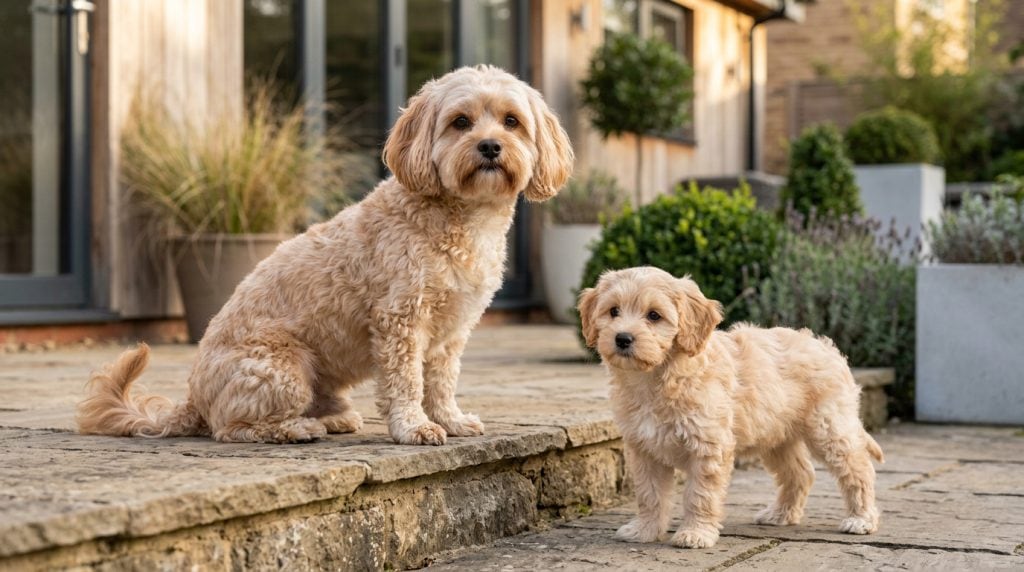
Living with a Shih-Poo often feels like sharing your home with a small, spirited companion who thrives on human interaction. Their playful nature and affectionate demeanour make them delightful housemates, often eager to join in on family activities or snuggle up for a quiet evening. This breed's charm lies in their ability to adapt to various lifestyles while maintaining a cheerful presence.
At a glance
Core care
- Size: Small
- Energy: Moderate
- Grooming: Low
- Shedding: Low
Support style
- Sensitivity: Moderate
- Training style: Moderate
Breed guide
Choose a section to explore. These notes describe common patterns, but individual dogs vary widely.
The Shih-Poo, a delightful mix of the Shih Tzu and Poodle, brings together the best of both breeds. Originally bred as companion dogs, the Shih Tzu’s regal history as a lapdog for Chinese royalty blends seamlessly with the Poodle’s intelligence and versatility. Today, Shih-Poos continue to embody these traits, often displaying a keen sense of companionship and a lively spirit that endears them to families and individuals alike.
Physically, Shih-Poos are small dogs, typically weighing between 8 to 18 pounds. Their size makes them well-suited to various living environments, from apartments to larger homes. Owners often appreciate their manageable size, which allows for easy handling and transport. The Shih-Poo’s coat can vary, often taking on the hypoallergenic qualities of the Poodle, which is a boon for those concerned about shedding.
Temperamentally, Shih-Poos are known for their friendly and affectionate nature. Many owners notice how these dogs enjoy being the centre of attention, often following their humans from room to room. Their moderate sensitivity means they can be quite attuned to their owner’s moods, offering comfort and companionship. However, individual personalities can vary, with some Shih-Poos being more independent than others.
Prospective owners should be prepared for a dog that thrives on interaction and may not enjoy being left alone for long periods. While they generally adapt well to different households, each Shih-Poo is unique, influenced by genetics, upbringing, and environment. Understanding these nuances helps in creating a fulfilling life for both the dog and its family.
Shih-Poos are often described as social butterflies, relishing the company of their human family members. Their mixed heritage contributes to their outgoing nature, making them eager to engage in family activities. This social inclination means they often form strong bonds with their owners, enjoying both playtime and quiet moments together.
Their moderate sensitivity can manifest in a keen awareness of their surroundings and the emotions of those around them. Owners frequently observe how a Shih-Poo may react to changes in the household, whether it’s a new visitor or a shift in daily routines. This sensitivity often means they thrive in stable environments where they feel secure and loved.
Trainability in Shih-Poos is generally moderate, with most responding well to positive reinforcement techniques. They can be quick learners, especially when training sessions are kept fun and engaging. However, their independent streak, inherited from both parent breeds, can sometimes lead to stubbornness. Patience and consistency are key in helping them understand expectations.
While many Shih-Poos are eager to please, individual temperaments can vary widely. Some may be more laid-back, while others are lively and energetic. Understanding these differences and respecting each dog’s unique personality is crucial in nurturing a well-rounded and happy companion.
A typical day for a Shih-Poo involves a balanced mix of moderate exercise and mental stimulation. These dogs enjoy daily walks, which provide not only physical exercise but also opportunities to explore new scents and sights. Owners often find that short, frequent walks suit their energy levels well, keeping them content and healthy.
In addition to physical activity, mental enrichment is vital for a Shih-Poo’s wellbeing. Puzzle toys, interactive games, and basic training exercises can keep their minds sharp and engaged. These activities are particularly important as they help prevent boredom, which can sometimes lead to undesirable behaviours.
As Shih-Poos age, their exercise needs may change. Puppies are typically more energetic and require more frequent play sessions, while older dogs may prefer gentler activities. Owners should be attentive to these changes, adjusting routines to suit their dog’s life stage and energy levels.
It’s important to avoid over-exerting a Shih-Poo, especially in extreme weather conditions. Their small size means they can tire easily, so keeping activities within their comfort zone ensures they remain happy and healthy. By understanding and meeting their exercise and enrichment needs, owners can help their Shih-Poo lead a fulfilling life.
Training a Shih-Poo often feels like a rewarding journey of mutual understanding. These dogs are generally eager to learn, especially when training sessions are fun and engaging. Positive reinforcement, such as treats and praise, tends to work well, encouraging them to repeat desired behaviours.
Impulse control can be an area where Shih-Poos require extra guidance. Their curious nature might lead them to explore things they shouldn’t, so teaching basic commands like ‘leave it’ and ‘stay’ can be beneficial. Consistency in training helps reinforce these commands, making them more reliable over time.
Adolescence can bring about challenges, as with many breeds. During this period, Shih-Poos may test boundaries, requiring patience and persistence from their owners. Maintaining a routine and continuing with consistent training can help navigate this stage successfully, reinforcing the bond between dog and owner.
The relationship between a Shih-Poo and its owner is central to successful training. Building trust through positive interactions and understanding their individual personality can make training a more enjoyable experience for both parties. With patience and a gentle approach, owners can guide their Shih-Poo to become a well-mannered and happy companion.
Shih-Poos tend to adapt well to various living environments, making them suitable companions for both city dwellers and those in more rural settings. Their small size and moderate energy levels mean they can thrive in apartments as long as they receive adequate exercise and mental stimulation.
Many owners find that Shih-Poos integrate well into family life, enjoying the company of children and other pets. Their playful nature often makes them a hit with kids, although supervision is recommended to ensure interactions remain positive and safe for both parties.
While they are generally sociable, Shih-Poos can sometimes be wary of strangers. Early socialisation can help them become more comfortable in different situations, reducing any anxiety they might feel around new people or environments. This adaptability makes them versatile companions in a variety of household dynamics.
Ultimately, the Shih-Poo’s suitability to a home depends on the individual dog’s personality and the family’s lifestyle. Prospective owners should consider their ability to provide the time and attention these dogs crave, ensuring a harmonious and fulfilling life for both the dog and their human companions.
Health is a key component of a Shih-Poo’s overall wellbeing, influencing their behaviour and quality of life. Regular veterinary check-ups are crucial in maintaining their health, allowing for early detection of any potential issues. Preventive care, such as vaccinations and parasite control, plays a significant role in keeping them healthy.
Shih-Poos, like many mixed breeds, can be prone to certain health conditions inherited from their parent breeds. Common concerns include dental issues, patellar luxation, and eye problems. Owners should be vigilant in monitoring their dog’s health, seeking veterinary advice if any symptoms arise.
Behavioural changes can sometimes indicate underlying health issues. If a typically active Shih-Poo becomes lethargic or shows signs of discomfort, it may be time to consult a vet. Understanding these signals helps ensure they receive the care they need promptly.
By focusing on preventive care and being attentive to their dog’s health, owners can help their Shih-Poo enjoy a long and healthy life. A proactive approach to health management not only enhances their wellbeing but also strengthens the bond between dog and owner.
The Shih-Poo is a relatively modern breed, emerging from the desire to combine the best traits of the Shih Tzu and the Poodle. The Shih Tzu’s history as a cherished companion of Chinese royalty is well-documented, with these dogs being bred for their affectionate nature and regal appearance. The Poodle, on the other hand, brings a rich history of intelligence and versatility, initially bred as a water retriever in Germany and later refined in France.
The combination of these two breeds results in the Shih-Poo, a dog that embodies the companionable nature of the Shih Tzu and the intelligence of the Poodle. This blend has made them popular among those seeking a small, affectionate dog with a low-shedding coat, ideal for allergy sufferers.
The development of the Shih-Poo has been driven by the desire for a companion dog that fits well into modern lifestyles. Their adaptable nature and charming personality make them well-suited to a variety of living situations, from bustling city apartments to quieter suburban homes.
Understanding the Shih-Poo’s origins helps explain their modern traits, such as their social nature and moderate sensitivity. These historical influences continue to shape the breed, making them a beloved choice for families and individuals seeking a loyal and engaging companion.
What shapes individual dogs
- Early social experiences
- Training approach
- Environment & routine
- Genetics & breeding
- Health & pain
- Age / life stage
The Shih-Poo, a delightful mix of the Shih Tzu and Poodle, brings together the best of both breeds. Originally bred as companion dogs, the Shih Tzu’s regal history as a lapdog for Chinese royalty blends seamlessly with the Poodle’s intelligence and versatility. Today, Shih-Poos continue to embody these traits, often displaying a keen sense of companionship and a lively spirit that endears them to families and individuals alike.
Physically, Shih-Poos are small dogs, typically weighing between 8 to 18 pounds. Their size makes them well-suited to various living environments, from apartments to larger homes. Owners often appreciate their manageable size, which allows for easy handling and transport. The Shih-Poo’s coat can vary, often taking on the hypoallergenic qualities of the Poodle, which is a boon for those concerned about shedding.
Temperamentally, Shih-Poos are known for their friendly and affectionate nature. Many owners notice how these dogs enjoy being the centre of attention, often following their humans from room to room. Their moderate sensitivity means they can be quite attuned to their owner’s moods, offering comfort and companionship. However, individual personalities can vary, with some Shih-Poos being more independent than others.
Prospective owners should be prepared for a dog that thrives on interaction and may not enjoy being left alone for long periods. While they generally adapt well to different households, each Shih-Poo is unique, influenced by genetics, upbringing, and environment. Understanding these nuances helps in creating a fulfilling life for both the dog and its family.
Shih-Poos are often described as social butterflies, relishing the company of their human family members. Their mixed heritage contributes to their outgoing nature, making them eager to engage in family activities. This social inclination means they often form strong bonds with their owners, enjoying both playtime and quiet moments together.
Their moderate sensitivity can manifest in a keen awareness of their surroundings and the emotions of those around them. Owners frequently observe how a Shih-Poo may react to changes in the household, whether it’s a new visitor or a shift in daily routines. This sensitivity often means they thrive in stable environments where they feel secure and loved.
Trainability in Shih-Poos is generally moderate, with most responding well to positive reinforcement techniques. They can be quick learners, especially when training sessions are kept fun and engaging. However, their independent streak, inherited from both parent breeds, can sometimes lead to stubbornness. Patience and consistency are key in helping them understand expectations.
While many Shih-Poos are eager to please, individual temperaments can vary widely. Some may be more laid-back, while others are lively and energetic. Understanding these differences and respecting each dog’s unique personality is crucial in nurturing a well-rounded and happy companion.
A typical day for a Shih-Poo involves a balanced mix of moderate exercise and mental stimulation. These dogs enjoy daily walks, which provide not only physical exercise but also opportunities to explore new scents and sights. Owners often find that short, frequent walks suit their energy levels well, keeping them content and healthy.
In addition to physical activity, mental enrichment is vital for a Shih-Poo’s wellbeing. Puzzle toys, interactive games, and basic training exercises can keep their minds sharp and engaged. These activities are particularly important as they help prevent boredom, which can sometimes lead to undesirable behaviours.
As Shih-Poos age, their exercise needs may change. Puppies are typically more energetic and require more frequent play sessions, while older dogs may prefer gentler activities. Owners should be attentive to these changes, adjusting routines to suit their dog’s life stage and energy levels.
It’s important to avoid over-exerting a Shih-Poo, especially in extreme weather conditions. Their small size means they can tire easily, so keeping activities within their comfort zone ensures they remain happy and healthy. By understanding and meeting their exercise and enrichment needs, owners can help their Shih-Poo lead a fulfilling life.
Training a Shih-Poo often feels like a rewarding journey of mutual understanding. These dogs are generally eager to learn, especially when training sessions are fun and engaging. Positive reinforcement, such as treats and praise, tends to work well, encouraging them to repeat desired behaviours.
Impulse control can be an area where Shih-Poos require extra guidance. Their curious nature might lead them to explore things they shouldn’t, so teaching basic commands like ‘leave it’ and ‘stay’ can be beneficial. Consistency in training helps reinforce these commands, making them more reliable over time.
Adolescence can bring about challenges, as with many breeds. During this period, Shih-Poos may test boundaries, requiring patience and persistence from their owners. Maintaining a routine and continuing with consistent training can help navigate this stage successfully, reinforcing the bond between dog and owner.
The relationship between a Shih-Poo and its owner is central to successful training. Building trust through positive interactions and understanding their individual personality can make training a more enjoyable experience for both parties. With patience and a gentle approach, owners can guide their Shih-Poo to become a well-mannered and happy companion.
Shih-Poos tend to adapt well to various living environments, making them suitable companions for both city dwellers and those in more rural settings. Their small size and moderate energy levels mean they can thrive in apartments as long as they receive adequate exercise and mental stimulation.
Many owners find that Shih-Poos integrate well into family life, enjoying the company of children and other pets. Their playful nature often makes them a hit with kids, although supervision is recommended to ensure interactions remain positive and safe for both parties.
While they are generally sociable, Shih-Poos can sometimes be wary of strangers. Early socialisation can help them become more comfortable in different situations, reducing any anxiety they might feel around new people or environments. This adaptability makes them versatile companions in a variety of household dynamics.
Ultimately, the Shih-Poo’s suitability to a home depends on the individual dog’s personality and the family’s lifestyle. Prospective owners should consider their ability to provide the time and attention these dogs crave, ensuring a harmonious and fulfilling life for both the dog and their human companions.
Health is a key component of a Shih-Poo’s overall wellbeing, influencing their behaviour and quality of life. Regular veterinary check-ups are crucial in maintaining their health, allowing for early detection of any potential issues. Preventive care, such as vaccinations and parasite control, plays a significant role in keeping them healthy.
Shih-Poos, like many mixed breeds, can be prone to certain health conditions inherited from their parent breeds. Common concerns include dental issues, patellar luxation, and eye problems. Owners should be vigilant in monitoring their dog’s health, seeking veterinary advice if any symptoms arise.
Behavioural changes can sometimes indicate underlying health issues. If a typically active Shih-Poo becomes lethargic or shows signs of discomfort, it may be time to consult a vet. Understanding these signals helps ensure they receive the care they need promptly.
By focusing on preventive care and being attentive to their dog’s health, owners can help their Shih-Poo enjoy a long and healthy life. A proactive approach to health management not only enhances their wellbeing but also strengthens the bond between dog and owner.
The Shih-Poo is a relatively modern breed, emerging from the desire to combine the best traits of the Shih Tzu and the Poodle. The Shih Tzu’s history as a cherished companion of Chinese royalty is well-documented, with these dogs being bred for their affectionate nature and regal appearance. The Poodle, on the other hand, brings a rich history of intelligence and versatility, initially bred as a water retriever in Germany and later refined in France.
The combination of these two breeds results in the Shih-Poo, a dog that embodies the companionable nature of the Shih Tzu and the intelligence of the Poodle. This blend has made them popular among those seeking a small, affectionate dog with a low-shedding coat, ideal for allergy sufferers.
The development of the Shih-Poo has been driven by the desire for a companion dog that fits well into modern lifestyles. Their adaptable nature and charming personality make them well-suited to a variety of living situations, from bustling city apartments to quieter suburban homes.
Understanding the Shih-Poo’s origins helps explain their modern traits, such as their social nature and moderate sensitivity. These historical influences continue to shape the breed, making them a beloved choice for families and individuals seeking a loyal and engaging companion.
What shapes individual dogs
- Early social experiences
- Training approach
- Environment & routine
- Genetics & breeding
- Health & pain
- Age / life stage
Want support with this?
This course is ideal for Shih-Poo owners, helping them navigate the challenges of puppyhood with ease and confidence.