
Pyredoodle
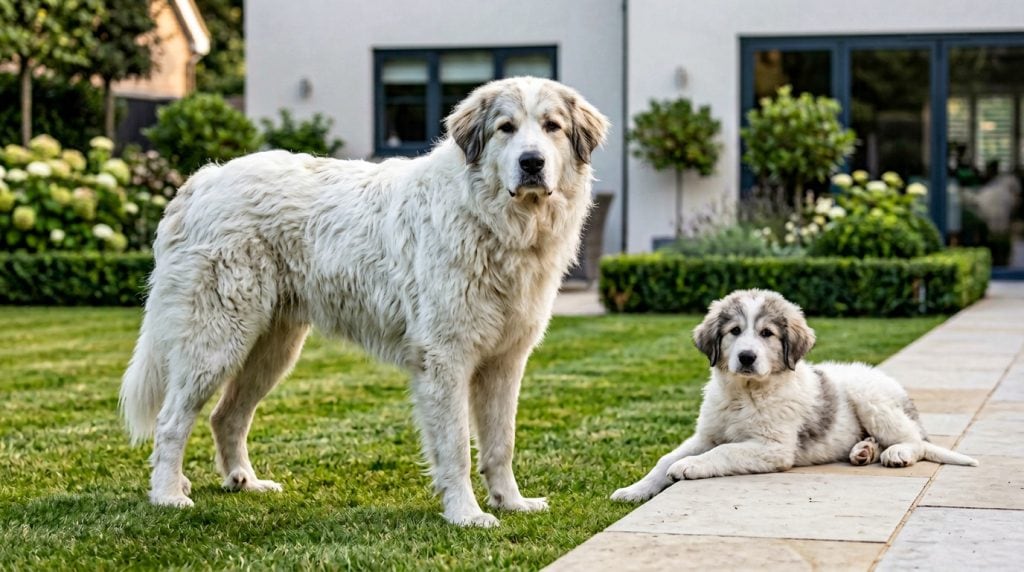
Living with a Pyredoodle often feels like having a gentle giant as a companion. These dogs tend to be both affectionate and protective, making them a comforting presence in the home. Their blend of calmness and playfulness often means they're ready for a cuddle or a romp in the garden, adapting well to the family's rhythm.
At a glance
Core care
- Size: Large
- Energy: Moderate to high
- Grooming: Low
- Shedding: Low
Support style
- Sensitivity: Moderate
- Training style: Willing
Breed guide
Choose a section to explore. These notes describe common patterns, but individual dogs vary widely.
The Pyredoodle, a cross between the Great Pyrenees and the Poodle, carries a blend of traits from its working ancestors. The Great Pyrenees, known for guarding livestock in the Pyrenees mountains, contributes a protective nature, while the Poodle brings intelligence and a more sociable disposition. This mix creates a dog that is both watchful and eager to engage with its family, often forming strong bonds with those they live with.
Physically, Pyredoodles are large dogs, often with a sturdy build that reflects their heritage. Their size can be imposing, but many owners find them to be surprisingly gentle, especially with children. The coat varies from wavy to curly, often requiring regular grooming to keep it in good condition. Despite their size, they are known for being relatively low shedders, which can be a bonus for those concerned about pet hair.
In terms of temperament, Pyredoodles are generally known for their calm and friendly nature. They tend to be quite adaptable, enjoying both active playtime and quiet moments. Their moderate sensitivity means they can pick up on household dynamics, often responding well to positive reinforcement and consistent routines. While they are generally sociable, individual dogs may vary in their level of enthusiasm for meeting new people or animals.
As with any mixed breed, there can be a range of characteristics within the Pyredoodle population. Some may lean more towards the independent nature of the Great Pyrenees, while others might exhibit the Poodle’s eagerness to please. Prospective owners should be prepared for this variability and appreciate the unique personality of their individual dog.
Pyredoodles often exhibit a social nature that makes them wonderful companions in many households. They tend to form strong attachments to their families, often enjoying being involved in daily activities. This social inclination means they can be quite attentive, frequently following their owners from room to room, eager to participate in whatever is happening.
Their behaviour often reflects a blend of protectiveness and friendliness. The Great Pyrenees heritage contributes to a natural instinct to guard, which can manifest as a watchful eye over the home. However, the Poodle influence often tempers this with a more approachable and playful side, making them generally good-natured with family members and guests alike.
Pyredoodles are moderately sensitive, which means they can be responsive to the emotional climate of their environment. This sensitivity, coupled with their willingness to learn, often makes them quite trainable. Owners frequently notice that these dogs respond well to positive reinforcement techniques, enjoying the mental stimulation that training sessions provide.
While they are generally well-mannered, individual Pyredoodles can vary in their social preferences. Some may be more reserved, especially around strangers, while others might be more outgoing. Understanding and respecting these individual differences is key to fostering a happy and well-adjusted Pyredoodle, ensuring they feel secure and confident in their surroundings.
A typical day for a Pyredoodle includes a healthy mix of physical activity and mental enrichment. These dogs generally enjoy a couple of good walks each day, which help to burn off their moderate to high energy levels. Many owners find that incorporating varied routes or parks into their walks keeps their Pyredoodle engaged and interested.
In addition to walks, Pyredoodles often appreciate playtime in a secure garden where they can romp and explore. Interactive games like fetch or tug-of-war can be particularly enjoyable, providing both exercise and bonding opportunities. Mental stimulation is equally important, and puzzle toys or scent games can be excellent ways to keep their minds active.
As they age, the exercise needs of Pyredoodles may change. Puppies and young adults often have higher energy levels and require more frequent activity, while older dogs might prefer shorter, more leisurely strolls. It’s important to tailor their exercise routine to their life stage, ensuring they remain healthy and content.
Owners should be mindful of not over-exercising their Pyredoodle, especially in hot weather, as their larger size can make them prone to overheating. Balancing physical activity with mental challenges will help keep a Pyredoodle happy and well-rounded, contributing to their overall well-being.
Training a Pyredoodle can be a rewarding experience, often characterised by their willingness to learn and engage. Many owners find that these dogs respond positively to training sessions that are consistent and based on positive reinforcement. Treats, praise, and play can be effective motivators, encouraging them to learn new commands and behaviours.
Given their size and strength, it’s important to focus on impulse control from an early age. Teaching basic commands like ‘sit’, ‘stay’, and ‘come’ can help manage their enthusiasm, especially in social situations. Early socialisation is also beneficial, helping them become comfortable with different environments, people, and other animals.
Adolescence can bring its own challenges, as Pyredoodles, like many breeds, may test boundaries during this stage. Patience and consistency are key, reinforcing positive behaviours while gently correcting unwanted ones. Building a strong relationship based on trust and understanding will help guide them through this period.
Overall, training should be seen as an ongoing process rather than a one-time event. Regular practice and reinforcement of commands will help maintain good behaviour and strengthen the bond between the Pyredoodle and their owner. This approach not only enhances their training but also contributes to their overall happiness and well-being.
Pyredoodles tend to thrive in homes where they can be a part of the family activities. Their size and energy levels mean they often do well in homes with space to move around, such as those with a garden or nearby parks. They can adapt to various living situations, but access to outdoor areas for regular exercise is beneficial.
Many owners find that Pyredoodles are good with children, often displaying a gentle and protective nature. However, as with any breed, interactions between dogs and young children should always be supervised to ensure safety for both parties. Their sociable nature generally means they can coexist well with other pets, although introductions should be managed carefully.
Pyredoodles often enjoy being involved in family life, whether that means joining in on outdoor adventures or simply lounging around the house. They tend to adapt to the household rhythm, making them versatile companions for various lifestyle types. However, they do appreciate companionship and may not do well if left alone for long periods.
Prospective owners should consider their ability to meet the exercise, grooming, and social needs of a Pyredoodle. While they can be adaptable, ensuring their physical and emotional needs are met will help them integrate smoothly into the family, providing a rewarding experience for both the dog and the owner.
The health of a Pyredoodle is closely tied to their overall well-being and quality of life. Regular veterinary check-ups are important to monitor their health and catch any potential issues early. Like many large breeds, Pyredoodles can be prone to joint issues, so maintaining a healthy weight through diet and exercise is crucial.
Owners should be aware of breed-relevant health considerations, such as hip dysplasia and certain skin conditions. Monitoring their mobility and skin health can help identify issues early, allowing for timely intervention. Providing a balanced diet rich in nutrients supports their overall health and vitality.
Preventive care, including vaccinations and parasite control, is essential to keep a Pyredoodle healthy. Regular dental care, such as brushing their teeth or providing dental chews, can help prevent dental issues that are common in many dogs.
It’s important for owners to be observant of any changes in behaviour or physical condition, as these can often be indicators of underlying health issues. Seeking veterinary advice when needed ensures that any health concerns are addressed promptly, contributing to a long and healthy life for the Pyredoodle.
The Pyredoodle is a relatively modern mixed breed, combining the traits of the Great Pyrenees and the Poodle. The Great Pyrenees has a long history as a guardian of livestock in the mountainous regions of France and Spain, known for its protective instincts and independence. This heritage contributes to the Pyredoodle’s watchful nature and loyalty.
The Poodle, originally bred in Germany as a water retriever, is renowned for its intelligence and trainability. Its influence on the Pyredoodle brings a more sociable and eager-to-please disposition, balancing the more reserved characteristics of the Great Pyrenees. This combination results in a dog that is both protective and friendly.
The development of the Pyredoodle was likely motivated by a desire to create a large, low-shedding family companion with the best traits of both parent breeds. As with many designer breeds, the goal was to combine the positive attributes of each breed while minimising potential health issues.
Today, Pyredoodles are appreciated for their versatility and adaptability, fitting well into a variety of family settings. Their history as a mix of working and companion breeds is reflected in their modern characteristics, offering a unique blend of loyalty, intelligence, and affection that many owners find appealing.
What shapes individual dogs
- Early social experiences
- Training approach
- Environment & routine
- Genetics & breeding
- Health & pain
- Age / life stage
The Pyredoodle, a cross between the Great Pyrenees and the Poodle, carries a blend of traits from its working ancestors. The Great Pyrenees, known for guarding livestock in the Pyrenees mountains, contributes a protective nature, while the Poodle brings intelligence and a more sociable disposition. This mix creates a dog that is both watchful and eager to engage with its family, often forming strong bonds with those they live with.
Physically, Pyredoodles are large dogs, often with a sturdy build that reflects their heritage. Their size can be imposing, but many owners find them to be surprisingly gentle, especially with children. The coat varies from wavy to curly, often requiring regular grooming to keep it in good condition. Despite their size, they are known for being relatively low shedders, which can be a bonus for those concerned about pet hair.
In terms of temperament, Pyredoodles are generally known for their calm and friendly nature. They tend to be quite adaptable, enjoying both active playtime and quiet moments. Their moderate sensitivity means they can pick up on household dynamics, often responding well to positive reinforcement and consistent routines. While they are generally sociable, individual dogs may vary in their level of enthusiasm for meeting new people or animals.
As with any mixed breed, there can be a range of characteristics within the Pyredoodle population. Some may lean more towards the independent nature of the Great Pyrenees, while others might exhibit the Poodle’s eagerness to please. Prospective owners should be prepared for this variability and appreciate the unique personality of their individual dog.
Pyredoodles often exhibit a social nature that makes them wonderful companions in many households. They tend to form strong attachments to their families, often enjoying being involved in daily activities. This social inclination means they can be quite attentive, frequently following their owners from room to room, eager to participate in whatever is happening.
Their behaviour often reflects a blend of protectiveness and friendliness. The Great Pyrenees heritage contributes to a natural instinct to guard, which can manifest as a watchful eye over the home. However, the Poodle influence often tempers this with a more approachable and playful side, making them generally good-natured with family members and guests alike.
Pyredoodles are moderately sensitive, which means they can be responsive to the emotional climate of their environment. This sensitivity, coupled with their willingness to learn, often makes them quite trainable. Owners frequently notice that these dogs respond well to positive reinforcement techniques, enjoying the mental stimulation that training sessions provide.
While they are generally well-mannered, individual Pyredoodles can vary in their social preferences. Some may be more reserved, especially around strangers, while others might be more outgoing. Understanding and respecting these individual differences is key to fostering a happy and well-adjusted Pyredoodle, ensuring they feel secure and confident in their surroundings.
A typical day for a Pyredoodle includes a healthy mix of physical activity and mental enrichment. These dogs generally enjoy a couple of good walks each day, which help to burn off their moderate to high energy levels. Many owners find that incorporating varied routes or parks into their walks keeps their Pyredoodle engaged and interested.
In addition to walks, Pyredoodles often appreciate playtime in a secure garden where they can romp and explore. Interactive games like fetch or tug-of-war can be particularly enjoyable, providing both exercise and bonding opportunities. Mental stimulation is equally important, and puzzle toys or scent games can be excellent ways to keep their minds active.
As they age, the exercise needs of Pyredoodles may change. Puppies and young adults often have higher energy levels and require more frequent activity, while older dogs might prefer shorter, more leisurely strolls. It’s important to tailor their exercise routine to their life stage, ensuring they remain healthy and content.
Owners should be mindful of not over-exercising their Pyredoodle, especially in hot weather, as their larger size can make them prone to overheating. Balancing physical activity with mental challenges will help keep a Pyredoodle happy and well-rounded, contributing to their overall well-being.
Training a Pyredoodle can be a rewarding experience, often characterised by their willingness to learn and engage. Many owners find that these dogs respond positively to training sessions that are consistent and based on positive reinforcement. Treats, praise, and play can be effective motivators, encouraging them to learn new commands and behaviours.
Given their size and strength, it’s important to focus on impulse control from an early age. Teaching basic commands like ‘sit’, ‘stay’, and ‘come’ can help manage their enthusiasm, especially in social situations. Early socialisation is also beneficial, helping them become comfortable with different environments, people, and other animals.
Adolescence can bring its own challenges, as Pyredoodles, like many breeds, may test boundaries during this stage. Patience and consistency are key, reinforcing positive behaviours while gently correcting unwanted ones. Building a strong relationship based on trust and understanding will help guide them through this period.
Overall, training should be seen as an ongoing process rather than a one-time event. Regular practice and reinforcement of commands will help maintain good behaviour and strengthen the bond between the Pyredoodle and their owner. This approach not only enhances their training but also contributes to their overall happiness and well-being.
Pyredoodles tend to thrive in homes where they can be a part of the family activities. Their size and energy levels mean they often do well in homes with space to move around, such as those with a garden or nearby parks. They can adapt to various living situations, but access to outdoor areas for regular exercise is beneficial.
Many owners find that Pyredoodles are good with children, often displaying a gentle and protective nature. However, as with any breed, interactions between dogs and young children should always be supervised to ensure safety for both parties. Their sociable nature generally means they can coexist well with other pets, although introductions should be managed carefully.
Pyredoodles often enjoy being involved in family life, whether that means joining in on outdoor adventures or simply lounging around the house. They tend to adapt to the household rhythm, making them versatile companions for various lifestyle types. However, they do appreciate companionship and may not do well if left alone for long periods.
Prospective owners should consider their ability to meet the exercise, grooming, and social needs of a Pyredoodle. While they can be adaptable, ensuring their physical and emotional needs are met will help them integrate smoothly into the family, providing a rewarding experience for both the dog and the owner.
The health of a Pyredoodle is closely tied to their overall well-being and quality of life. Regular veterinary check-ups are important to monitor their health and catch any potential issues early. Like many large breeds, Pyredoodles can be prone to joint issues, so maintaining a healthy weight through diet and exercise is crucial.
Owners should be aware of breed-relevant health considerations, such as hip dysplasia and certain skin conditions. Monitoring their mobility and skin health can help identify issues early, allowing for timely intervention. Providing a balanced diet rich in nutrients supports their overall health and vitality.
Preventive care, including vaccinations and parasite control, is essential to keep a Pyredoodle healthy. Regular dental care, such as brushing their teeth or providing dental chews, can help prevent dental issues that are common in many dogs.
It’s important for owners to be observant of any changes in behaviour or physical condition, as these can often be indicators of underlying health issues. Seeking veterinary advice when needed ensures that any health concerns are addressed promptly, contributing to a long and healthy life for the Pyredoodle.
The Pyredoodle is a relatively modern mixed breed, combining the traits of the Great Pyrenees and the Poodle. The Great Pyrenees has a long history as a guardian of livestock in the mountainous regions of France and Spain, known for its protective instincts and independence. This heritage contributes to the Pyredoodle’s watchful nature and loyalty.
The Poodle, originally bred in Germany as a water retriever, is renowned for its intelligence and trainability. Its influence on the Pyredoodle brings a more sociable and eager-to-please disposition, balancing the more reserved characteristics of the Great Pyrenees. This combination results in a dog that is both protective and friendly.
The development of the Pyredoodle was likely motivated by a desire to create a large, low-shedding family companion with the best traits of both parent breeds. As with many designer breeds, the goal was to combine the positive attributes of each breed while minimising potential health issues.
Today, Pyredoodles are appreciated for their versatility and adaptability, fitting well into a variety of family settings. Their history as a mix of working and companion breeds is reflected in their modern characteristics, offering a unique blend of loyalty, intelligence, and affection that many owners find appealing.
What shapes individual dogs
- Early social experiences
- Training approach
- Environment & routine
- Genetics & breeding
- Health & pain
- Age / life stage
Want support with this?
This course is ideal for Pyredoodle owners looking to establish a calm and structured foundation during their dog's formative years.