
Pomchi
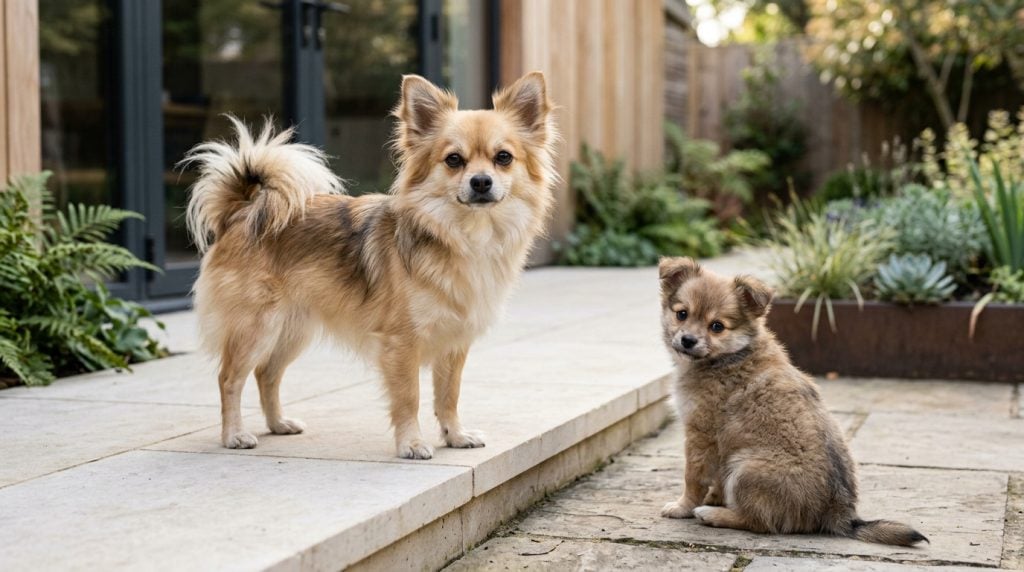
Living with a Pomchi often means sharing your home with a lively and spirited companion. These small dogs, a mix of Pomeranian and Chihuahua, tend to bring a blend of energy and affection to their families. Many owners find that Pomchis are both playful and eager to be involved in daily activities, making them charming little companions who thrive on interaction.
At a glance
Core care
- Size: Small
- Energy: Moderate to high
- Grooming: Low
- Shedding: Moderate
Support style
- Sensitivity: Moderate
- Training style: Moderate
Breed guide
Choose a section to explore. These notes describe common patterns, but individual dogs vary widely.
The Pomchi, a delightful cross between the Pomeranian and the Chihuahua, carries the spirited essence of both its parent breeds. Pomeranians were originally bred as sled dogs in the Arctic, which explains their energetic and resilient nature, while Chihuahuas have a history as companion animals, often cherished for their loyalty and alertness. This blend of backgrounds contributes to the Pomchi’s lively and engaging personality, making them a popular choice for those seeking a small dog with a big personality.
Physically, Pomchis are small in stature, typically weighing between 2 to 5 kilograms, with a height ranging from 15 to 25 centimetres. Their compact size makes them well-suited for apartment living, but their moderate to high energy levels mean they still require regular exercise. Owners often note the Pomchi’s expressive eyes and perky ears, which seem to capture their curious and alert nature. Their coats can vary, often reflecting the Pomeranian’s fluffiness or the Chihuahua’s sleeker appearance, but in either case, they require moderate grooming to keep them looking their best.
Temperamentally, Pomchis are known for their vibrant and affectionate nature. They often form strong bonds with their families and can be quite protective despite their small size. Many owners observe that Pomchis enjoy being the centre of attention, frequently following their humans around the house and eagerly participating in family activities. However, like any breed, individual personalities can vary, with some Pomchis being more reserved or independent.
It’s important to remember that while breed traits provide a general guide, each Pomchi is unique. Factors such as genetics, early socialisation, and individual experiences all play a role in shaping a dog’s personality. Prospective owners should be prepared for the delightful unpredictability that comes with welcoming a mixed breed like the Pomchi into their lives.
Pomchis often exhibit a social and lively nature, which many owners find endearing. These dogs tend to thrive in environments where they can be close to their people, frequently following family members from room to room. This behaviour is likely a reflection of their desire for companionship and involvement in daily life. Owners often notice that Pomchis are quick to alert them to new sounds or visitors, showcasing their attentiveness and protective instincts.
The breed’s moderate sensitivity means they can be quite attuned to the emotions of those around them. This sensitivity often translates into a strong bond with their human companions, as Pomchis are quick to pick up on moods and changes in their environment. However, this can also mean they may become anxious if left alone for extended periods, so they do best in homes where someone is often present.
In terms of trainability, Pomchis are moderately receptive to training, often responding well to positive reinforcement techniques. Their intelligence and eagerness to please can make them quick learners, especially when training sessions are kept fun and engaging. Owners often find that consistency and patience are key, as Pomchis can sometimes display a stubborn streak, particularly if they sense a lack of clear guidance.
Overall, living with a Pomchi involves embracing their spirited and affectionate nature. While they can be lively and occasionally demanding of attention, many owners appreciate the joy and companionship these small dogs bring into their lives. It’s important to remember that each Pomchi is an individual, and their temperament can vary based on a range of factors, including their upbringing and daily experiences.
A typical day for a Pomchi involves a balance of physical activity and mental stimulation. Despite their small size, these dogs have moderate to high energy levels and benefit from regular exercise. Short walks around the neighbourhood or play sessions in the garden can help meet their physical needs. Many owners find that Pomchis enjoy interactive games like fetch or tug-of-war, which can help burn off energy while strengthening the bond between dog and owner.
Mental enrichment is equally important for Pomchis, as their intelligent and curious nature thrives on stimulation. Puzzle toys and treat-dispensing games can provide mental challenges that keep them engaged and prevent boredom. Training sessions that incorporate new tricks or commands can also serve as a form of mental exercise, offering both a challenge and a reward for their efforts.
As Pomchis age, their exercise needs may change. While puppies and young adults often require more frequent activity to expend their youthful energy, older Pomchis might prefer shorter, more leisurely outings. It’s important for owners to adjust their routines to accommodate these changes, ensuring their Pomchi remains healthy and happy throughout their life stages.
Owners should be mindful of avoiding over-exertion, especially in hot weather, as Pomchis can be prone to overheating due to their small size. Providing plenty of water and ensuring they have a cool place to rest can help prevent heat-related issues. By balancing physical exercise with mental enrichment and being attentive to their Pomchi’s individual needs, owners can help ensure their dog leads a fulfilling and active life.
Training a Pomchi often feels like a journey of discovery for both the dog and the owner. These small dogs tend to respond well to positive reinforcement methods, where treats, praise, and play are used as rewards for good behaviour. Owners often find that keeping training sessions short and engaging helps maintain their Pomchi’s interest and enthusiasm, as these dogs can quickly become bored with repetitive tasks.
Impulse control can be a particular focus during training, as Pomchis may sometimes act impulsively due to their lively nature. Teaching commands like ‘sit’, ‘stay’, and ‘leave it’ can help manage their excitement and improve their focus. Consistent practice in a variety of settings can reinforce these behaviours, making them more reliable over time.
Adolescence can bring its own set of challenges, as Pomchis, like many dogs, may test boundaries during this phase. Patience and consistency are key, as is maintaining a positive relationship with your dog. Many owners find that enrolling in a training class can provide valuable support and guidance, offering structured opportunities to socialise and learn in a controlled environment.
Ultimately, building a strong bond with a Pomchi through training is about more than just teaching commands. It’s about understanding their unique personality and working together to navigate the world. By approaching training with patience, positivity, and a sense of fun, owners can help their Pomchi develop into a well-mannered and confident companion.
Pomchis tend to adapt well to a variety of living environments, making them a versatile choice for many households. Their small size and moderate grooming needs make them well-suited for apartment living, provided they receive enough exercise and mental stimulation. Owners often find that Pomchis thrive in homes where they can be close to their human companions, enjoying the comforts of indoor living while having access to outdoor play.
Families with children often find Pomchis to be delightful companions, though supervision is recommended to ensure gentle interactions. Pomchis can be quite playful and enjoy the company of older children who understand how to interact with small dogs. However, their small size means they can be more vulnerable to rough handling, so teaching children to respect their space is important.
When it comes to other pets, Pomchis can vary in their reactions. Some may get along well with other dogs and even cats, especially if they are socialised from a young age. Others might be more reserved or territorial, particularly if they feel their space or resources are being encroached upon. Gradual introductions and monitoring interactions can help ensure a harmonious household.
Ultimately, the best home for a Pomchi is one where they receive plenty of attention and companionship. They are happiest when they feel included in family activities and have opportunities for both mental and physical engagement. By considering these factors, potential owners can determine whether a Pomchi is a good fit for their lifestyle, ensuring a rewarding and fulfilling relationship.
Health considerations for Pomchis are an important aspect of their overall wellbeing. As a mixed breed, they can inherit health issues common to both Pomeranians and Chihuahuas. Regular veterinary check-ups are essential to monitor their health and catch any potential issues early. Preventive care, including vaccinations and parasite control, plays a key role in keeping Pomchis healthy and active.
Dental health is a particular concern for Pomchis, as small breeds are often prone to dental issues. Regular brushing and dental check-ups can help prevent tartar build-up and gum disease, which can affect their overall health. Owners should also be mindful of their Pomchi’s diet, as maintaining a healthy weight is crucial for preventing obesity-related health problems.
Pomchis may also be susceptible to patellar luxation, a condition where the kneecap can dislocate. This can affect their mobility and comfort, so monitoring their activity levels and seeking veterinary advice if any limping or discomfort is observed is important. Regular exercise and maintaining a healthy weight can help reduce the risk of joint issues.
Ultimately, being attentive to your Pomchi’s health needs and seeking veterinary advice when concerns arise ensures they enjoy a happy and healthy life. By understanding the potential health considerations and taking proactive steps in their care, owners can help their Pomchi thrive as a beloved family member.
The Pomchi is a relatively recent addition to the world of designer dogs, combining the best traits of the Pomeranian and the Chihuahua. The Pomeranian’s history as a sled dog in the Arctic regions contributes to its energetic and resilient nature, while the Chihuahua’s roots as a companion animal in Mexico highlight its affectionate and alert characteristics. This blend of backgrounds has resulted in a small dog with a big personality, appealing to those who appreciate both breeds.
Pomeranians, originally larger sled dogs, were bred down in size to become the fluffy companions we know today. Their history as working dogs has left them with a strong sense of purpose and a lively disposition. Chihuahuas, on the other hand, have long been cherished for their companionship, often found in the arms of their owners or nestled in warm laps. This history of close human interaction has made them attentive and loyal companions.
The development of the Pomchi as a deliberate crossbreed aimed to combine these desirable traits, resulting in a dog that is both spirited and affectionate. As a mixed breed, Pomchis can exhibit a range of characteristics from both parent breeds, making each one unique. Their small size and engaging personality have made them popular in urban settings, where their adaptability and charm are well-suited to modern living.
Understanding the Pomchi’s origins helps explain their behaviour and temperament today. Their lively nature and desire for companionship are rooted in their history, making them a delightful addition to many households. By appreciating the blend of traits inherited from both the Pomeranian and the Chihuahua, owners can better understand and nurture their Pomchi’s unique personality.
What shapes individual dogs
- Early social experiences
- Training approach
- Environment & routine
- Genetics & breeding
- Health & pain
- Age / life stage
The Pomchi, a delightful cross between the Pomeranian and the Chihuahua, carries the spirited essence of both its parent breeds. Pomeranians were originally bred as sled dogs in the Arctic, which explains their energetic and resilient nature, while Chihuahuas have a history as companion animals, often cherished for their loyalty and alertness. This blend of backgrounds contributes to the Pomchi’s lively and engaging personality, making them a popular choice for those seeking a small dog with a big personality.
Physically, Pomchis are small in stature, typically weighing between 2 to 5 kilograms, with a height ranging from 15 to 25 centimetres. Their compact size makes them well-suited for apartment living, but their moderate to high energy levels mean they still require regular exercise. Owners often note the Pomchi’s expressive eyes and perky ears, which seem to capture their curious and alert nature. Their coats can vary, often reflecting the Pomeranian’s fluffiness or the Chihuahua’s sleeker appearance, but in either case, they require moderate grooming to keep them looking their best.
Temperamentally, Pomchis are known for their vibrant and affectionate nature. They often form strong bonds with their families and can be quite protective despite their small size. Many owners observe that Pomchis enjoy being the centre of attention, frequently following their humans around the house and eagerly participating in family activities. However, like any breed, individual personalities can vary, with some Pomchis being more reserved or independent.
It’s important to remember that while breed traits provide a general guide, each Pomchi is unique. Factors such as genetics, early socialisation, and individual experiences all play a role in shaping a dog’s personality. Prospective owners should be prepared for the delightful unpredictability that comes with welcoming a mixed breed like the Pomchi into their lives.
Pomchis often exhibit a social and lively nature, which many owners find endearing. These dogs tend to thrive in environments where they can be close to their people, frequently following family members from room to room. This behaviour is likely a reflection of their desire for companionship and involvement in daily life. Owners often notice that Pomchis are quick to alert them to new sounds or visitors, showcasing their attentiveness and protective instincts.
The breed’s moderate sensitivity means they can be quite attuned to the emotions of those around them. This sensitivity often translates into a strong bond with their human companions, as Pomchis are quick to pick up on moods and changes in their environment. However, this can also mean they may become anxious if left alone for extended periods, so they do best in homes where someone is often present.
In terms of trainability, Pomchis are moderately receptive to training, often responding well to positive reinforcement techniques. Their intelligence and eagerness to please can make them quick learners, especially when training sessions are kept fun and engaging. Owners often find that consistency and patience are key, as Pomchis can sometimes display a stubborn streak, particularly if they sense a lack of clear guidance.
Overall, living with a Pomchi involves embracing their spirited and affectionate nature. While they can be lively and occasionally demanding of attention, many owners appreciate the joy and companionship these small dogs bring into their lives. It’s important to remember that each Pomchi is an individual, and their temperament can vary based on a range of factors, including their upbringing and daily experiences.
A typical day for a Pomchi involves a balance of physical activity and mental stimulation. Despite their small size, these dogs have moderate to high energy levels and benefit from regular exercise. Short walks around the neighbourhood or play sessions in the garden can help meet their physical needs. Many owners find that Pomchis enjoy interactive games like fetch or tug-of-war, which can help burn off energy while strengthening the bond between dog and owner.
Mental enrichment is equally important for Pomchis, as their intelligent and curious nature thrives on stimulation. Puzzle toys and treat-dispensing games can provide mental challenges that keep them engaged and prevent boredom. Training sessions that incorporate new tricks or commands can also serve as a form of mental exercise, offering both a challenge and a reward for their efforts.
As Pomchis age, their exercise needs may change. While puppies and young adults often require more frequent activity to expend their youthful energy, older Pomchis might prefer shorter, more leisurely outings. It’s important for owners to adjust their routines to accommodate these changes, ensuring their Pomchi remains healthy and happy throughout their life stages.
Owners should be mindful of avoiding over-exertion, especially in hot weather, as Pomchis can be prone to overheating due to their small size. Providing plenty of water and ensuring they have a cool place to rest can help prevent heat-related issues. By balancing physical exercise with mental enrichment and being attentive to their Pomchi’s individual needs, owners can help ensure their dog leads a fulfilling and active life.
Training a Pomchi often feels like a journey of discovery for both the dog and the owner. These small dogs tend to respond well to positive reinforcement methods, where treats, praise, and play are used as rewards for good behaviour. Owners often find that keeping training sessions short and engaging helps maintain their Pomchi’s interest and enthusiasm, as these dogs can quickly become bored with repetitive tasks.
Impulse control can be a particular focus during training, as Pomchis may sometimes act impulsively due to their lively nature. Teaching commands like ‘sit’, ‘stay’, and ‘leave it’ can help manage their excitement and improve their focus. Consistent practice in a variety of settings can reinforce these behaviours, making them more reliable over time.
Adolescence can bring its own set of challenges, as Pomchis, like many dogs, may test boundaries during this phase. Patience and consistency are key, as is maintaining a positive relationship with your dog. Many owners find that enrolling in a training class can provide valuable support and guidance, offering structured opportunities to socialise and learn in a controlled environment.
Ultimately, building a strong bond with a Pomchi through training is about more than just teaching commands. It’s about understanding their unique personality and working together to navigate the world. By approaching training with patience, positivity, and a sense of fun, owners can help their Pomchi develop into a well-mannered and confident companion.
Pomchis tend to adapt well to a variety of living environments, making them a versatile choice for many households. Their small size and moderate grooming needs make them well-suited for apartment living, provided they receive enough exercise and mental stimulation. Owners often find that Pomchis thrive in homes where they can be close to their human companions, enjoying the comforts of indoor living while having access to outdoor play.
Families with children often find Pomchis to be delightful companions, though supervision is recommended to ensure gentle interactions. Pomchis can be quite playful and enjoy the company of older children who understand how to interact with small dogs. However, their small size means they can be more vulnerable to rough handling, so teaching children to respect their space is important.
When it comes to other pets, Pomchis can vary in their reactions. Some may get along well with other dogs and even cats, especially if they are socialised from a young age. Others might be more reserved or territorial, particularly if they feel their space or resources are being encroached upon. Gradual introductions and monitoring interactions can help ensure a harmonious household.
Ultimately, the best home for a Pomchi is one where they receive plenty of attention and companionship. They are happiest when they feel included in family activities and have opportunities for both mental and physical engagement. By considering these factors, potential owners can determine whether a Pomchi is a good fit for their lifestyle, ensuring a rewarding and fulfilling relationship.
Health considerations for Pomchis are an important aspect of their overall wellbeing. As a mixed breed, they can inherit health issues common to both Pomeranians and Chihuahuas. Regular veterinary check-ups are essential to monitor their health and catch any potential issues early. Preventive care, including vaccinations and parasite control, plays a key role in keeping Pomchis healthy and active.
Dental health is a particular concern for Pomchis, as small breeds are often prone to dental issues. Regular brushing and dental check-ups can help prevent tartar build-up and gum disease, which can affect their overall health. Owners should also be mindful of their Pomchi’s diet, as maintaining a healthy weight is crucial for preventing obesity-related health problems.
Pomchis may also be susceptible to patellar luxation, a condition where the kneecap can dislocate. This can affect their mobility and comfort, so monitoring their activity levels and seeking veterinary advice if any limping or discomfort is observed is important. Regular exercise and maintaining a healthy weight can help reduce the risk of joint issues.
Ultimately, being attentive to your Pomchi’s health needs and seeking veterinary advice when concerns arise ensures they enjoy a happy and healthy life. By understanding the potential health considerations and taking proactive steps in their care, owners can help their Pomchi thrive as a beloved family member.
The Pomchi is a relatively recent addition to the world of designer dogs, combining the best traits of the Pomeranian and the Chihuahua. The Pomeranian’s history as a sled dog in the Arctic regions contributes to its energetic and resilient nature, while the Chihuahua’s roots as a companion animal in Mexico highlight its affectionate and alert characteristics. This blend of backgrounds has resulted in a small dog with a big personality, appealing to those who appreciate both breeds.
Pomeranians, originally larger sled dogs, were bred down in size to become the fluffy companions we know today. Their history as working dogs has left them with a strong sense of purpose and a lively disposition. Chihuahuas, on the other hand, have long been cherished for their companionship, often found in the arms of their owners or nestled in warm laps. This history of close human interaction has made them attentive and loyal companions.
The development of the Pomchi as a deliberate crossbreed aimed to combine these desirable traits, resulting in a dog that is both spirited and affectionate. As a mixed breed, Pomchis can exhibit a range of characteristics from both parent breeds, making each one unique. Their small size and engaging personality have made them popular in urban settings, where their adaptability and charm are well-suited to modern living.
Understanding the Pomchi’s origins helps explain their behaviour and temperament today. Their lively nature and desire for companionship are rooted in their history, making them a delightful addition to many households. By appreciating the blend of traits inherited from both the Pomeranian and the Chihuahua, owners can better understand and nurture their Pomchi’s unique personality.
What shapes individual dogs
- Early social experiences
- Training approach
- Environment & routine
- Genetics & breeding
- Health & pain
- Age / life stage
Want support with this?
This course offers valuable insights for new Pomchi owners, especially those navigating the challenges of raising a lively and spirited puppy.