
Cavador
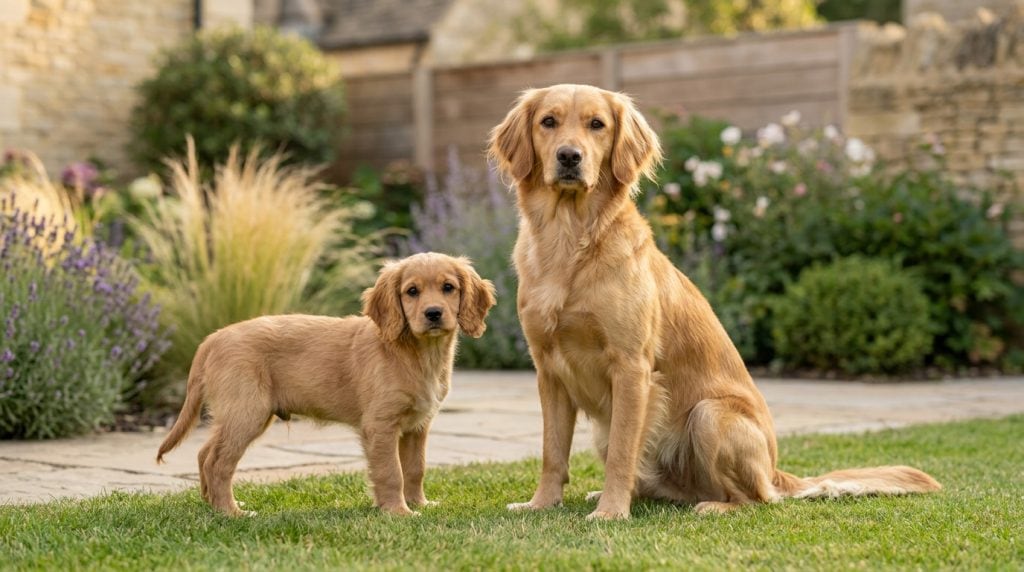
Living with a Cavador often means enjoying a blend of playfulness and companionship. These dogs tend to be engaging and eager to join in with family activities, making them a lively presence in the home. Their mixed heritage often results in a dog that balances energy with affection, creating a well-rounded family companion.
At a glance
Core care
- Size: Medium
- Energy: Moderate to high
- Grooming: Low
- Shedding: Moderate
Support style
- Sensitivity: Moderate
- Training style: Willing
Breed guide
Choose a section to explore. These notes describe common patterns, but individual dogs vary widely.
The Cavador, a delightful mix of the Cavalier King Charles Spaniel and the Labrador Retriever, brings together the best of both worlds. This breed’s origins lie in combining the gentle, affectionate nature of the Cavalier with the friendly, energetic spirit of the Labrador. Historically, both parent breeds were cherished for their companionship and versatility, traits that continue to shine through in the Cavador today. Many owners find that their Cavador embodies a harmonious blend of these qualities, making them adaptable companions in various settings.
Physically, Cavadors are medium-sized dogs, often inheriting the sturdy build of the Labrador with the softer features of the Cavalier. This combination results in a dog that is robust yet approachable, with a coat that is typically low-maintenance. Their moderate shedding is something to be mindful of, but it generally doesn’t require intensive grooming routines. Owners often appreciate the Cavador’s manageable size, which makes them suitable for both urban and rural living.
In terms of temperament, Cavadors are known for their friendly and willing nature. They often exhibit a keen desire to please, which can make training a rewarding experience. Their moderate sensitivity means they respond well to gentle guidance, and many owners notice their Cavador’s ability to adapt to different social situations with ease. However, as with any breed, individual personalities can vary, and some Cavadors may be more reserved or exuberant than others.
When considering a Cavador, it’s important to remember that while breed tendencies provide a helpful guide, each dog is unique. Factors such as genetics, upbringing, and environment all play a role in shaping a dog’s personality and behaviour. Prospective owners should be prepared for a range of experiences and be open to the individual quirks that make their Cavador special.
Cavadors are often noted for their sociable and engaging nature. Many owners observe that their Cavador is happiest when surrounded by family, whether that means joining in on a walk or simply lounging nearby. This social inclination is likely inherited from both parent breeds, each known for their affectionate and people-oriented dispositions. As a result, Cavadors often thrive in environments where they can be part of the daily hustle and bustle.
Their moderate sensitivity means that Cavadors can be quite attuned to the moods and emotions of their human companions. This can be a delightful trait, as these dogs often seem to know when a comforting presence is needed. Owners frequently describe their Cavador as being particularly responsive to gentle training methods, which aligns with their generally willing nature. Positive reinforcement techniques, such as treats and praise, tend to work well with this breed.
In everyday life, Cavadors often display a playful side that can be quite endearing. They enjoy interactive games and activities that allow them to engage both physically and mentally. This playfulness, combined with their eagerness to please, makes them versatile companions who can adapt to a variety of family dynamics. While they are generally friendly, some Cavadors may exhibit a more reserved nature, especially around new people or in unfamiliar settings.
Understanding the Cavador’s temperament involves recognising the blend of traits inherited from their parent breeds. While they typically have a balanced disposition, individual differences can be influenced by factors such as early socialisation and training. Owners should be prepared to invest time in nurturing their Cavador’s social skills and providing them with plenty of love and attention, which these dogs often reciprocate in abundance.
A typical day with a Cavador often includes a mix of physical activity and mental stimulation. These dogs generally have moderate to high energy levels, which means they benefit from regular exercise to keep them happy and healthy. A couple of brisk walks each day, combined with some playtime in the garden or park, usually satisfies their need for physical exertion. Many owners find that engaging their Cavador in a game of fetch or a playful romp is a great way to expend energy.
In addition to physical exercise, Cavadors also enjoy activities that challenge their minds. Puzzle toys and interactive games can be excellent for keeping them mentally stimulated. These activities not only prevent boredom but also help strengthen the bond between dog and owner. Cavadors often excel in activities that require problem-solving and can be quite adept at learning new tricks or commands.
As Cavadors age, their exercise needs may change. Puppies and young adults tend to have higher energy levels and may require more frequent activity to prevent restlessness. As they mature, their energy levels might decrease slightly, but regular exercise remains important for maintaining a healthy weight and overall wellbeing. Owners should be mindful of their Cavador’s individual needs and adjust their exercise routine accordingly.
It’s important to avoid over-exercising young Cavadors, as their developing joints can be sensitive to excessive strain. Gradually increasing the intensity and duration of exercise as they grow is a wise approach. Ultimately, a balanced routine that includes both physical and mental activities will help ensure that a Cavador remains content and well-adjusted throughout their life.
Training a Cavador often feels like a collaborative effort, as these dogs are generally eager to learn and please their owners. Their willingness to engage in training sessions makes them a joy to work with, and many owners find that their Cavador responds well to positive reinforcement techniques. This breed tends to thrive on praise, treats, and encouragement, which can make training a rewarding experience for both dog and owner.
One of the keys to successful training with a Cavador is consistency. Establishing a routine and setting clear expectations helps these dogs understand what is expected of them. While they are generally cooperative, Cavadors may occasionally test boundaries, especially during adolescence. During these times, it’s important to remain patient and continue reinforcing desired behaviours with positive reinforcement.
Impulse control can be an area where some Cavadors may need additional support. Their playful and curious nature sometimes leads them to act on impulse, whether that’s chasing a squirrel or jumping up to greet a visitor. Teaching basic commands such as ‘sit’, ‘stay’, and ‘leave it’ can be particularly helpful in managing these tendencies. With time and patience, many Cavadors learn to control their impulses and become well-mannered companions.
Building a strong relationship based on trust and understanding is crucial for training success. Cavadors often respond best to training methods that are gentle and respectful, avoiding harsh corrections or punitive measures. By fostering a positive and supportive training environment, owners can help their Cavador develop into a confident and obedient member of the family.
Cavadors tend to fit well into a variety of home environments, thanks to their adaptable nature. Whether living in a bustling city apartment or a spacious countryside home, these dogs often adjust well to their surroundings. Their medium size and moderate energy levels make them suitable for both urban and rural settings, as long as they receive adequate exercise and companionship.
Many owners find that Cavadors thrive in homes where they are included in family activities. They often enjoy being part of the action, whether that’s joining in on a family walk or simply lounging in the living room. Their social nature means they usually do well with children, provided interactions are supervised and respectful. Cavadors can be patient and gentle, making them good companions for families.
When it comes to living with other pets, Cavadors generally get along well with other dogs and animals, especially if they are introduced at a young age. Their friendly disposition often means they are open to making new friends, though individual personalities can vary. Early socialisation is key to ensuring a harmonious household.
Prospective owners should consider their lifestyle and how a Cavador might fit into it. While these dogs are adaptable, they do best in homes where they receive plenty of attention and interaction. Owners who are prepared to invest time in exercise, training, and companionship will likely find that a Cavador becomes a cherished member of the family.
Cavadors, like all dogs, benefit from attentive health care to ensure their wellbeing. Regular veterinary check-ups are important to monitor their overall health and catch any potential issues early. Preventive care, such as vaccinations and parasite control, plays a vital role in keeping a Cavador healthy and happy.
Some health considerations for Cavadors may include conditions common to their parent breeds, such as hip dysplasia or heart issues. Being aware of these potential concerns allows owners to take proactive steps in managing their dog’s health. Maintaining a healthy weight through proper diet and exercise can help mitigate some of these risks.
Behaviour can sometimes be influenced by health, so it’s important for owners to be observant of any changes in their Cavador’s behaviour that might indicate a health issue. For example, a normally active dog that becomes lethargic or a sociable dog that suddenly withdraws may be experiencing discomfort. In such cases, seeking veterinary advice is recommended.
Overall, a balanced approach to health care, including regular veterinary visits, a nutritious diet, and adequate exercise, helps ensure that a Cavador enjoys a long and healthy life. Owners who are informed about potential health issues and committed to preventive care can provide their Cavador with the best possible quality of life.
The Cavador is a relatively modern mixed breed, combining the traits of the Cavalier King Charles Spaniel and the Labrador Retriever. This blend was created to bring together the affectionate and gentle nature of the Cavalier with the friendly and outgoing personality of the Labrador. Both parent breeds have rich histories, with the Cavalier being a beloved companion of British royalty and the Labrador known for its work as a reliable retriever.
The Cavalier King Charles Spaniel has its roots in the lapdogs of European nobility, cherished for their gentle temperament and elegant appearance. Over the centuries, they have been bred to be affectionate companions, traits that are evident in the Cavador. The Labrador Retriever, on the other hand, was developed in Newfoundland as a working dog, prized for its retrieving abilities and cooperative nature. This background contributes to the Cavador’s willingness to engage and participate in family activities.
The development of the Cavador aimed to create a dog that embodies the best qualities of both parent breeds. The resulting mix often showcases a delightful balance of energy and calmness, making them suitable for various lifestyles. Their history as companion animals is reflected in their tendency to form strong bonds with their families, often preferring to be involved in everyday life.
Understanding the Cavador’s origins helps explain many of their modern traits. Their mixed heritage means they can vary in appearance and temperament, but they consistently offer a blend of companionship and versatility. This combination makes them appealing to a wide range of dog lovers, from families to individuals seeking a loyal and engaging pet.
What shapes individual dogs
- Early social experiences
- Training approach
- Environment & routine
- Genetics & breeding
- Health & pain
- Age / life stage
The Cavador, a delightful mix of the Cavalier King Charles Spaniel and the Labrador Retriever, brings together the best of both worlds. This breed’s origins lie in combining the gentle, affectionate nature of the Cavalier with the friendly, energetic spirit of the Labrador. Historically, both parent breeds were cherished for their companionship and versatility, traits that continue to shine through in the Cavador today. Many owners find that their Cavador embodies a harmonious blend of these qualities, making them adaptable companions in various settings.
Physically, Cavadors are medium-sized dogs, often inheriting the sturdy build of the Labrador with the softer features of the Cavalier. This combination results in a dog that is robust yet approachable, with a coat that is typically low-maintenance. Their moderate shedding is something to be mindful of, but it generally doesn’t require intensive grooming routines. Owners often appreciate the Cavador’s manageable size, which makes them suitable for both urban and rural living.
In terms of temperament, Cavadors are known for their friendly and willing nature. They often exhibit a keen desire to please, which can make training a rewarding experience. Their moderate sensitivity means they respond well to gentle guidance, and many owners notice their Cavador’s ability to adapt to different social situations with ease. However, as with any breed, individual personalities can vary, and some Cavadors may be more reserved or exuberant than others.
When considering a Cavador, it’s important to remember that while breed tendencies provide a helpful guide, each dog is unique. Factors such as genetics, upbringing, and environment all play a role in shaping a dog’s personality and behaviour. Prospective owners should be prepared for a range of experiences and be open to the individual quirks that make their Cavador special.
Cavadors are often noted for their sociable and engaging nature. Many owners observe that their Cavador is happiest when surrounded by family, whether that means joining in on a walk or simply lounging nearby. This social inclination is likely inherited from both parent breeds, each known for their affectionate and people-oriented dispositions. As a result, Cavadors often thrive in environments where they can be part of the daily hustle and bustle.
Their moderate sensitivity means that Cavadors can be quite attuned to the moods and emotions of their human companions. This can be a delightful trait, as these dogs often seem to know when a comforting presence is needed. Owners frequently describe their Cavador as being particularly responsive to gentle training methods, which aligns with their generally willing nature. Positive reinforcement techniques, such as treats and praise, tend to work well with this breed.
In everyday life, Cavadors often display a playful side that can be quite endearing. They enjoy interactive games and activities that allow them to engage both physically and mentally. This playfulness, combined with their eagerness to please, makes them versatile companions who can adapt to a variety of family dynamics. While they are generally friendly, some Cavadors may exhibit a more reserved nature, especially around new people or in unfamiliar settings.
Understanding the Cavador’s temperament involves recognising the blend of traits inherited from their parent breeds. While they typically have a balanced disposition, individual differences can be influenced by factors such as early socialisation and training. Owners should be prepared to invest time in nurturing their Cavador’s social skills and providing them with plenty of love and attention, which these dogs often reciprocate in abundance.
A typical day with a Cavador often includes a mix of physical activity and mental stimulation. These dogs generally have moderate to high energy levels, which means they benefit from regular exercise to keep them happy and healthy. A couple of brisk walks each day, combined with some playtime in the garden or park, usually satisfies their need for physical exertion. Many owners find that engaging their Cavador in a game of fetch or a playful romp is a great way to expend energy.
In addition to physical exercise, Cavadors also enjoy activities that challenge their minds. Puzzle toys and interactive games can be excellent for keeping them mentally stimulated. These activities not only prevent boredom but also help strengthen the bond between dog and owner. Cavadors often excel in activities that require problem-solving and can be quite adept at learning new tricks or commands.
As Cavadors age, their exercise needs may change. Puppies and young adults tend to have higher energy levels and may require more frequent activity to prevent restlessness. As they mature, their energy levels might decrease slightly, but regular exercise remains important for maintaining a healthy weight and overall wellbeing. Owners should be mindful of their Cavador’s individual needs and adjust their exercise routine accordingly.
It’s important to avoid over-exercising young Cavadors, as their developing joints can be sensitive to excessive strain. Gradually increasing the intensity and duration of exercise as they grow is a wise approach. Ultimately, a balanced routine that includes both physical and mental activities will help ensure that a Cavador remains content and well-adjusted throughout their life.
Training a Cavador often feels like a collaborative effort, as these dogs are generally eager to learn and please their owners. Their willingness to engage in training sessions makes them a joy to work with, and many owners find that their Cavador responds well to positive reinforcement techniques. This breed tends to thrive on praise, treats, and encouragement, which can make training a rewarding experience for both dog and owner.
One of the keys to successful training with a Cavador is consistency. Establishing a routine and setting clear expectations helps these dogs understand what is expected of them. While they are generally cooperative, Cavadors may occasionally test boundaries, especially during adolescence. During these times, it’s important to remain patient and continue reinforcing desired behaviours with positive reinforcement.
Impulse control can be an area where some Cavadors may need additional support. Their playful and curious nature sometimes leads them to act on impulse, whether that’s chasing a squirrel or jumping up to greet a visitor. Teaching basic commands such as ‘sit’, ‘stay’, and ‘leave it’ can be particularly helpful in managing these tendencies. With time and patience, many Cavadors learn to control their impulses and become well-mannered companions.
Building a strong relationship based on trust and understanding is crucial for training success. Cavadors often respond best to training methods that are gentle and respectful, avoiding harsh corrections or punitive measures. By fostering a positive and supportive training environment, owners can help their Cavador develop into a confident and obedient member of the family.
Cavadors tend to fit well into a variety of home environments, thanks to their adaptable nature. Whether living in a bustling city apartment or a spacious countryside home, these dogs often adjust well to their surroundings. Their medium size and moderate energy levels make them suitable for both urban and rural settings, as long as they receive adequate exercise and companionship.
Many owners find that Cavadors thrive in homes where they are included in family activities. They often enjoy being part of the action, whether that’s joining in on a family walk or simply lounging in the living room. Their social nature means they usually do well with children, provided interactions are supervised and respectful. Cavadors can be patient and gentle, making them good companions for families.
When it comes to living with other pets, Cavadors generally get along well with other dogs and animals, especially if they are introduced at a young age. Their friendly disposition often means they are open to making new friends, though individual personalities can vary. Early socialisation is key to ensuring a harmonious household.
Prospective owners should consider their lifestyle and how a Cavador might fit into it. While these dogs are adaptable, they do best in homes where they receive plenty of attention and interaction. Owners who are prepared to invest time in exercise, training, and companionship will likely find that a Cavador becomes a cherished member of the family.
Cavadors, like all dogs, benefit from attentive health care to ensure their wellbeing. Regular veterinary check-ups are important to monitor their overall health and catch any potential issues early. Preventive care, such as vaccinations and parasite control, plays a vital role in keeping a Cavador healthy and happy.
Some health considerations for Cavadors may include conditions common to their parent breeds, such as hip dysplasia or heart issues. Being aware of these potential concerns allows owners to take proactive steps in managing their dog’s health. Maintaining a healthy weight through proper diet and exercise can help mitigate some of these risks.
Behaviour can sometimes be influenced by health, so it’s important for owners to be observant of any changes in their Cavador’s behaviour that might indicate a health issue. For example, a normally active dog that becomes lethargic or a sociable dog that suddenly withdraws may be experiencing discomfort. In such cases, seeking veterinary advice is recommended.
Overall, a balanced approach to health care, including regular veterinary visits, a nutritious diet, and adequate exercise, helps ensure that a Cavador enjoys a long and healthy life. Owners who are informed about potential health issues and committed to preventive care can provide their Cavador with the best possible quality of life.
The Cavador is a relatively modern mixed breed, combining the traits of the Cavalier King Charles Spaniel and the Labrador Retriever. This blend was created to bring together the affectionate and gentle nature of the Cavalier with the friendly and outgoing personality of the Labrador. Both parent breeds have rich histories, with the Cavalier being a beloved companion of British royalty and the Labrador known for its work as a reliable retriever.
The Cavalier King Charles Spaniel has its roots in the lapdogs of European nobility, cherished for their gentle temperament and elegant appearance. Over the centuries, they have been bred to be affectionate companions, traits that are evident in the Cavador. The Labrador Retriever, on the other hand, was developed in Newfoundland as a working dog, prized for its retrieving abilities and cooperative nature. This background contributes to the Cavador’s willingness to engage and participate in family activities.
The development of the Cavador aimed to create a dog that embodies the best qualities of both parent breeds. The resulting mix often showcases a delightful balance of energy and calmness, making them suitable for various lifestyles. Their history as companion animals is reflected in their tendency to form strong bonds with their families, often preferring to be involved in everyday life.
Understanding the Cavador’s origins helps explain many of their modern traits. Their mixed heritage means they can vary in appearance and temperament, but they consistently offer a blend of companionship and versatility. This combination makes them appealing to a wide range of dog lovers, from families to individuals seeking a loyal and engaging pet.
What shapes individual dogs
- Early social experiences
- Training approach
- Environment & routine
- Genetics & breeding
- Health & pain
- Age / life stage
Want support with this?
This course is perfect for Cavador owners, helping them navigate the early stages of training and socialisation with confidence.