
Dalmadoodle
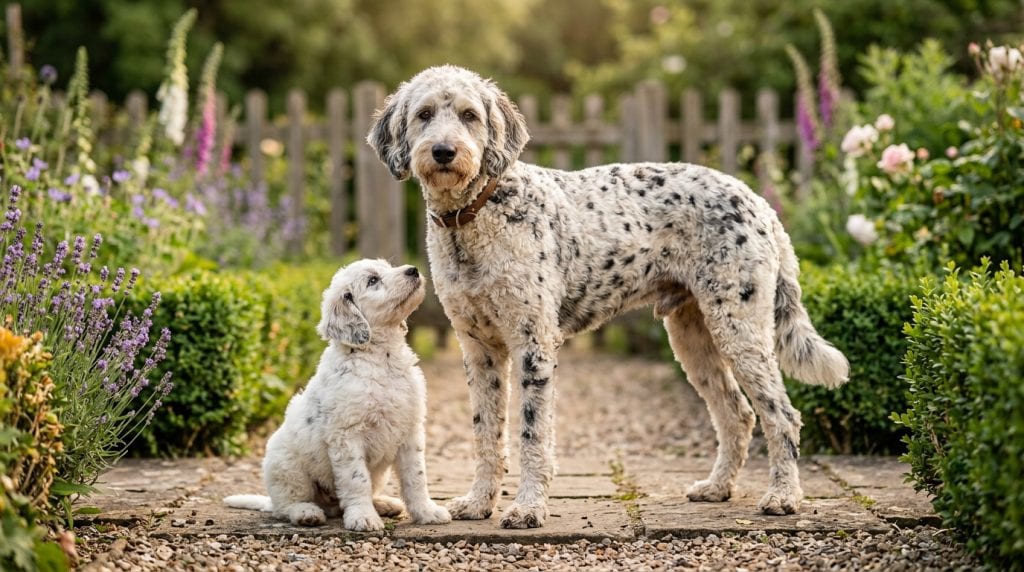
Living with a Dalmadoodle often means sharing your space with a dog that is both curious and engaging. Their playful nature and unique blend of intelligence and energy make them a lively addition to any household. Many owners find that a Dalmadoodle enjoys being part of the family action, whether that's joining in on a brisk walk or lounging nearby during quiet evenings.
At a glance
Core care
- Size: Medium
- Energy: Moderate to high
- Grooming: Low
- Shedding: Moderate
Support style
- Sensitivity: Moderate
- Training style: Willing
Breed guide
Choose a section to explore. These notes describe common patterns, but individual dogs vary widely.
The Dalmadoodle, a delightful cross between the Dalmatian and the Poodle, inherits a fascinating blend of traits from its parent breeds. Historically, Dalmatians were known for their role as carriage dogs, guarding and guiding horses, while Poodles were celebrated for their intelligence and versatility in various working roles. This mix results in a dog that is both alert and adaptable, traits that are evident in their modern-day behaviour.
Physically, Dalmadoodles are medium-sized dogs that often display a unique coat pattern reminiscent of the Dalmatian’s spots, but with the Poodle’s curly texture. This combination not only makes them visually striking but also requires regular grooming to manage their moderate shedding and prevent matting. Their athletic build supports their energetic lifestyle, making them well-suited for families who enjoy outdoor activities.
In terms of temperament, Dalmadoodles are typically friendly and eager to please, reflecting the Poodle’s trainability and the Dalmatian’s sociable nature. Owners often notice their Dalmadoodle’s enthusiasm for learning new tricks and participating in family activities. However, individual personalities can vary, with some dogs showing more of the Poodle’s reserved nature while others exhibit the Dalmatian’s outgoing spirit.
Prospective owners should be prepared for a dog that thrives on interaction and mental stimulation. While many Dalmadoodles are adaptable to various living situations, they generally do best in homes where they receive plenty of attention and exercise. As with any mixed breed, there is a range of traits that might emerge, so understanding and accommodating the individual dog’s needs is key.
Dalmadoodles are often described by their owners as sociable and engaging companions. This breed tends to enjoy being around people and can often be found following family members from room to room, eager to be part of the action. Their social nature is likely a blend of the Dalmatian’s historical role as a companion and the Poodle’s affinity for human interaction.
Behaviourally, Dalmadoodles often exhibit a playful and curious disposition. They are known for their willingness to engage in games and activities, which can be a delightful trait for families with children. Their moderate sensitivity means they can be quite perceptive to their owner’s moods and may respond well to positive reinforcement training methods.
Owners typically notice that Dalmadoodles are quite trainable, thanks to their Poodle heritage. They often pick up commands quickly and enjoy the mental challenge of learning new tricks. However, their energetic nature means they can sometimes become easily distracted, so training sessions should be kept engaging and varied to maintain their interest.
Overall, living with a Dalmadoodle involves embracing their lively and affectionate nature. While they generally adapt well to different environments, individual dogs may vary in their social preferences and energy levels. Understanding these tendencies and providing consistent training and socialisation can help ensure a well-adjusted companion.
A typical day with a Dalmadoodle often involves a good mix of physical activity and mental stimulation. These dogs generally benefit from a couple of brisk walks each day, combined with play sessions that allow them to burn off their considerable energy. Fetch, agility exercises, or even a romp in a safely enclosed area can help satisfy their need for movement.
Given their moderate to high energy levels, Dalmadoodles also thrive on mental enrichment. Puzzle toys, interactive games, and training sessions that challenge their intelligence can keep them engaged and prevent boredom. Owners often find that incorporating new activities regularly helps maintain their dog’s interest and enthusiasm.
As Dalmadoodles age, their exercise needs may change. While puppies and young adults often require more vigorous activity to expend their energy, older dogs might appreciate gentler walks and less strenuous play. It’s important to tailor their exercise routine to their life stage and individual health needs.
Avoiding excessive repetitive exercise is crucial, as it can lead to joint strain, particularly in a breed that may inherit the Dalmatian’s propensity for certain joint issues. By providing a balanced mix of activities and ensuring regular vet check-ups, owners can help their Dalmadoodle stay healthy and happy throughout their life.
Training a Dalmadoodle can be a rewarding experience, often characterised by their eagerness to learn and please. Owners frequently report that these dogs respond well to positive reinforcement techniques, which can help build a strong bond between dog and owner. Their intelligence means they often pick up commands quickly, but consistency is key to reinforcing good behaviour.
Impulse control can sometimes be a challenge, particularly during adolescence when their energy levels are high. Teaching basic commands like ‘sit’, ‘stay’, and ‘leave it’ from a young age can help manage their enthusiasm and ensure they remain manageable as they grow.
The importance of maintaining a consistent training routine cannot be overstated. Regular, short training sessions that incorporate both physical and mental challenges can keep a Dalmadoodle engaged. Owners often find that varying the activities and introducing new commands or tricks can help prevent boredom and reinforce their dog’s willingness to learn.
Building a positive relationship through training is essential for this breed. By understanding their needs and working with their natural tendencies, owners can foster a cooperative and enjoyable training experience. For those new to dog training, enrolling in a course like ‘Puppy Beginnings: Building a Calm Start’ can provide valuable insights and techniques.
Dalmadoodles tend to adapt well to various home environments, provided they receive adequate attention and activity. They often do well in homes with access to a garden or nearby parks where they can expend their energy. However, they can also thrive in urban settings if their exercise needs are met through regular walks and playtime.
Families with children often find Dalmadoodles to be delightful companions, as their playful and gentle nature can make them excellent playmates. It’s important to supervise interactions between dogs and young children to ensure positive experiences for both parties. Teaching children how to interact respectfully with dogs can foster a harmonious relationship.
When it comes to living with other pets, Dalmadoodles generally do well, especially if they are socialised from a young age. They may enjoy the company of another dog, and with proper introductions, can coexist peacefully with cats and other small animals. Each dog’s individual temperament will influence these interactions, so gradual introductions are recommended.
Ultimately, the best home for a Dalmadoodle is one where they are considered part of the family and included in daily activities. Owners who are prepared to invest time in their dog’s exercise, training, and socialisation will likely find a Dalmadoodle to be a rewarding and affectionate addition to their household.
Maintaining a Dalmadoodle’s health is crucial for their overall wellbeing and happiness. Regular veterinary check-ups are important to monitor their health and catch any potential issues early. Like all dogs, they benefit from a balanced diet, regular exercise, and preventive care to keep them in good shape.
Dalmadoodles may be prone to certain health issues inherited from their parent breeds. Dalmatians are known for their susceptibility to urinary stones, so it’s important to ensure they have access to fresh water and a diet that supports urinary health. Poodles can be prone to hip dysplasia and eye conditions, so regular vet visits can help monitor these areas.
Behaviour can also be influenced by health, as discomfort or pain might lead to changes in temperament or activity levels. Owners should be attentive to any signs of distress or behavioural changes and consult a vet if they have concerns. Preventive measures, such as maintaining a healthy weight and providing joint support supplements, can be beneficial.
Overall, being proactive about health care can help ensure a Dalmadoodle leads a long and happy life. Understanding the potential health issues and taking steps to address them early can make a significant difference in their quality of life.
The Dalmadoodle is a relatively recent addition to the world of designer dogs, combining the distinctive traits of the Dalmatian and the Poodle. Dalmatians have a storied history as carriage dogs, known for their stamina and protective instincts. They were often seen running alongside horse-drawn carriages, ensuring the safety of both passengers and horses.
Poodles, on the other hand, have a rich history as versatile working dogs, originally bred for water retrieval. Their intelligence and adaptability made them popular in various roles, from hunting companions to circus performers. This background contributes to the Dalmadoodle’s trainability and eagerness to engage in activities.
The combination of these two breeds results in a dog that is both alert and intelligent, traits that are evident in the Dalmadoodle’s behaviour today. Their history explains their energetic nature and their ability to adapt to different environments and tasks. Owners often notice these traits in their Dalmadoodle’s willingness to participate in family activities and their quick learning ability.
Understanding the Dalmadoodle’s origins helps explain many of the characteristics that owners appreciate. While each dog is unique, the blend of Dalmatian and Poodle traits creates a companion that is both engaging and versatile, making them a popular choice for families looking for an active and intelligent pet.
What shapes individual dogs
- Early social experiences
- Training approach
- Environment & routine
- Genetics & breeding
- Health & pain
- Age / life stage
The Dalmadoodle, a delightful cross between the Dalmatian and the Poodle, inherits a fascinating blend of traits from its parent breeds. Historically, Dalmatians were known for their role as carriage dogs, guarding and guiding horses, while Poodles were celebrated for their intelligence and versatility in various working roles. This mix results in a dog that is both alert and adaptable, traits that are evident in their modern-day behaviour.
Physically, Dalmadoodles are medium-sized dogs that often display a unique coat pattern reminiscent of the Dalmatian’s spots, but with the Poodle’s curly texture. This combination not only makes them visually striking but also requires regular grooming to manage their moderate shedding and prevent matting. Their athletic build supports their energetic lifestyle, making them well-suited for families who enjoy outdoor activities.
In terms of temperament, Dalmadoodles are typically friendly and eager to please, reflecting the Poodle’s trainability and the Dalmatian’s sociable nature. Owners often notice their Dalmadoodle’s enthusiasm for learning new tricks and participating in family activities. However, individual personalities can vary, with some dogs showing more of the Poodle’s reserved nature while others exhibit the Dalmatian’s outgoing spirit.
Prospective owners should be prepared for a dog that thrives on interaction and mental stimulation. While many Dalmadoodles are adaptable to various living situations, they generally do best in homes where they receive plenty of attention and exercise. As with any mixed breed, there is a range of traits that might emerge, so understanding and accommodating the individual dog’s needs is key.
Dalmadoodles are often described by their owners as sociable and engaging companions. This breed tends to enjoy being around people and can often be found following family members from room to room, eager to be part of the action. Their social nature is likely a blend of the Dalmatian’s historical role as a companion and the Poodle’s affinity for human interaction.
Behaviourally, Dalmadoodles often exhibit a playful and curious disposition. They are known for their willingness to engage in games and activities, which can be a delightful trait for families with children. Their moderate sensitivity means they can be quite perceptive to their owner’s moods and may respond well to positive reinforcement training methods.
Owners typically notice that Dalmadoodles are quite trainable, thanks to their Poodle heritage. They often pick up commands quickly and enjoy the mental challenge of learning new tricks. However, their energetic nature means they can sometimes become easily distracted, so training sessions should be kept engaging and varied to maintain their interest.
Overall, living with a Dalmadoodle involves embracing their lively and affectionate nature. While they generally adapt well to different environments, individual dogs may vary in their social preferences and energy levels. Understanding these tendencies and providing consistent training and socialisation can help ensure a well-adjusted companion.
A typical day with a Dalmadoodle often involves a good mix of physical activity and mental stimulation. These dogs generally benefit from a couple of brisk walks each day, combined with play sessions that allow them to burn off their considerable energy. Fetch, agility exercises, or even a romp in a safely enclosed area can help satisfy their need for movement.
Given their moderate to high energy levels, Dalmadoodles also thrive on mental enrichment. Puzzle toys, interactive games, and training sessions that challenge their intelligence can keep them engaged and prevent boredom. Owners often find that incorporating new activities regularly helps maintain their dog’s interest and enthusiasm.
As Dalmadoodles age, their exercise needs may change. While puppies and young adults often require more vigorous activity to expend their energy, older dogs might appreciate gentler walks and less strenuous play. It’s important to tailor their exercise routine to their life stage and individual health needs.
Avoiding excessive repetitive exercise is crucial, as it can lead to joint strain, particularly in a breed that may inherit the Dalmatian’s propensity for certain joint issues. By providing a balanced mix of activities and ensuring regular vet check-ups, owners can help their Dalmadoodle stay healthy and happy throughout their life.
Training a Dalmadoodle can be a rewarding experience, often characterised by their eagerness to learn and please. Owners frequently report that these dogs respond well to positive reinforcement techniques, which can help build a strong bond between dog and owner. Their intelligence means they often pick up commands quickly, but consistency is key to reinforcing good behaviour.
Impulse control can sometimes be a challenge, particularly during adolescence when their energy levels are high. Teaching basic commands like ‘sit’, ‘stay’, and ‘leave it’ from a young age can help manage their enthusiasm and ensure they remain manageable as they grow.
The importance of maintaining a consistent training routine cannot be overstated. Regular, short training sessions that incorporate both physical and mental challenges can keep a Dalmadoodle engaged. Owners often find that varying the activities and introducing new commands or tricks can help prevent boredom and reinforce their dog’s willingness to learn.
Building a positive relationship through training is essential for this breed. By understanding their needs and working with their natural tendencies, owners can foster a cooperative and enjoyable training experience. For those new to dog training, enrolling in a course like ‘Puppy Beginnings: Building a Calm Start’ can provide valuable insights and techniques.
Dalmadoodles tend to adapt well to various home environments, provided they receive adequate attention and activity. They often do well in homes with access to a garden or nearby parks where they can expend their energy. However, they can also thrive in urban settings if their exercise needs are met through regular walks and playtime.
Families with children often find Dalmadoodles to be delightful companions, as their playful and gentle nature can make them excellent playmates. It’s important to supervise interactions between dogs and young children to ensure positive experiences for both parties. Teaching children how to interact respectfully with dogs can foster a harmonious relationship.
When it comes to living with other pets, Dalmadoodles generally do well, especially if they are socialised from a young age. They may enjoy the company of another dog, and with proper introductions, can coexist peacefully with cats and other small animals. Each dog’s individual temperament will influence these interactions, so gradual introductions are recommended.
Ultimately, the best home for a Dalmadoodle is one where they are considered part of the family and included in daily activities. Owners who are prepared to invest time in their dog’s exercise, training, and socialisation will likely find a Dalmadoodle to be a rewarding and affectionate addition to their household.
Maintaining a Dalmadoodle’s health is crucial for their overall wellbeing and happiness. Regular veterinary check-ups are important to monitor their health and catch any potential issues early. Like all dogs, they benefit from a balanced diet, regular exercise, and preventive care to keep them in good shape.
Dalmadoodles may be prone to certain health issues inherited from their parent breeds. Dalmatians are known for their susceptibility to urinary stones, so it’s important to ensure they have access to fresh water and a diet that supports urinary health. Poodles can be prone to hip dysplasia and eye conditions, so regular vet visits can help monitor these areas.
Behaviour can also be influenced by health, as discomfort or pain might lead to changes in temperament or activity levels. Owners should be attentive to any signs of distress or behavioural changes and consult a vet if they have concerns. Preventive measures, such as maintaining a healthy weight and providing joint support supplements, can be beneficial.
Overall, being proactive about health care can help ensure a Dalmadoodle leads a long and happy life. Understanding the potential health issues and taking steps to address them early can make a significant difference in their quality of life.
The Dalmadoodle is a relatively recent addition to the world of designer dogs, combining the distinctive traits of the Dalmatian and the Poodle. Dalmatians have a storied history as carriage dogs, known for their stamina and protective instincts. They were often seen running alongside horse-drawn carriages, ensuring the safety of both passengers and horses.
Poodles, on the other hand, have a rich history as versatile working dogs, originally bred for water retrieval. Their intelligence and adaptability made them popular in various roles, from hunting companions to circus performers. This background contributes to the Dalmadoodle’s trainability and eagerness to engage in activities.
The combination of these two breeds results in a dog that is both alert and intelligent, traits that are evident in the Dalmadoodle’s behaviour today. Their history explains their energetic nature and their ability to adapt to different environments and tasks. Owners often notice these traits in their Dalmadoodle’s willingness to participate in family activities and their quick learning ability.
Understanding the Dalmadoodle’s origins helps explain many of the characteristics that owners appreciate. While each dog is unique, the blend of Dalmatian and Poodle traits creates a companion that is both engaging and versatile, making them a popular choice for families looking for an active and intelligent pet.
What shapes individual dogs
- Early social experiences
- Training approach
- Environment & routine
- Genetics & breeding
- Health & pain
- Age / life stage
Want support with this?
This course provides valuable insights and techniques for raising a well-adjusted Dalmadoodle, especially during their formative puppy years.