
Dalmatian
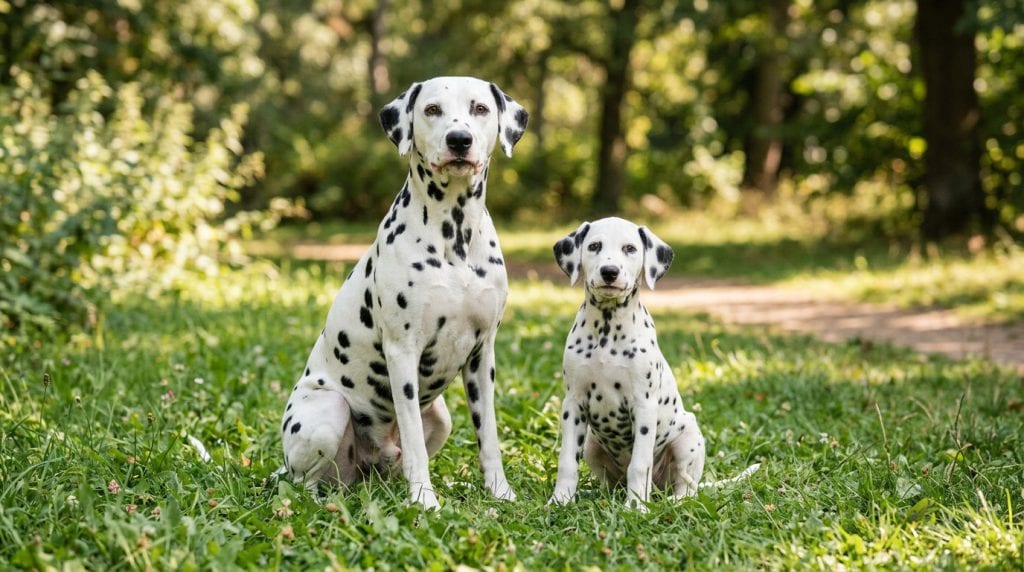
Living with a Dalmatian often means embracing a lively and spirited companion. Known for their distinctive spots, these dogs bring an energetic presence into the home. Many owners find that their Dalmatian thrives on activity and engagement, often seeking out opportunities to be part of the action, whether it's a walk, a game, or simply being near their family.
At a glance
Core care
- Size: Medium
- Energy: High
- Grooming: Low
- Shedding: Moderate
Support style
- Sensitivity: High
- Training style: Moderate
Breed guide
Choose a section to explore. These notes describe common patterns, but individual dogs vary widely.
The Dalmatian’s roots as a carriage dog are deeply woven into its character today. Originally bred to trot alongside horse-drawn carriages, Dalmatians were valued for their endurance and protective instincts. This historical role explains their high energy levels and need for regular physical activity. Many modern Dalmatians still exhibit a strong desire to be on the move, reflecting their past as tireless companions to travellers.
Physically, Dalmatians are medium-sized dogs with a sleek, muscular build that supports their active lifestyle. Their iconic spotted coat is not just for show; it is a nod to their unique heritage. Owners often notice that their Dalmatian’s coat requires minimal grooming, yet regular brushing helps manage moderate shedding. This low-maintenance grooming routine is a practical aspect of living with this breed, making them relatively easy to care for in terms of coat maintenance.
Temperamentally, Dalmatians are known for their spirited and outgoing nature. They tend to be social dogs that enjoy being part of family activities. However, their high sensitivity means they can be quite attuned to their environment and the emotions of those around them. This sensitivity can sometimes manifest as a need for reassurance, especially in unfamiliar situations. Owners often find that their Dalmatians thrive in environments where they receive consistent interaction and positive reinforcement.
While Dalmatians have distinct traits, it’s important to remember that individual dogs can vary widely. Factors such as genetics, early socialisation, and daily experiences all play a role in shaping a Dalmatian’s personality. Prospective owners should be prepared for a dog that may require patience and understanding, as each Dalmatian brings its own unique blend of characteristics to the family dynamic.
Dalmatians are often described as social butterflies, eager to engage with their human companions and the world around them. This social nature is a legacy of their history as carriage dogs, where they were required to interact with various people and animals. Owners frequently notice that their Dalmatian enjoys being in the midst of family activities, often following them from room to room, eager to be involved.
This breed’s high sensitivity means they are particularly attuned to the emotions of their family members. Many Dalmatians respond well to positive reinforcement and thrive in environments where they feel secure and loved. However, this sensitivity can also mean they are more prone to anxiety if left alone for long periods or if their routine changes suddenly. Owners often find that establishing a consistent routine helps their Dalmatian feel more secure and content.
Training a Dalmatian can be both rewarding and challenging. Their moderate trainability means they are capable learners, but they may also exhibit a streak of independence. This independence is often balanced by their desire to please, making positive reinforcement techniques particularly effective. Many owners find that patience and consistency are key when working with their Dalmatian, especially during adolescence when they may test boundaries.
Understanding the Dalmatian’s social motivations can help owners create a harmonious living environment. These dogs often form strong bonds with their families, and their loyalty is evident in their protective instincts. While they may be wary of strangers initially, with proper socialisation, they can become friendly and well-adjusted companions. As with any breed, individual temperament can vary, so it’s important for owners to tailor their approach to their specific dog’s needs.
A typical day for a Dalmatian involves plenty of physical activity to match their high energy levels. Many owners find that their Dalmatian thrives on long walks, runs, or play sessions in a secure area. This breed’s historical role as a carriage dog means they have the stamina to keep going, and they often enjoy activities that challenge them both physically and mentally.
In addition to physical exercise, mental enrichment is crucial for a Dalmatian’s wellbeing. Puzzle toys, training sessions, and interactive games can help keep their minds engaged. Owners often notice that their Dalmatian is happiest when they have a ‘job’ to do, whether it’s fetching a ball or learning new tricks. Providing a variety of activities can help prevent boredom and the potential for destructive behaviour.
As Dalmatians age, their exercise needs may change, but they often retain a playful spirit well into their senior years. It’s important for owners to adjust the intensity and duration of activities to suit their dog’s age and health. Regular veterinary check-ups can help ensure that exercise routines remain appropriate as the dog matures.
While Dalmatians are energetic, it’s important to avoid over-exercising young puppies, as their developing joints can be sensitive. Gradually increasing activity levels as they grow can help prevent injury. Owners should also be mindful of their Dalmatian’s sensitivity to extreme temperatures, ensuring they are not overexerted in hot or cold weather. By balancing exercise with rest and mental stimulation, owners can help their Dalmatian lead a healthy and fulfilling life.
Training a Dalmatian often feels like a journey of discovery for both the dog and the owner. These dogs are intelligent and eager to learn, but their independent streak can sometimes make training a test of patience. Many owners find that a calm, consistent approach with plenty of positive reinforcement works best.
Impulse control can be a challenge, particularly during adolescence when Dalmatians may test boundaries. Teaching basic commands such as ‘sit’, ‘stay’, and ‘come’ can provide a foundation for managing their exuberance. Owners often notice that their Dalmatian responds well to training sessions that are short, engaging, and varied, keeping their interest piqued.
Building a strong relationship based on trust and mutual respect is key to successful training. Dalmatians are sensitive to their owner’s emotions, so a positive, encouraging tone can make a significant difference. Many owners find that incorporating training into daily routines, such as during walks or playtime, helps reinforce desired behaviours in a natural setting.
For those new to the breed or facing specific challenges, enrolling in a training class or seeking guidance from a professional trainer can be beneficial. The course ‘Understand Your Dog: Dog Psychology for Beginners’ can provide valuable insights into the Dalmatian’s unique temperament and help owners develop effective training strategies. With patience and consistency, training can become a rewarding experience that strengthens the bond between owner and dog.
Dalmatians tend to thrive in homes where they have plenty of space to move and play. They are well-suited to active households that can provide the exercise and engagement they need. Many owners find that a secure garden offers an ideal environment for their Dalmatian to burn off energy and explore safely.
While Dalmatians are adaptable, they may not be the best fit for very small living spaces unless they receive ample outdoor exercise. Their energetic nature means they often do best in homes where they can be part of daily activities and have opportunities for regular outings. Owners often notice that their Dalmatian enjoys being involved in family life, whether it’s joining in on walks or simply being nearby.
When it comes to living with children and other pets, Dalmatians can be wonderful companions. Their playful nature often makes them a hit with kids, and they can form strong bonds with other animals if properly socialised. However, their high energy levels mean they may be better suited to families with older children who can handle their exuberance.
Ultimately, the Dalmatian’s suitability for a particular home depends on the owner’s lifestyle and ability to meet the dog’s needs. Prospective owners should consider whether they can provide the time, attention, and activity that a Dalmatian requires. By understanding the breed’s tendencies and being prepared for the commitment, owners can create a harmonious living environment for both themselves and their Dalmatian.
The overall health of a Dalmatian is closely tied to their everyday wellbeing. Regular exercise, a balanced diet, and routine veterinary care are essential components of maintaining their health. Many owners find that a proactive approach to health care helps their Dalmatian lead a long and happy life.
Dalmatians are prone to certain breed-specific health issues, such as urinary stones and deafness. Regular veterinary check-ups can help monitor and manage these conditions. Owners often find that a diet low in purines can help reduce the risk of urinary stones, while early hearing tests can identify any hearing impairments.
Preventive care is crucial for managing potential health concerns. Regular dental care, vaccinations, and parasite prevention are important aspects of a Dalmatian’s health routine. Owners should also be vigilant for any changes in their dog’s behaviour or physical condition, as these can sometimes indicate underlying health issues.
If a Dalmatian shows signs of discomfort or illness, seeking veterinary advice promptly is important. Many health issues can be managed effectively with early intervention. By staying informed about their Dalmatian’s health needs and working closely with a veterinarian, owners can help ensure their dog enjoys a good quality of life.
The Dalmatian’s history is as distinctive as its spotted coat, with origins that trace back to the region of Dalmatia in modern-day Croatia. This breed has long been associated with a variety of roles, from war dogs to hunters, but it is their role as carriage dogs that has left a lasting impact on their character.
In the 18th and 19th centuries, Dalmatians were used to trot alongside horse-drawn carriages, serving both as protectors and status symbols. Their presence helped to clear the path and deter threats, showcasing their endurance and alertness. This historical role has shaped the Dalmatian’s need for exercise and their keen awareness of their surroundings.
As the breed developed, Dalmatians became popular in other roles, including as firehouse mascots and performers in circuses. Their striking appearance and intelligence made them favourites in these settings, further cementing their place in popular culture. Many modern Dalmatians still exhibit the traits that made them successful in these roles, such as their sociability and eagerness to engage with people.
Understanding the Dalmatian’s history provides insight into their modern-day behaviour. Their need for activity, social interaction, and mental stimulation can all be traced back to their working origins. For owners, appreciating this history can enhance their understanding of what makes their Dalmatian tick, helping to create a fulfilling life for both dog and owner.
What shapes individual dogs
- Early social experiences
- Training approach
- Environment & routine
- Genetics & breeding
- Health & pain
- Age / life stage
The Dalmatian’s roots as a carriage dog are deeply woven into its character today. Originally bred to trot alongside horse-drawn carriages, Dalmatians were valued for their endurance and protective instincts. This historical role explains their high energy levels and need for regular physical activity. Many modern Dalmatians still exhibit a strong desire to be on the move, reflecting their past as tireless companions to travellers.
Physically, Dalmatians are medium-sized dogs with a sleek, muscular build that supports their active lifestyle. Their iconic spotted coat is not just for show; it is a nod to their unique heritage. Owners often notice that their Dalmatian’s coat requires minimal grooming, yet regular brushing helps manage moderate shedding. This low-maintenance grooming routine is a practical aspect of living with this breed, making them relatively easy to care for in terms of coat maintenance.
Temperamentally, Dalmatians are known for their spirited and outgoing nature. They tend to be social dogs that enjoy being part of family activities. However, their high sensitivity means they can be quite attuned to their environment and the emotions of those around them. This sensitivity can sometimes manifest as a need for reassurance, especially in unfamiliar situations. Owners often find that their Dalmatians thrive in environments where they receive consistent interaction and positive reinforcement.
While Dalmatians have distinct traits, it’s important to remember that individual dogs can vary widely. Factors such as genetics, early socialisation, and daily experiences all play a role in shaping a Dalmatian’s personality. Prospective owners should be prepared for a dog that may require patience and understanding, as each Dalmatian brings its own unique blend of characteristics to the family dynamic.
Dalmatians are often described as social butterflies, eager to engage with their human companions and the world around them. This social nature is a legacy of their history as carriage dogs, where they were required to interact with various people and animals. Owners frequently notice that their Dalmatian enjoys being in the midst of family activities, often following them from room to room, eager to be involved.
This breed’s high sensitivity means they are particularly attuned to the emotions of their family members. Many Dalmatians respond well to positive reinforcement and thrive in environments where they feel secure and loved. However, this sensitivity can also mean they are more prone to anxiety if left alone for long periods or if their routine changes suddenly. Owners often find that establishing a consistent routine helps their Dalmatian feel more secure and content.
Training a Dalmatian can be both rewarding and challenging. Their moderate trainability means they are capable learners, but they may also exhibit a streak of independence. This independence is often balanced by their desire to please, making positive reinforcement techniques particularly effective. Many owners find that patience and consistency are key when working with their Dalmatian, especially during adolescence when they may test boundaries.
Understanding the Dalmatian’s social motivations can help owners create a harmonious living environment. These dogs often form strong bonds with their families, and their loyalty is evident in their protective instincts. While they may be wary of strangers initially, with proper socialisation, they can become friendly and well-adjusted companions. As with any breed, individual temperament can vary, so it’s important for owners to tailor their approach to their specific dog’s needs.
A typical day for a Dalmatian involves plenty of physical activity to match their high energy levels. Many owners find that their Dalmatian thrives on long walks, runs, or play sessions in a secure area. This breed’s historical role as a carriage dog means they have the stamina to keep going, and they often enjoy activities that challenge them both physically and mentally.
In addition to physical exercise, mental enrichment is crucial for a Dalmatian’s wellbeing. Puzzle toys, training sessions, and interactive games can help keep their minds engaged. Owners often notice that their Dalmatian is happiest when they have a ‘job’ to do, whether it’s fetching a ball or learning new tricks. Providing a variety of activities can help prevent boredom and the potential for destructive behaviour.
As Dalmatians age, their exercise needs may change, but they often retain a playful spirit well into their senior years. It’s important for owners to adjust the intensity and duration of activities to suit their dog’s age and health. Regular veterinary check-ups can help ensure that exercise routines remain appropriate as the dog matures.
While Dalmatians are energetic, it’s important to avoid over-exercising young puppies, as their developing joints can be sensitive. Gradually increasing activity levels as they grow can help prevent injury. Owners should also be mindful of their Dalmatian’s sensitivity to extreme temperatures, ensuring they are not overexerted in hot or cold weather. By balancing exercise with rest and mental stimulation, owners can help their Dalmatian lead a healthy and fulfilling life.
Training a Dalmatian often feels like a journey of discovery for both the dog and the owner. These dogs are intelligent and eager to learn, but their independent streak can sometimes make training a test of patience. Many owners find that a calm, consistent approach with plenty of positive reinforcement works best.
Impulse control can be a challenge, particularly during adolescence when Dalmatians may test boundaries. Teaching basic commands such as ‘sit’, ‘stay’, and ‘come’ can provide a foundation for managing their exuberance. Owners often notice that their Dalmatian responds well to training sessions that are short, engaging, and varied, keeping their interest piqued.
Building a strong relationship based on trust and mutual respect is key to successful training. Dalmatians are sensitive to their owner’s emotions, so a positive, encouraging tone can make a significant difference. Many owners find that incorporating training into daily routines, such as during walks or playtime, helps reinforce desired behaviours in a natural setting.
For those new to the breed or facing specific challenges, enrolling in a training class or seeking guidance from a professional trainer can be beneficial. The course ‘Understand Your Dog: Dog Psychology for Beginners’ can provide valuable insights into the Dalmatian’s unique temperament and help owners develop effective training strategies. With patience and consistency, training can become a rewarding experience that strengthens the bond between owner and dog.
Dalmatians tend to thrive in homes where they have plenty of space to move and play. They are well-suited to active households that can provide the exercise and engagement they need. Many owners find that a secure garden offers an ideal environment for their Dalmatian to burn off energy and explore safely.
While Dalmatians are adaptable, they may not be the best fit for very small living spaces unless they receive ample outdoor exercise. Their energetic nature means they often do best in homes where they can be part of daily activities and have opportunities for regular outings. Owners often notice that their Dalmatian enjoys being involved in family life, whether it’s joining in on walks or simply being nearby.
When it comes to living with children and other pets, Dalmatians can be wonderful companions. Their playful nature often makes them a hit with kids, and they can form strong bonds with other animals if properly socialised. However, their high energy levels mean they may be better suited to families with older children who can handle their exuberance.
Ultimately, the Dalmatian’s suitability for a particular home depends on the owner’s lifestyle and ability to meet the dog’s needs. Prospective owners should consider whether they can provide the time, attention, and activity that a Dalmatian requires. By understanding the breed’s tendencies and being prepared for the commitment, owners can create a harmonious living environment for both themselves and their Dalmatian.
The overall health of a Dalmatian is closely tied to their everyday wellbeing. Regular exercise, a balanced diet, and routine veterinary care are essential components of maintaining their health. Many owners find that a proactive approach to health care helps their Dalmatian lead a long and happy life.
Dalmatians are prone to certain breed-specific health issues, such as urinary stones and deafness. Regular veterinary check-ups can help monitor and manage these conditions. Owners often find that a diet low in purines can help reduce the risk of urinary stones, while early hearing tests can identify any hearing impairments.
Preventive care is crucial for managing potential health concerns. Regular dental care, vaccinations, and parasite prevention are important aspects of a Dalmatian’s health routine. Owners should also be vigilant for any changes in their dog’s behaviour or physical condition, as these can sometimes indicate underlying health issues.
If a Dalmatian shows signs of discomfort or illness, seeking veterinary advice promptly is important. Many health issues can be managed effectively with early intervention. By staying informed about their Dalmatian’s health needs and working closely with a veterinarian, owners can help ensure their dog enjoys a good quality of life.
The Dalmatian’s history is as distinctive as its spotted coat, with origins that trace back to the region of Dalmatia in modern-day Croatia. This breed has long been associated with a variety of roles, from war dogs to hunters, but it is their role as carriage dogs that has left a lasting impact on their character.
In the 18th and 19th centuries, Dalmatians were used to trot alongside horse-drawn carriages, serving both as protectors and status symbols. Their presence helped to clear the path and deter threats, showcasing their endurance and alertness. This historical role has shaped the Dalmatian’s need for exercise and their keen awareness of their surroundings.
As the breed developed, Dalmatians became popular in other roles, including as firehouse mascots and performers in circuses. Their striking appearance and intelligence made them favourites in these settings, further cementing their place in popular culture. Many modern Dalmatians still exhibit the traits that made them successful in these roles, such as their sociability and eagerness to engage with people.
Understanding the Dalmatian’s history provides insight into their modern-day behaviour. Their need for activity, social interaction, and mental stimulation can all be traced back to their working origins. For owners, appreciating this history can enhance their understanding of what makes their Dalmatian tick, helping to create a fulfilling life for both dog and owner.
What shapes individual dogs
- Early social experiences
- Training approach
- Environment & routine
- Genetics & breeding
- Health & pain
- Age / life stage
Want support with this?
This course can provide valuable insights into the Dalmatian's unique temperament and help owners develop effective training strategies.