
Chihuahua
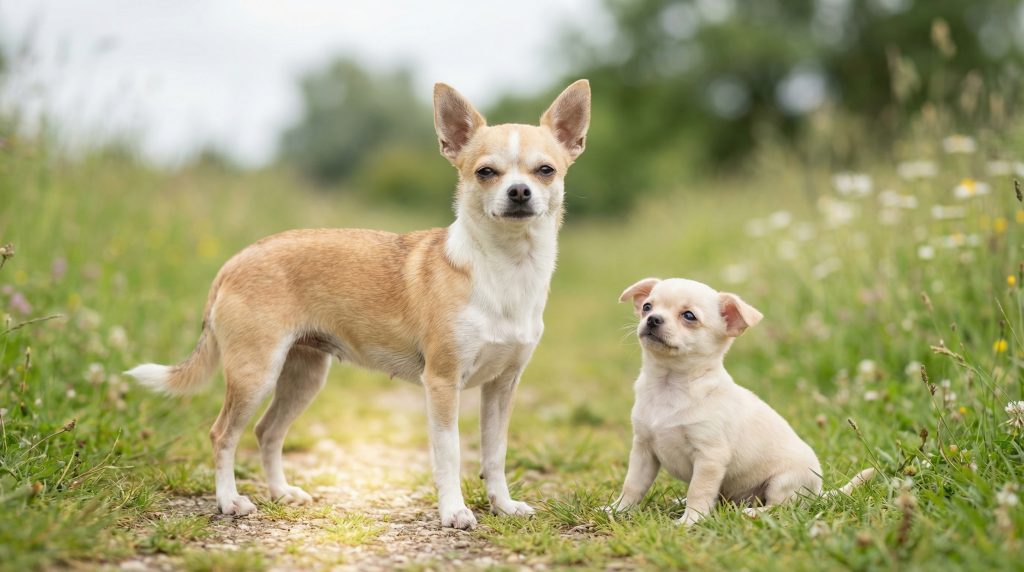
Chihuahuas are known for their big personalities packed into a tiny frame. They often form strong bonds with their owners, making them loyal companions who enjoy being involved in daily activities. Despite their size, they can be quite spirited and alert, often acting as little guardians of their home.
At a glance
Core care
- Size: Toy
- Energy: Moderate to high
- Grooming: Low
- Shedding: Low
Support style
- Sensitivity: High
- Training style: Independent
Breed guide
Choose a section to explore. These notes describe common patterns, but individual dogs vary widely.
The Chihuahua’s history is as intriguing as its personality. Originating from Mexico, this breed is believed to descend from the Techichi, a small dog kept by the ancient Toltec civilization. Over time, the Chihuahua has evolved from a companion of ancient peoples to a beloved pet in modern households. This historical context helps explain their strong attachment to their human families and their sometimes feisty demeanor.
Physically, Chihuahuas are unmistakably small, often weighing no more than a few kilograms. Their diminutive size makes them well-suited to apartment living, as they don’t require much space to move around. However, their size also means they can be more vulnerable to injury, so owners often find themselves being extra cautious, especially around larger dogs or when outdoors.
Temperamentally, Chihuahuas are known for their spirited nature. Many owners note their dog’s tendency to be both affectionate and alert, often acting as a tiny watchdog. Despite their independent streak, they usually thrive on human interaction and can become quite attached to their families. This attachment can sometimes manifest as a protective nature, which is endearing but may require gentle guidance to ensure they don’t become overly possessive.
It’s important to remember that while Chihuahuas share common breed traits, each dog is an individual. Factors such as genetics, socialization, and environment play significant roles in shaping their behaviour. Prospective owners should be prepared for a dog that may surprise them with its unique personality, even if it generally aligns with the breed’s typical characteristics.
Chihuahuas are often described as having a larger-than-life presence despite their small stature. Many owners notice their Chihuahua’s keen interest in their surroundings and a tendency to be quite vocal, especially when something catches their attention. This alertness stems from their instinctual role as watchdogs, a trait that can be both charming and occasionally challenging.
Their social nature means that Chihuahuas often form strong bonds with their human families. They tend to be affectionate and enjoy being involved in household activities, often following their owners from room to room. This desire for companionship can lead to separation anxiety if they are left alone for long periods, so it’s important for owners to gradually acclimate them to being alone.
Chihuahuas are known for their high sensitivity, which means they can be quite responsive to their environment and the emotions of those around them. This sensitivity can make them excellent companions for those who appreciate a dog that is in tune with their feelings. However, it also means that they may react strongly to loud noises or chaotic environments, preferring a calm and stable home setting.
Training a Chihuahua can sometimes be a test of patience due to their independent nature. While they are intelligent and capable of learning a variety of commands, they may not always see the point in following them. Positive reinforcement and consistency are key to successful training, helping to build a trusting relationship that encourages cooperation.
A typical day for a Chihuahua involves a balance of activity and relaxation. Despite their small size, they have moderate to high energy levels and enjoy short bursts of play and exploration. Daily walks are beneficial, not just for physical exercise but also for mental stimulation, as they love to sniff and investigate their surroundings.
Chihuahuas thrive on interactive play, which can include games of fetch with small toys or engaging in puzzle toys that challenge their minds. These activities not only help expend energy but also strengthen the bond between the dog and its owner. It’s important to remember that while they enjoy activity, their small size means they can tire easily, so exercise should be balanced with plenty of rest.
As Chihuahuas age, their exercise needs may change. Older Chihuahuas might not require as much physical activity as their younger counterparts, but they still benefit from gentle walks and mental enrichment to keep them engaged. Owners should be attentive to their dog’s energy levels and adjust their routines accordingly.
It’s crucial to avoid over-exercising a Chihuahua, particularly in hot weather, as they can be prone to overheating. Providing a safe, comfortable environment for play and ensuring they have access to water and shade is essential. By paying attention to their individual needs, owners can ensure their Chihuahua remains healthy and happy throughout their life.
Training a Chihuahua often feels like a dance of patience and persistence. Their independent streak means they might not always be eager to follow commands, but with the right approach, they can learn effectively. Many owners find that using positive reinforcement techniques, such as treats and praise, works well to motivate their Chihuahua.
Impulse control can be a challenge, especially given their tendency to react quickly to stimuli. Teaching basic commands like ‘sit’ and ‘stay’ can help manage their impulses and provide structure. It’s important to start training early and maintain consistency, as Chihuahuas can be quite clever at testing boundaries.
Adolescence in Chihuahuas, as with many breeds, can bring its own set of challenges. During this stage, they may become more stubborn or test limits. Patience and understanding are key, along with maintaining a consistent training routine to reinforce good behaviour. Socialization is also crucial during this period to help them become well-adjusted adults.
Building a strong relationship based on trust and respect is fundamental when training a Chihuahua. They respond well to owners who are calm and patient, making training sessions a positive experience. By focusing on building a bond and understanding their unique personality, owners can navigate the training process more effectively.
Chihuahuas are well-suited to a variety of living environments, from city apartments to suburban homes. Their small size means they don’t require much space, making them ideal for those with limited living areas. However, they do appreciate having a designated space of their own, such as a cozy bed or a small crate, where they can retreat and feel secure.
Many owners find that Chihuahuas adapt well to households with adults or older children who understand how to interact gently with small dogs. Their delicate frame means they can be easily injured by rough play, so supervision is important around young children. Chihuahuas can also coexist with other pets, but introductions should be managed carefully to ensure all animals feel comfortable and safe.
Chihuahuas thrive in environments where they receive plenty of attention and interaction. They often enjoy being the center of their owner’s world and may not do well if left alone for extended periods. For those who work long hours, arranging for a pet sitter or dog walker can help meet their social needs.
While they are adaptable, prospective owners should consider whether their lifestyle can accommodate a dog that craves companionship and can be quite vocal. Understanding these tendencies can help ensure a harmonious living situation for both the Chihuahua and their human family.
Health is a key component of a Chihuahua’s overall wellbeing, and attentive care can help them lead long, healthy lives. Regular veterinary check-ups are essential to monitor their health and catch any potential issues early. Chihuahuas are generally healthy, but like all breeds, they can be prone to certain health conditions.
Common health considerations for Chihuahuas include dental disease, patellar luxation, and heart issues. Dental care is particularly important, as their small mouths can lead to overcrowding of teeth, increasing the risk of dental problems. Regular tooth brushing and dental check-ups can help prevent these issues.
Chihuahuas can also be sensitive to cold weather due to their small size and low body fat. Owners often find that providing a warm coat during colder months helps keep them comfortable. Additionally, maintaining a healthy diet and weight is crucial, as obesity can exacerbate health problems.
Preventive care, including vaccinations, parasite control, and regular health checks, plays a significant role in keeping a Chihuahua healthy. Being observant of any changes in behaviour or physical condition and consulting a vet when concerns arise can help ensure they remain in good health throughout their life.
The Chihuahua’s origins are steeped in history, tracing back to ancient Mexico. It is believed that they descended from the Techichi, a companion dog of the Toltec civilization. These small dogs were highly valued and often depicted in ancient art and pottery, signifying their importance in society.
As time passed, the Techichi was likely bred with small hairless dogs from Asia, resulting in the modern Chihuahua. This breed was named after the Mexican state of Chihuahua, where they were discovered in the mid-19th century. Their journey from ancient companion to modern pet reflects a long-standing human appreciation for their unique qualities.
The Chihuahua’s role as a companion has remained consistent throughout history. Their small size and affectionate nature made them ideal household pets, a trait that continues to endear them to families worldwide. Their historical role as a companion animal helps explain their strong attachment to their human families and their desire to be involved in daily life.
Understanding the Chihuahua’s history provides insight into their modern characteristics. Their alertness and vocal nature can be traced back to their role as watchdogs, while their affectionate and loyal disposition reflects their long-standing bond with humans. This rich history is a testament to the enduring appeal of the Chihuahua as a beloved companion.
What shapes individual dogs
- Early social experiences
- Training approach
- Environment & routine
- Genetics & breeding
- Health & pain
- Age / life stage
The Chihuahua’s history is as intriguing as its personality. Originating from Mexico, this breed is believed to descend from the Techichi, a small dog kept by the ancient Toltec civilization. Over time, the Chihuahua has evolved from a companion of ancient peoples to a beloved pet in modern households. This historical context helps explain their strong attachment to their human families and their sometimes feisty demeanor.
Physically, Chihuahuas are unmistakably small, often weighing no more than a few kilograms. Their diminutive size makes them well-suited to apartment living, as they don’t require much space to move around. However, their size also means they can be more vulnerable to injury, so owners often find themselves being extra cautious, especially around larger dogs or when outdoors.
Temperamentally, Chihuahuas are known for their spirited nature. Many owners note their dog’s tendency to be both affectionate and alert, often acting as a tiny watchdog. Despite their independent streak, they usually thrive on human interaction and can become quite attached to their families. This attachment can sometimes manifest as a protective nature, which is endearing but may require gentle guidance to ensure they don’t become overly possessive.
It’s important to remember that while Chihuahuas share common breed traits, each dog is an individual. Factors such as genetics, socialization, and environment play significant roles in shaping their behaviour. Prospective owners should be prepared for a dog that may surprise them with its unique personality, even if it generally aligns with the breed’s typical characteristics.
Chihuahuas are often described as having a larger-than-life presence despite their small stature. Many owners notice their Chihuahua’s keen interest in their surroundings and a tendency to be quite vocal, especially when something catches their attention. This alertness stems from their instinctual role as watchdogs, a trait that can be both charming and occasionally challenging.
Their social nature means that Chihuahuas often form strong bonds with their human families. They tend to be affectionate and enjoy being involved in household activities, often following their owners from room to room. This desire for companionship can lead to separation anxiety if they are left alone for long periods, so it’s important for owners to gradually acclimate them to being alone.
Chihuahuas are known for their high sensitivity, which means they can be quite responsive to their environment and the emotions of those around them. This sensitivity can make them excellent companions for those who appreciate a dog that is in tune with their feelings. However, it also means that they may react strongly to loud noises or chaotic environments, preferring a calm and stable home setting.
Training a Chihuahua can sometimes be a test of patience due to their independent nature. While they are intelligent and capable of learning a variety of commands, they may not always see the point in following them. Positive reinforcement and consistency are key to successful training, helping to build a trusting relationship that encourages cooperation.
A typical day for a Chihuahua involves a balance of activity and relaxation. Despite their small size, they have moderate to high energy levels and enjoy short bursts of play and exploration. Daily walks are beneficial, not just for physical exercise but also for mental stimulation, as they love to sniff and investigate their surroundings.
Chihuahuas thrive on interactive play, which can include games of fetch with small toys or engaging in puzzle toys that challenge their minds. These activities not only help expend energy but also strengthen the bond between the dog and its owner. It’s important to remember that while they enjoy activity, their small size means they can tire easily, so exercise should be balanced with plenty of rest.
As Chihuahuas age, their exercise needs may change. Older Chihuahuas might not require as much physical activity as their younger counterparts, but they still benefit from gentle walks and mental enrichment to keep them engaged. Owners should be attentive to their dog’s energy levels and adjust their routines accordingly.
It’s crucial to avoid over-exercising a Chihuahua, particularly in hot weather, as they can be prone to overheating. Providing a safe, comfortable environment for play and ensuring they have access to water and shade is essential. By paying attention to their individual needs, owners can ensure their Chihuahua remains healthy and happy throughout their life.
Training a Chihuahua often feels like a dance of patience and persistence. Their independent streak means they might not always be eager to follow commands, but with the right approach, they can learn effectively. Many owners find that using positive reinforcement techniques, such as treats and praise, works well to motivate their Chihuahua.
Impulse control can be a challenge, especially given their tendency to react quickly to stimuli. Teaching basic commands like ‘sit’ and ‘stay’ can help manage their impulses and provide structure. It’s important to start training early and maintain consistency, as Chihuahuas can be quite clever at testing boundaries.
Adolescence in Chihuahuas, as with many breeds, can bring its own set of challenges. During this stage, they may become more stubborn or test limits. Patience and understanding are key, along with maintaining a consistent training routine to reinforce good behaviour. Socialization is also crucial during this period to help them become well-adjusted adults.
Building a strong relationship based on trust and respect is fundamental when training a Chihuahua. They respond well to owners who are calm and patient, making training sessions a positive experience. By focusing on building a bond and understanding their unique personality, owners can navigate the training process more effectively.
Chihuahuas are well-suited to a variety of living environments, from city apartments to suburban homes. Their small size means they don’t require much space, making them ideal for those with limited living areas. However, they do appreciate having a designated space of their own, such as a cozy bed or a small crate, where they can retreat and feel secure.
Many owners find that Chihuahuas adapt well to households with adults or older children who understand how to interact gently with small dogs. Their delicate frame means they can be easily injured by rough play, so supervision is important around young children. Chihuahuas can also coexist with other pets, but introductions should be managed carefully to ensure all animals feel comfortable and safe.
Chihuahuas thrive in environments where they receive plenty of attention and interaction. They often enjoy being the center of their owner’s world and may not do well if left alone for extended periods. For those who work long hours, arranging for a pet sitter or dog walker can help meet their social needs.
While they are adaptable, prospective owners should consider whether their lifestyle can accommodate a dog that craves companionship and can be quite vocal. Understanding these tendencies can help ensure a harmonious living situation for both the Chihuahua and their human family.
Health is a key component of a Chihuahua’s overall wellbeing, and attentive care can help them lead long, healthy lives. Regular veterinary check-ups are essential to monitor their health and catch any potential issues early. Chihuahuas are generally healthy, but like all breeds, they can be prone to certain health conditions.
Common health considerations for Chihuahuas include dental disease, patellar luxation, and heart issues. Dental care is particularly important, as their small mouths can lead to overcrowding of teeth, increasing the risk of dental problems. Regular tooth brushing and dental check-ups can help prevent these issues.
Chihuahuas can also be sensitive to cold weather due to their small size and low body fat. Owners often find that providing a warm coat during colder months helps keep them comfortable. Additionally, maintaining a healthy diet and weight is crucial, as obesity can exacerbate health problems.
Preventive care, including vaccinations, parasite control, and regular health checks, plays a significant role in keeping a Chihuahua healthy. Being observant of any changes in behaviour or physical condition and consulting a vet when concerns arise can help ensure they remain in good health throughout their life.
The Chihuahua’s origins are steeped in history, tracing back to ancient Mexico. It is believed that they descended from the Techichi, a companion dog of the Toltec civilization. These small dogs were highly valued and often depicted in ancient art and pottery, signifying their importance in society.
As time passed, the Techichi was likely bred with small hairless dogs from Asia, resulting in the modern Chihuahua. This breed was named after the Mexican state of Chihuahua, where they were discovered in the mid-19th century. Their journey from ancient companion to modern pet reflects a long-standing human appreciation for their unique qualities.
The Chihuahua’s role as a companion has remained consistent throughout history. Their small size and affectionate nature made them ideal household pets, a trait that continues to endear them to families worldwide. Their historical role as a companion animal helps explain their strong attachment to their human families and their desire to be involved in daily life.
Understanding the Chihuahua’s history provides insight into their modern characteristics. Their alertness and vocal nature can be traced back to their role as watchdogs, while their affectionate and loyal disposition reflects their long-standing bond with humans. This rich history is a testament to the enduring appeal of the Chihuahua as a beloved companion.
What shapes individual dogs
- Early social experiences
- Training approach
- Environment & routine
- Genetics & breeding
- Health & pain
- Age / life stage
Want support with this?
This course is relevant for Chihuahua owners to better understand their dog's complex temperament and high sensitivity.