
Maltese
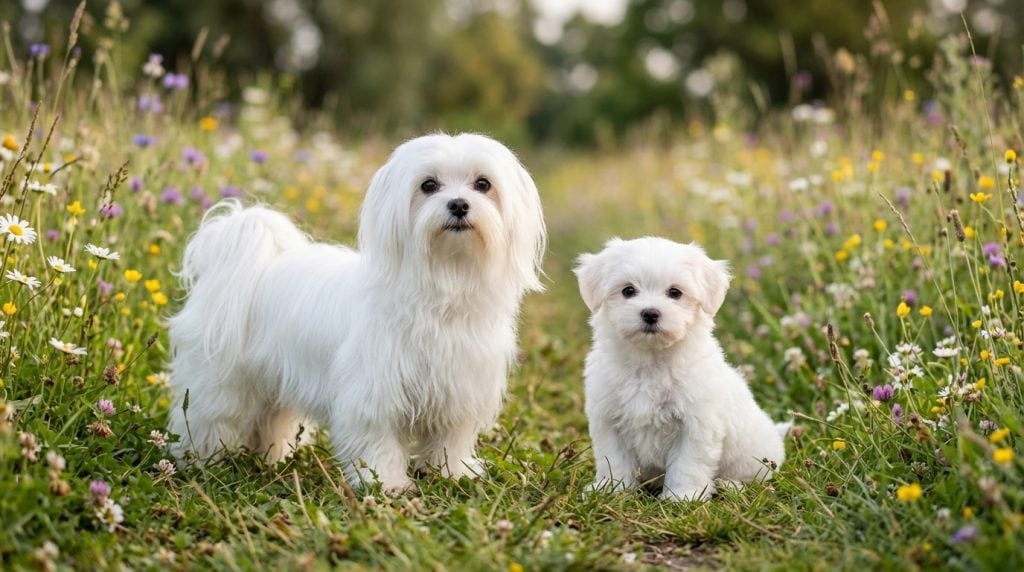
Living with a Maltese often means sharing your space with a lively yet affectionate companion. Their small size belies a big personality, and they frequently seek out the company of their favourite people. Known for their gentle nature, Maltese dogs can bring warmth and joy to any home, thriving on interaction and being part of the family.
At a glance
Core care
- Size: Toy
- Energy: Moderate
- Grooming: Low
- Shedding: Minimal
Support style
- Sensitivity: High
- Training style: Willing
Breed guide
Choose a section to explore. These notes describe common patterns, but individual dogs vary widely.
Maltese dogs are often recognised for their affectionate temperament and their tendency to stay close to the people they live with. Many owners notice how naturally these small dogs become part of everyday routines, often settling nearby or following family members from room to room. Their strong attachment to people reflects centuries of breeding as companion animals.
Physically, the Maltese is a small, delicate dog with a silky white coat that requires regular grooming to maintain its appearance. Their compact size makes them well-suited for apartment living, though they still appreciate opportunities to explore and play. Despite their small stature, many Maltese carry themselves with a quiet confidence and graceful presence.
Temperamentally, Maltese dogs are known for their gentle and playful nature. They can be spirited and curious, often displaying bursts of energy during playtime. At the same time, many Maltese are quite sensitive to the emotional tone of the household, responding closely to the moods of their owners.
While the breed shares many common tendencies, individual Maltese dogs can vary in personality and social preferences. Some may be outgoing and eager to meet new people, while others are more reserved. Factors such as genetics, early experiences, and environment all contribute to shaping each dog’s character.
Maltese dogs are often described as social butterflies, thriving on interaction with their human companions. Their social nature is a product of their history as companion animals, and they often form strong bonds with their families. Owners frequently notice their Maltese following them from room to room, eager to be part of whatever is happening.
The breed’s high sensitivity means that Maltese dogs are usually very attuned to their owners’ emotions and can be quite empathetic. This sensitivity can be both a strength and a challenge, as they may become anxious if left alone for long periods. Many owners find that their Maltese is happiest when they are included in daily activities, whether it’s a walk in the park or a quiet evening at home.
Trainability is another notable trait of the Maltese. They are generally willing learners, eager to please their owners. Positive reinforcement techniques, such as treats and praise, work well with this breed, as they respond best to gentle guidance. Their intelligence and eagerness to learn can make training a rewarding experience for both dog and owner.
While the Maltese is generally a friendly and adaptable breed, individual dogs may vary in their social preferences and energy levels. Some may be more outgoing and eager to meet new people, while others might be more reserved. It’s important for potential owners to meet a Maltese before bringing one home, to ensure their personalities are a good match.
A typical day for a Maltese includes a balance of moderate exercise and plenty of mental enrichment. Despite their small size, they enjoy a good walk and benefit from regular outings to explore their surroundings. A couple of short walks each day, combined with some playtime in the garden or living room, can help keep them physically fit and mentally stimulated.
Mental enrichment is equally important for this intelligent breed. Puzzle toys, interactive games, and basic training sessions can provide the mental stimulation they crave. Maltese dogs often enjoy learning new tricks, which can be a fun way for owners to bond with their pets while keeping their minds active.
As Maltese dogs age, their exercise needs may change. Older dogs might prefer shorter, more leisurely walks and more time spent resting. However, maintaining a routine that includes some form of daily activity is important for their overall health and wellbeing. Owners should be mindful of their dog’s energy levels and adjust their activities accordingly.
It’s important to note that while Maltese dogs enjoy being active, they are not suited to intense exercise or rough play. Their small size makes them vulnerable to injury, so activities should be tailored to their capabilities. Owners should avoid over-exerting their Maltese, especially in extreme weather conditions, to ensure they remain healthy and happy.
Training a Maltese often feels like a rewarding journey of mutual understanding and cooperation. Their willingness to learn and eagerness to please make them responsive to positive reinforcement methods. Many owners find that their Maltese responds well to treats, praise, and gentle encouragement, making training sessions enjoyable for both parties.
Impulse control can be a focus during training, as Maltese dogs can sometimes become overly excited or anxious in certain situations. Teaching basic commands such as ‘sit’, ‘stay’, and ‘come’ can help manage these tendencies and improve their overall behaviour. Consistency is key, and regular, short training sessions are often more effective than longer, infrequent ones.
Adolescence can bring its own set of challenges, as young Maltese dogs may test boundaries and explore their independence. During this stage, maintaining a calm and patient approach is crucial. Reinforcing positive behaviours and redirecting unwanted ones can help guide them through this developmental phase.
Building a strong relationship based on trust and respect is essential for successful training. Maltese dogs thrive in environments where they feel secure and understood. By focusing on positive interactions and consistent routines, owners can help their Maltese develop into well-mannered and confident companions.
The Maltese often fits well into a variety of home environments, thanks to their adaptable nature and small size. They are well-suited to apartment living, as they don’t require large amounts of space to be happy. However, they do benefit from having access to a safe outdoor area where they can explore and play.
Many owners find that Maltese dogs thrive in homes where they are considered a part of the family. They enjoy being involved in daily activities and often seek out the company of their human companions. This breed tends to do well in households where someone is home for most of the day, as they can become anxious if left alone for long periods.
When it comes to living with children and other pets, Maltese dogs can be quite adaptable. They are generally gentle and patient with children, although supervision is recommended to ensure play remains safe and respectful. With other pets, they often get along well, especially if introduced gradually and with care.
It’s important for potential owners to consider their lifestyle before bringing a Maltese into their home. While they are adaptable, they do best in environments where they receive plenty of attention and interaction. By understanding their needs and tendencies, owners can create a harmonious living situation for both themselves and their Maltese.
The overall health of a Maltese is closely tied to their everyday wellbeing. Regular veterinary check-ups are essential to monitor their health and catch any potential issues early. Preventive care, such as vaccinations and parasite control, plays a crucial role in maintaining their health.
Maltese dogs can be prone to certain health issues, such as dental problems and patellar luxation. Regular dental care, including brushing their teeth and providing dental chews, can help prevent tooth decay and gum disease. Monitoring their weight and ensuring they maintain a healthy diet can also support their joint health.
Their sensitive nature means that stress and anxiety can sometimes manifest in physical symptoms. Owners should be mindful of changes in behaviour or appetite, as these can be indicators of underlying health concerns. Providing a stable and nurturing environment can help mitigate stress-related issues.
If a Maltese shows signs of discomfort or illness, it’s important to seek veterinary advice promptly. Early intervention can often prevent minor issues from becoming more serious. By staying informed about breed-specific health considerations, owners can take proactive steps to ensure their Maltese remains healthy and happy.
The Maltese has a storied history that dates back thousands of years, with origins tracing back to the Mediterranean island of Malta. This breed was highly prized by ancient civilizations, including the Greeks and Romans, for their beauty and companionship. Their role as cherished lapdogs for royalty and nobility helped cement their status as a beloved companion animal.
Throughout history, the Maltese has been celebrated for its elegant appearance and gentle nature. They were often depicted in art and literature, highlighting their status as a symbol of luxury and refinement. This historical background contributes to their modern-day reputation as a graceful and affectionate companion.
The breed’s development over the centuries has focused on maintaining their small size and distinctive coat. Selective breeding has helped preserve their charming personality and adaptability, making them a popular choice for those seeking a devoted and loving pet. Their enduring appeal can be attributed to their ability to form strong bonds with their human companions.
Today, the Maltese continues to be a beloved breed, known for its affectionate nature and adaptability to various living situations. Their history as a companion animal is reflected in their modern-day behaviour, as they thrive on human interaction and companionship. Understanding their rich history can help owners appreciate the unique qualities that make the Maltese such a special breed.
What shapes individual dogs
- Early social experiences
- Training approach
- Environment & routine
- Genetics & breeding
- Health & pain
- Age / life stage
Maltese dogs are often recognised for their affectionate temperament and their tendency to stay close to the people they live with. Many owners notice how naturally these small dogs become part of everyday routines, often settling nearby or following family members from room to room. Their strong attachment to people reflects centuries of breeding as companion animals.
Physically, the Maltese is a small, delicate dog with a silky white coat that requires regular grooming to maintain its appearance. Their compact size makes them well-suited for apartment living, though they still appreciate opportunities to explore and play. Despite their small stature, many Maltese carry themselves with a quiet confidence and graceful presence.
Temperamentally, Maltese dogs are known for their gentle and playful nature. They can be spirited and curious, often displaying bursts of energy during playtime. At the same time, many Maltese are quite sensitive to the emotional tone of the household, responding closely to the moods of their owners.
While the breed shares many common tendencies, individual Maltese dogs can vary in personality and social preferences. Some may be outgoing and eager to meet new people, while others are more reserved. Factors such as genetics, early experiences, and environment all contribute to shaping each dog’s character.
Maltese dogs are often described as social butterflies, thriving on interaction with their human companions. Their social nature is a product of their history as companion animals, and they often form strong bonds with their families. Owners frequently notice their Maltese following them from room to room, eager to be part of whatever is happening.
The breed’s high sensitivity means that Maltese dogs are usually very attuned to their owners’ emotions and can be quite empathetic. This sensitivity can be both a strength and a challenge, as they may become anxious if left alone for long periods. Many owners find that their Maltese is happiest when they are included in daily activities, whether it’s a walk in the park or a quiet evening at home.
Trainability is another notable trait of the Maltese. They are generally willing learners, eager to please their owners. Positive reinforcement techniques, such as treats and praise, work well with this breed, as they respond best to gentle guidance. Their intelligence and eagerness to learn can make training a rewarding experience for both dog and owner.
While the Maltese is generally a friendly and adaptable breed, individual dogs may vary in their social preferences and energy levels. Some may be more outgoing and eager to meet new people, while others might be more reserved. It’s important for potential owners to meet a Maltese before bringing one home, to ensure their personalities are a good match.
A typical day for a Maltese includes a balance of moderate exercise and plenty of mental enrichment. Despite their small size, they enjoy a good walk and benefit from regular outings to explore their surroundings. A couple of short walks each day, combined with some playtime in the garden or living room, can help keep them physically fit and mentally stimulated.
Mental enrichment is equally important for this intelligent breed. Puzzle toys, interactive games, and basic training sessions can provide the mental stimulation they crave. Maltese dogs often enjoy learning new tricks, which can be a fun way for owners to bond with their pets while keeping their minds active.
As Maltese dogs age, their exercise needs may change. Older dogs might prefer shorter, more leisurely walks and more time spent resting. However, maintaining a routine that includes some form of daily activity is important for their overall health and wellbeing. Owners should be mindful of their dog’s energy levels and adjust their activities accordingly.
It’s important to note that while Maltese dogs enjoy being active, they are not suited to intense exercise or rough play. Their small size makes them vulnerable to injury, so activities should be tailored to their capabilities. Owners should avoid over-exerting their Maltese, especially in extreme weather conditions, to ensure they remain healthy and happy.
Training a Maltese often feels like a rewarding journey of mutual understanding and cooperation. Their willingness to learn and eagerness to please make them responsive to positive reinforcement methods. Many owners find that their Maltese responds well to treats, praise, and gentle encouragement, making training sessions enjoyable for both parties.
Impulse control can be a focus during training, as Maltese dogs can sometimes become overly excited or anxious in certain situations. Teaching basic commands such as ‘sit’, ‘stay’, and ‘come’ can help manage these tendencies and improve their overall behaviour. Consistency is key, and regular, short training sessions are often more effective than longer, infrequent ones.
Adolescence can bring its own set of challenges, as young Maltese dogs may test boundaries and explore their independence. During this stage, maintaining a calm and patient approach is crucial. Reinforcing positive behaviours and redirecting unwanted ones can help guide them through this developmental phase.
Building a strong relationship based on trust and respect is essential for successful training. Maltese dogs thrive in environments where they feel secure and understood. By focusing on positive interactions and consistent routines, owners can help their Maltese develop into well-mannered and confident companions.
The Maltese often fits well into a variety of home environments, thanks to their adaptable nature and small size. They are well-suited to apartment living, as they don’t require large amounts of space to be happy. However, they do benefit from having access to a safe outdoor area where they can explore and play.
Many owners find that Maltese dogs thrive in homes where they are considered a part of the family. They enjoy being involved in daily activities and often seek out the company of their human companions. This breed tends to do well in households where someone is home for most of the day, as they can become anxious if left alone for long periods.
When it comes to living with children and other pets, Maltese dogs can be quite adaptable. They are generally gentle and patient with children, although supervision is recommended to ensure play remains safe and respectful. With other pets, they often get along well, especially if introduced gradually and with care.
It’s important for potential owners to consider their lifestyle before bringing a Maltese into their home. While they are adaptable, they do best in environments where they receive plenty of attention and interaction. By understanding their needs and tendencies, owners can create a harmonious living situation for both themselves and their Maltese.
The overall health of a Maltese is closely tied to their everyday wellbeing. Regular veterinary check-ups are essential to monitor their health and catch any potential issues early. Preventive care, such as vaccinations and parasite control, plays a crucial role in maintaining their health.
Maltese dogs can be prone to certain health issues, such as dental problems and patellar luxation. Regular dental care, including brushing their teeth and providing dental chews, can help prevent tooth decay and gum disease. Monitoring their weight and ensuring they maintain a healthy diet can also support their joint health.
Their sensitive nature means that stress and anxiety can sometimes manifest in physical symptoms. Owners should be mindful of changes in behaviour or appetite, as these can be indicators of underlying health concerns. Providing a stable and nurturing environment can help mitigate stress-related issues.
If a Maltese shows signs of discomfort or illness, it’s important to seek veterinary advice promptly. Early intervention can often prevent minor issues from becoming more serious. By staying informed about breed-specific health considerations, owners can take proactive steps to ensure their Maltese remains healthy and happy.
The Maltese has a storied history that dates back thousands of years, with origins tracing back to the Mediterranean island of Malta. This breed was highly prized by ancient civilizations, including the Greeks and Romans, for their beauty and companionship. Their role as cherished lapdogs for royalty and nobility helped cement their status as a beloved companion animal.
Throughout history, the Maltese has been celebrated for its elegant appearance and gentle nature. They were often depicted in art and literature, highlighting their status as a symbol of luxury and refinement. This historical background contributes to their modern-day reputation as a graceful and affectionate companion.
The breed’s development over the centuries has focused on maintaining their small size and distinctive coat. Selective breeding has helped preserve their charming personality and adaptability, making them a popular choice for those seeking a devoted and loving pet. Their enduring appeal can be attributed to their ability to form strong bonds with their human companions.
Today, the Maltese continues to be a beloved breed, known for its affectionate nature and adaptability to various living situations. Their history as a companion animal is reflected in their modern-day behaviour, as they thrive on human interaction and companionship. Understanding their rich history can help owners appreciate the unique qualities that make the Maltese such a special breed.
What shapes individual dogs
- Early social experiences
- Training approach
- Environment & routine
- Genetics & breeding
- Health & pain
- Age / life stage
Want support with this?
This course is relevant for Maltese owners due to the breed's high sensitivity and social nature, helping you better understand their unique behaviours.