
Siberian Husky
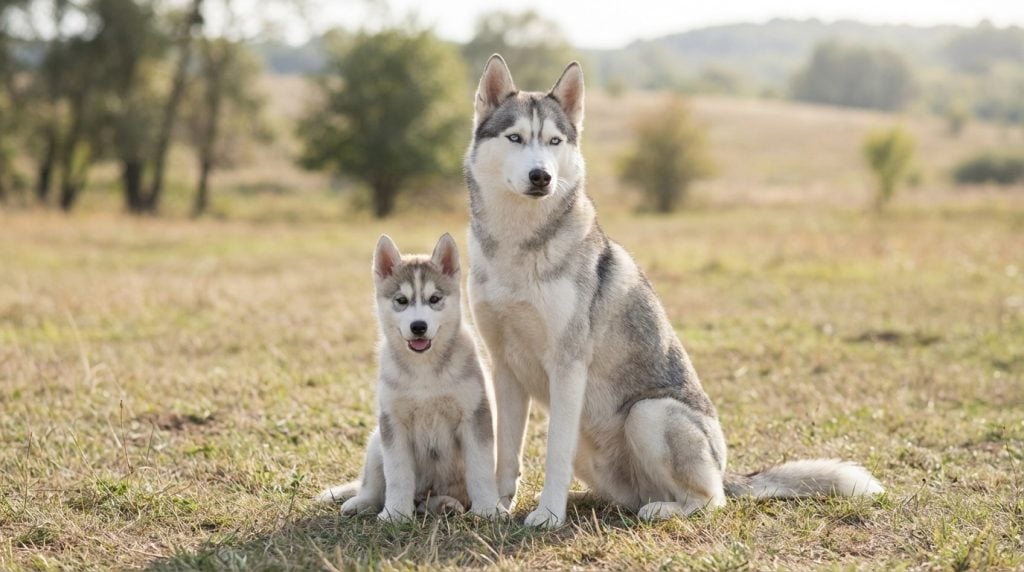
Living with a Siberian Husky often means sharing your home with an energetic and sociable companion who enjoys movement, exploration, and the company of others. They usually feel most settled in homes where their endurance, curiosity, and pack instincts are given regular outlets through activity, interaction, and structured routines.
At a glance
Core care
- Size: Medium
- Energy: High
- Grooming: Low
- Shedding: High
Support style
- Sensitivity: High
- Training style: Independent
Breed guide
Choose a section to explore. These notes describe common patterns, but individual dogs vary widely.
Originating from the cold climates of Siberia, the Siberian Husky was bred by the Chukchi people for sled pulling and companionship. This history of endurance and teamwork is evident in the breed’s modern-day characteristics, where they often display a strong work ethic and a desire to be part of a pack, whether that pack is human or canine.
Physically, Siberian Huskies are medium-sized dogs with a striking appearance, often featuring a dense double coat and distinctive facial markings. Their almond-shaped eyes can be blue, brown, or even one of each, adding to their unique look. In everyday life, this means owners should be prepared for regular grooming to manage their high shedding, especially during seasonal changes.
Temperamentally, Huskies are known for their friendly and outgoing nature, though they can also be quite independent. Many owners notice that their Huskies enjoy social interactions but also appreciate their own space. This breed’s high sensitivity means they often pick up on their owner’s moods, which can be both a bonding experience and a challenge when it comes to training.
Living with a Siberian Husky requires realistic expectations. While they are generally good-natured, their independent streak can sometimes be mistaken for stubbornness. It’s important to remember that individual dogs can vary significantly, and while some may be more laid-back, others might require more active engagement. Understanding and adapting to each dog’s unique personality is key.
Siberian Huskies are often described as having a social and friendly disposition, which can make them wonderful companions for those who enjoy an active lifestyle. Owners frequently observe their Huskies engaging with both people and other dogs, showcasing their pack-oriented nature. This social inclination often means that they thrive in environments where they can interact regularly with others.
The breed’s independent nature is another hallmark, and it can sometimes lead to a perception of aloofness. However, this independence is rooted in their history as working dogs, where decision-making was a valued trait. In everyday life, this might mean that a Husky will sometimes choose to do things their own way, requiring a patient and understanding approach from their owners.
Sensitivity is a notable trait in Siberian Huskies, as they often respond to the emotions and energy of those around them. This can be a double-edged sword; while they can be incredibly empathetic, they may also become anxious in stressful environments. Owners often find that maintaining a calm and consistent atmosphere helps their Huskies feel secure and content.
Trainability can vary widely among Huskies, with some being more eager to please than others. Their independent streak means that traditional training methods might not always be effective. Instead, positive reinforcement and patience tend to yield the best results, helping to build a trusting relationship between the dog and owner.
A typical day for a Siberian Husky involves plenty of physical activity, as they are a high-energy breed that thrives on movement. Owners often find that a combination of long walks, runs, and play sessions helps to meet their dog’s exercise needs. Huskies are known for their endurance, so activities like hiking or even sledding in appropriate climates can be particularly enjoyable for them.
In addition to physical exercise, mental enrichment is crucial for a Siberian Husky’s well-being. Puzzle toys, training sessions, and interactive games can help keep their minds sharp and prevent boredom. Without adequate mental stimulation, Huskies may resort to destructive behaviours as a way to entertain themselves.
As Huskies age, their exercise needs may change, but they generally remain active well into their senior years. Owners should adjust the intensity and duration of activities based on their dog’s individual health and energy levels. Regular vet check-ups can help ensure that their exercise routine remains appropriate.
It’s important to avoid over-exercising young Huskies, as their growing bodies are still developing. Gradually increasing the intensity of activities can help prevent injury and support healthy growth. By understanding their dog’s unique needs, owners can create a balanced routine that supports both physical and mental health.
Training a Siberian Husky can be a unique experience, often requiring creativity and patience from the owner. Their independent nature means that they may not always respond to commands in the way more traditionally obedient breeds might. However, many owners find that using positive reinforcement techniques, such as treats and praise, can be highly effective.
Impulse control is an area where Huskies may need extra support, particularly during adolescence. This stage can be challenging as their natural curiosity and energy levels peak. Consistent training and clear boundaries can help guide them through this period, fostering a sense of security and understanding.
Building a strong relationship is key to successful training with this breed. Huskies tend to respond well to training methods that are based on trust and mutual respect. Owners often notice that their Huskies are more willing to cooperate when they feel understood and valued as part of the family.
Consistency is crucial in training a Siberian Husky. While they may test boundaries, maintaining a steady routine and clear expectations can help them learn what is expected. Enrolling in a course like “Understand Your Dog: Dog Psychology for Beginners” can provide valuable insights into their behaviour, enhancing the training experience.
Siberian Huskies tend to do well in homes where they have space to move and explore. They are not typically suited to apartment living unless their exercise needs are met through frequent outings. Many owners find that a home with a secure garden provides the ideal environment for their Husky to burn off energy and satisfy their curiosity.
This breed can adapt well to family life, often forming strong bonds with children and other pets. However, their high energy levels and playful nature mean that supervision is important, especially with younger children. Early socialisation can help Huskies learn to interact appropriately with other animals.
Huskies are known for their escape artist tendencies, so secure fencing is a must for any outdoor space. Their independent nature can lead them to explore beyond boundaries if given the opportunity. Owners often find that providing plenty of mental and physical stimulation reduces the likelihood of escape attempts.
Realistically, living with a Siberian Husky requires a commitment to meeting their exercise and social needs. They thrive in environments where they feel included and engaged, and where their natural instincts are respected and channelled positively.
The overall health of a Siberian Husky is closely tied to their daily wellbeing, with regular exercise and a balanced diet playing key roles. Like all breeds, they have specific health considerations that owners should be aware of to ensure a long and healthy life.
Common health issues in Huskies include hip dysplasia and eye conditions such as cataracts. Regular veterinary check-ups can help monitor these potential problems and catch any issues early. Preventive care, including vaccinations and parasite control, is essential to maintaining their health.
Owners often notice that a healthy Husky is an active and engaged companion, while health issues can sometimes manifest as changes in behaviour, such as lethargy or irritability. Being attuned to these changes can help owners seek veterinary advice promptly when needed.
Understanding the specific health needs of a Siberian Husky can help owners provide the best care possible. Enrolling in a course like “Canine First Aid: A Practical Guide” can offer valuable knowledge on how to handle health emergencies and keep their dog safe and healthy.
The Siberian Husky’s origins trace back to the Chukchi people of Siberia, who developed the breed for sled pulling and companionship. These dogs were integral to the Chukchi way of life, providing transportation across vast, snowy terrains and forming close bonds with their human families.
The breed’s endurance and ability to work in harsh conditions were essential traits that have carried through to modern Huskies. This history of resilience and teamwork is reflected in their strong work ethic and social nature today, making them both capable workers and affectionate companions.
Siberian Huskies were introduced to North America in the early 20th century, where they quickly gained popularity for their sled racing abilities. Their speed and stamina made them formidable competitors in races like the All-Alaska Sweepstakes, cementing their reputation as exceptional sled dogs.
This rich history explains many of the traits that owners recognise in their Huskies today, from their independent spirit to their need for regular exercise and mental stimulation. Understanding their origins helps owners appreciate the breed’s unique qualities and the role they can play in a modern family setting.
What shapes individual dogs
- Early social experiences
- Training approach
- Environment & routine
- Genetics & breeding
- Health & pain
- Age / life stage
Originating from the cold climates of Siberia, the Siberian Husky was bred by the Chukchi people for sled pulling and companionship. This history of endurance and teamwork is evident in the breed’s modern-day characteristics, where they often display a strong work ethic and a desire to be part of a pack, whether that pack is human or canine.
Physically, Siberian Huskies are medium-sized dogs with a striking appearance, often featuring a dense double coat and distinctive facial markings. Their almond-shaped eyes can be blue, brown, or even one of each, adding to their unique look. In everyday life, this means owners should be prepared for regular grooming to manage their high shedding, especially during seasonal changes.
Temperamentally, Huskies are known for their friendly and outgoing nature, though they can also be quite independent. Many owners notice that their Huskies enjoy social interactions but also appreciate their own space. This breed’s high sensitivity means they often pick up on their owner’s moods, which can be both a bonding experience and a challenge when it comes to training.
Living with a Siberian Husky requires realistic expectations. While they are generally good-natured, their independent streak can sometimes be mistaken for stubbornness. It’s important to remember that individual dogs can vary significantly, and while some may be more laid-back, others might require more active engagement. Understanding and adapting to each dog’s unique personality is key.
Siberian Huskies are often described as having a social and friendly disposition, which can make them wonderful companions for those who enjoy an active lifestyle. Owners frequently observe their Huskies engaging with both people and other dogs, showcasing their pack-oriented nature. This social inclination often means that they thrive in environments where they can interact regularly with others.
The breed’s independent nature is another hallmark, and it can sometimes lead to a perception of aloofness. However, this independence is rooted in their history as working dogs, where decision-making was a valued trait. In everyday life, this might mean that a Husky will sometimes choose to do things their own way, requiring a patient and understanding approach from their owners.
Sensitivity is a notable trait in Siberian Huskies, as they often respond to the emotions and energy of those around them. This can be a double-edged sword; while they can be incredibly empathetic, they may also become anxious in stressful environments. Owners often find that maintaining a calm and consistent atmosphere helps their Huskies feel secure and content.
Trainability can vary widely among Huskies, with some being more eager to please than others. Their independent streak means that traditional training methods might not always be effective. Instead, positive reinforcement and patience tend to yield the best results, helping to build a trusting relationship between the dog and owner.
A typical day for a Siberian Husky involves plenty of physical activity, as they are a high-energy breed that thrives on movement. Owners often find that a combination of long walks, runs, and play sessions helps to meet their dog’s exercise needs. Huskies are known for their endurance, so activities like hiking or even sledding in appropriate climates can be particularly enjoyable for them.
In addition to physical exercise, mental enrichment is crucial for a Siberian Husky’s well-being. Puzzle toys, training sessions, and interactive games can help keep their minds sharp and prevent boredom. Without adequate mental stimulation, Huskies may resort to destructive behaviours as a way to entertain themselves.
As Huskies age, their exercise needs may change, but they generally remain active well into their senior years. Owners should adjust the intensity and duration of activities based on their dog’s individual health and energy levels. Regular vet check-ups can help ensure that their exercise routine remains appropriate.
It’s important to avoid over-exercising young Huskies, as their growing bodies are still developing. Gradually increasing the intensity of activities can help prevent injury and support healthy growth. By understanding their dog’s unique needs, owners can create a balanced routine that supports both physical and mental health.
Training a Siberian Husky can be a unique experience, often requiring creativity and patience from the owner. Their independent nature means that they may not always respond to commands in the way more traditionally obedient breeds might. However, many owners find that using positive reinforcement techniques, such as treats and praise, can be highly effective.
Impulse control is an area where Huskies may need extra support, particularly during adolescence. This stage can be challenging as their natural curiosity and energy levels peak. Consistent training and clear boundaries can help guide them through this period, fostering a sense of security and understanding.
Building a strong relationship is key to successful training with this breed. Huskies tend to respond well to training methods that are based on trust and mutual respect. Owners often notice that their Huskies are more willing to cooperate when they feel understood and valued as part of the family.
Consistency is crucial in training a Siberian Husky. While they may test boundaries, maintaining a steady routine and clear expectations can help them learn what is expected. Enrolling in a course like “Understand Your Dog: Dog Psychology for Beginners” can provide valuable insights into their behaviour, enhancing the training experience.
Siberian Huskies tend to do well in homes where they have space to move and explore. They are not typically suited to apartment living unless their exercise needs are met through frequent outings. Many owners find that a home with a secure garden provides the ideal environment for their Husky to burn off energy and satisfy their curiosity.
This breed can adapt well to family life, often forming strong bonds with children and other pets. However, their high energy levels and playful nature mean that supervision is important, especially with younger children. Early socialisation can help Huskies learn to interact appropriately with other animals.
Huskies are known for their escape artist tendencies, so secure fencing is a must for any outdoor space. Their independent nature can lead them to explore beyond boundaries if given the opportunity. Owners often find that providing plenty of mental and physical stimulation reduces the likelihood of escape attempts.
Realistically, living with a Siberian Husky requires a commitment to meeting their exercise and social needs. They thrive in environments where they feel included and engaged, and where their natural instincts are respected and channelled positively.
The overall health of a Siberian Husky is closely tied to their daily wellbeing, with regular exercise and a balanced diet playing key roles. Like all breeds, they have specific health considerations that owners should be aware of to ensure a long and healthy life.
Common health issues in Huskies include hip dysplasia and eye conditions such as cataracts. Regular veterinary check-ups can help monitor these potential problems and catch any issues early. Preventive care, including vaccinations and parasite control, is essential to maintaining their health.
Owners often notice that a healthy Husky is an active and engaged companion, while health issues can sometimes manifest as changes in behaviour, such as lethargy or irritability. Being attuned to these changes can help owners seek veterinary advice promptly when needed.
Understanding the specific health needs of a Siberian Husky can help owners provide the best care possible. Enrolling in a course like “Canine First Aid: A Practical Guide” can offer valuable knowledge on how to handle health emergencies and keep their dog safe and healthy.
The Siberian Husky’s origins trace back to the Chukchi people of Siberia, who developed the breed for sled pulling and companionship. These dogs were integral to the Chukchi way of life, providing transportation across vast, snowy terrains and forming close bonds with their human families.
The breed’s endurance and ability to work in harsh conditions were essential traits that have carried through to modern Huskies. This history of resilience and teamwork is reflected in their strong work ethic and social nature today, making them both capable workers and affectionate companions.
Siberian Huskies were introduced to North America in the early 20th century, where they quickly gained popularity for their sled racing abilities. Their speed and stamina made them formidable competitors in races like the All-Alaska Sweepstakes, cementing their reputation as exceptional sled dogs.
This rich history explains many of the traits that owners recognise in their Huskies today, from their independent spirit to their need for regular exercise and mental stimulation. Understanding their origins helps owners appreciate the breed’s unique qualities and the role they can play in a modern family setting.
What shapes individual dogs
- Early social experiences
- Training approach
- Environment & routine
- Genetics & breeding
- Health & pain
- Age / life stage
Want support with this?
This course provides valuable insights into the unique behavioural traits of Siberian Huskies, helping owners build a deeper connection with their dogs.