
Alaskan Malamute
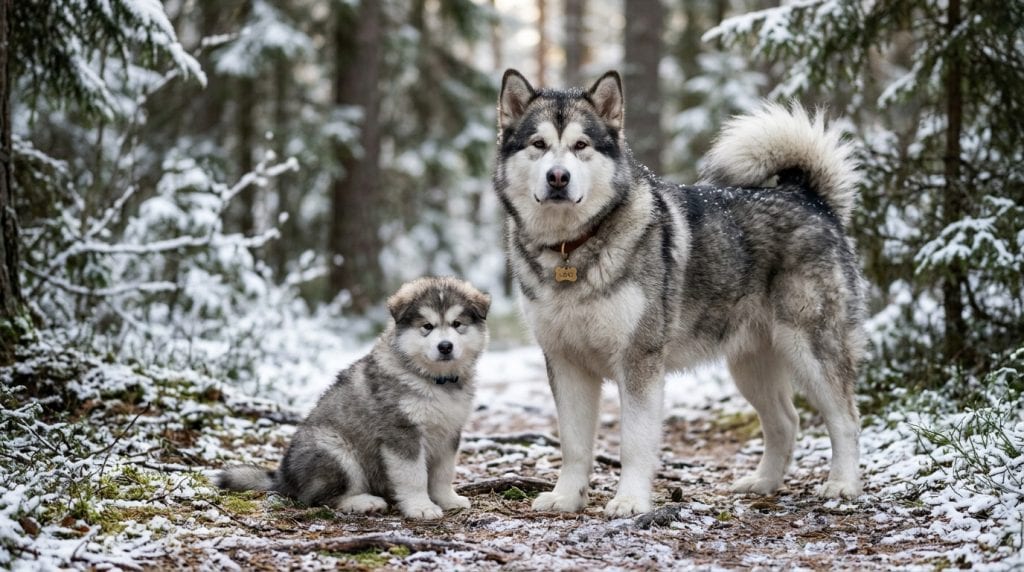
Alaskan Malamutes are powerful Arctic working dogs known for their endurance and strong independent streak. Life with one often means sharing your home with a confident, energetic companion who enjoys activity and purpose. Many owners appreciate their steady loyalty and adventurous spirit, traits shaped by generations of sled-pulling work in harsh northern environments.
At a glance
Core care
- Size: Large
- Energy: High
- Grooming: Low
- Shedding: High
Support style
- Sensitivity: Moderate
- Training style: Independent
Breed guide
Choose a section to explore. These notes describe common patterns, but individual dogs vary widely.
The Alaskan Malamute’s roots trace back to the Arctic, where they were bred by the Mahlemut tribe for sledding and hauling heavy loads. This working heritage is still evident today as they exhibit a strong drive and endurance. These dogs are built for physical activity and thrive when given a purpose, whether that’s pulling a sled or accompanying their owner on a long hike.
Physically, Alaskan Malamutes are large and powerful, with a thick double coat that provides insulation against harsh weather. This coat requires regular grooming to manage shedding, especially during seasonal changes. Their size and strength mean they need ample space to move around and an environment that can accommodate their energetic nature.
Temperamentally, Malamutes are known for their independence and intelligence. They often display a calm confidence, but this can sometimes be mistaken for stubbornness. Owners typically notice their dog’s strong will and the need for consistent, patient training. Despite their independent streak, Malamutes are also very social and enjoy spending time with their family.
It’s important to remember that while breed traits provide a general guideline, each Alaskan Malamute is unique. Factors such as genetics, upbringing, and environment all play a role in shaping their individual personality. Prospective owners should be prepared for a dog that requires commitment and understanding, but the rewards of such a relationship can be immensely fulfilling.
Alaskan Malamutes are often seen as the gentle giants of the dog world. Their social nature means they generally enjoy being part of a family unit, though they might not be as overtly affectionate as some other breeds. Owners frequently notice their dog’s preference for being nearby, observing the household activities with a calm, watchful presence.
Their independent nature can sometimes make training a challenge. Malamutes are intelligent and capable of understanding commands, but they may choose to follow them on their own terms. This independence is a reflection of their working background, where they were required to make decisions in harsh conditions. Patience and consistency are key when training these dogs.
Sensitivity in Malamutes is moderate, meaning they can be quite perceptive to their owner’s emotions without being overly reactive. This balance allows them to be both attentive and calm, which many owners find appealing. However, their independent streak means they may not always respond immediately to commands or changes in routine.
Overall, living with an Alaskan Malamute involves understanding their unique blend of independence and loyalty. While they may not always be eager to please, their steadfast nature and strong bond with their family make them a rewarding companion for those who appreciate their distinctive personality.
A typical day for an Alaskan Malamute involves a significant amount of physical activity. These dogs are happiest when they have the opportunity to stretch their legs and engage in vigorous exercise. Long walks, hikes, or even sledding in appropriate climates can help satisfy their high energy levels and working instincts.
Mental enrichment is also crucial for Malamutes. Puzzle toys, training sessions, and interactive games can help keep their minds sharp and prevent boredom. Given their intelligence, they often enjoy challenges that require problem-solving and can benefit from activities that simulate their natural working roles.
It’s important to avoid over-exercising young Malamutes, as their growing joints can be susceptible to injury. As they mature, their exercise needs may change, and older dogs might require less intense activity but still benefit from regular walks and mental stimulation.
Owners should be prepared to adapt their routines to meet the needs of their Malamute, ensuring they have plenty of opportunities for both physical and mental engagement. This commitment to exercise and enrichment helps maintain their wellbeing and strengthens the bond between dog and owner.
Training an Alaskan Malamute often feels like a dance of patience and persistence. Their independent nature means they may not always be eager to follow commands, but with the right approach, they can learn effectively. Positive reinforcement, using treats and praise, tends to work well, as it taps into their intelligence and desire for a rewarding experience.
Impulse control can be a particular challenge, especially during adolescence. Malamutes may test boundaries and exhibit stubborn behaviour, which requires consistent guidance and clear expectations from their owners. Building a strong relationship based on trust and respect is crucial for successful training.
Adolescence can be a trying time for Malamute owners, as these dogs may become more headstrong and less responsive to commands. It’s important to remain patient and continue with training routines, reinforcing positive behaviours and gently correcting unwanted ones. Consistency is key, as is maintaining a calm and confident demeanour.
Owners who invest time in understanding their Malamute’s unique personality and training needs often find the experience rewarding. The bond that forms through this process can be incredibly strong, and seeing a Malamute respond positively to training is a testament to the effort and dedication put into their development.
Alaskan Malamutes tend to thrive in environments where they have plenty of space to move and explore. Homes with large gardens or access to open spaces are often well-suited to their needs. These dogs enjoy being outdoors and benefit from having a secure area where they can roam and play safely.
Families who enjoy an active lifestyle may find a Malamute to be a good match, as these dogs often enjoy joining in on outdoor adventures. While they can be good with children, it’s important to supervise interactions to ensure play remains safe and respectful on both sides. Malamutes are generally social but may require careful introductions to other pets, particularly smaller animals.
Living with a Malamute requires an understanding of their need for exercise and mental stimulation. Owners who can provide regular opportunities for physical activity and enrichment often find their Malamute to be a content and well-adjusted companion. However, those with less time or space may struggle to meet the breed’s high energy demands.
Ultimately, the decision to bring a Malamute into the home should be made with careful consideration of the breed’s needs and the owner’s ability to meet them. When these factors align, the result can be a rewarding relationship with a loyal and engaging dog.
Health is a key aspect of an Alaskan Malamute’s overall wellbeing, and proactive care can help ensure they live a long, healthy life. Regular veterinary check-ups are important to monitor their health and catch any potential issues early. Owners often find that staying informed about breed-specific health concerns can help them provide better care.
Common health considerations for Malamutes include hip dysplasia and certain genetic conditions. Maintaining a healthy weight and providing appropriate exercise can help mitigate some of these risks. A balanced diet tailored to their needs is also crucial in supporting their health and energy levels.
Behaviour can sometimes be influenced by health, with changes in activity or mood potentially indicating an underlying issue. Owners should be attentive to any shifts in their Malamute’s behaviour and seek veterinary advice if they have concerns. Preventive care, such as regular dental cleaning and parasite control, is also an important part of maintaining their overall health.
By understanding the health needs of their Malamute, owners can take steps to ensure their dog remains happy and healthy. This proactive approach not only benefits the dog but also strengthens the bond between pet and owner, as they navigate the journey of life together.
The Alaskan Malamute’s history is deeply intertwined with the harsh landscapes of the Arctic, where they were originally bred by the Mahlemut tribe. These dogs were essential for survival, tasked with pulling heavy sleds over long distances in extreme conditions. Their strength and endurance were crucial for transporting goods and people across the icy terrain.
As the breed developed, Malamutes became known for their ability to work in teams, displaying both independence and cooperation. This working heritage is still evident in their modern counterparts, who often exhibit a strong work ethic and a desire for physical activity. Their history as sled dogs helps explain their need for exercise and their capacity for hard work.
Throughout the years, Alaskan Malamutes have maintained their robust build and thick coat, both of which were essential for their original purpose. These physical traits continue to serve them well in colder climates, and they are often seen as symbols of resilience and strength.
Understanding the history of the Alaskan Malamute provides insight into their behaviour and needs today. Their past as working dogs in challenging environments has shaped them into the independent, strong-willed, and loyal companions they are known to be. This history not only adds to their allure but also informs how they are best cared for in a modern setting.
What shapes individual dogs
- Early social experiences
- Training approach
- Environment & routine
- Genetics & breeding
- Health & pain
- Age / life stage
The Alaskan Malamute’s roots trace back to the Arctic, where they were bred by the Mahlemut tribe for sledding and hauling heavy loads. This working heritage is still evident today as they exhibit a strong drive and endurance. These dogs are built for physical activity and thrive when given a purpose, whether that’s pulling a sled or accompanying their owner on a long hike.
Physically, Alaskan Malamutes are large and powerful, with a thick double coat that provides insulation against harsh weather. This coat requires regular grooming to manage shedding, especially during seasonal changes. Their size and strength mean they need ample space to move around and an environment that can accommodate their energetic nature.
Temperamentally, Malamutes are known for their independence and intelligence. They often display a calm confidence, but this can sometimes be mistaken for stubbornness. Owners typically notice their dog’s strong will and the need for consistent, patient training. Despite their independent streak, Malamutes are also very social and enjoy spending time with their family.
It’s important to remember that while breed traits provide a general guideline, each Alaskan Malamute is unique. Factors such as genetics, upbringing, and environment all play a role in shaping their individual personality. Prospective owners should be prepared for a dog that requires commitment and understanding, but the rewards of such a relationship can be immensely fulfilling.
Alaskan Malamutes are often seen as the gentle giants of the dog world. Their social nature means they generally enjoy being part of a family unit, though they might not be as overtly affectionate as some other breeds. Owners frequently notice their dog’s preference for being nearby, observing the household activities with a calm, watchful presence.
Their independent nature can sometimes make training a challenge. Malamutes are intelligent and capable of understanding commands, but they may choose to follow them on their own terms. This independence is a reflection of their working background, where they were required to make decisions in harsh conditions. Patience and consistency are key when training these dogs.
Sensitivity in Malamutes is moderate, meaning they can be quite perceptive to their owner’s emotions without being overly reactive. This balance allows them to be both attentive and calm, which many owners find appealing. However, their independent streak means they may not always respond immediately to commands or changes in routine.
Overall, living with an Alaskan Malamute involves understanding their unique blend of independence and loyalty. While they may not always be eager to please, their steadfast nature and strong bond with their family make them a rewarding companion for those who appreciate their distinctive personality.
A typical day for an Alaskan Malamute involves a significant amount of physical activity. These dogs are happiest when they have the opportunity to stretch their legs and engage in vigorous exercise. Long walks, hikes, or even sledding in appropriate climates can help satisfy their high energy levels and working instincts.
Mental enrichment is also crucial for Malamutes. Puzzle toys, training sessions, and interactive games can help keep their minds sharp and prevent boredom. Given their intelligence, they often enjoy challenges that require problem-solving and can benefit from activities that simulate their natural working roles.
It’s important to avoid over-exercising young Malamutes, as their growing joints can be susceptible to injury. As they mature, their exercise needs may change, and older dogs might require less intense activity but still benefit from regular walks and mental stimulation.
Owners should be prepared to adapt their routines to meet the needs of their Malamute, ensuring they have plenty of opportunities for both physical and mental engagement. This commitment to exercise and enrichment helps maintain their wellbeing and strengthens the bond between dog and owner.
Training an Alaskan Malamute often feels like a dance of patience and persistence. Their independent nature means they may not always be eager to follow commands, but with the right approach, they can learn effectively. Positive reinforcement, using treats and praise, tends to work well, as it taps into their intelligence and desire for a rewarding experience.
Impulse control can be a particular challenge, especially during adolescence. Malamutes may test boundaries and exhibit stubborn behaviour, which requires consistent guidance and clear expectations from their owners. Building a strong relationship based on trust and respect is crucial for successful training.
Adolescence can be a trying time for Malamute owners, as these dogs may become more headstrong and less responsive to commands. It’s important to remain patient and continue with training routines, reinforcing positive behaviours and gently correcting unwanted ones. Consistency is key, as is maintaining a calm and confident demeanour.
Owners who invest time in understanding their Malamute’s unique personality and training needs often find the experience rewarding. The bond that forms through this process can be incredibly strong, and seeing a Malamute respond positively to training is a testament to the effort and dedication put into their development.
Alaskan Malamutes tend to thrive in environments where they have plenty of space to move and explore. Homes with large gardens or access to open spaces are often well-suited to their needs. These dogs enjoy being outdoors and benefit from having a secure area where they can roam and play safely.
Families who enjoy an active lifestyle may find a Malamute to be a good match, as these dogs often enjoy joining in on outdoor adventures. While they can be good with children, it’s important to supervise interactions to ensure play remains safe and respectful on both sides. Malamutes are generally social but may require careful introductions to other pets, particularly smaller animals.
Living with a Malamute requires an understanding of their need for exercise and mental stimulation. Owners who can provide regular opportunities for physical activity and enrichment often find their Malamute to be a content and well-adjusted companion. However, those with less time or space may struggle to meet the breed’s high energy demands.
Ultimately, the decision to bring a Malamute into the home should be made with careful consideration of the breed’s needs and the owner’s ability to meet them. When these factors align, the result can be a rewarding relationship with a loyal and engaging dog.
Health is a key aspect of an Alaskan Malamute’s overall wellbeing, and proactive care can help ensure they live a long, healthy life. Regular veterinary check-ups are important to monitor their health and catch any potential issues early. Owners often find that staying informed about breed-specific health concerns can help them provide better care.
Common health considerations for Malamutes include hip dysplasia and certain genetic conditions. Maintaining a healthy weight and providing appropriate exercise can help mitigate some of these risks. A balanced diet tailored to their needs is also crucial in supporting their health and energy levels.
Behaviour can sometimes be influenced by health, with changes in activity or mood potentially indicating an underlying issue. Owners should be attentive to any shifts in their Malamute’s behaviour and seek veterinary advice if they have concerns. Preventive care, such as regular dental cleaning and parasite control, is also an important part of maintaining their overall health.
By understanding the health needs of their Malamute, owners can take steps to ensure their dog remains happy and healthy. This proactive approach not only benefits the dog but also strengthens the bond between pet and owner, as they navigate the journey of life together.
The Alaskan Malamute’s history is deeply intertwined with the harsh landscapes of the Arctic, where they were originally bred by the Mahlemut tribe. These dogs were essential for survival, tasked with pulling heavy sleds over long distances in extreme conditions. Their strength and endurance were crucial for transporting goods and people across the icy terrain.
As the breed developed, Malamutes became known for their ability to work in teams, displaying both independence and cooperation. This working heritage is still evident in their modern counterparts, who often exhibit a strong work ethic and a desire for physical activity. Their history as sled dogs helps explain their need for exercise and their capacity for hard work.
Throughout the years, Alaskan Malamutes have maintained their robust build and thick coat, both of which were essential for their original purpose. These physical traits continue to serve them well in colder climates, and they are often seen as symbols of resilience and strength.
Understanding the history of the Alaskan Malamute provides insight into their behaviour and needs today. Their past as working dogs in challenging environments has shaped them into the independent, strong-willed, and loyal companions they are known to be. This history not only adds to their allure but also informs how they are best cared for in a modern setting.
What shapes individual dogs
- Early social experiences
- Training approach
- Environment & routine
- Genetics & breeding
- Health & pain
- Age / life stage
Want support with this?
This course offers valuable insights into the independent nature and social behaviours of the Alaskan Malamute, helping owners foster a strong bond.