
Creating a Calm Puppy Routine
Bringing a puppy home is exciting, joyful, and often a little chaotic.
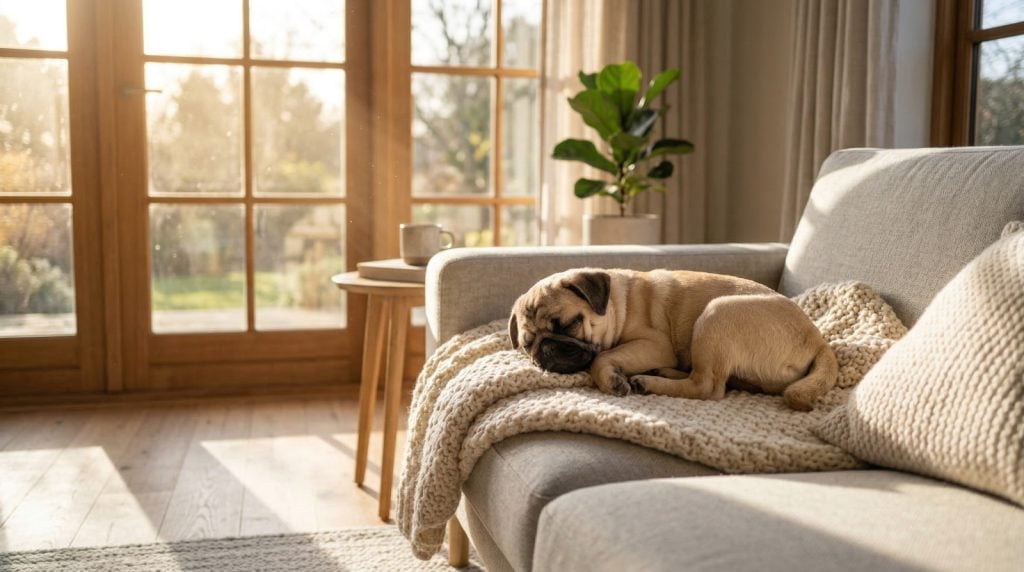
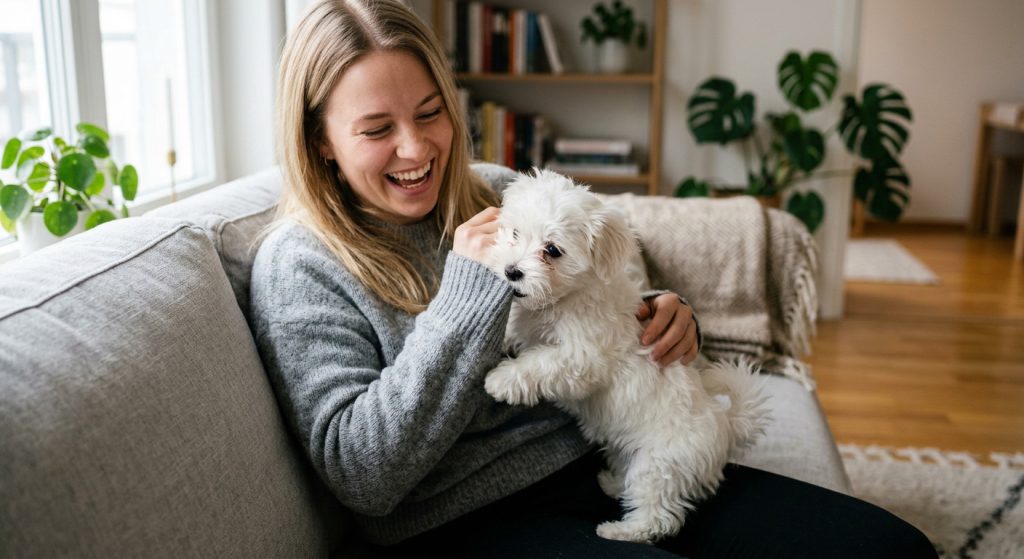
One moment your puppy is curled up asleep on the sofa, and the next they’re racing around the house, chewing something they shouldn’t, or bouncing at your feet asking for attention.
For many new owners, the early days can feel unpredictable.
Some days your puppy seems calm and settled.
Other days they seem full of endless energy.
What many people don’t realise is that much of this behaviour is connected to routine.
Puppies, just like children, feel more relaxed and secure when their day follows a gentle and predictable rhythm.
A calm routine helps puppies understand when it’s time to play, when it’s time to explore, and when it’s time to rest.
Over time, this rhythm helps their bodies and minds settle into a healthy balance.
Why Routine Matters for Puppies
Young puppies are still learning how to regulate their energy levels.
Without structure, it’s easy for them to become overtired or overstimulated, which can lead to behaviours such as:
• biting during play
• sudden zoomies
• difficulty settling
• barking or restlessness
These behaviours aren’t signs of a “difficult” puppy.
They’re often simply a sign that your puppy’s day has become a little out of balance.
A calm routine helps prevent this by spacing out activity and rest throughout the day.
When puppies know what to expect, they are more likely to feel relaxed and secure.
The Natural Rhythm of a Puppy’s Day
Puppies naturally move through cycles of activity and rest.
After a short period of play, learning, or exploration, their bodies need time to recover.
Many young puppies sleep 16 to 20 hours a day, even though those hours are often spread across many short naps.
A healthy daily rhythm usually looks something like this:
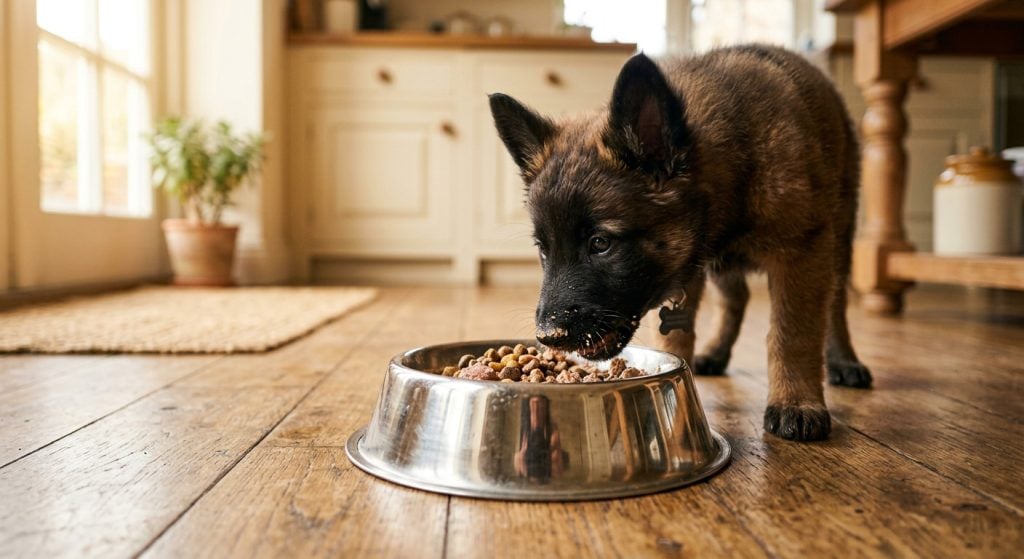
• wake up
• toilet break
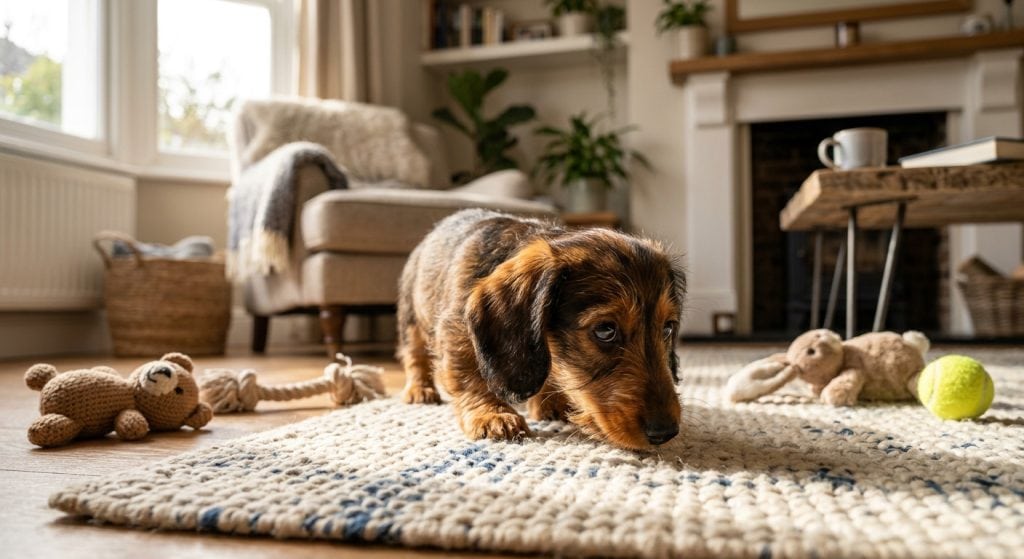
• gentle play or exploration
• short training session
• rest or sleep
Then the cycle repeats again.
This pattern may happen several times throughout the day.
Allowing these natural cycles to happen helps puppies avoid becoming overwhelmed.


Building a Calm Daily Routine
Creating a routine doesn’t mean planning every minute of your puppy’s day.
Instead, it means creating a predictable flow between activity and rest.
For example, many puppies settle well into a rhythm like this:
Morning
• toilet break
• breakfast
• short walk or play
• quiet rest
Midday
• gentle play or exploration
• short training session
• nap
Afternoon
• another toilet break
• light play
• rest
Evening
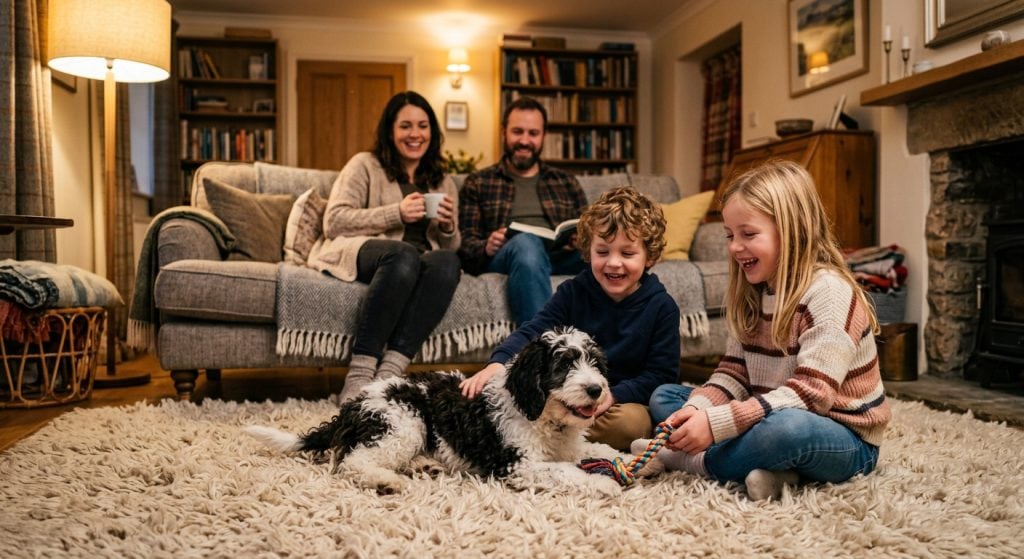
• calm interaction with the family
• toilet break
• sleep
Each puppy will develop their own rhythm, but keeping activities balanced throughout the day helps prevent overstimulation.
Signs Your Puppy Needs More Rest
Sometimes a puppy’s behaviour is simply a sign that they need more sleep.
Overtired puppies often appear more energetic rather than calmer.
You might notice:
• sudden zoomies around the house
• increased biting or nipping
• difficulty settling
• ignoring cues they normally understand
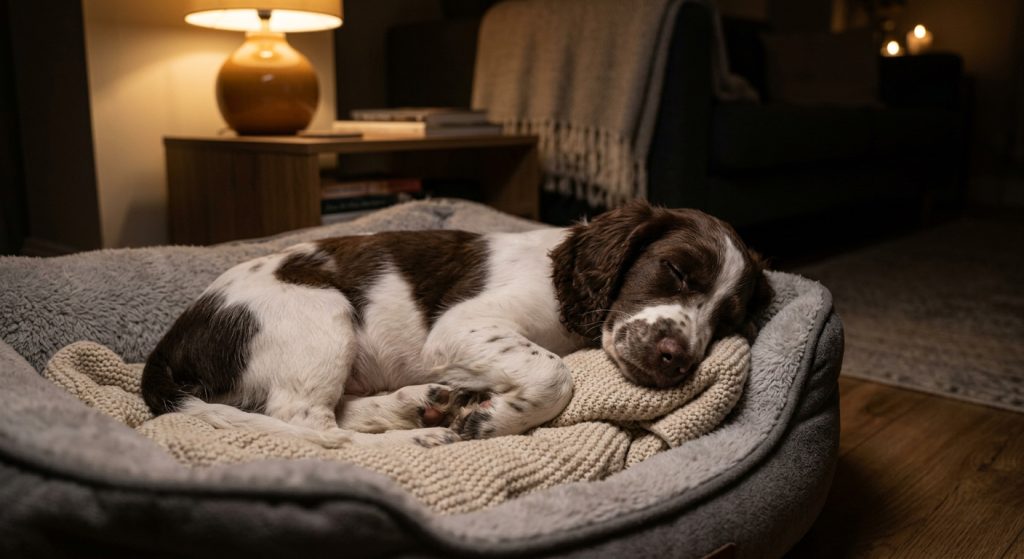
When this happens, the best solution is often not more activity, but a quiet space where your puppy can rest.
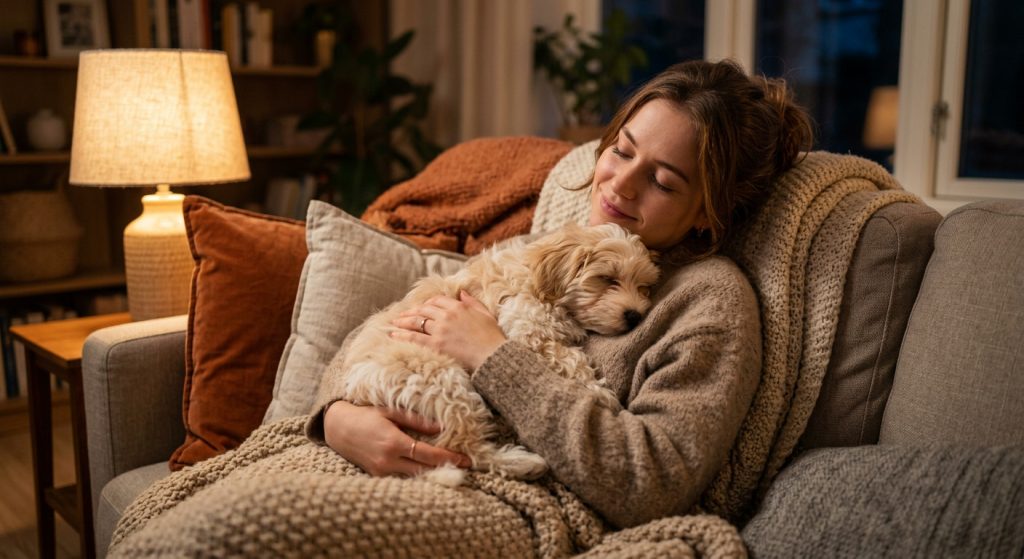
Given the chance, many puppies will quickly fall asleep once the environment becomes calm.
The Role of Calm Time
A calm routine isn’t only about exercise and play.
Quiet moments during the day are just as important.
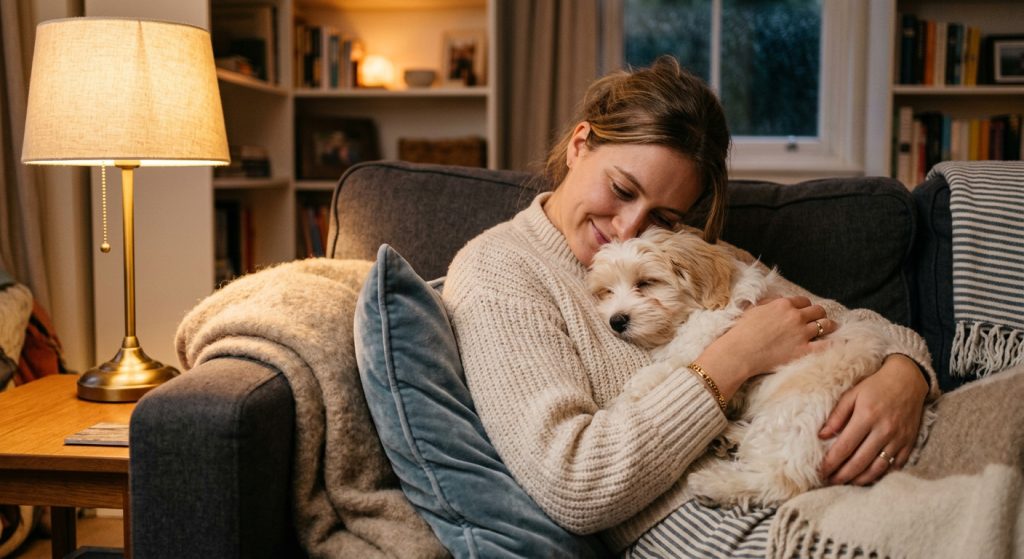
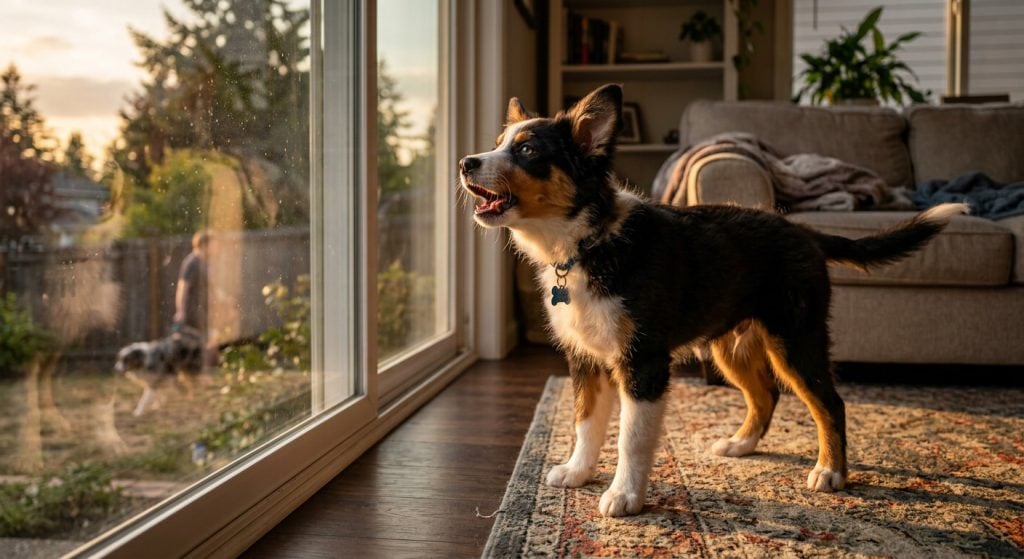
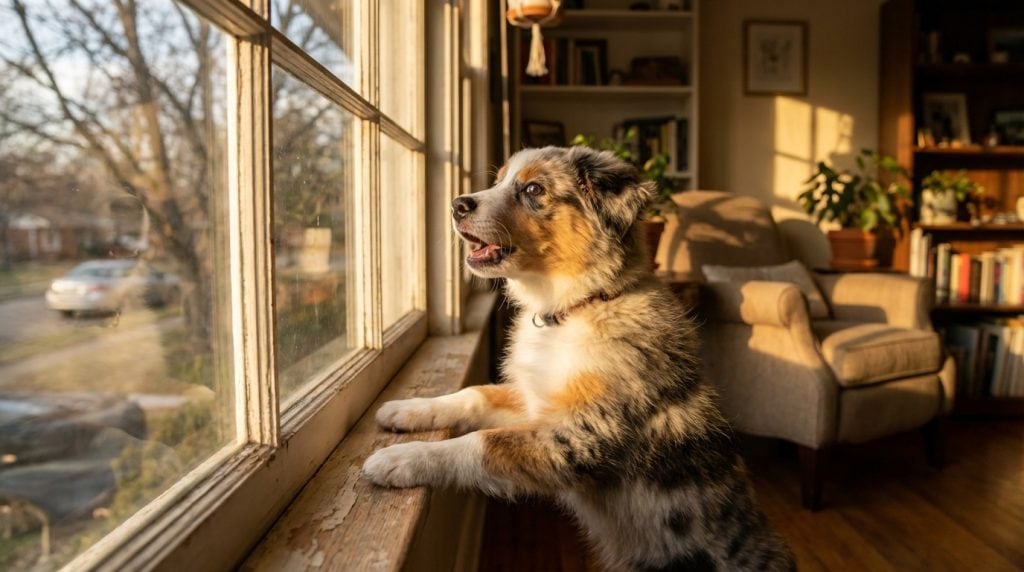
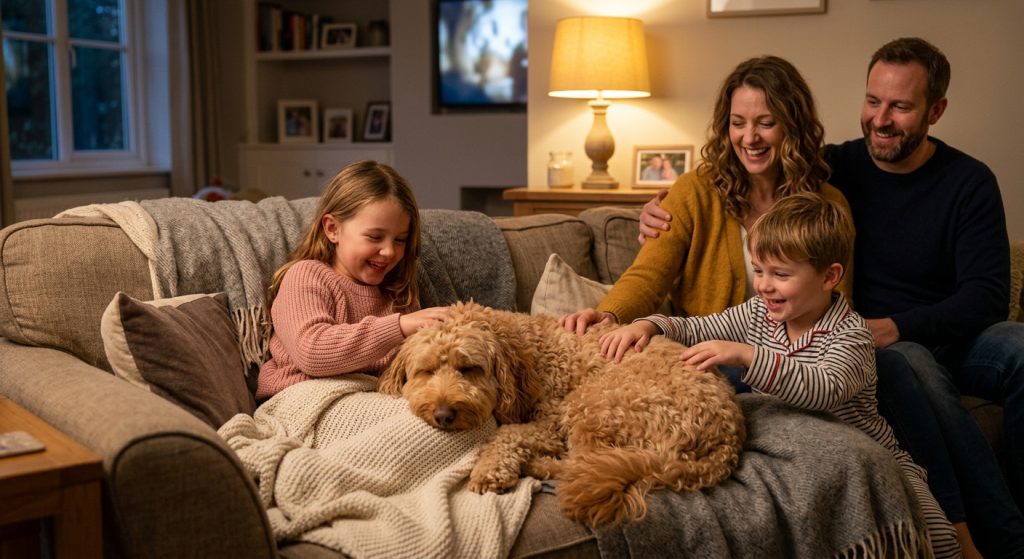
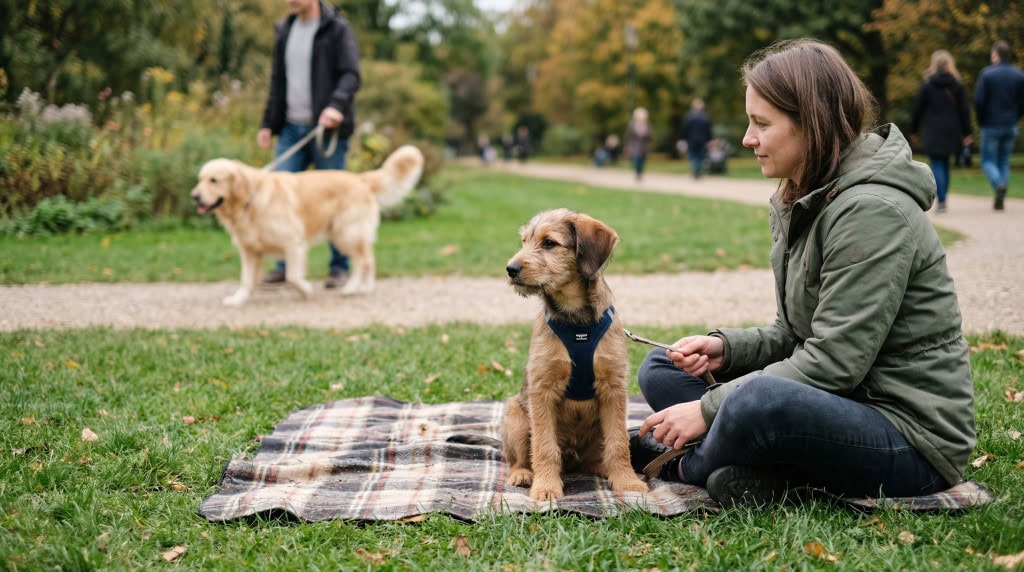
Simple activities like sitting together in the living room, watching the world from a window, or relaxing after a walk all help puppies learn how to settle.
These peaceful moments teach an important life skill:
how to relax even when nothing exciting is happening.
Over time, puppies that experience regular calm periods often grow into dogs that settle more easily in everyday life.
Growing Into a Balanced Dog
As your puppy grows, their routine will slowly change.
Walks become longer, training sessions become more focused, and play becomes more controlled.
But the foundation remains the same:
a healthy balance between activity, learning, and rest.
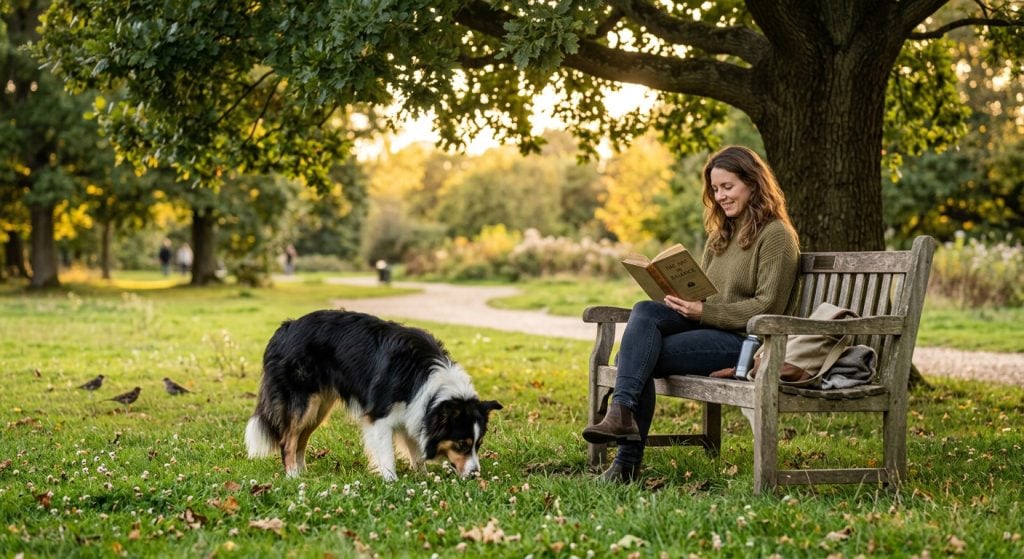
When puppies grow up in an environment where their needs are understood, they gradually develop the ability to regulate their own energy.
This is how the energetic chaos of puppyhood slowly turns into the calm companionship of adulthood.
Explore More Puppy Topics
This topic forms part of our Raising a Puppy guide, where we explore puppy sleep, socialisation, exercise, routines, and the behaviours that shape early development.
What to Explore Next
A calm routine helps your puppy feel safe, settled, and better able to understand the world around them.
These guides can help you balance rest, exercise, and confidence-building as your puppy continues to grow.


Start Your Puppy Journey
If you’re raising a puppy and want a calm, confident start, the Puppy Beginnings: Building a Calm Start course walks you step-by-step through the early stages of puppy development, helping you prevent common behaviour problems and build a strong foundation with your puppy.