
Puppy Sleep Guide
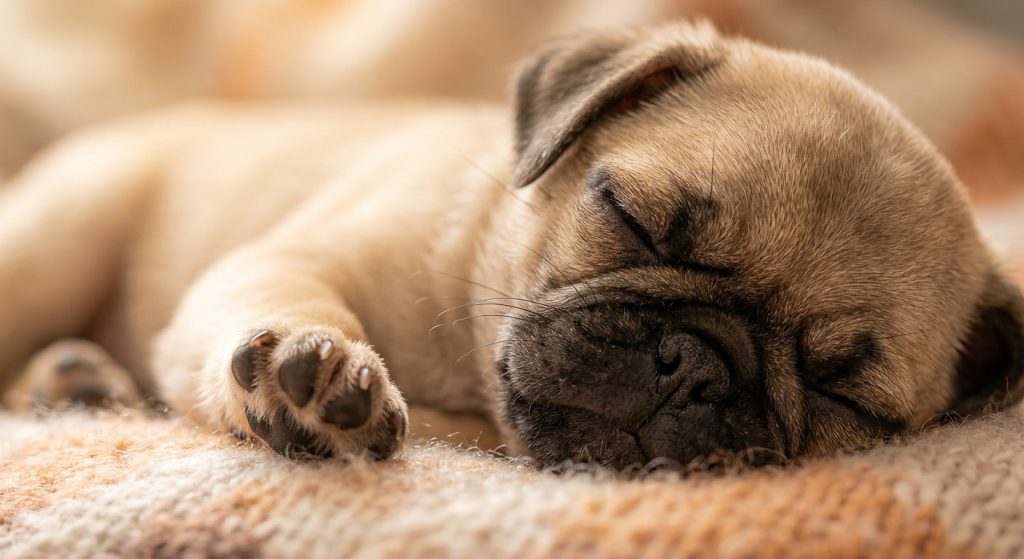
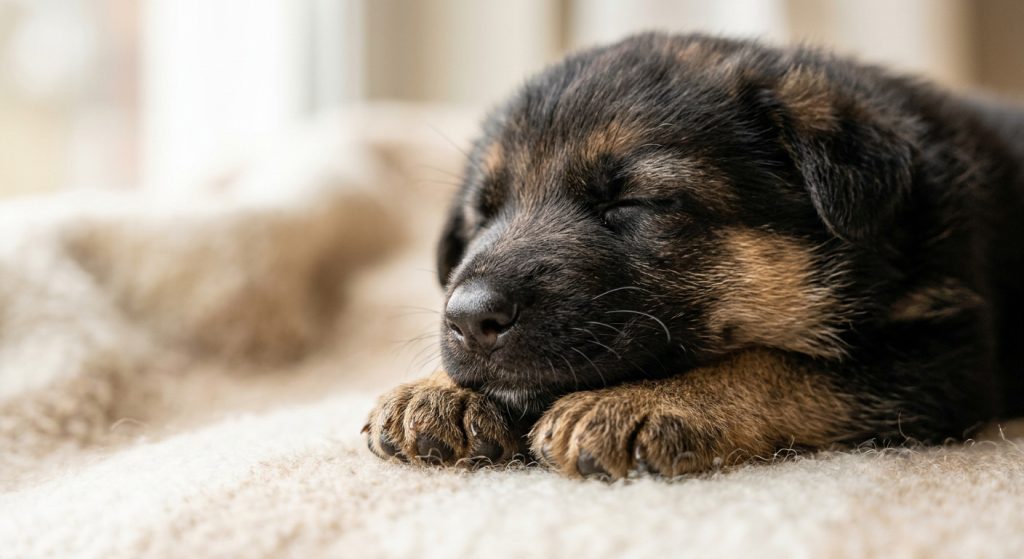
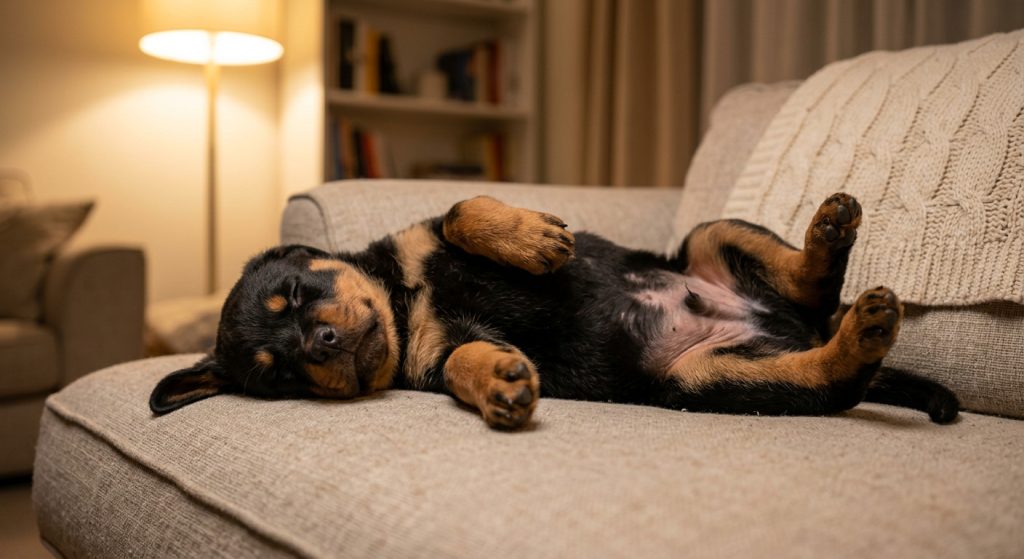
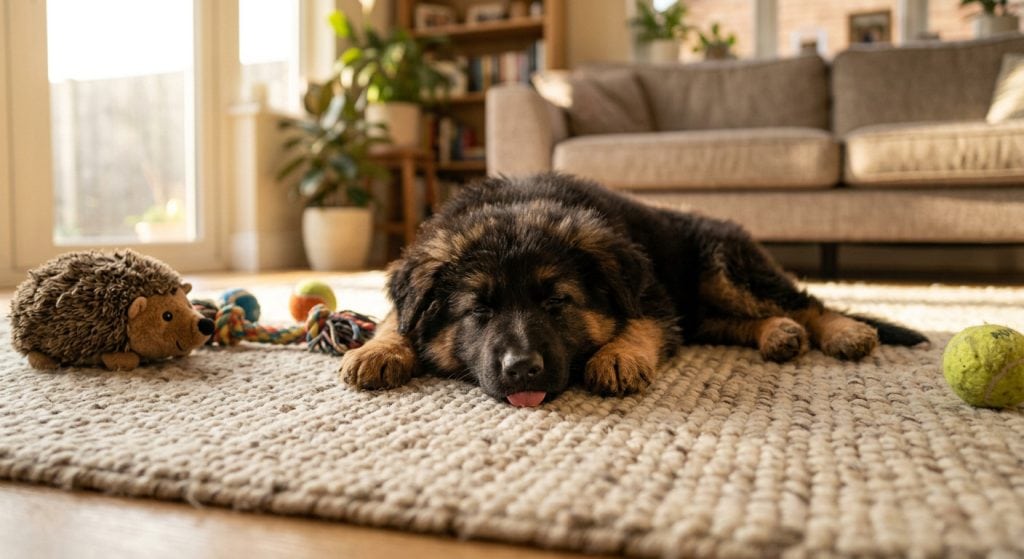
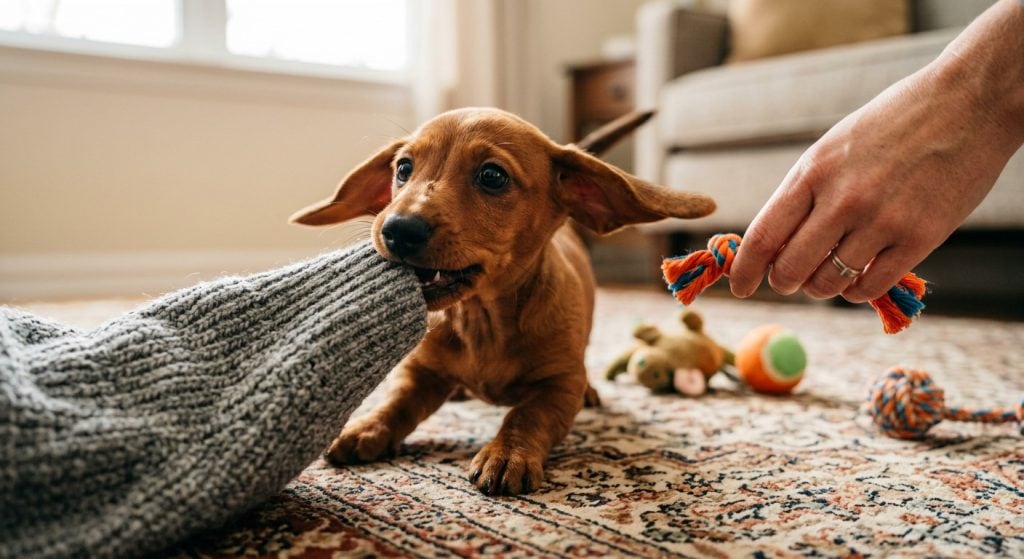
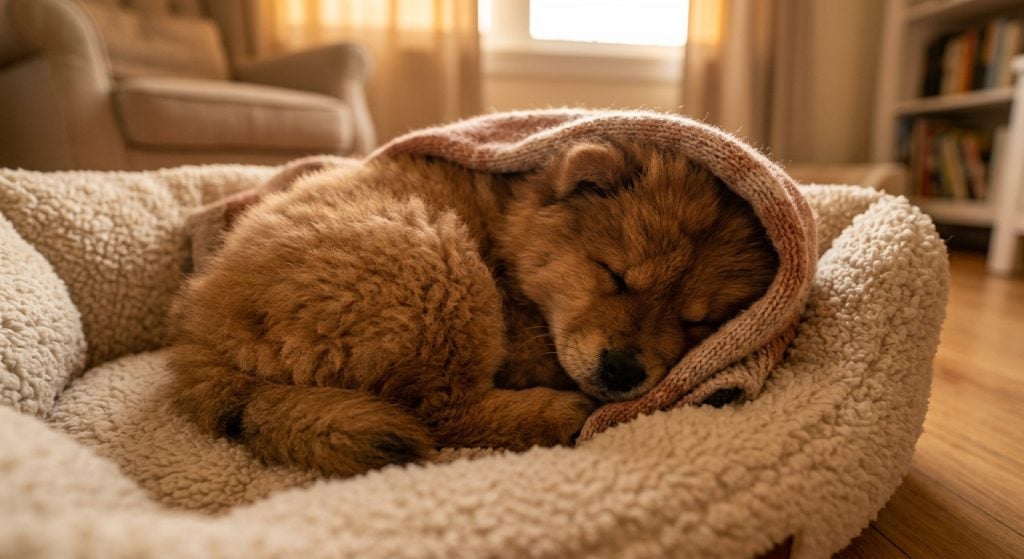
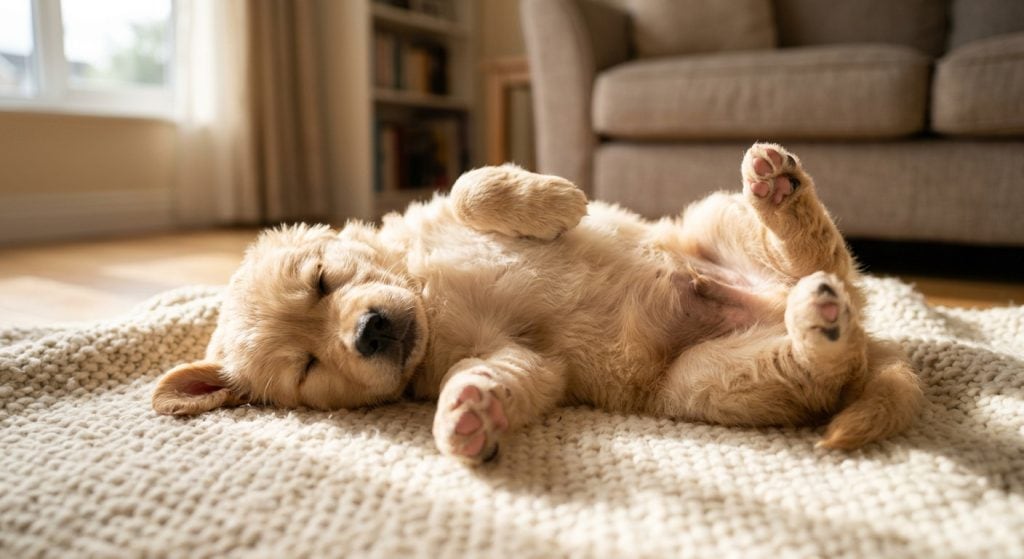
If you’ve ever watched a young puppy suddenly fall asleep in the middle of play, you’ll know just how quickly their energy can disappear.
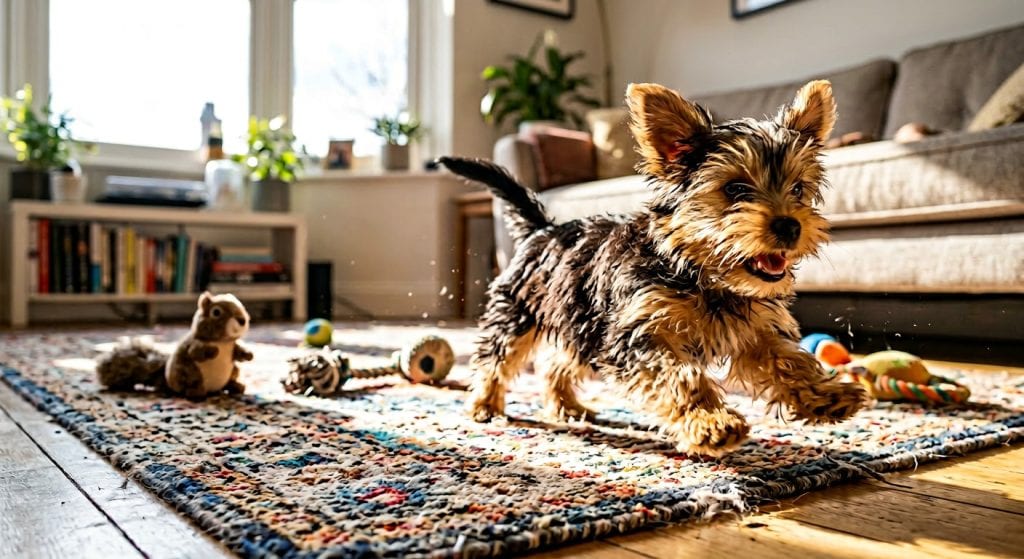
One moment they are running around the room, chasing toys and exploring everything in sight. The next moment they are curled up asleep as if someone has switched them off.
For many new owners this can feel surprising. Puppies seem full of endless energy, yet they also spend a large part of the day asleep.
In reality, sleep is one of the most important parts of a puppy’s development. During these early months their bodies and brains are growing rapidly, and rest plays a vital role in helping them process everything they are learning.
Understanding how much sleep your puppy needs — and why it matters — can make a huge difference in helping them grow into a calm and well-balanced adult dog.
Why Puppies Need So Much Sleep
Just like human babies, puppies experience enormous physical and mental development in their early months.
Every day they are learning new things about the world around them. New smells, new sounds, new environments, new people — it’s a huge amount of information for a young brain to process.
Sleep is the time when much of that learning settles into place.
While your puppy rests, their brain is processing experiences, building new neural connections, and supporting the development of healthy behaviour patterns.
Their bodies are also growing quickly during this stage. Muscles, bones, and the immune system all rely on proper rest to develop properly.
So while it might seem like your puppy sleeps a lot, that rest is actually doing important work behind the scenes.
Most young puppies sleep far more than many owners expect.
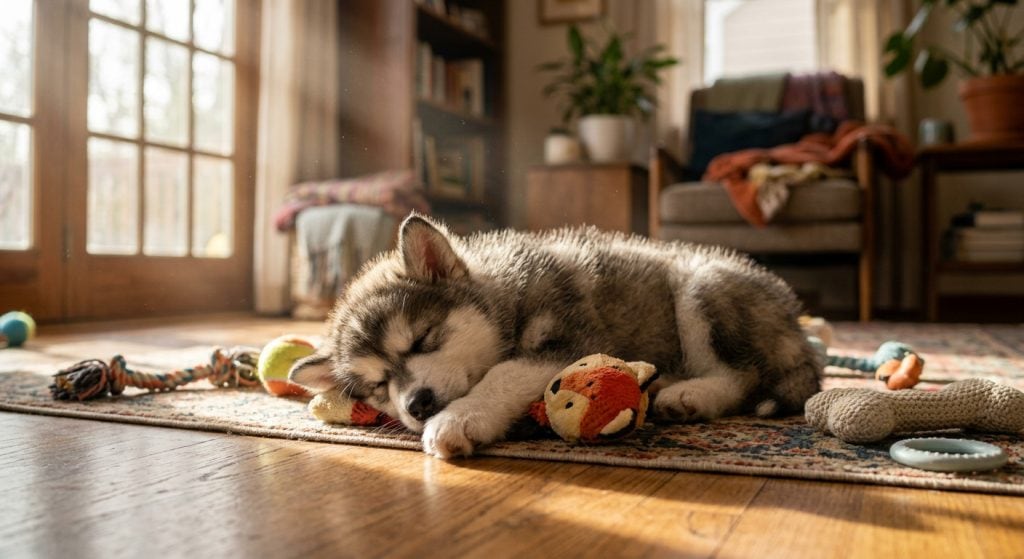
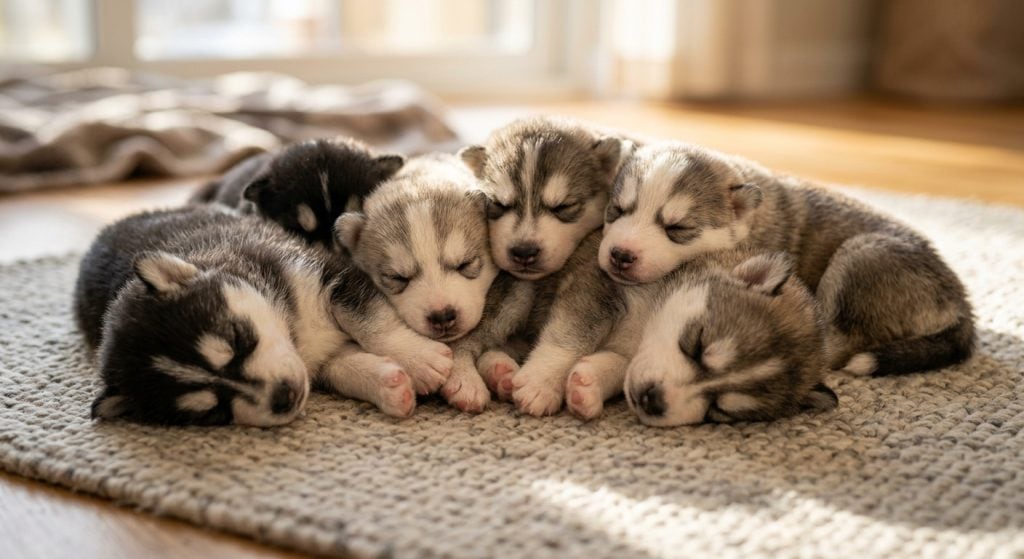
In fact, it’s completely normal for puppies to sleep between 18 and 20 hours a day, especially during the first few months of life.
This sleep doesn’t always happen in one long stretch. Instead, puppies tend to move between short bursts of activity and periods of rest throughout the day.
After playing, exploring, or learning something new, it’s very common for a puppy to suddenly become tired and fall asleep almost immediately.
These cycles of activity and rest are completely natural and help your puppy recover from the excitement of exploring the world.
Is It Normal for Puppies to Sleep So Much?
Many new puppy owners are surprised by just how much time their puppy spends asleep.
After a burst of play or exploration, it can feel like your puppy simply collapses and sleeps for hours. This can sometimes leave owners wondering whether something might be wrong.
In most cases, it’s completely normal.
Young puppies need a large amount of sleep because their bodies and brains are developing so quickly. Each new experience — from meeting people to exploring a new room — requires energy and learning.
Sleep allows their body to recover and their brain to process what they’ve experienced during the day.
So if your puppy seems to sleep a lot, it’s usually a sign that their body is doing exactly what it needs to do while they grow.
One of the most common surprises for new puppy owners is how quickly tiredness can affect behaviour.
A puppy who is overtired often becomes more excitable rather than calmer. You might notice sudden bursts of zoomies, more nipping during play, or difficulty settling down.
This happens because young puppies don’t yet know how to regulate their energy levels. Instead of recognising they need rest, they sometimes become more hyperactive.
Many owners interpret this behaviour as disobedience, when in reality the puppy is simply exhausted.
Overtired puppies often become more nippy or excitable, which is something we explore further in our guide to why puppies bite.
Ensuring your puppy gets regular opportunities to rest can dramatically reduce these bursts of frantic behaviour.
Helping Your Puppy Get Enough Rest
Because puppies are so curious about the world, they don’t always choose to rest on their own.
Creating opportunities for quiet time can help your puppy learn when it’s time to settle.
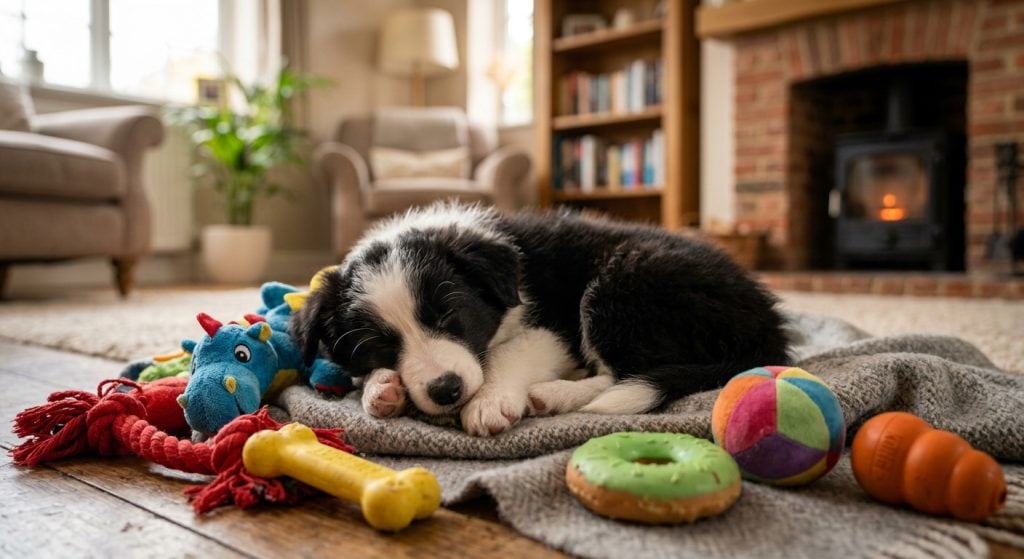
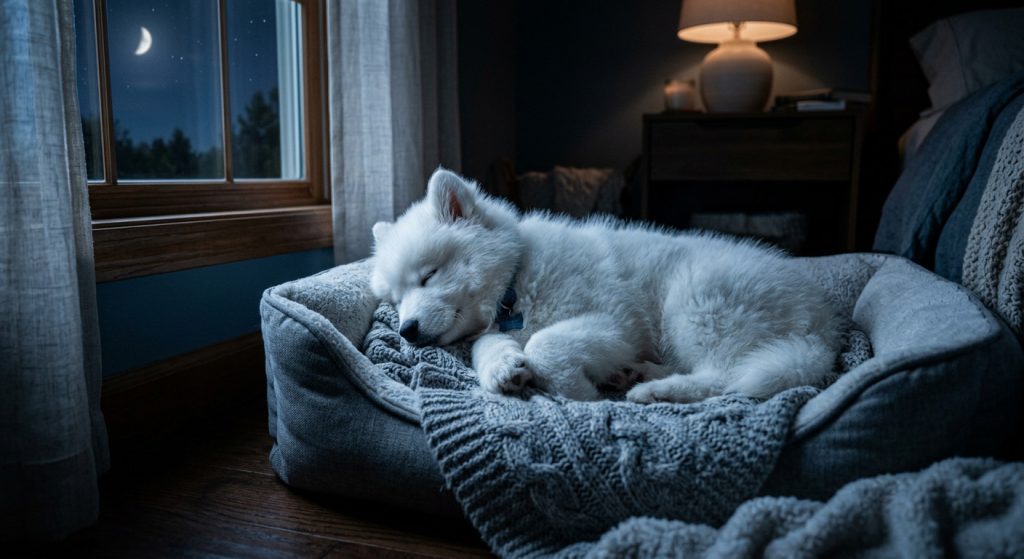
A comfortable sleeping area, a predictable daily routine, and calm periods between play sessions all encourage your puppy to rest when they need it.
It’s also helpful to recognise when your puppy is becoming tired. Slower movements, increased biting during play, or difficulty focusing are often signs that your puppy may need a break.
Allowing your puppy to rest before they become overtired helps prevent many common behaviour problems.
Sleep Is Part of Growing Up
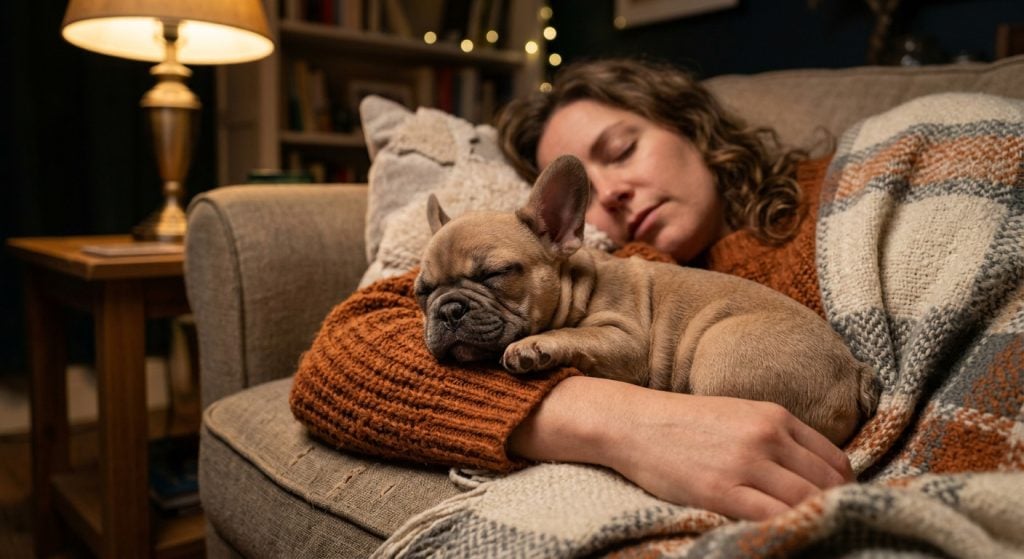
Watching a puppy sleep peacefully is one of the quieter joys of raising a young dog.
Those long naps are not wasted time. They are an essential part of healthy development.
During these early months, sleep supports physical growth, learning, and emotional balance. The rest your puppy gets today helps shape the confident and well-adjusted dog they will become.
With the right balance of activity, learning, and rest, your puppy will gradually develop the rhythm of life that helps them thrive.
Explore More Puppy Topics
This topic forms part of our Raising a Puppy guide, where we explore puppy sleep, socialisation, exercise, routines, and the behaviours that shape early development.
What to Explore Next
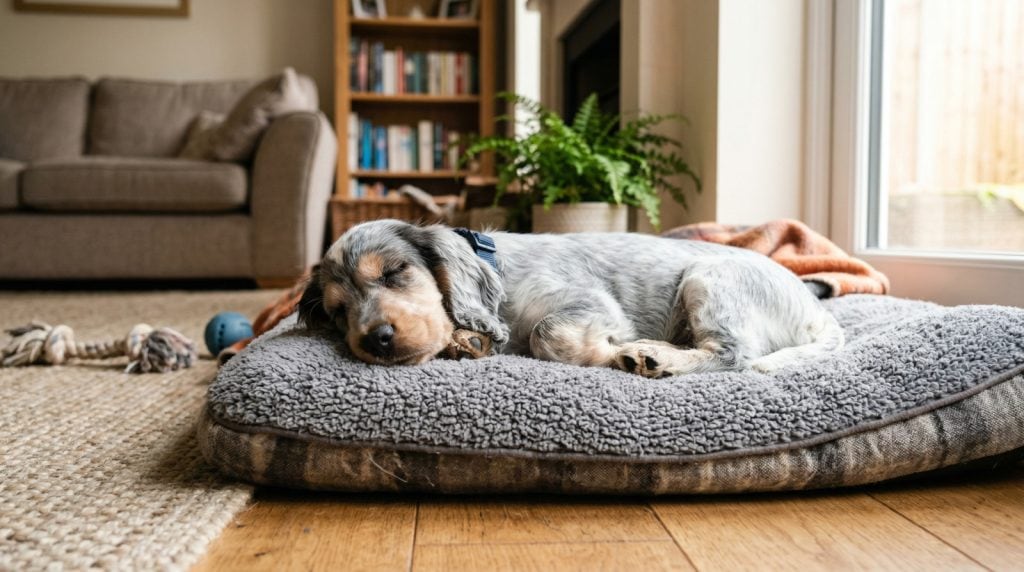
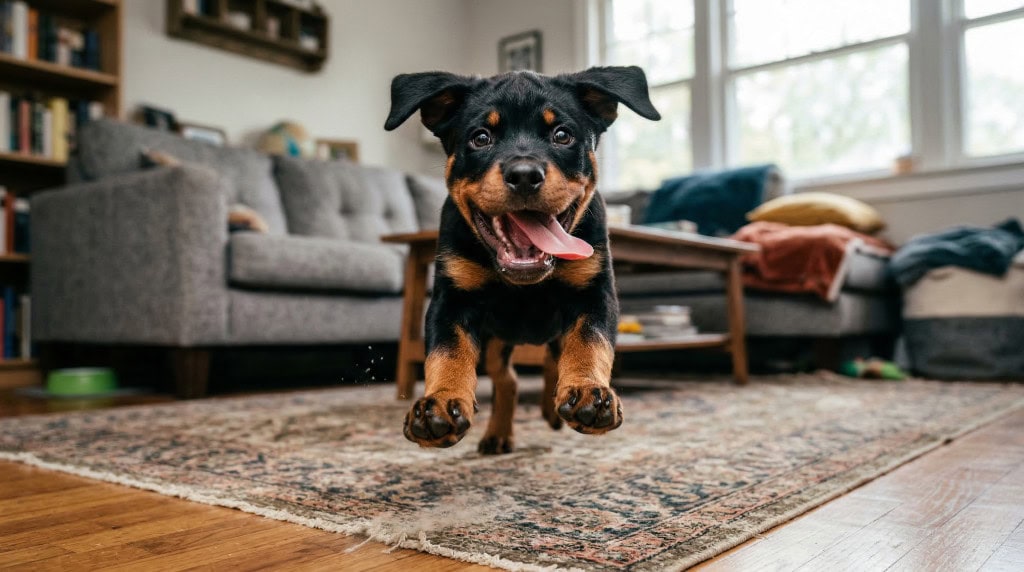
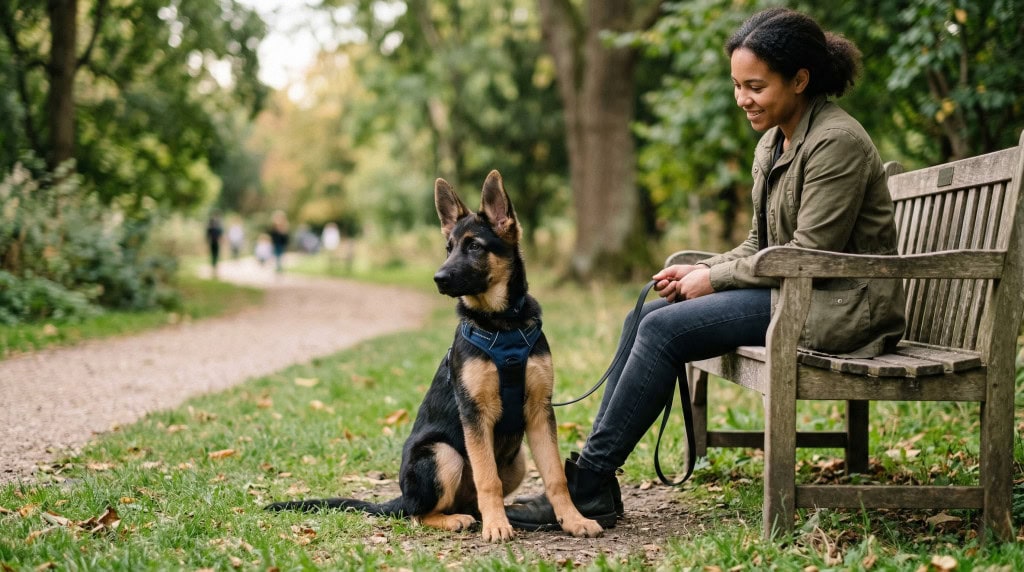
Sleep plays a huge role in how your puppy behaves, learns, and settles throughout the day.
These guides can help you better understand routines, energy levels, and why some behaviours may be linked to tiredness rather than excess energy.
Start Your Puppy Journey
If you’re raising a puppy and want to understand their behaviour more clearly, the Puppy Beginnings: Building a Calm Start course provides step-by-step guidance to help you build healthy routines, prevent common behaviour problems, and create a calm and confident foundation for your puppy.