
Heatstroke in Dogs
A warm afternoon that seems perfectly ordinary
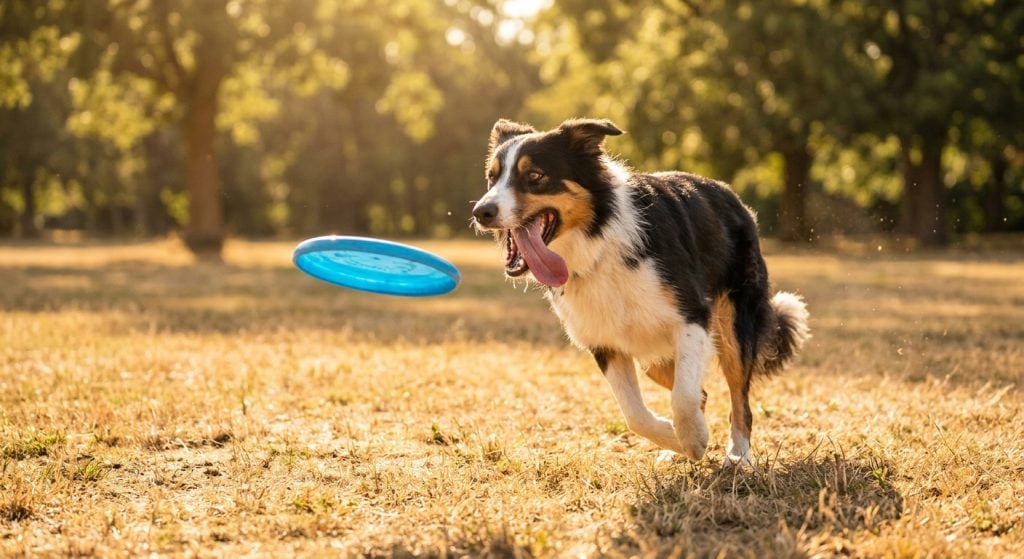
It’s the kind of day that feels ideal for a walk.
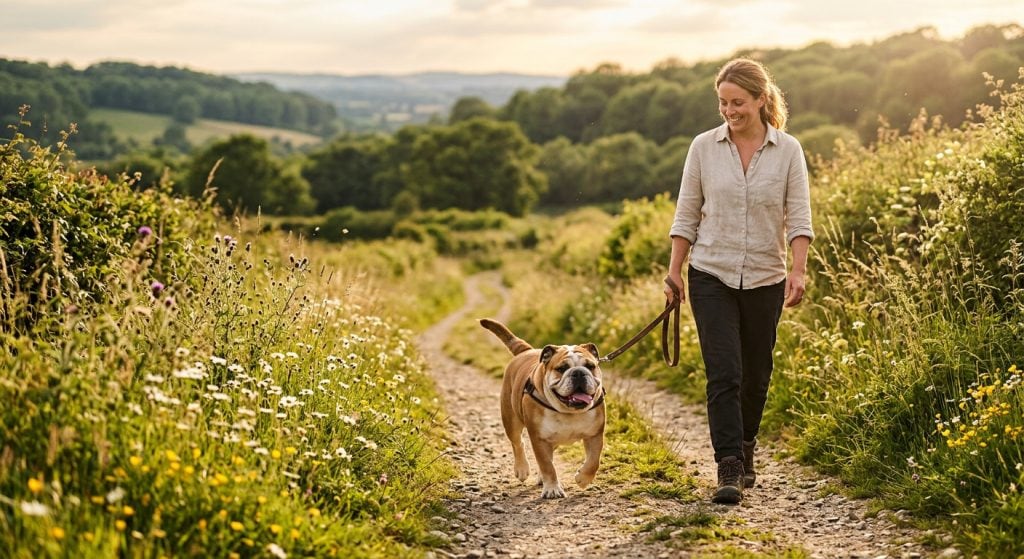
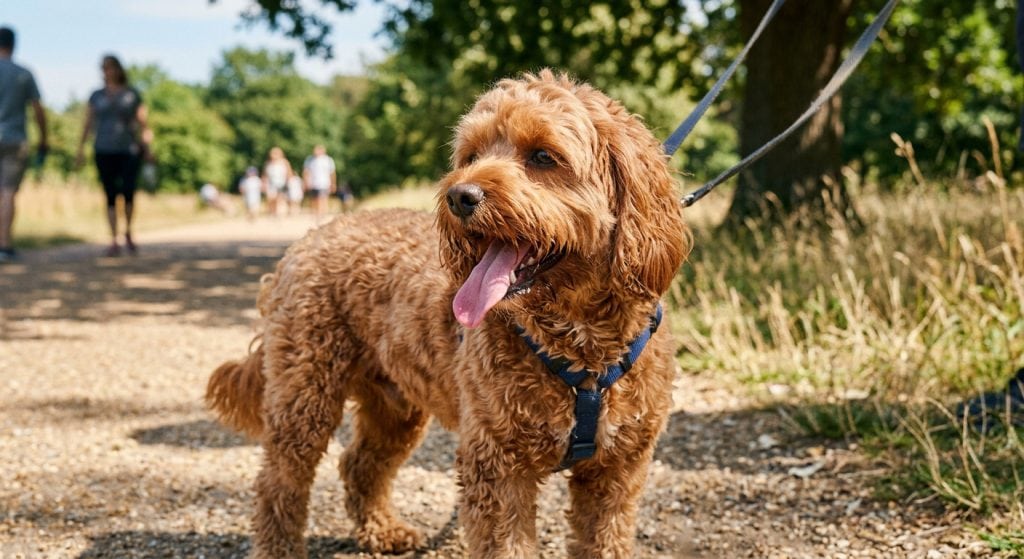
The sun is out, the air feels warm but pleasant, and your dog seems just as happy to be outside as you are. They trot along beside you, stopping occasionally to sniff something interesting, tail moving steadily.
At first, nothing seems unusual.
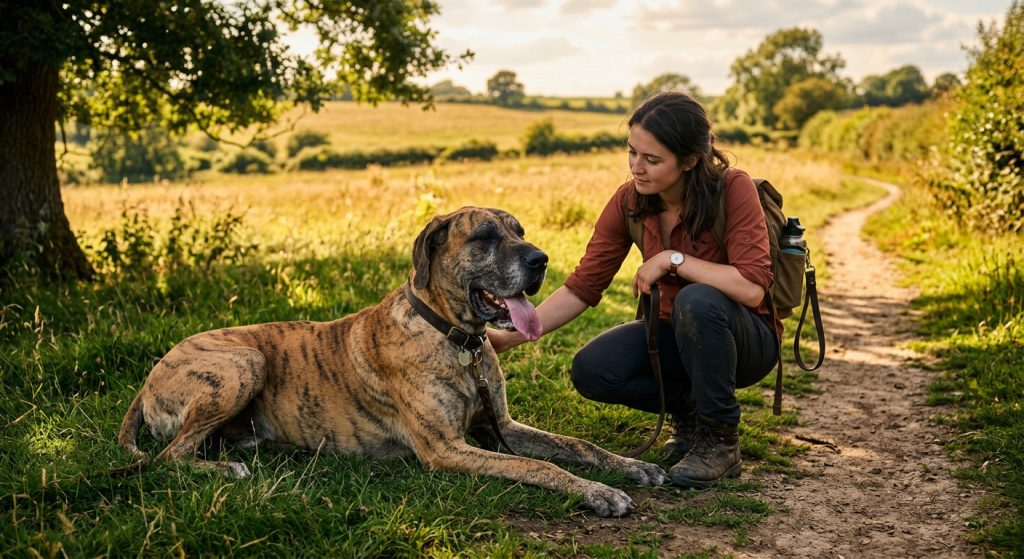
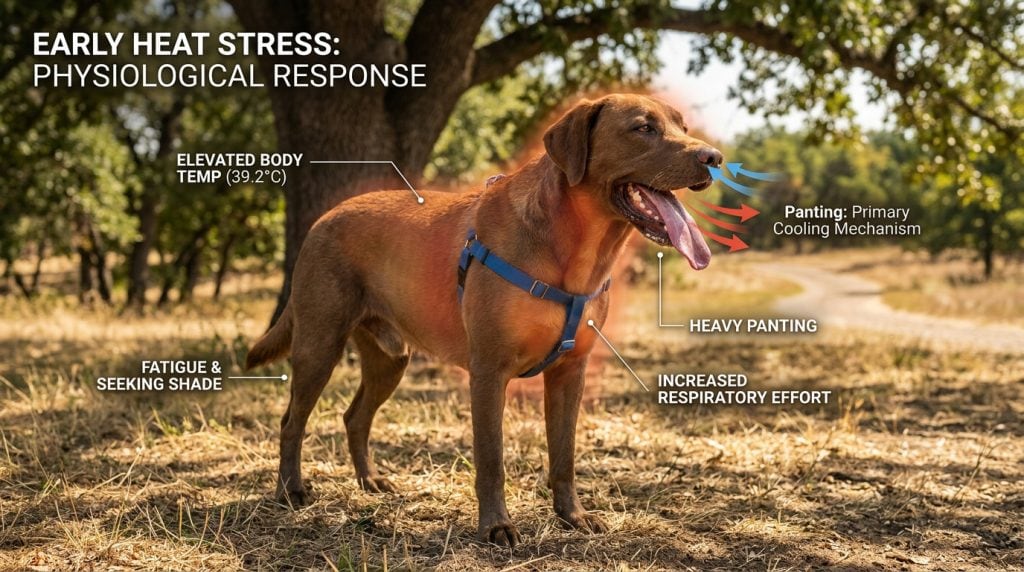
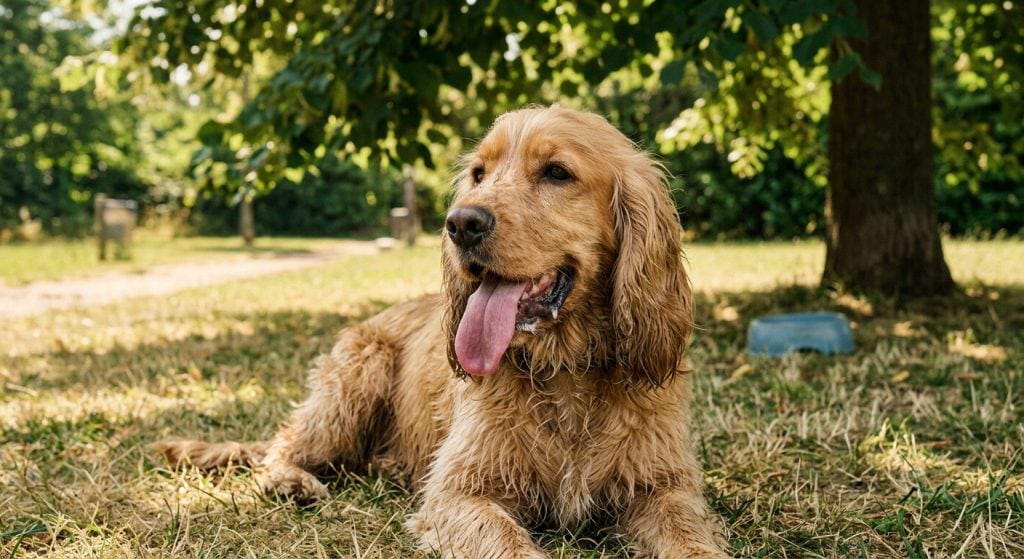
But as the walk continues, you notice your dog slowing down a little. The panting becomes heavier than usual. They pause more often, searching for shade, perhaps lowering themselves briefly onto the grass before standing again.
It’s subtle at first — the sort of change that could easily be dismissed as simple tiredness.
Yet moments like this are often how heatstroke in dogs first begins to develop.
What heatstroke in dogs actually is
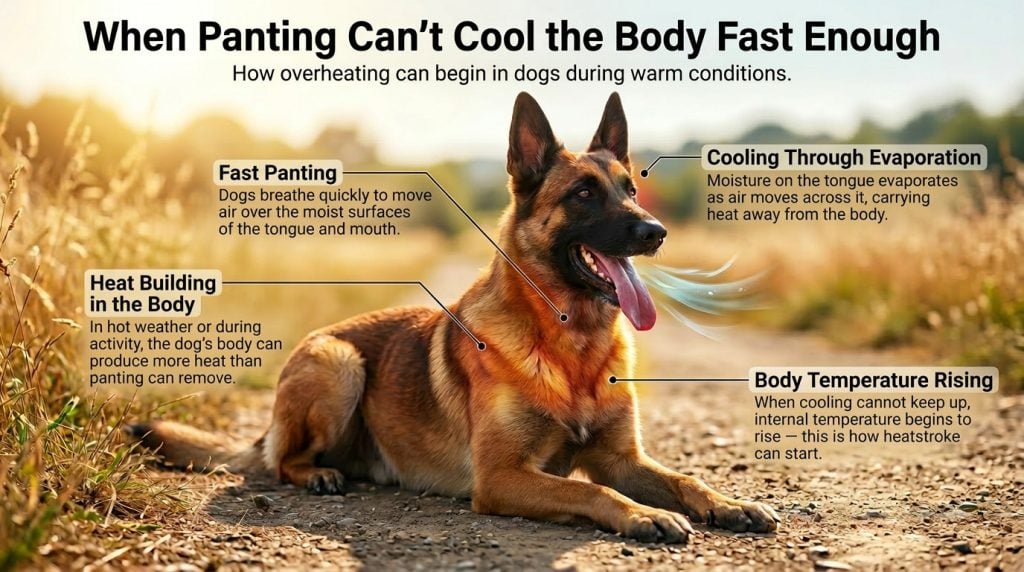
Heatstroke in dogs occurs when a dog’s body temperature rises faster than it can safely cool itself.
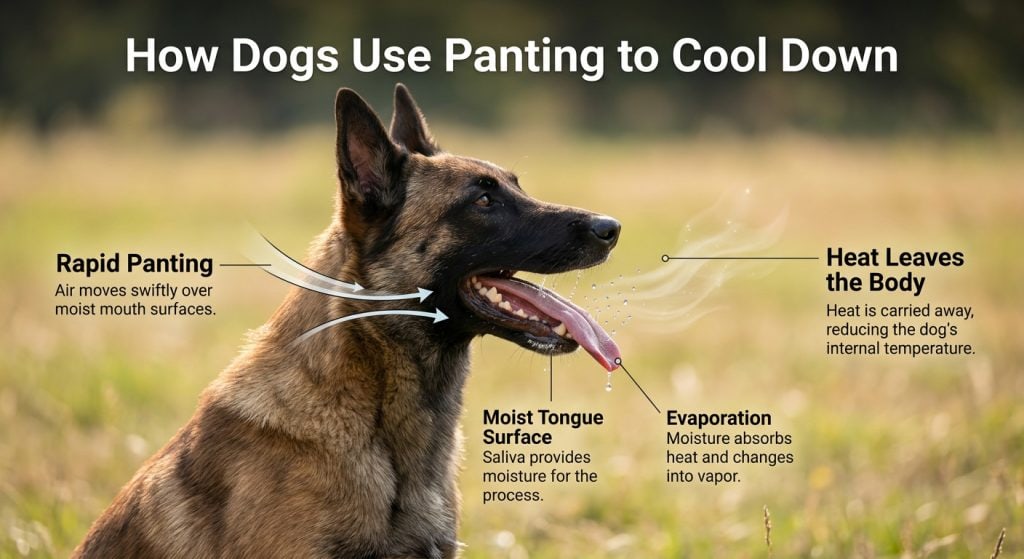
Unlike people, dogs do not cool down primarily through sweating. Instead, they rely heavily on panting and limited heat release through areas like their paw pads and nose. This system works well under normal conditions, but it has limits.
When temperatures rise — or when activity, humidity, or poor ventilation prevent heat from escaping — the body can begin to overheat.
If the temperature continues to climb, the dog’s normal cooling mechanisms can no longer keep up. At that point, what began as simple overheating can develop into heatstroke.
Understanding this process helps explain why situations that seem harmless at first can sometimes escalate more quickly than expected.
How dogs develop heatstroke
Heatstroke rarely happens suddenly out of nowhere. It usually develops through a combination of circumstances.
Warm weather is the most obvious factor, but it’s not the only one. Exercise, direct sunlight, poor airflow, and high humidity can all make it harder for a dog’s body to cool itself.
For example, heatstroke in dogs may develop when:
- A dog exercises vigorously on a warm day
- A dog spends time in a poorly ventilated space
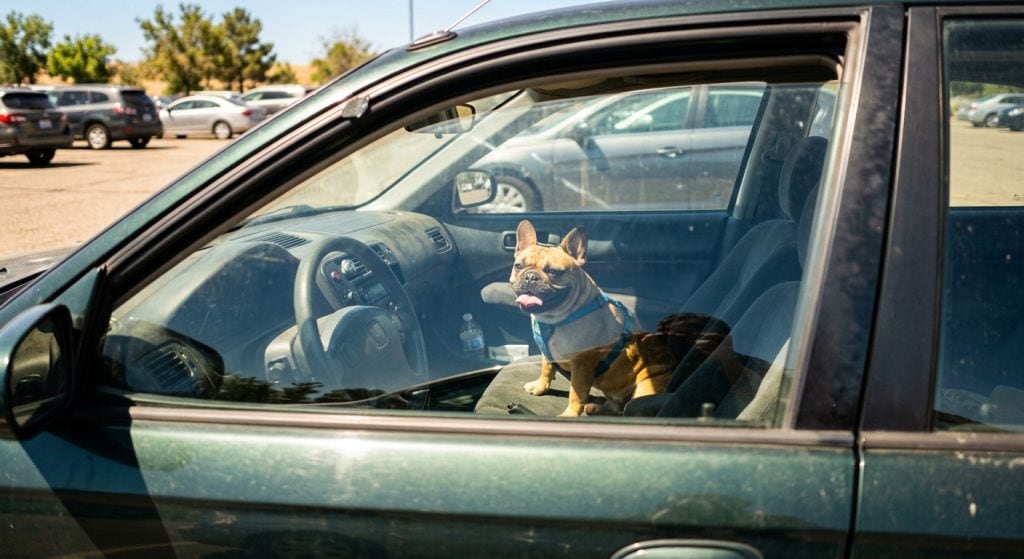
- A dog remains in a parked car, even briefly
- A dog walks on hot surfaces with little shade available
Some dogs are also more vulnerable to overheating. Flat-faced breeds, older dogs, overweight dogs, and those with underlying health issues may struggle more to regulate their body temperature.
But heatstroke can affect any dog under the right conditions, which is why awareness is so important.
What’s happening inside the dog
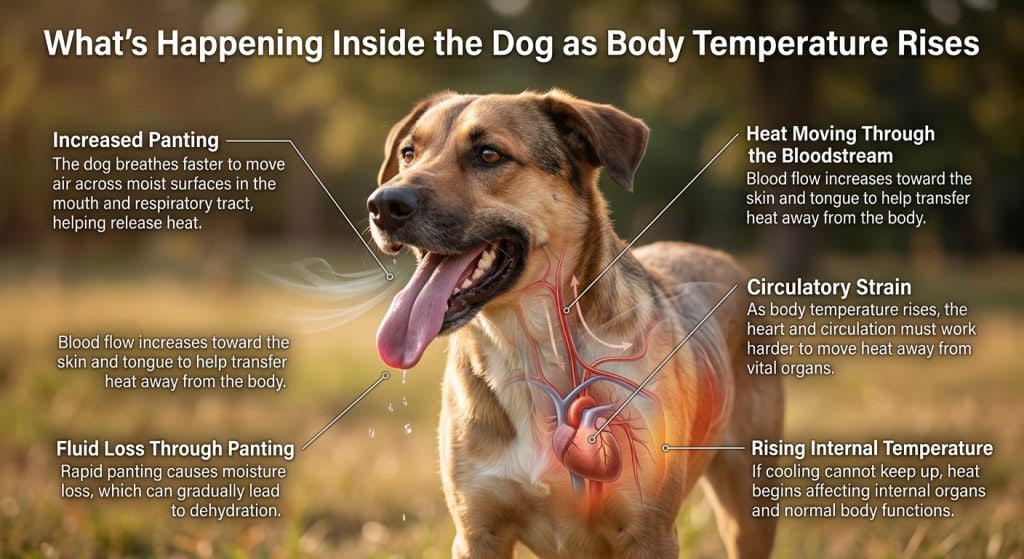
As a dog’s body temperature rises, the body begins working harder to cool itself.
Panting increases as the dog tries to release heat through evaporation in the mouth and respiratory system. Blood flow also shifts toward the skin in an attempt to lose heat more efficiently.
At first, these adjustments can be enough to bring the temperature back down.
But if heat continues to build, the body’s systems start to struggle. Dehydration can develop, circulation becomes strained, and internal organs may begin to feel the effects of the rising temperature.
This is why early recognition is so important. The sooner a dog is cooled down, the easier it is for the body to recover.
Signs of heatstroke in dogs
Dogs experiencing heatstroke often show changes in behaviour before more obvious symptoms appear.
One of the earliest signs is heavy, persistent panting. The dog may appear restless, slow down during activity, or begin searching for shade or water.
As the body temperature rises further, additional signs may develop. Dogs may drool excessively, appear unusually tired, or seem less responsive than normal.
In more advanced cases, a dog may struggle to stand steadily, vomit, or collapse.
Recognising these changes early makes it much easier to respond before the situation becomes more serious.
What to do if you suspect heatstroke in dogs
If a dog appears to be overheating, the first priority is to help lower their body temperature gradually and safely.
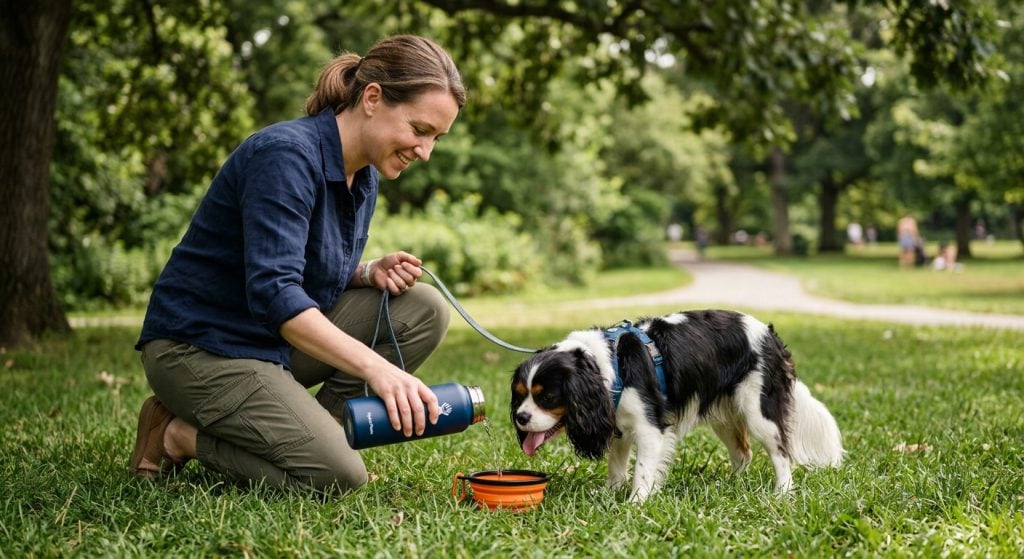
Move the dog into a shaded or cooler area as soon as possible. Offering small amounts of fresh water can help, but it’s important not to force drinking.
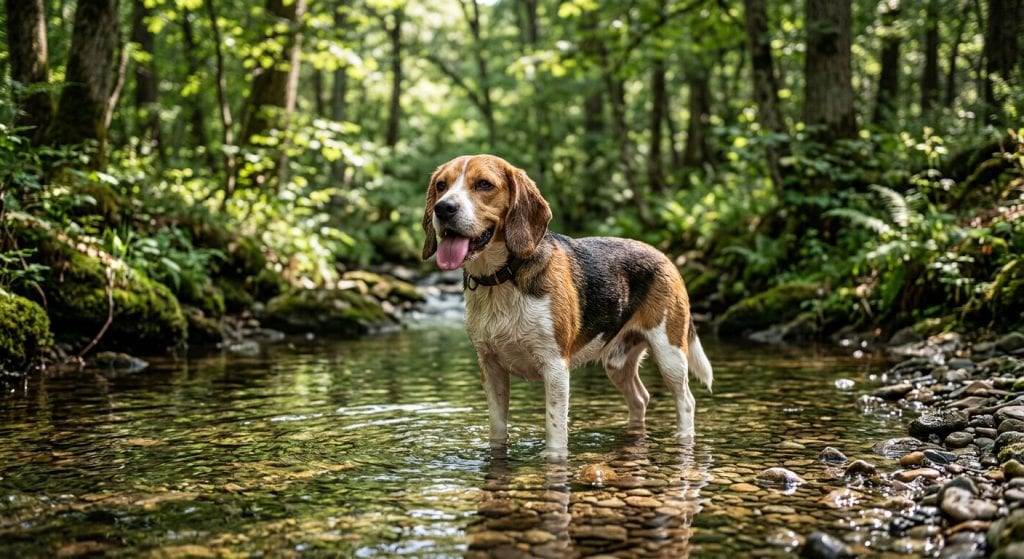
Cooling the dog slowly is key. This can be done by using cool (not ice-cold) water on the body, particularly around areas such as the belly, paws, and neck. Increasing airflow with a fan or moving into an air-conditioned space can also help.
The goal is to reduce the dog’s temperature steadily rather than suddenly.
If the dog shows severe symptoms, appears disoriented, or does not begin improving once cooled, veterinary advice should be sought as soon as possible.
Why understanding heatstroke matters
Situations involving heat can feel worrying when you encounter them for the first time as a dog owner.
But heatstroke in dogs is often preventable once owners understand how easily it can develop and what early signs look like.
Simple awareness — choosing cooler walking times, providing shade, ensuring good airflow, and recognising when a dog needs a break — can prevent many situations from escalating.
Knowledge allows owners to respond calmly and confidently rather than feeling uncertain about what to do.
A calm and confident approach
Dogs rely on us to notice the things they cannot explain.
Changes in energy, behaviour, or breathing are often the first quiet signals that something isn’t quite right. Learning to recognise these signals makes it easier to respond early and keep situations from becoming more serious.
Most of the time, a little awareness and quick action are enough to resolve the situation safely.
And with that understanding, warm days and outdoor adventures can remain just as enjoyable for both dogs and their owners.
Explore More Dog Health & Safety Topics
This topic forms part of our Dog Health & Safety guide, where we explore common risks, prevention, and practical ways owners can help keep their dogs safe and healthy.
Looking ahead
As we continue through this section, we’ll begin exploring simple first aid knowledge for dog owners — the kind of practical understanding that helps you stay calm and respond confidently when something unexpected happens.
These topics form part of our upcoming Dog First Aid: A Practical Guide, designed to give owners clear, practical knowledge for everyday situations.