
Treeing Walker Coonhound
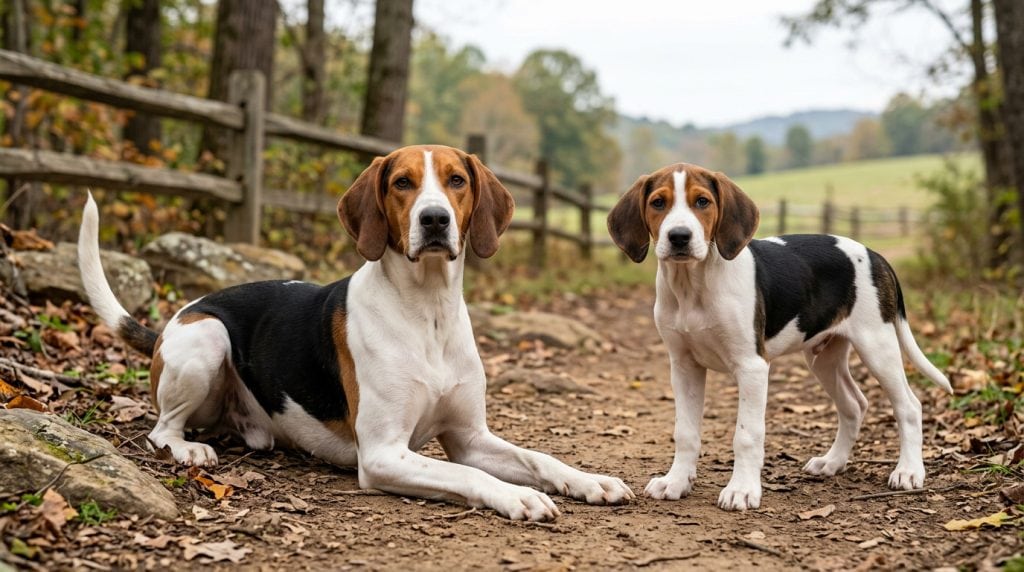
Living with a Treeing Walker Coonhound is often a lively experience. Known for their keen sense of smell and energetic nature, they bring a vibrant presence to any home. Owners frequently notice their dog's enthusiasm for outdoor adventures and a strong drive to follow scents, making them both engaging and sometimes a bit of a handful.
At a glance
Core care
- Size: Large
- Energy: High
- Grooming: Low
- Shedding: Moderate
Support style
- Sensitivity: Moderate
- Training style: Willing
Breed guide
Choose a section to explore. These notes describe common patterns, but individual dogs vary widely.
The Treeing Walker Coonhound has its roots deeply embedded in the hunting traditions of early America. Developed from the English Foxhound, this breed was designed for its ability to track and tree raccoons, a task that required both stamina and a keen sense of smell. Today, these hounds retain much of their hunting heritage, often displaying a strong prey drive and an eagerness to explore their surroundings. This history is evident in their modern behaviour, where they are known for their persistence and enthusiasm in outdoor activities.
Physically, the Treeing Walker Coonhound is a large and athletic dog, built for endurance and speed. Their sleek, muscular bodies are well-suited for the rigours of a long chase, and this translates into a dog that requires ample exercise to stay happy and healthy. Owners often find that their hound’s energy levels necessitate regular, vigorous activity, whether that be long walks, runs, or play sessions in a secure area. Their short, smooth coat is relatively low maintenance, shedding moderately throughout the year.
In terms of temperament, these hounds are generally friendly and sociable, often forming strong bonds with their families. They tend to be outgoing and enjoy the company of both humans and other dogs. However, their independent streak can sometimes make them seem aloof or stubborn, especially when they catch an interesting scent. This mix of sociability and independence means that while they are generally good-natured, they can also be quite single-minded when something captures their interest.
Prospective owners should be prepared for a dog that thrives on activity and engagement. While they are generally willing to learn, their independent nature can pose a challenge, requiring patience and consistency in training. As with any breed, individual personalities can vary, and factors such as upbringing and environment will play significant roles in shaping each dog’s character.
Treeing Walker Coonhounds are known for their social and outgoing nature, often displaying a friendly demeanour towards both people and other dogs. Many owners notice that their hound is eager to join in family activities, whether it’s a walk in the park or a relaxed evening at home. This sociability is rooted in their history as pack animals, where cooperation and companionship were essential traits for successful hunting.
Their behavioural tendencies often include a strong desire to follow scents, which can sometimes lead them to wander if not properly supervised. This instinctive drive is a hallmark of their hunting lineage, and understanding this can help owners manage their hound’s natural curiosity. While they are generally good with children, their energetic nature means they might be a bit too boisterous for very young kids without supervision.
Sensitivity in Treeing Walker Coonhounds can vary, but many are moderately sensitive to their environment and the emotions of their human companions. This means they can often pick up on household dynamics and may respond to changes in routine or mood. Their willingness to train is usually high, although their independent streak can sometimes require a bit more patience and creativity from their owners.
Overall, these hounds tend to thrive in environments where they have plenty of opportunities for physical and mental stimulation. Their trainability, combined with their social nature, means they can excel in activities that engage both their bodies and minds. However, as with any breed, individual variations exist, and understanding your specific dog’s personality is key to a harmonious relationship.
A typical day for a Treeing Walker Coonhound involves plenty of physical activity. These dogs are happiest when they have the opportunity to stretch their legs and explore their environment, often requiring more exercise than the average dog. Owners commonly find that a combination of long walks, runs, and play sessions helps to satisfy their hound’s high energy levels. This breed thrives on variety, so mixing up activities can keep them engaged and happy.
Mental enrichment is equally important for these intelligent hounds. Puzzle toys, scent games, and training sessions can provide the mental stimulation they need to stay sharp and content. Given their strong scenting ability, activities that tap into this natural talent, such as tracking exercises, can be particularly rewarding. It’s important to remember that a bored Treeing Walker Coonhound may resort to undesirable behaviours, so keeping their minds as busy as their bodies is crucial.
As these dogs age, their exercise needs may change, but they will likely still require regular activity to maintain their health and happiness. Older hounds might appreciate shorter, more frequent walks or gentler play sessions to accommodate any age-related limitations. However, their love for exploration and the outdoors often remains strong throughout their lives.
Owners should be mindful of providing safe, secure spaces for their hounds to exercise, as their strong prey drive can sometimes lead them to chase after interesting scents or wildlife. A well-fenced garden or access to secure off-lead areas can be invaluable in allowing these dogs the freedom to run and explore without the risk of wandering off.
Training a Treeing Walker Coonhound can often feel like a rewarding challenge. These dogs are generally willing to learn, but their independent nature means they may not always be as eager to please as some other breeds. Owners often find success with positive reinforcement techniques, which tap into the hound’s desire for praise and rewards. Consistency and patience are key, as these dogs can sometimes be stubborn, especially when distracted by an interesting scent.
Impulse control is an important aspect of training for this breed. Given their strong prey drive, teaching reliable recall and basic commands can help manage their natural instincts. Many owners find that incorporating scent work into training sessions can be particularly effective, as it aligns with the hound’s natural talents and keeps them engaged.
Adolescence can present additional challenges, as with many breeds, but maintaining a consistent training routine can help navigate this period. It’s important to continue reinforcing good behaviours and addressing any unwanted habits that may arise. Socialisation during this stage is also crucial, helping to ensure that the hound remains well-adjusted and confident in various environments.
Building a strong relationship based on trust and mutual respect is essential for successful training. Understanding the breed’s motivations and working with their natural instincts can lead to a more harmonious training experience. For those new to the breed or seeking additional guidance, enrolling in a course like “Understand Your Dog: Dog Psychology for Beginners” can provide valuable insights into effective training strategies.
Treeing Walker Coonhounds tend to fit well in homes where they have access to plenty of outdoor space. Their energetic nature means they thrive in environments where they can run and explore, making them well-suited to rural or suburban settings with secure gardens. However, they can adapt to urban living if provided with sufficient exercise and stimulation.
Owners often find that these hounds integrate well into family life, forming strong bonds with their human companions. They are generally good with children, although their exuberance might be overwhelming for very young kids without supervision. Their sociable nature means they typically enjoy the company of other dogs, which can be beneficial in providing additional companionship and play opportunities.
Living with a Treeing Walker Coonhound requires a commitment to meeting their exercise and mental enrichment needs. Families who enjoy outdoor activities and have the time to dedicate to regular walks and play sessions often find this breed a good match. It’s important to ensure that their strong prey drive is managed through training and secure environments to prevent any wandering tendencies.
While these hounds are adaptable, prospective owners should consider whether their lifestyle can accommodate the breed’s needs. Understanding the commitment involved in providing the necessary physical and mental stimulation is key to ensuring a happy and well-adjusted dog. As with any breed, individual personalities and needs can vary, so getting to know your specific dog is crucial.
The health and wellbeing of a Treeing Walker Coonhound are closely tied to their lifestyle and care. Like many active breeds, maintaining a healthy weight through proper diet and exercise is crucial to their overall health. Regular vet check-ups help monitor their condition and catch any potential issues early.
Common health considerations for this breed include hip dysplasia and ear infections, both of which can be managed with preventive care. Ensuring they have a balanced diet and appropriate exercise can help mitigate joint issues, while regular ear cleaning can prevent infections. Owners should be vigilant about any changes in their dog’s behaviour or physical condition, as these can often be early indicators of health problems.
Understanding the connection between health and behaviour is important, as discomfort or pain can sometimes manifest as changes in temperament or activity levels. Regular dental care is also important, as oral health can impact overall wellbeing. Providing chew toys and regular teeth cleaning can help maintain dental health.
When in doubt, seeking veterinary advice is always recommended. A proactive approach to health care, including vaccinations and parasite prevention, is essential for keeping a Treeing Walker Coonhound healthy and happy. By staying informed and attentive to their dog’s needs, owners can ensure their hound enjoys a long and active life.
The Treeing Walker Coonhound’s history is a fascinating tale of adaptation and purpose. Originating in the United States, this breed was developed from the English Foxhound, brought over by early settlers. The goal was to create a dog with the endurance and scenting ability to track and tree raccoons, a valuable skill for hunters in the dense American forests.
The breed’s development focused on enhancing traits that would make them effective hunting companions. This included a keen sense of smell, strong prey drive, and the ability to work independently yet cooperatively in a pack. The result was a hound that could tirelessly pursue game over long distances and challenging terrain.
As the breed evolved, it became known for its distinctive baying voice, used to alert hunters to the location of treed game. This vocalisation remains a characteristic feature of the breed today, often delighting owners with its unique sound. The Treeing Walker Coonhound’s history as a working dog explains many of its modern traits, such as its high energy levels and strong instincts.
Understanding this breed’s origins provides insight into their behaviour and needs. Their history as hunting dogs means they thrive on activity and mental stimulation, and their independent nature reflects their role as problem-solvers in the field. This background helps owners appreciate the breed’s unique qualities and the importance of providing a lifestyle that honours their heritage.
What shapes individual dogs
- Early social experiences
- Training approach
- Environment & routine
- Genetics & breeding
- Health & pain
- Age / life stage
The Treeing Walker Coonhound has its roots deeply embedded in the hunting traditions of early America. Developed from the English Foxhound, this breed was designed for its ability to track and tree raccoons, a task that required both stamina and a keen sense of smell. Today, these hounds retain much of their hunting heritage, often displaying a strong prey drive and an eagerness to explore their surroundings. This history is evident in their modern behaviour, where they are known for their persistence and enthusiasm in outdoor activities.
Physically, the Treeing Walker Coonhound is a large and athletic dog, built for endurance and speed. Their sleek, muscular bodies are well-suited for the rigours of a long chase, and this translates into a dog that requires ample exercise to stay happy and healthy. Owners often find that their hound’s energy levels necessitate regular, vigorous activity, whether that be long walks, runs, or play sessions in a secure area. Their short, smooth coat is relatively low maintenance, shedding moderately throughout the year.
In terms of temperament, these hounds are generally friendly and sociable, often forming strong bonds with their families. They tend to be outgoing and enjoy the company of both humans and other dogs. However, their independent streak can sometimes make them seem aloof or stubborn, especially when they catch an interesting scent. This mix of sociability and independence means that while they are generally good-natured, they can also be quite single-minded when something captures their interest.
Prospective owners should be prepared for a dog that thrives on activity and engagement. While they are generally willing to learn, their independent nature can pose a challenge, requiring patience and consistency in training. As with any breed, individual personalities can vary, and factors such as upbringing and environment will play significant roles in shaping each dog’s character.
Treeing Walker Coonhounds are known for their social and outgoing nature, often displaying a friendly demeanour towards both people and other dogs. Many owners notice that their hound is eager to join in family activities, whether it’s a walk in the park or a relaxed evening at home. This sociability is rooted in their history as pack animals, where cooperation and companionship were essential traits for successful hunting.
Their behavioural tendencies often include a strong desire to follow scents, which can sometimes lead them to wander if not properly supervised. This instinctive drive is a hallmark of their hunting lineage, and understanding this can help owners manage their hound’s natural curiosity. While they are generally good with children, their energetic nature means they might be a bit too boisterous for very young kids without supervision.
Sensitivity in Treeing Walker Coonhounds can vary, but many are moderately sensitive to their environment and the emotions of their human companions. This means they can often pick up on household dynamics and may respond to changes in routine or mood. Their willingness to train is usually high, although their independent streak can sometimes require a bit more patience and creativity from their owners.
Overall, these hounds tend to thrive in environments where they have plenty of opportunities for physical and mental stimulation. Their trainability, combined with their social nature, means they can excel in activities that engage both their bodies and minds. However, as with any breed, individual variations exist, and understanding your specific dog’s personality is key to a harmonious relationship.
A typical day for a Treeing Walker Coonhound involves plenty of physical activity. These dogs are happiest when they have the opportunity to stretch their legs and explore their environment, often requiring more exercise than the average dog. Owners commonly find that a combination of long walks, runs, and play sessions helps to satisfy their hound’s high energy levels. This breed thrives on variety, so mixing up activities can keep them engaged and happy.
Mental enrichment is equally important for these intelligent hounds. Puzzle toys, scent games, and training sessions can provide the mental stimulation they need to stay sharp and content. Given their strong scenting ability, activities that tap into this natural talent, such as tracking exercises, can be particularly rewarding. It’s important to remember that a bored Treeing Walker Coonhound may resort to undesirable behaviours, so keeping their minds as busy as their bodies is crucial.
As these dogs age, their exercise needs may change, but they will likely still require regular activity to maintain their health and happiness. Older hounds might appreciate shorter, more frequent walks or gentler play sessions to accommodate any age-related limitations. However, their love for exploration and the outdoors often remains strong throughout their lives.
Owners should be mindful of providing safe, secure spaces for their hounds to exercise, as their strong prey drive can sometimes lead them to chase after interesting scents or wildlife. A well-fenced garden or access to secure off-lead areas can be invaluable in allowing these dogs the freedom to run and explore without the risk of wandering off.
Training a Treeing Walker Coonhound can often feel like a rewarding challenge. These dogs are generally willing to learn, but their independent nature means they may not always be as eager to please as some other breeds. Owners often find success with positive reinforcement techniques, which tap into the hound’s desire for praise and rewards. Consistency and patience are key, as these dogs can sometimes be stubborn, especially when distracted by an interesting scent.
Impulse control is an important aspect of training for this breed. Given their strong prey drive, teaching reliable recall and basic commands can help manage their natural instincts. Many owners find that incorporating scent work into training sessions can be particularly effective, as it aligns with the hound’s natural talents and keeps them engaged.
Adolescence can present additional challenges, as with many breeds, but maintaining a consistent training routine can help navigate this period. It’s important to continue reinforcing good behaviours and addressing any unwanted habits that may arise. Socialisation during this stage is also crucial, helping to ensure that the hound remains well-adjusted and confident in various environments.
Building a strong relationship based on trust and mutual respect is essential for successful training. Understanding the breed’s motivations and working with their natural instincts can lead to a more harmonious training experience. For those new to the breed or seeking additional guidance, enrolling in a course like “Understand Your Dog: Dog Psychology for Beginners” can provide valuable insights into effective training strategies.
Treeing Walker Coonhounds tend to fit well in homes where they have access to plenty of outdoor space. Their energetic nature means they thrive in environments where they can run and explore, making them well-suited to rural or suburban settings with secure gardens. However, they can adapt to urban living if provided with sufficient exercise and stimulation.
Owners often find that these hounds integrate well into family life, forming strong bonds with their human companions. They are generally good with children, although their exuberance might be overwhelming for very young kids without supervision. Their sociable nature means they typically enjoy the company of other dogs, which can be beneficial in providing additional companionship and play opportunities.
Living with a Treeing Walker Coonhound requires a commitment to meeting their exercise and mental enrichment needs. Families who enjoy outdoor activities and have the time to dedicate to regular walks and play sessions often find this breed a good match. It’s important to ensure that their strong prey drive is managed through training and secure environments to prevent any wandering tendencies.
While these hounds are adaptable, prospective owners should consider whether their lifestyle can accommodate the breed’s needs. Understanding the commitment involved in providing the necessary physical and mental stimulation is key to ensuring a happy and well-adjusted dog. As with any breed, individual personalities and needs can vary, so getting to know your specific dog is crucial.
The health and wellbeing of a Treeing Walker Coonhound are closely tied to their lifestyle and care. Like many active breeds, maintaining a healthy weight through proper diet and exercise is crucial to their overall health. Regular vet check-ups help monitor their condition and catch any potential issues early.
Common health considerations for this breed include hip dysplasia and ear infections, both of which can be managed with preventive care. Ensuring they have a balanced diet and appropriate exercise can help mitigate joint issues, while regular ear cleaning can prevent infections. Owners should be vigilant about any changes in their dog’s behaviour or physical condition, as these can often be early indicators of health problems.
Understanding the connection between health and behaviour is important, as discomfort or pain can sometimes manifest as changes in temperament or activity levels. Regular dental care is also important, as oral health can impact overall wellbeing. Providing chew toys and regular teeth cleaning can help maintain dental health.
When in doubt, seeking veterinary advice is always recommended. A proactive approach to health care, including vaccinations and parasite prevention, is essential for keeping a Treeing Walker Coonhound healthy and happy. By staying informed and attentive to their dog’s needs, owners can ensure their hound enjoys a long and active life.
The Treeing Walker Coonhound’s history is a fascinating tale of adaptation and purpose. Originating in the United States, this breed was developed from the English Foxhound, brought over by early settlers. The goal was to create a dog with the endurance and scenting ability to track and tree raccoons, a valuable skill for hunters in the dense American forests.
The breed’s development focused on enhancing traits that would make them effective hunting companions. This included a keen sense of smell, strong prey drive, and the ability to work independently yet cooperatively in a pack. The result was a hound that could tirelessly pursue game over long distances and challenging terrain.
As the breed evolved, it became known for its distinctive baying voice, used to alert hunters to the location of treed game. This vocalisation remains a characteristic feature of the breed today, often delighting owners with its unique sound. The Treeing Walker Coonhound’s history as a working dog explains many of its modern traits, such as its high energy levels and strong instincts.
Understanding this breed’s origins provides insight into their behaviour and needs. Their history as hunting dogs means they thrive on activity and mental stimulation, and their independent nature reflects their role as problem-solvers in the field. This background helps owners appreciate the breed’s unique qualities and the importance of providing a lifestyle that honours their heritage.
What shapes individual dogs
- Early social experiences
- Training approach
- Environment & routine
- Genetics & breeding
- Health & pain
- Age / life stage
Want support with this?
This course provides valuable insights into the unique behavioural traits of the Treeing Walker Coonhound, helping owners better understand and train their dog.