
Teddy Roosevelt Terrier
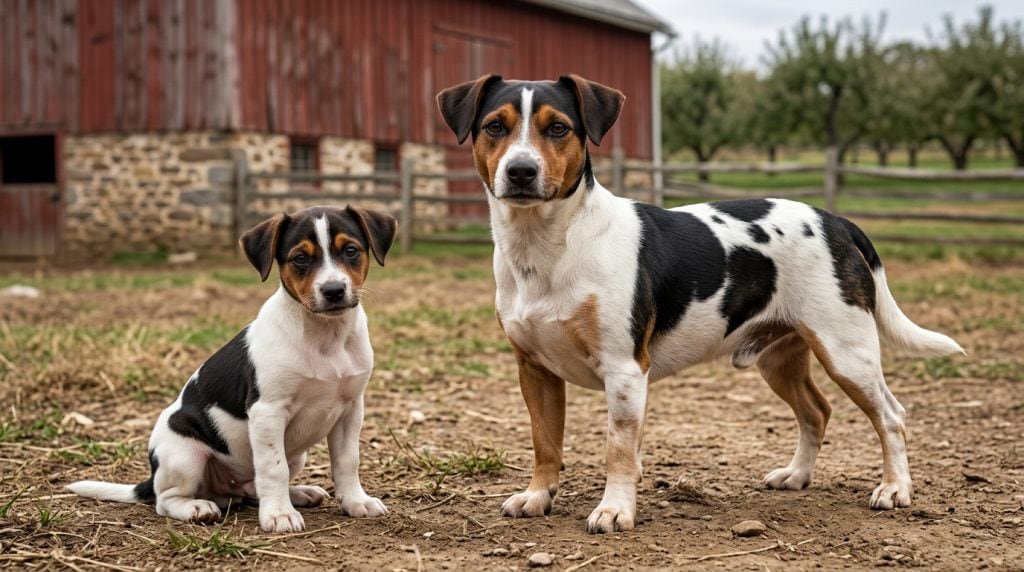
Living with a Teddy Roosevelt Terrier often feels like sharing your space with a spirited, yet deeply affectionate companion. These dogs tend to be alert and lively, frequently engaging with their environment and people. With a natural inclination for companionship, many owners find them to be both energetic playmates and loyal lap dogs.
At a glance
Core care
- Size: Small
- Energy: Moderate to high
- Grooming: Low
- Shedding: Low
Support style
- Sensitivity: Moderate
- Training style: Willing
Breed guide
Choose a section to explore. These notes describe common patterns, but individual dogs vary widely.
The Teddy Roosevelt Terrier has its roots in the early 20th century, developed in the United States as a versatile farm dog. Known for their ratting abilities, these terriers were prized for their tenacity and drive to work, traits that have carried over into their modern-day personalities. Today, they often display a lively curiosity and a keen sense of adventure, making them engaging companions for those who appreciate a dog with a bit of spirit.
Physically, the Teddy Roosevelt Terrier is a small yet sturdy breed. Their compact size makes them well-suited for various living situations, from apartments to larger homes with gardens. Despite their small stature, they carry themselves with a confident air, often surprising those unfamiliar with their breed with their agility and speed. This physicality means they can keep up with active families, yet their size also allows them to be comfortable in smaller spaces.
In terms of temperament, Teddy Roosevelt Terriers are known for their affectionate nature and willingness to engage with their families. Many owners notice how these dogs form strong bonds with their people, often seeking out attention and interaction. They can be quite sensitive, picking up on the moods and emotions of those around them, which can make them both intuitive companions and occasionally a bit demanding of attention.
As with any breed, individual Teddy Roosevelt Terriers can vary in their behaviour and needs. While many share common traits, each dog will have its own personality shaped by genetics, upbringing, and environment. Prospective owners should be prepared for a dog that may require a balance of mental stimulation and affection, and should appreciate the unique quirks that come with this delightful breed.
Teddy Roosevelt Terriers often exhibit a social and engaging nature that makes them delightful companions. They tend to thrive in environments where they can interact frequently with their human families, and many owners note their dogs’ preference for being involved in daily activities. This social inclination often means they are happiest when they can be part of the action, whether that’s joining in on a family game or simply being present in the room.
Their moderate sensitivity can make them quite attuned to the emotions and dynamics within their household. This sensitivity means they often respond well to gentle guidance and positive reinforcement, as they are eager to please and dislike harsh corrections. Owners frequently observe that these dogs can be quite intuitive, often picking up on subtle cues and adjusting their behaviour accordingly.
Trainability is another aspect where the Teddy Roosevelt Terrier shines. Their willingness to learn and engage with training sessions can make them a joy to work with. Many owners find that these dogs respond well to consistent routines and clear expectations, which help them understand their place within the family structure. However, like all dogs, they benefit from patience and understanding, especially during their formative years.
While they generally enjoy social interactions, individual Teddy Roosevelt Terriers can vary in how they express their social tendencies. Some may be more outgoing and eager to meet new people and pets, while others might be more reserved and take time to warm up to strangers. Understanding and respecting these individual differences is key to fostering a healthy and happy relationship with a Teddy Roosevelt Terrier.
A typical day for a Teddy Roosevelt Terrier involves a mix of physical activity and mental stimulation to keep them content. These dogs have moderate to high energy levels, so they benefit from regular walks and play sessions. Many owners find that a couple of brisk walks each day, combined with some interactive playtime, helps to channel their energy effectively.
In addition to physical exercise, Teddy Roosevelt Terriers enjoy activities that engage their minds. Puzzle toys, scent games, and basic obedience training sessions can provide the mental enrichment they crave. These activities not only keep them entertained but also help to strengthen the bond between dog and owner, as they often enjoy the challenge and interaction these games provide.
As they age, the exercise needs of Teddy Roosevelt Terriers may change. While puppies and young adults often require more frequent activity to burn off their youthful energy, older dogs might prefer shorter, more leisurely walks. It’s important for owners to adjust their routines to match their dog’s changing needs, ensuring they remain healthy and happy throughout their lives.
It’s also worth noting that while they enjoy being active, Teddy Roosevelt Terriers should not be over-exercised, especially in extreme weather conditions. Providing a balance of activity and rest is crucial, as is ensuring they have a comfortable space to relax and recuperate after playtime. By understanding and meeting their exercise needs, owners can help their Teddy Roosevelt Terrier thrive.
Training a Teddy Roosevelt Terrier often feels like a rewarding experience, thanks to their willingness to learn and engage. Many owners find that these dogs respond well to positive reinforcement techniques, such as treats and praise, which encourage them to repeat desired behaviours. Their eagerness to please makes them relatively easy to train, provided that training sessions are consistent and enjoyable.
Impulse control can sometimes be a challenge, particularly during adolescence when these terriers may test boundaries. Patience and consistency are key during this stage, as is maintaining a calm and supportive training environment. Owners often find success by setting clear rules and expectations, helping their dogs understand what is expected of them.
Building a strong relationship based on trust and mutual respect is crucial when training a Teddy Roosevelt Terrier. These dogs thrive on interaction and attention, so incorporating training into daily routines can be beneficial. Short, frequent training sessions are often more effective than longer, less frequent ones, as they keep the dog engaged without overwhelming them.
For new owners or those facing challenges, enrolling in a training class or seeking guidance from a professional trainer can be helpful. Such support can provide valuable insights and techniques tailored to the breed’s specific needs. Overall, with the right approach, training a Teddy Roosevelt Terrier can be a fulfilling journey that strengthens the bond between dog and owner.
Teddy Roosevelt Terriers tend to adapt well to a variety of living environments, making them a versatile choice for many households. Their small size means they can be comfortable in both apartments and larger homes, provided they receive enough exercise and mental stimulation. Many owners find that these dogs thrive in homes where they can be part of the family activities, as they enjoy being involved and engaged.
When it comes to living with children, Teddy Roosevelt Terriers often do well, especially if they are raised with kids from a young age. Their playful nature can make them great companions for children, though supervision is always recommended to ensure interactions are safe and positive for both the dog and the child. Teaching children how to interact respectfully with dogs is also important for fostering a harmonious relationship.
These terriers can also coexist with other pets, particularly if they are socialised early. While they have a strong prey drive due to their ratting background, many can learn to live peacefully with other animals, especially if introductions are handled carefully and positively. However, individual temperament and early socialisation can greatly influence how they interact with other pets.
Ultimately, the Teddy Roosevelt Terrier can fit into a variety of lifestyles, but they do best in homes where they receive plenty of attention and stimulation. Prospective owners should consider their ability to meet the breed’s social and exercise needs, ensuring they can provide a loving and engaging environment for their new companion.
The health of a Teddy Roosevelt Terrier is closely linked to their overall wellbeing and quality of life. While generally a healthy breed, they can be prone to certain genetic conditions, so regular veterinary check-ups are important to catch any potential issues early. Preventive care, such as vaccinations and parasite control, plays a crucial role in maintaining their health.
Some health concerns that may affect this breed include patellar luxation and hip dysplasia, conditions that can impact their mobility and comfort. Regular monitoring and maintaining a healthy weight can help manage these issues. Owners should be vigilant for any signs of discomfort or changes in behaviour that might indicate a health problem, seeking veterinary advice when necessary.
Dental health is another important aspect of caring for a Teddy Roosevelt Terrier. Regular tooth brushing and dental check-ups can help prevent periodontal disease, which is common in small breeds. Providing dental chews and toys can also support oral health by reducing plaque build-up.
Overall, maintaining a balanced diet, regular exercise, and routine veterinary care are key to ensuring a Teddy Roosevelt Terrier remains healthy and happy. By being proactive about their health, owners can help their dogs lead long, fulfilling lives.
The Teddy Roosevelt Terrier has a rich history that dates back to the early 20th century in the United States. Originally bred as a farm dog, they were developed for their ratting abilities, excelling in controlling vermin populations. This working background has instilled in them a strong prey drive and a tenacious spirit, traits that are still evident in the breed today.
Named after the 26th President of the United States, Teddy Roosevelt, these terriers were initially part of the Rat Terrier breed. Over time, breeders focused on developing a distinct type that was smaller and more suited to working in tight spaces, leading to the establishment of the Teddy Roosevelt Terrier as a separate breed. Their compact size and agility made them ideal for farm work and household companionship.
The breed’s development was influenced by a variety of terrier breeds, including the Smooth Fox Terrier and the Manchester Terrier, which contributed to their spirited and lively nature. This diverse genetic background has given them a robust constitution and a versatile skill set, making them adaptable to various roles beyond their original purpose.
Today, the Teddy Roosevelt Terrier is cherished as a companion dog, valued for their loyalty and engaging personality. Their history as a working terrier explains their energetic and alert nature, traits that continue to make them popular among those who appreciate a dog with a bit of spunk and a strong connection to its family.
What shapes individual dogs
- Early social experiences
- Training approach
- Environment & routine
- Genetics & breeding
- Health & pain
- Age / life stage
The Teddy Roosevelt Terrier has its roots in the early 20th century, developed in the United States as a versatile farm dog. Known for their ratting abilities, these terriers were prized for their tenacity and drive to work, traits that have carried over into their modern-day personalities. Today, they often display a lively curiosity and a keen sense of adventure, making them engaging companions for those who appreciate a dog with a bit of spirit.
Physically, the Teddy Roosevelt Terrier is a small yet sturdy breed. Their compact size makes them well-suited for various living situations, from apartments to larger homes with gardens. Despite their small stature, they carry themselves with a confident air, often surprising those unfamiliar with their breed with their agility and speed. This physicality means they can keep up with active families, yet their size also allows them to be comfortable in smaller spaces.
In terms of temperament, Teddy Roosevelt Terriers are known for their affectionate nature and willingness to engage with their families. Many owners notice how these dogs form strong bonds with their people, often seeking out attention and interaction. They can be quite sensitive, picking up on the moods and emotions of those around them, which can make them both intuitive companions and occasionally a bit demanding of attention.
As with any breed, individual Teddy Roosevelt Terriers can vary in their behaviour and needs. While many share common traits, each dog will have its own personality shaped by genetics, upbringing, and environment. Prospective owners should be prepared for a dog that may require a balance of mental stimulation and affection, and should appreciate the unique quirks that come with this delightful breed.
Teddy Roosevelt Terriers often exhibit a social and engaging nature that makes them delightful companions. They tend to thrive in environments where they can interact frequently with their human families, and many owners note their dogs’ preference for being involved in daily activities. This social inclination often means they are happiest when they can be part of the action, whether that’s joining in on a family game or simply being present in the room.
Their moderate sensitivity can make them quite attuned to the emotions and dynamics within their household. This sensitivity means they often respond well to gentle guidance and positive reinforcement, as they are eager to please and dislike harsh corrections. Owners frequently observe that these dogs can be quite intuitive, often picking up on subtle cues and adjusting their behaviour accordingly.
Trainability is another aspect where the Teddy Roosevelt Terrier shines. Their willingness to learn and engage with training sessions can make them a joy to work with. Many owners find that these dogs respond well to consistent routines and clear expectations, which help them understand their place within the family structure. However, like all dogs, they benefit from patience and understanding, especially during their formative years.
While they generally enjoy social interactions, individual Teddy Roosevelt Terriers can vary in how they express their social tendencies. Some may be more outgoing and eager to meet new people and pets, while others might be more reserved and take time to warm up to strangers. Understanding and respecting these individual differences is key to fostering a healthy and happy relationship with a Teddy Roosevelt Terrier.
A typical day for a Teddy Roosevelt Terrier involves a mix of physical activity and mental stimulation to keep them content. These dogs have moderate to high energy levels, so they benefit from regular walks and play sessions. Many owners find that a couple of brisk walks each day, combined with some interactive playtime, helps to channel their energy effectively.
In addition to physical exercise, Teddy Roosevelt Terriers enjoy activities that engage their minds. Puzzle toys, scent games, and basic obedience training sessions can provide the mental enrichment they crave. These activities not only keep them entertained but also help to strengthen the bond between dog and owner, as they often enjoy the challenge and interaction these games provide.
As they age, the exercise needs of Teddy Roosevelt Terriers may change. While puppies and young adults often require more frequent activity to burn off their youthful energy, older dogs might prefer shorter, more leisurely walks. It’s important for owners to adjust their routines to match their dog’s changing needs, ensuring they remain healthy and happy throughout their lives.
It’s also worth noting that while they enjoy being active, Teddy Roosevelt Terriers should not be over-exercised, especially in extreme weather conditions. Providing a balance of activity and rest is crucial, as is ensuring they have a comfortable space to relax and recuperate after playtime. By understanding and meeting their exercise needs, owners can help their Teddy Roosevelt Terrier thrive.
Training a Teddy Roosevelt Terrier often feels like a rewarding experience, thanks to their willingness to learn and engage. Many owners find that these dogs respond well to positive reinforcement techniques, such as treats and praise, which encourage them to repeat desired behaviours. Their eagerness to please makes them relatively easy to train, provided that training sessions are consistent and enjoyable.
Impulse control can sometimes be a challenge, particularly during adolescence when these terriers may test boundaries. Patience and consistency are key during this stage, as is maintaining a calm and supportive training environment. Owners often find success by setting clear rules and expectations, helping their dogs understand what is expected of them.
Building a strong relationship based on trust and mutual respect is crucial when training a Teddy Roosevelt Terrier. These dogs thrive on interaction and attention, so incorporating training into daily routines can be beneficial. Short, frequent training sessions are often more effective than longer, less frequent ones, as they keep the dog engaged without overwhelming them.
For new owners or those facing challenges, enrolling in a training class or seeking guidance from a professional trainer can be helpful. Such support can provide valuable insights and techniques tailored to the breed’s specific needs. Overall, with the right approach, training a Teddy Roosevelt Terrier can be a fulfilling journey that strengthens the bond between dog and owner.
Teddy Roosevelt Terriers tend to adapt well to a variety of living environments, making them a versatile choice for many households. Their small size means they can be comfortable in both apartments and larger homes, provided they receive enough exercise and mental stimulation. Many owners find that these dogs thrive in homes where they can be part of the family activities, as they enjoy being involved and engaged.
When it comes to living with children, Teddy Roosevelt Terriers often do well, especially if they are raised with kids from a young age. Their playful nature can make them great companions for children, though supervision is always recommended to ensure interactions are safe and positive for both the dog and the child. Teaching children how to interact respectfully with dogs is also important for fostering a harmonious relationship.
These terriers can also coexist with other pets, particularly if they are socialised early. While they have a strong prey drive due to their ratting background, many can learn to live peacefully with other animals, especially if introductions are handled carefully and positively. However, individual temperament and early socialisation can greatly influence how they interact with other pets.
Ultimately, the Teddy Roosevelt Terrier can fit into a variety of lifestyles, but they do best in homes where they receive plenty of attention and stimulation. Prospective owners should consider their ability to meet the breed’s social and exercise needs, ensuring they can provide a loving and engaging environment for their new companion.
The health of a Teddy Roosevelt Terrier is closely linked to their overall wellbeing and quality of life. While generally a healthy breed, they can be prone to certain genetic conditions, so regular veterinary check-ups are important to catch any potential issues early. Preventive care, such as vaccinations and parasite control, plays a crucial role in maintaining their health.
Some health concerns that may affect this breed include patellar luxation and hip dysplasia, conditions that can impact their mobility and comfort. Regular monitoring and maintaining a healthy weight can help manage these issues. Owners should be vigilant for any signs of discomfort or changes in behaviour that might indicate a health problem, seeking veterinary advice when necessary.
Dental health is another important aspect of caring for a Teddy Roosevelt Terrier. Regular tooth brushing and dental check-ups can help prevent periodontal disease, which is common in small breeds. Providing dental chews and toys can also support oral health by reducing plaque build-up.
Overall, maintaining a balanced diet, regular exercise, and routine veterinary care are key to ensuring a Teddy Roosevelt Terrier remains healthy and happy. By being proactive about their health, owners can help their dogs lead long, fulfilling lives.
The Teddy Roosevelt Terrier has a rich history that dates back to the early 20th century in the United States. Originally bred as a farm dog, they were developed for their ratting abilities, excelling in controlling vermin populations. This working background has instilled in them a strong prey drive and a tenacious spirit, traits that are still evident in the breed today.
Named after the 26th President of the United States, Teddy Roosevelt, these terriers were initially part of the Rat Terrier breed. Over time, breeders focused on developing a distinct type that was smaller and more suited to working in tight spaces, leading to the establishment of the Teddy Roosevelt Terrier as a separate breed. Their compact size and agility made them ideal for farm work and household companionship.
The breed’s development was influenced by a variety of terrier breeds, including the Smooth Fox Terrier and the Manchester Terrier, which contributed to their spirited and lively nature. This diverse genetic background has given them a robust constitution and a versatile skill set, making them adaptable to various roles beyond their original purpose.
Today, the Teddy Roosevelt Terrier is cherished as a companion dog, valued for their loyalty and engaging personality. Their history as a working terrier explains their energetic and alert nature, traits that continue to make them popular among those who appreciate a dog with a bit of spunk and a strong connection to its family.
What shapes individual dogs
- Early social experiences
- Training approach
- Environment & routine
- Genetics & breeding
- Health & pain
- Age / life stage
Want support with this?
This course is ideal for new owners looking to establish a calm and positive foundation with their Teddy Roosevelt Terrier.