
Swedish Vallhund
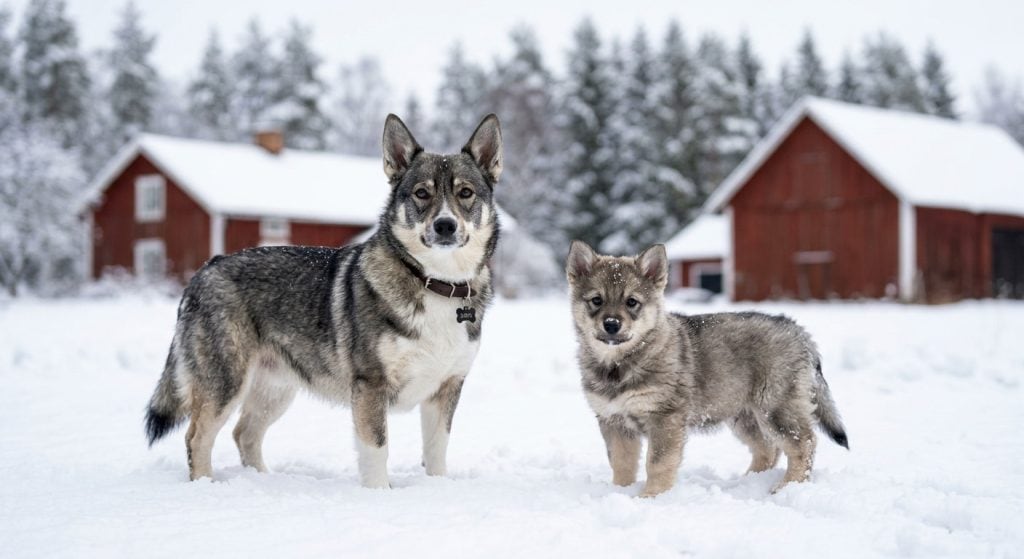
Swedish Vallhunds are lively and intelligent herding dogs known for their alert expression and energetic personality. Bred to manage cattle on Swedish farms, they tend to thrive when they can stay active and involved in daily life. Many owners appreciate their loyal nature and playful enthusiasm.
At a glance
Core care
- Size: Small
- Energy: High
- Grooming: Low
- Shedding: Moderate
Support style
- Sensitivity: Moderate
- Training style: Willing
Breed guide
Choose a section to explore. These notes describe common patterns, but individual dogs vary widely.
The Swedish Vallhund is believed to have ancient origins in Sweden and may date back to dogs used during the Viking era, where they served as versatile herding dogs in Sweden. This rich history of working alongside humans has shaped them into the energetic and intelligent companions they are today. Their herding instincts remain strong, often manifesting in a keen awareness of their surroundings and a desire to be involved in family activities.
Physically, the Swedish Vallhund is compact and sturdy, with a distinctive appearance that includes a long body and short legs. This build is not just for show; it allows them to move quickly and efficiently, traits that were essential for herding cattle. Owners often notice their agility and speed during playtime, where their athleticism shines through.
Temperamentally, Swedish Vallhunds are known for their lively and alert nature. They tend to be social dogs that enjoy interaction with people and other animals. While generally friendly, they can be reserved with strangers, a trait that reflects their historical role as vigilant guardians. Owners often appreciate their balance of playfulness and attentiveness.
It’s important to remember that each Swedish Vallhund is an individual. While they share common traits, their personalities can vary widely. Factors such as upbringing, environment, and training all play significant roles in shaping their behaviour. Prospective owners should be prepared for a dog that is both spirited and affectionate, with a unique personality all their own.
Swedish Vallhunds are often described as spirited and lively, reflecting their deep-rooted herding instincts. This breed tends to be social and enjoys engaging with family members, often following them from room to room to stay involved. Their alert nature means they are quick to notice changes in their environment, making them excellent watchdogs.
The breed’s moderate sensitivity is apparent in how they respond to their surroundings. They can be quite attuned to their owner’s emotions, often offering comfort or companionship when needed. This sensitivity also means they respond well to positive reinforcement during training, as they thrive on encouragement and praise.
Their willingness to learn is a hallmark of the breed, making training a generally rewarding experience. Swedish Vallhunds enjoy mental challenges and often excel in activities that require problem-solving skills. However, their independent streak can sometimes lead to stubbornness, requiring patience and consistency from their owners.
Overall, Swedish Vallhunds are adaptable dogs that can fit into various lifestyles, provided they receive enough mental and physical stimulation. They are typically good with children and other pets, although early socialisation is crucial to ensure harmonious interactions. Each Vallhund is unique, and understanding their individual personality is key to a happy and fulfilling relationship.
A typical day for a Swedish Vallhund involves plenty of activity to satisfy their high energy levels. These dogs thrive on regular exercise, which can include brisk walks, play sessions in the garden, or interactive games that challenge their intelligence. Their herding background means they often enjoy activities that mimic herding, such as agility courses or fetch games.
Mental enrichment is just as important as physical exercise for this breed. Owners might find that puzzle toys, scent games, or training sessions that introduce new commands keep their Vallhund engaged and mentally stimulated. These activities help prevent boredom, which can sometimes lead to unwanted behaviours.
As they age, Swedish Vallhunds may require adjustments to their exercise routine. While they remain active into their senior years, the intensity and duration of activities might need to be moderated to suit their changing needs. Gentle walks and low-impact games can help maintain their health and happiness.
It’s important to avoid over-exercising young Vallhunds, as their growing bodies can be prone to injury. Gradually increasing the intensity of activities as they mature ensures they develop strong muscles and joints. Tailoring exercise to the individual dog’s age and health status is key to maintaining their wellbeing throughout their life.
Training a Swedish Vallhund often feels like a collaborative effort, as these dogs are both intelligent and eager to please. Owners typically find that positive reinforcement methods work best, as Vallhunds respond enthusiastically to praise and rewards. Their willingness to learn makes them quick to pick up new commands, although their independent nature can sometimes lead to selective listening.
Impulse control can be a challenge during training, especially for younger Vallhunds who are easily distracted by their surroundings. Consistent training routines and clear boundaries help manage this tendency, ensuring they learn to focus and follow instructions even in stimulating environments.
Adolescence can bring its own challenges, as Swedish Vallhunds may test limits and exhibit stubborn behaviours. Patience and consistency are crucial during this stage, as is maintaining a strong bond with the dog. Engaging them in activities that challenge their minds and bodies can help channel their energy positively.
Building a trusting relationship is essential for successful training. Vallhunds thrive on interaction and engagement, and owners who invest time in understanding their dog’s motivations often find training to be a rewarding experience. Encouragement and a calm, steady approach help reinforce desired behaviours and strengthen the bond between dog and owner.
Swedish Vallhunds tend to adapt well to various living environments, provided they have enough space to move and play. They are well-suited to homes with gardens where they can explore and burn off energy, but they can also thrive in apartments if given sufficient exercise and mental stimulation.
Many owners find that Vallhunds integrate well into family life, often forming close bonds with children and other pets. Their playful nature and energy make them great companions for active families, although supervision is recommended with very young children to ensure interactions are safe and positive.
These dogs enjoy being part of the action, so they do best in homes where they are included in daily activities. Whether it’s a walk in the park, a trip to the countryside, or simply playing in the garden, Vallhunds relish opportunities to engage with their family.
Prospective owners should consider their own lifestyle and whether they can meet the breed’s exercise and companionship needs. Vallhunds are not typically suited to homes where they would be left alone for long periods, as they thrive on interaction and can become bored or anxious without sufficient engagement.
The overall health of a Swedish Vallhund is closely tied to their everyday wellbeing, with regular veterinary check-ups playing a crucial role in maintaining their health. While generally robust, they can be prone to certain breed-specific health issues, such as hip dysplasia and eye conditions, which owners should be aware of.
Preventive care is key to managing these potential health concerns. Regular exercise, a balanced diet, and maintaining a healthy weight can help prevent joint issues, while routine eye checks can catch any problems early. Owners should also be vigilant for signs of discomfort or changes in behaviour that might indicate a health issue.
Understanding how health connects to behaviour is important, as a normally active Vallhund that becomes lethargic or withdrawn may be experiencing health problems. Regular monitoring and a good relationship with a veterinarian can help address issues before they become serious.
In addition to regular vet visits, owners should educate themselves on the signs that warrant immediate veterinary attention. This includes sudden changes in appetite, persistent vomiting or diarrhoea, or any signs of pain. Being proactive about health care helps ensure that Swedish Vallhunds lead happy, active lives.
The Swedish Vallhund’s history is as rich and storied as the Viking culture from which it emerged. These dogs were originally bred in Sweden over a thousand years ago, primarily for herding cattle and guarding farms. Their versatility and resilience made them invaluable to farmers, and these traits continue to define the breed today.
Throughout history, the Vallhund’s role as a working dog has shaped its personality and abilities. Their keen intelligence and alert nature were essential for managing livestock, and these characteristics are still evident in their behaviour. Modern Vallhunds retain a strong herding instinct, often seen in their tendency to gently herd family members or other pets.
The breed faced near extinction in the early 20th century, but dedicated enthusiasts revived it, recognising the Vallhund’s unique qualities and historical significance. This revival ensured that the breed’s distinctive traits, such as its agility and intelligence, were preserved for future generations.
Today, the Swedish Vallhund is celebrated not only for its historical role but also for its adaptability and charm as a companion animal. Their past as hardworking farm dogs explains their energetic and engaging nature, making them a beloved choice for those who appreciate a dog with both history and heart.
What shapes individual dogs
- Early social experiences
- Training approach
- Environment & routine
- Genetics & breeding
- Health & pain
- Age / life stage
The Swedish Vallhund is believed to have ancient origins in Sweden and may date back to dogs used during the Viking era, where they served as versatile herding dogs in Sweden. This rich history of working alongside humans has shaped them into the energetic and intelligent companions they are today. Their herding instincts remain strong, often manifesting in a keen awareness of their surroundings and a desire to be involved in family activities.
Physically, the Swedish Vallhund is compact and sturdy, with a distinctive appearance that includes a long body and short legs. This build is not just for show; it allows them to move quickly and efficiently, traits that were essential for herding cattle. Owners often notice their agility and speed during playtime, where their athleticism shines through.
Temperamentally, Swedish Vallhunds are known for their lively and alert nature. They tend to be social dogs that enjoy interaction with people and other animals. While generally friendly, they can be reserved with strangers, a trait that reflects their historical role as vigilant guardians. Owners often appreciate their balance of playfulness and attentiveness.
It’s important to remember that each Swedish Vallhund is an individual. While they share common traits, their personalities can vary widely. Factors such as upbringing, environment, and training all play significant roles in shaping their behaviour. Prospective owners should be prepared for a dog that is both spirited and affectionate, with a unique personality all their own.
Swedish Vallhunds are often described as spirited and lively, reflecting their deep-rooted herding instincts. This breed tends to be social and enjoys engaging with family members, often following them from room to room to stay involved. Their alert nature means they are quick to notice changes in their environment, making them excellent watchdogs.
The breed’s moderate sensitivity is apparent in how they respond to their surroundings. They can be quite attuned to their owner’s emotions, often offering comfort or companionship when needed. This sensitivity also means they respond well to positive reinforcement during training, as they thrive on encouragement and praise.
Their willingness to learn is a hallmark of the breed, making training a generally rewarding experience. Swedish Vallhunds enjoy mental challenges and often excel in activities that require problem-solving skills. However, their independent streak can sometimes lead to stubbornness, requiring patience and consistency from their owners.
Overall, Swedish Vallhunds are adaptable dogs that can fit into various lifestyles, provided they receive enough mental and physical stimulation. They are typically good with children and other pets, although early socialisation is crucial to ensure harmonious interactions. Each Vallhund is unique, and understanding their individual personality is key to a happy and fulfilling relationship.
A typical day for a Swedish Vallhund involves plenty of activity to satisfy their high energy levels. These dogs thrive on regular exercise, which can include brisk walks, play sessions in the garden, or interactive games that challenge their intelligence. Their herding background means they often enjoy activities that mimic herding, such as agility courses or fetch games.
Mental enrichment is just as important as physical exercise for this breed. Owners might find that puzzle toys, scent games, or training sessions that introduce new commands keep their Vallhund engaged and mentally stimulated. These activities help prevent boredom, which can sometimes lead to unwanted behaviours.
As they age, Swedish Vallhunds may require adjustments to their exercise routine. While they remain active into their senior years, the intensity and duration of activities might need to be moderated to suit their changing needs. Gentle walks and low-impact games can help maintain their health and happiness.
It’s important to avoid over-exercising young Vallhunds, as their growing bodies can be prone to injury. Gradually increasing the intensity of activities as they mature ensures they develop strong muscles and joints. Tailoring exercise to the individual dog’s age and health status is key to maintaining their wellbeing throughout their life.
Training a Swedish Vallhund often feels like a collaborative effort, as these dogs are both intelligent and eager to please. Owners typically find that positive reinforcement methods work best, as Vallhunds respond enthusiastically to praise and rewards. Their willingness to learn makes them quick to pick up new commands, although their independent nature can sometimes lead to selective listening.
Impulse control can be a challenge during training, especially for younger Vallhunds who are easily distracted by their surroundings. Consistent training routines and clear boundaries help manage this tendency, ensuring they learn to focus and follow instructions even in stimulating environments.
Adolescence can bring its own challenges, as Swedish Vallhunds may test limits and exhibit stubborn behaviours. Patience and consistency are crucial during this stage, as is maintaining a strong bond with the dog. Engaging them in activities that challenge their minds and bodies can help channel their energy positively.
Building a trusting relationship is essential for successful training. Vallhunds thrive on interaction and engagement, and owners who invest time in understanding their dog’s motivations often find training to be a rewarding experience. Encouragement and a calm, steady approach help reinforce desired behaviours and strengthen the bond between dog and owner.
Swedish Vallhunds tend to adapt well to various living environments, provided they have enough space to move and play. They are well-suited to homes with gardens where they can explore and burn off energy, but they can also thrive in apartments if given sufficient exercise and mental stimulation.
Many owners find that Vallhunds integrate well into family life, often forming close bonds with children and other pets. Their playful nature and energy make them great companions for active families, although supervision is recommended with very young children to ensure interactions are safe and positive.
These dogs enjoy being part of the action, so they do best in homes where they are included in daily activities. Whether it’s a walk in the park, a trip to the countryside, or simply playing in the garden, Vallhunds relish opportunities to engage with their family.
Prospective owners should consider their own lifestyle and whether they can meet the breed’s exercise and companionship needs. Vallhunds are not typically suited to homes where they would be left alone for long periods, as they thrive on interaction and can become bored or anxious without sufficient engagement.
The overall health of a Swedish Vallhund is closely tied to their everyday wellbeing, with regular veterinary check-ups playing a crucial role in maintaining their health. While generally robust, they can be prone to certain breed-specific health issues, such as hip dysplasia and eye conditions, which owners should be aware of.
Preventive care is key to managing these potential health concerns. Regular exercise, a balanced diet, and maintaining a healthy weight can help prevent joint issues, while routine eye checks can catch any problems early. Owners should also be vigilant for signs of discomfort or changes in behaviour that might indicate a health issue.
Understanding how health connects to behaviour is important, as a normally active Vallhund that becomes lethargic or withdrawn may be experiencing health problems. Regular monitoring and a good relationship with a veterinarian can help address issues before they become serious.
In addition to regular vet visits, owners should educate themselves on the signs that warrant immediate veterinary attention. This includes sudden changes in appetite, persistent vomiting or diarrhoea, or any signs of pain. Being proactive about health care helps ensure that Swedish Vallhunds lead happy, active lives.
The Swedish Vallhund’s history is as rich and storied as the Viking culture from which it emerged. These dogs were originally bred in Sweden over a thousand years ago, primarily for herding cattle and guarding farms. Their versatility and resilience made them invaluable to farmers, and these traits continue to define the breed today.
Throughout history, the Vallhund’s role as a working dog has shaped its personality and abilities. Their keen intelligence and alert nature were essential for managing livestock, and these characteristics are still evident in their behaviour. Modern Vallhunds retain a strong herding instinct, often seen in their tendency to gently herd family members or other pets.
The breed faced near extinction in the early 20th century, but dedicated enthusiasts revived it, recognising the Vallhund’s unique qualities and historical significance. This revival ensured that the breed’s distinctive traits, such as its agility and intelligence, were preserved for future generations.
Today, the Swedish Vallhund is celebrated not only for its historical role but also for its adaptability and charm as a companion animal. Their past as hardworking farm dogs explains their energetic and engaging nature, making them a beloved choice for those who appreciate a dog with both history and heart.
What shapes individual dogs
- Early social experiences
- Training approach
- Environment & routine
- Genetics & breeding
- Health & pain
- Age / life stage
Want support with this?
This course is relevant for Vallhund owners to better understand their dog's complex social and behavioural tendencies.