
Spinone Italiano
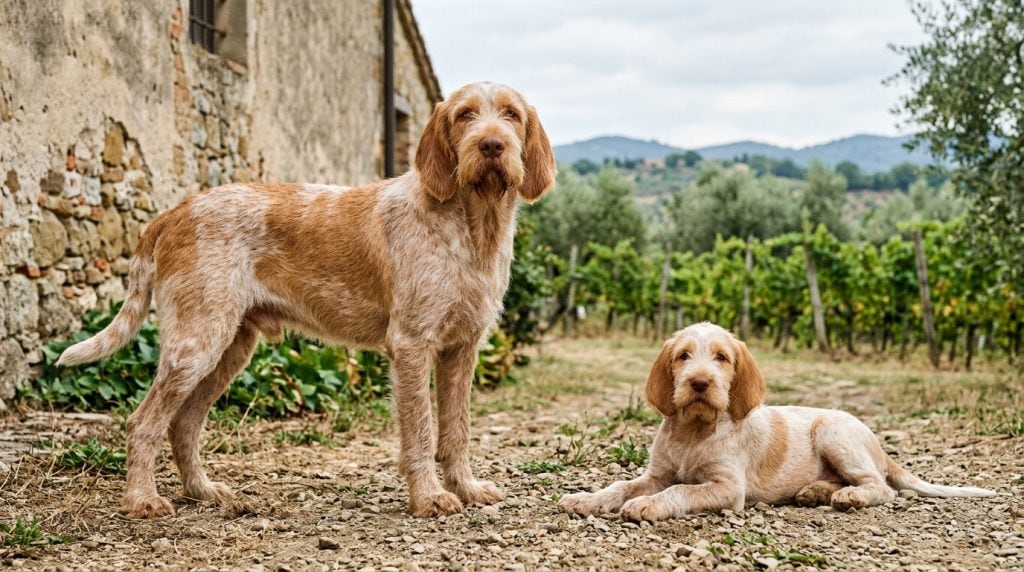
Living with a Spinone Italiano often means sharing your space with a gentle and affectionate companion. These dogs are known for their calm demeanour and their tendency to form strong bonds with their families. Many owners find that their Spinone enjoys being part of the daily routine, whether it's joining in on a walk or simply lounging nearby.
At a glance
Core care
- Size: Large
- Energy: Moderate
- Grooming: Low
- Shedding: Moderate
Support style
- Sensitivity: Moderate
- Training style: Willing
Breed guide
Choose a section to explore. These notes describe common patterns, but individual dogs vary widely.
The Spinone Italiano has its roots deeply embedded in the fields of Italy, where it was originally bred as a versatile gundog. This history of working closely with hunters in varied terrains has shaped the Spinone into a dog that is both resilient and cooperative. Today, these traits manifest in a breed that is eager to participate in family activities and enjoys having a role to play, whether that’s a game of fetch or a leisurely walk.
Physically, the Spinone Italiano is a large, sturdy dog with a distinctive wiry coat that provides protection in different weather conditions. Their expressive eyes and bushy eyebrows give them a thoughtful appearance, often leading to affectionate nicknames from their families. Owners frequently notice how their Spinone’s size and strength are balanced by a gentle approach to play and interaction, making them a pleasant presence in the home.
Temperamentally, the Spinone is known for its steady and patient nature. Many owners appreciate their dog’s calmness, which can make them seem almost philosophical at times. However, within the breed, there can be variations in energy levels and sociability. Some Spinones may be more outgoing and eager to meet new people, while others might prefer the quiet company of their immediate family.
When considering a Spinone Italiano, it’s important to remember that individual dogs can vary significantly. While many Spinones are gentle and easygoing, others might exhibit more independent streaks or require additional socialisation. Understanding these nuances helps potential owners set realistic expectations and appreciate the unique personality of their Spinone.
The Spinone Italiano is often described as a social and affectionate breed, thriving on interaction with their human companions. This social nature is deeply rooted in their history as gundogs, where cooperation and partnership with humans were essential. Many owners notice that their Spinone tends to be happiest when included in family activities, whether it’s a walk in the park or simply being present during a quiet evening at home.
Spinones are generally known for their gentle and patient demeanour, which makes them well-suited to families with children. Their moderate sensitivity means they often pick up on the moods and emotions of those around them, which can make them seem particularly empathetic. This sensitivity, combined with their willingness to please, often results in a dog that is responsive to training and eager to learn.
However, it’s important for owners to understand that while Spinones are generally easygoing, they can sometimes exhibit a stubborn streak. This is not out of defiance but rather a reflection of their independent thinking. With consistent and positive training methods, most Spinones respond well and enjoy the mental stimulation that comes with learning new tasks.
Overall, living with a Spinone Italiano means embracing a dog that values companionship and enjoys being part of the family dynamic. While they may have moments of independence, their loyalty and affection often shine through, making them a cherished member of the household. As with any breed, individual personalities can vary, and understanding these tendencies helps in nurturing a well-rounded and happy dog.
A typical day for a Spinone Italiano involves a balance of physical activity and mental enrichment. Despite their working dog heritage, Spinones have moderate energy levels, which means they enjoy regular walks and playtime but do not require intense exercise routines. A couple of leisurely walks combined with some interactive play sessions usually suffice to keep them content and healthy.
Mental enrichment is equally important for this intelligent breed. Spinones often enjoy activities that engage their minds, such as puzzle toys or scent-based games that tap into their natural hunting instincts. Owners find that these activities not only keep their Spinone entertained but also help prevent boredom-related behaviours.
As Spinones age, their exercise needs may change. While a young Spinone might be more energetic and eager to explore, older dogs may prefer shorter, more relaxed outings. It’s important for owners to adapt their routines to suit their dog’s life stage, ensuring they remain active and engaged without overexertion.
Owners should be mindful of the Spinone’s tendency to become bored if left without sufficient stimulation. Regular interaction and varied activities help keep them mentally sharp and physically fit. By understanding and meeting these needs, owners can foster a happy and well-adjusted Spinone that thrives in their home environment.
Training a Spinone Italiano often feels like working with a willing and eager partner. Many owners find that these dogs respond well to positive reinforcement methods, which align with their cooperative nature. The key to successful training lies in consistency and patience, as Spinones can sometimes exhibit a thoughtful, deliberate approach to learning.
Given their moderate sensitivity, Spinones tend to respond best to gentle guidance rather than harsh corrections. Building a strong relationship based on trust and mutual respect often leads to the best outcomes. Owners often notice that their Spinone is eager to please, which can be harnessed to teach them a variety of commands and tricks.
During adolescence, some Spinones may test boundaries, much like any other breed. This phase requires a bit of extra patience and consistency from owners. Reinforcing training during this period helps solidify good habits and ensures that the Spinone grows into a well-mannered adult dog.
Overall, training a Spinone Italiano can be a rewarding experience, especially when approached with understanding and empathy. Their willingness to learn and bond with their owners often leads to a harmonious and fulfilling relationship. For those new to dog training, courses like “Puppy Beginnings: Building a Calm Start” can provide valuable insights into raising a well-adjusted Spinone.
Spinone Italianos tend to fit well into a variety of home environments, provided their social and exercise needs are met. Their gentle nature makes them adaptable to both urban and rural settings, as long as they have enough space to move around and opportunities for regular walks.
Many owners find that Spinones thrive in homes where they can be part of the family activities. Their affectionate and social nature means they often enjoy being involved in whatever the family is doing, whether that’s a day out or a quiet evening at home. This makes them well-suited to families who value a dog that can integrate into their daily lives.
Living with children and other pets is generally harmonious for Spinones, thanks to their patient and gentle temperament. However, as with any dog, early socialisation is key to ensuring they are comfortable and well-behaved around others. Supervised interactions, especially with young children, help foster positive relationships.
Ultimately, the Spinone Italiano can adapt to various lifestyles, but they do best in homes where they are not left alone for long periods. Their need for companionship and moderate exercise means they are happiest when they can engage with their family and explore their surroundings. Understanding these needs helps potential owners determine if a Spinone is the right fit for their home.
The overall wellbeing of a Spinone Italiano is closely linked to their health, which in turn influences their behaviour and quality of life. Like many breeds, Spinones can be prone to certain health conditions, so proactive care and regular veterinary check-ups are important to maintain their health.
Some common health considerations for Spinones include hip dysplasia and certain eye conditions. Regular health screenings can help detect these issues early, allowing for timely intervention and management. Owners often find that maintaining a healthy weight and providing appropriate exercise are key to supporting their Spinone’s joint health.
Preventive care also plays a crucial role in a Spinone’s wellbeing. This includes regular vaccinations, parasite control, and dental care. By staying on top of these routine health measures, owners can help prevent more serious health issues from developing.
If any changes in behaviour or physical condition are noticed, seeking veterinary advice promptly is advised. Early detection and treatment can make a significant difference in outcomes. With attentive care and a proactive approach to health, Spinone Italianos can enjoy a long and happy life as cherished family members.
The Spinone Italiano’s history is a rich tapestry that dates back to ancient times, with roots in Italy where it was developed as a versatile hunting dog. This breed was prized for its ability to work in diverse terrains, from mountains to marshlands, showcasing its adaptability and resilience. These early roles required a dog that was not only physically capable but also cooperative and intelligent.
Over the centuries, the Spinone’s role as a gundog shaped its development, leading to the breed we know today. The need for a dog that could work closely with hunters influenced the Spinone’s temperament, resulting in a breed that is both loyal and eager to please. These traits are still evident in modern Spinones, who often exhibit a strong desire to be part of family activities.
The Spinone’s distinctive appearance, with its wiry coat and expressive eyes, also has historical significance. The coat was developed to protect the dog from harsh weather and rough terrain, while their keen sense of smell and endurance made them excellent hunting companions. These physical and behavioural traits continue to define the breed today, making them well-suited to a variety of roles beyond hunting.
Understanding the Spinone Italiano’s history provides valuable insight into their modern characteristics. Their past as a working dog explains their need for companionship and activity, while their gentle nature reflects the close bond they historically shared with their human partners. This rich heritage makes the Spinone a unique and cherished breed that continues to capture the hearts of dog lovers worldwide.
What shapes individual dogs
- Early social experiences
- Training approach
- Environment & routine
- Genetics & breeding
- Health & pain
- Age / life stage
The Spinone Italiano has its roots deeply embedded in the fields of Italy, where it was originally bred as a versatile gundog. This history of working closely with hunters in varied terrains has shaped the Spinone into a dog that is both resilient and cooperative. Today, these traits manifest in a breed that is eager to participate in family activities and enjoys having a role to play, whether that’s a game of fetch or a leisurely walk.
Physically, the Spinone Italiano is a large, sturdy dog with a distinctive wiry coat that provides protection in different weather conditions. Their expressive eyes and bushy eyebrows give them a thoughtful appearance, often leading to affectionate nicknames from their families. Owners frequently notice how their Spinone’s size and strength are balanced by a gentle approach to play and interaction, making them a pleasant presence in the home.
Temperamentally, the Spinone is known for its steady and patient nature. Many owners appreciate their dog’s calmness, which can make them seem almost philosophical at times. However, within the breed, there can be variations in energy levels and sociability. Some Spinones may be more outgoing and eager to meet new people, while others might prefer the quiet company of their immediate family.
When considering a Spinone Italiano, it’s important to remember that individual dogs can vary significantly. While many Spinones are gentle and easygoing, others might exhibit more independent streaks or require additional socialisation. Understanding these nuances helps potential owners set realistic expectations and appreciate the unique personality of their Spinone.
The Spinone Italiano is often described as a social and affectionate breed, thriving on interaction with their human companions. This social nature is deeply rooted in their history as gundogs, where cooperation and partnership with humans were essential. Many owners notice that their Spinone tends to be happiest when included in family activities, whether it’s a walk in the park or simply being present during a quiet evening at home.
Spinones are generally known for their gentle and patient demeanour, which makes them well-suited to families with children. Their moderate sensitivity means they often pick up on the moods and emotions of those around them, which can make them seem particularly empathetic. This sensitivity, combined with their willingness to please, often results in a dog that is responsive to training and eager to learn.
However, it’s important for owners to understand that while Spinones are generally easygoing, they can sometimes exhibit a stubborn streak. This is not out of defiance but rather a reflection of their independent thinking. With consistent and positive training methods, most Spinones respond well and enjoy the mental stimulation that comes with learning new tasks.
Overall, living with a Spinone Italiano means embracing a dog that values companionship and enjoys being part of the family dynamic. While they may have moments of independence, their loyalty and affection often shine through, making them a cherished member of the household. As with any breed, individual personalities can vary, and understanding these tendencies helps in nurturing a well-rounded and happy dog.
A typical day for a Spinone Italiano involves a balance of physical activity and mental enrichment. Despite their working dog heritage, Spinones have moderate energy levels, which means they enjoy regular walks and playtime but do not require intense exercise routines. A couple of leisurely walks combined with some interactive play sessions usually suffice to keep them content and healthy.
Mental enrichment is equally important for this intelligent breed. Spinones often enjoy activities that engage their minds, such as puzzle toys or scent-based games that tap into their natural hunting instincts. Owners find that these activities not only keep their Spinone entertained but also help prevent boredom-related behaviours.
As Spinones age, their exercise needs may change. While a young Spinone might be more energetic and eager to explore, older dogs may prefer shorter, more relaxed outings. It’s important for owners to adapt their routines to suit their dog’s life stage, ensuring they remain active and engaged without overexertion.
Owners should be mindful of the Spinone’s tendency to become bored if left without sufficient stimulation. Regular interaction and varied activities help keep them mentally sharp and physically fit. By understanding and meeting these needs, owners can foster a happy and well-adjusted Spinone that thrives in their home environment.
Training a Spinone Italiano often feels like working with a willing and eager partner. Many owners find that these dogs respond well to positive reinforcement methods, which align with their cooperative nature. The key to successful training lies in consistency and patience, as Spinones can sometimes exhibit a thoughtful, deliberate approach to learning.
Given their moderate sensitivity, Spinones tend to respond best to gentle guidance rather than harsh corrections. Building a strong relationship based on trust and mutual respect often leads to the best outcomes. Owners often notice that their Spinone is eager to please, which can be harnessed to teach them a variety of commands and tricks.
During adolescence, some Spinones may test boundaries, much like any other breed. This phase requires a bit of extra patience and consistency from owners. Reinforcing training during this period helps solidify good habits and ensures that the Spinone grows into a well-mannered adult dog.
Overall, training a Spinone Italiano can be a rewarding experience, especially when approached with understanding and empathy. Their willingness to learn and bond with their owners often leads to a harmonious and fulfilling relationship. For those new to dog training, courses like “Puppy Beginnings: Building a Calm Start” can provide valuable insights into raising a well-adjusted Spinone.
Spinone Italianos tend to fit well into a variety of home environments, provided their social and exercise needs are met. Their gentle nature makes them adaptable to both urban and rural settings, as long as they have enough space to move around and opportunities for regular walks.
Many owners find that Spinones thrive in homes where they can be part of the family activities. Their affectionate and social nature means they often enjoy being involved in whatever the family is doing, whether that’s a day out or a quiet evening at home. This makes them well-suited to families who value a dog that can integrate into their daily lives.
Living with children and other pets is generally harmonious for Spinones, thanks to their patient and gentle temperament. However, as with any dog, early socialisation is key to ensuring they are comfortable and well-behaved around others. Supervised interactions, especially with young children, help foster positive relationships.
Ultimately, the Spinone Italiano can adapt to various lifestyles, but they do best in homes where they are not left alone for long periods. Their need for companionship and moderate exercise means they are happiest when they can engage with their family and explore their surroundings. Understanding these needs helps potential owners determine if a Spinone is the right fit for their home.
The overall wellbeing of a Spinone Italiano is closely linked to their health, which in turn influences their behaviour and quality of life. Like many breeds, Spinones can be prone to certain health conditions, so proactive care and regular veterinary check-ups are important to maintain their health.
Some common health considerations for Spinones include hip dysplasia and certain eye conditions. Regular health screenings can help detect these issues early, allowing for timely intervention and management. Owners often find that maintaining a healthy weight and providing appropriate exercise are key to supporting their Spinone’s joint health.
Preventive care also plays a crucial role in a Spinone’s wellbeing. This includes regular vaccinations, parasite control, and dental care. By staying on top of these routine health measures, owners can help prevent more serious health issues from developing.
If any changes in behaviour or physical condition are noticed, seeking veterinary advice promptly is advised. Early detection and treatment can make a significant difference in outcomes. With attentive care and a proactive approach to health, Spinone Italianos can enjoy a long and happy life as cherished family members.
The Spinone Italiano’s history is a rich tapestry that dates back to ancient times, with roots in Italy where it was developed as a versatile hunting dog. This breed was prized for its ability to work in diverse terrains, from mountains to marshlands, showcasing its adaptability and resilience. These early roles required a dog that was not only physically capable but also cooperative and intelligent.
Over the centuries, the Spinone’s role as a gundog shaped its development, leading to the breed we know today. The need for a dog that could work closely with hunters influenced the Spinone’s temperament, resulting in a breed that is both loyal and eager to please. These traits are still evident in modern Spinones, who often exhibit a strong desire to be part of family activities.
The Spinone’s distinctive appearance, with its wiry coat and expressive eyes, also has historical significance. The coat was developed to protect the dog from harsh weather and rough terrain, while their keen sense of smell and endurance made them excellent hunting companions. These physical and behavioural traits continue to define the breed today, making them well-suited to a variety of roles beyond hunting.
Understanding the Spinone Italiano’s history provides valuable insight into their modern characteristics. Their past as a working dog explains their need for companionship and activity, while their gentle nature reflects the close bond they historically shared with their human partners. This rich heritage makes the Spinone a unique and cherished breed that continues to capture the hearts of dog lovers worldwide.
What shapes individual dogs
- Early social experiences
- Training approach
- Environment & routine
- Genetics & breeding
- Health & pain
- Age / life stage
Want support with this?
This course is relevant for Spinone Italiano owners to help navigate the early stages of training and build a strong foundation for a well-adjusted companion.