
Spanish Water Dog
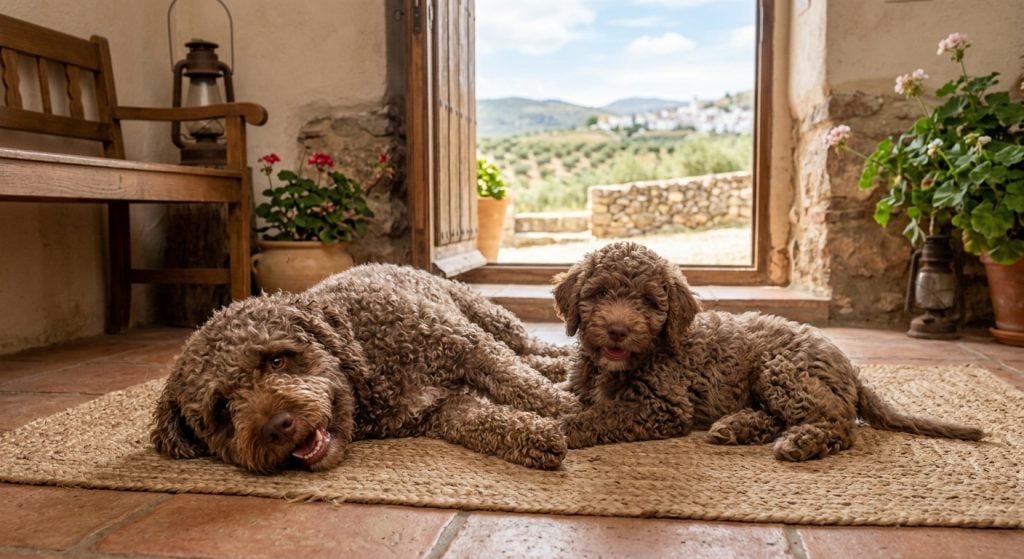
Spanish Water Dogs are energetic and intelligent working dogs known for their versatility and strong bond with their families. Historically used for herding and water-related tasks, they tend to thrive when they have both physical activity and mental challenges. Many owners appreciate their lively nature and eagerness to stay involved in daily life.
At a glance
Core care
- Size: Medium
- Energy: High
- Grooming: Low
- Shedding: Low
Support style
- Sensitivity: Moderate
- Training style: Willing
Breed guide
Choose a section to explore. These notes describe common patterns, but individual dogs vary widely.
The Spanish Water Dog has a rich history rooted in herding and water-related tasks, which has shaped their energetic and versatile nature today. Originally bred for herding sheep and goats, as well as assisting fishermen along the Spanish coast, these dogs have developed a strong work ethic and a keen intelligence. This background explains why many Spanish Water Dogs thrive when they have a job to do, whether it’s participating in agility sports or simply playing interactive games with their owners.
Physically, the Spanish Water Dog is medium-sized with a distinctive curly coat that serves both practical and aesthetic purposes. This coat is not only water-resistant, aiding them in their historical fishing roles, but also low-shedding, which many owners find beneficial in maintaining a cleaner home environment. The coat’s texture requires regular maintenance to prevent matting, but its unique appearance is often a point of pride for owners.
In terms of temperament, Spanish Water Dogs are known for their lively and alert demeanor. They are generally friendly and enjoy being around people, though they can be somewhat reserved with strangers until they feel comfortable. Owners often notice their dog’s strong desire to be involved in family activities, which can be both endearing and demanding. Their moderate sensitivity means they respond well to positive reinforcement and thrive in environments where they feel secure and valued.
It’s important for potential owners to understand that while the breed has common traits, individual dogs can vary significantly. Factors such as early socialization, training, and daily interactions all play a role in shaping a Spanish Water Dog’s personality. Prospective owners should be prepared for a dog that requires both mental and physical engagement to truly flourish.
Spanish Water Dogs are often described as social and engaging, with a natural inclination to be part of the family. Their herding background contributes to a strong sense of loyalty and a desire to be involved in everyday activities. Many owners find that these dogs are happiest when they have a role to play, whether it’s accompanying their humans on a walk or participating in a game of fetch.
Their moderate sensitivity means they are generally attuned to the emotions and actions of those around them. This can make them particularly responsive to training and keenly aware of changes in their environment. Owners frequently notice that their Spanish Water Dog is quick to pick up on cues and eager to please, which can make training a rewarding experience.
Despite their social nature, Spanish Water Dogs can be somewhat reserved around strangers. This trait is often seen as a protective instinct, a remnant of their herding past where vigilance was necessary. However, with proper socialization, they typically warm up to new people and situations, showcasing their adaptable nature.
Living with a Spanish Water Dog means embracing their need for companionship and mental stimulation. They thrive in homes where they are included in daily routines and given opportunities to exercise both their bodies and minds. While they are generally willing and eager to learn, every dog is unique, and their individual temperament can be influenced by a variety of factors including genetics and early experiences.
A typical day for a Spanish Water Dog involves plenty of activity and engagement. With their high energy levels, these dogs benefit from a mix of physical exercise and mental challenges. Owners often find that a combination of walks, playtime, and interactive games helps to keep their Spanish Water Dog content and well-balanced.
Physical exercise is crucial for this breed, and they often enjoy activities that allow them to stretch their legs and explore their surroundings. Many owners incorporate activities like running, hiking, or agility training into their routine, which can be a great way to channel their dog’s energy positively. It’s important to note that while they are active, they also enjoy downtime with their family, making them versatile companions.
Mental enrichment is equally important for the Spanish Water Dog, given their intelligence and problem-solving abilities. Puzzle toys, training sessions, and interactive games can provide the mental stimulation they crave. Owners often find that these activities not only tire out their dog but also strengthen the bond between them.
As Spanish Water Dogs age, their exercise needs may change, but they generally remain active well into their senior years. It’s important for owners to adapt their routines to suit their dog’s capabilities, ensuring they continue to receive the right amount of stimulation without overexertion. Each dog is different, and understanding their individual needs is key to a happy and healthy life.
Training a Spanish Water Dog can be a rewarding experience due to their willingness to learn and their intelligent nature. Many owners describe the training process as engaging, as these dogs often thrive on the mental stimulation that training provides. Their eagerness to please and quick learning ability make them responsive to positive reinforcement techniques.
Consistency and patience are crucial when training this breed. While they are generally willing learners, they can be independent thinkers at times, which means clear communication and consistent expectations are important. Owners often find that maintaining a routine helps their Spanish Water Dog understand what is expected of them, leading to more effective training sessions.
Adolescence can be a challenging period for Spanish Water Dogs, as it is for many breeds. During this time, they may test boundaries and exhibit more independent behaviour. It’s important for owners to remain patient and continue with consistent training, reinforcing positive behaviours and gently correcting unwanted ones. Building a strong relationship based on trust and mutual respect can help navigate this phase successfully.
Overall, training a Spanish Water Dog is about building a partnership. They respond well to training methods that are engaging and rewarding, and they often excel in environments where they feel supported and understood. For those new to dog training, enrolling in a course like ‘Puppy Beginnings: Building a Calm Start’ can provide valuable insights and techniques to ensure a positive training experience.
Spanish Water Dogs tend to thrive in homes where they are considered part of the family. Their social nature means they often prefer environments where they can be involved in daily activities and have opportunities for both physical and mental stimulation. Many owners find that these dogs adapt well to various living situations, provided their exercise and companionship needs are met.
Families with children often find that Spanish Water Dogs make excellent companions, as they are generally playful and patient. However, as with any breed, supervision and proper introductions are important to ensure positive interactions. Their herding instincts may occasionally come into play, but with training, they can learn to interact appropriately with children and other pets.
In terms of living arrangements, Spanish Water Dogs can adapt to both urban and rural settings. They enjoy having space to roam and explore, but they can also thrive in smaller homes if given sufficient exercise and mental enrichment. Owners often note that these dogs enjoy being part of the action, whether it’s a walk in the park or a quiet evening at home.
Ultimately, the key to a successful relationship with a Spanish Water Dog is understanding their need for companionship and activity. They are not a breed that typically enjoys being left alone for long periods, so potential owners should consider their lifestyle and ensure they can provide the time and attention this breed requires to be happy and well-adjusted.
The health of a Spanish Water Dog is closely linked to their overall well-being and quality of life. Like many breeds, they can be prone to certain health issues, but with proper care and attention, these can often be managed effectively. Regular veterinary check-ups are essential to monitor their health and catch any potential issues early.
Common health considerations for the breed include hip dysplasia and certain eye conditions. Owners should be aware of these potential issues and work with their veterinarian to conduct appropriate screenings. Maintaining a healthy weight through proper diet and exercise can also help mitigate some of these concerns, particularly joint-related issues.
Preventive care is a cornerstone of keeping a Spanish Water Dog healthy. This includes regular vaccinations, parasite control, and dental care. Many owners find that establishing a routine for these preventive measures helps keep their dog in good health and reduces the risk of more serious problems developing.
It’s important for owners to be observant of any changes in their dog’s behaviour or physical condition, as these can be early indicators of health issues. Seeking veterinary advice when something seems amiss is always a prudent step. Overall, a proactive approach to health care can help ensure that a Spanish Water Dog enjoys a long, healthy, and active life.
The Spanish Water Dog has a storied history that dates back centuries, with roots in the Iberian Peninsula. Originally bred for herding and assisting fishermen, these dogs were prized for their versatility and work ethic. Their ability to adapt to both land and water tasks made them invaluable in rural Spanish communities, where they could herd livestock by day and assist with fishing by night.
The breed’s development was influenced by the need for a dog that could handle the varied terrain and climates of Spain. This led to the Spanish Water Dog’s distinctive curly coat, which provides protection from both water and harsh weather conditions. Their intelligence and trainability were also honed through generations of working alongside humans, making them reliable and capable companions.
As times changed, the Spanish Water Dog’s role evolved, but their core characteristics remained. Today, they are still known for their herding instincts and love of water, traits that are cherished by modern owners. Their historical roles have left them with a strong work ethic and a desire to be active, which is why they often excel in dog sports and other activities that challenge both their minds and bodies.
Understanding the history of the Spanish Water Dog helps explain many of the traits owners see today. Their adaptability, intelligence, and loyalty are all reflections of their past, and these qualities continue to make them popular as both working dogs and family pets. For those who appreciate a dog with a rich history and a strong connection to its roots, the Spanish Water Dog offers a unique and rewarding companionship.
What shapes individual dogs
- Early social experiences
- Training approach
- Environment & routine
- Genetics & breeding
- Health & pain
- Age / life stage
The Spanish Water Dog has a rich history rooted in herding and water-related tasks, which has shaped their energetic and versatile nature today. Originally bred for herding sheep and goats, as well as assisting fishermen along the Spanish coast, these dogs have developed a strong work ethic and a keen intelligence. This background explains why many Spanish Water Dogs thrive when they have a job to do, whether it’s participating in agility sports or simply playing interactive games with their owners.
Physically, the Spanish Water Dog is medium-sized with a distinctive curly coat that serves both practical and aesthetic purposes. This coat is not only water-resistant, aiding them in their historical fishing roles, but also low-shedding, which many owners find beneficial in maintaining a cleaner home environment. The coat’s texture requires regular maintenance to prevent matting, but its unique appearance is often a point of pride for owners.
In terms of temperament, Spanish Water Dogs are known for their lively and alert demeanor. They are generally friendly and enjoy being around people, though they can be somewhat reserved with strangers until they feel comfortable. Owners often notice their dog’s strong desire to be involved in family activities, which can be both endearing and demanding. Their moderate sensitivity means they respond well to positive reinforcement and thrive in environments where they feel secure and valued.
It’s important for potential owners to understand that while the breed has common traits, individual dogs can vary significantly. Factors such as early socialization, training, and daily interactions all play a role in shaping a Spanish Water Dog’s personality. Prospective owners should be prepared for a dog that requires both mental and physical engagement to truly flourish.
Spanish Water Dogs are often described as social and engaging, with a natural inclination to be part of the family. Their herding background contributes to a strong sense of loyalty and a desire to be involved in everyday activities. Many owners find that these dogs are happiest when they have a role to play, whether it’s accompanying their humans on a walk or participating in a game of fetch.
Their moderate sensitivity means they are generally attuned to the emotions and actions of those around them. This can make them particularly responsive to training and keenly aware of changes in their environment. Owners frequently notice that their Spanish Water Dog is quick to pick up on cues and eager to please, which can make training a rewarding experience.
Despite their social nature, Spanish Water Dogs can be somewhat reserved around strangers. This trait is often seen as a protective instinct, a remnant of their herding past where vigilance was necessary. However, with proper socialization, they typically warm up to new people and situations, showcasing their adaptable nature.
Living with a Spanish Water Dog means embracing their need for companionship and mental stimulation. They thrive in homes where they are included in daily routines and given opportunities to exercise both their bodies and minds. While they are generally willing and eager to learn, every dog is unique, and their individual temperament can be influenced by a variety of factors including genetics and early experiences.
A typical day for a Spanish Water Dog involves plenty of activity and engagement. With their high energy levels, these dogs benefit from a mix of physical exercise and mental challenges. Owners often find that a combination of walks, playtime, and interactive games helps to keep their Spanish Water Dog content and well-balanced.
Physical exercise is crucial for this breed, and they often enjoy activities that allow them to stretch their legs and explore their surroundings. Many owners incorporate activities like running, hiking, or agility training into their routine, which can be a great way to channel their dog’s energy positively. It’s important to note that while they are active, they also enjoy downtime with their family, making them versatile companions.
Mental enrichment is equally important for the Spanish Water Dog, given their intelligence and problem-solving abilities. Puzzle toys, training sessions, and interactive games can provide the mental stimulation they crave. Owners often find that these activities not only tire out their dog but also strengthen the bond between them.
As Spanish Water Dogs age, their exercise needs may change, but they generally remain active well into their senior years. It’s important for owners to adapt their routines to suit their dog’s capabilities, ensuring they continue to receive the right amount of stimulation without overexertion. Each dog is different, and understanding their individual needs is key to a happy and healthy life.
Training a Spanish Water Dog can be a rewarding experience due to their willingness to learn and their intelligent nature. Many owners describe the training process as engaging, as these dogs often thrive on the mental stimulation that training provides. Their eagerness to please and quick learning ability make them responsive to positive reinforcement techniques.
Consistency and patience are crucial when training this breed. While they are generally willing learners, they can be independent thinkers at times, which means clear communication and consistent expectations are important. Owners often find that maintaining a routine helps their Spanish Water Dog understand what is expected of them, leading to more effective training sessions.
Adolescence can be a challenging period for Spanish Water Dogs, as it is for many breeds. During this time, they may test boundaries and exhibit more independent behaviour. It’s important for owners to remain patient and continue with consistent training, reinforcing positive behaviours and gently correcting unwanted ones. Building a strong relationship based on trust and mutual respect can help navigate this phase successfully.
Overall, training a Spanish Water Dog is about building a partnership. They respond well to training methods that are engaging and rewarding, and they often excel in environments where they feel supported and understood. For those new to dog training, enrolling in a course like ‘Puppy Beginnings: Building a Calm Start’ can provide valuable insights and techniques to ensure a positive training experience.
Spanish Water Dogs tend to thrive in homes where they are considered part of the family. Their social nature means they often prefer environments where they can be involved in daily activities and have opportunities for both physical and mental stimulation. Many owners find that these dogs adapt well to various living situations, provided their exercise and companionship needs are met.
Families with children often find that Spanish Water Dogs make excellent companions, as they are generally playful and patient. However, as with any breed, supervision and proper introductions are important to ensure positive interactions. Their herding instincts may occasionally come into play, but with training, they can learn to interact appropriately with children and other pets.
In terms of living arrangements, Spanish Water Dogs can adapt to both urban and rural settings. They enjoy having space to roam and explore, but they can also thrive in smaller homes if given sufficient exercise and mental enrichment. Owners often note that these dogs enjoy being part of the action, whether it’s a walk in the park or a quiet evening at home.
Ultimately, the key to a successful relationship with a Spanish Water Dog is understanding their need for companionship and activity. They are not a breed that typically enjoys being left alone for long periods, so potential owners should consider their lifestyle and ensure they can provide the time and attention this breed requires to be happy and well-adjusted.
The health of a Spanish Water Dog is closely linked to their overall well-being and quality of life. Like many breeds, they can be prone to certain health issues, but with proper care and attention, these can often be managed effectively. Regular veterinary check-ups are essential to monitor their health and catch any potential issues early.
Common health considerations for the breed include hip dysplasia and certain eye conditions. Owners should be aware of these potential issues and work with their veterinarian to conduct appropriate screenings. Maintaining a healthy weight through proper diet and exercise can also help mitigate some of these concerns, particularly joint-related issues.
Preventive care is a cornerstone of keeping a Spanish Water Dog healthy. This includes regular vaccinations, parasite control, and dental care. Many owners find that establishing a routine for these preventive measures helps keep their dog in good health and reduces the risk of more serious problems developing.
It’s important for owners to be observant of any changes in their dog’s behaviour or physical condition, as these can be early indicators of health issues. Seeking veterinary advice when something seems amiss is always a prudent step. Overall, a proactive approach to health care can help ensure that a Spanish Water Dog enjoys a long, healthy, and active life.
The Spanish Water Dog has a storied history that dates back centuries, with roots in the Iberian Peninsula. Originally bred for herding and assisting fishermen, these dogs were prized for their versatility and work ethic. Their ability to adapt to both land and water tasks made them invaluable in rural Spanish communities, where they could herd livestock by day and assist with fishing by night.
The breed’s development was influenced by the need for a dog that could handle the varied terrain and climates of Spain. This led to the Spanish Water Dog’s distinctive curly coat, which provides protection from both water and harsh weather conditions. Their intelligence and trainability were also honed through generations of working alongside humans, making them reliable and capable companions.
As times changed, the Spanish Water Dog’s role evolved, but their core characteristics remained. Today, they are still known for their herding instincts and love of water, traits that are cherished by modern owners. Their historical roles have left them with a strong work ethic and a desire to be active, which is why they often excel in dog sports and other activities that challenge both their minds and bodies.
Understanding the history of the Spanish Water Dog helps explain many of the traits owners see today. Their adaptability, intelligence, and loyalty are all reflections of their past, and these qualities continue to make them popular as both working dogs and family pets. For those who appreciate a dog with a rich history and a strong connection to its roots, the Spanish Water Dog offers a unique and rewarding companionship.
What shapes individual dogs
- Early social experiences
- Training approach
- Environment & routine
- Genetics & breeding
- Health & pain
- Age / life stage
Want support with this?
This course offers valuable insights into raising a well-adjusted Spanish Water Dog, focusing on early training and socialization techniques.