
Skye Terrier
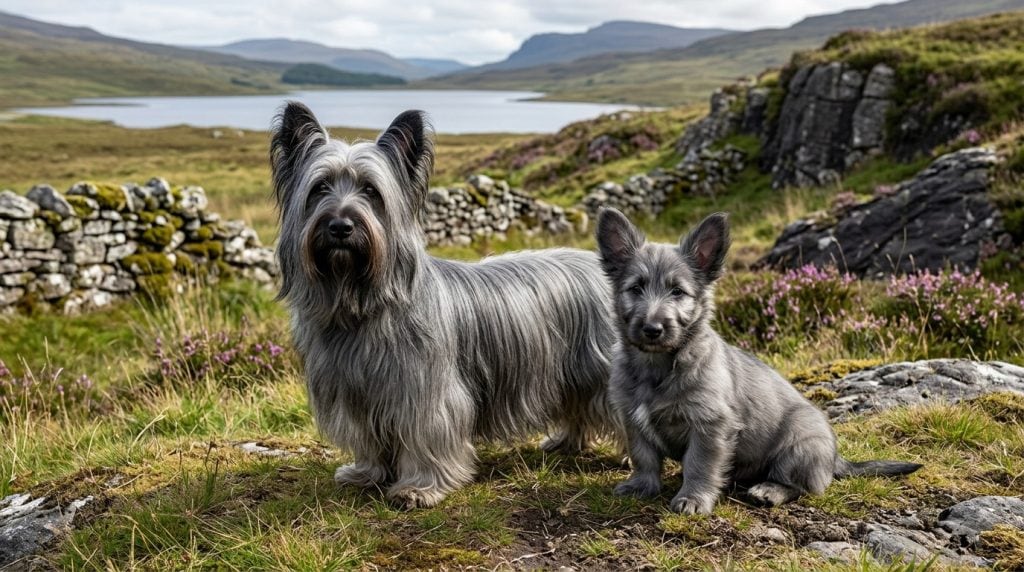
Living with a Skye Terrier often feels like sharing your home with a dignified yet affectionate companion. Their distinctive long coat and expressive eyes give them a unique presence, while their independent nature means they appreciate their own space as much as they enjoy being part of the family. Skye Terriers are known for their loyalty and can form deep bonds with their owners, often choosing a favourite person to shadow around the house.
At a glance
Core care
- Size: Small
- Energy: Moderate
- Grooming: Low
- Shedding: Moderate
Support style
- Sensitivity: Moderate
- Training style: Independent
Breed guide
Choose a section to explore. These notes describe common patterns, but individual dogs vary widely.
The Skye Terrier’s origins as a working dog on the rugged Isle of Skye in Scotland have shaped its character and behaviour today. Initially bred to hunt and control pests, these terriers were valued for their determination and courage. This history is evident in their modern-day tenacity and independent spirit, traits that make them both charming and sometimes a bit stubborn.
Physically, Skye Terriers are known for their long, flowing coats and distinctive appearance. Their coats, while beautiful, require regular grooming to keep them looking their best. Owners often find that maintaining their coat is a part of the daily routine, but it’s a small price to pay for such an elegant companion. Their compact size makes them well-suited to both city and country living, as long as their exercise needs are met.
In terms of temperament, Skye Terriers are known for their loyalty and affection towards their families. They can be reserved with strangers, a trait that harks back to their days as vigilant watchdogs. Owners often notice that these dogs form strong attachments to one or two people, showing a preference for following their chosen humans around the house. However, their independent streak means they also enjoy some alone time.
Prospective owners should be prepared for a dog that is both independent and affectionate. While Skye Terriers are generally good-natured, each dog is an individual with its own personality. Factors such as early socialisation, training, and the environment will all play a role in shaping a Skye Terrier’s behaviour. Understanding and embracing these nuances is key to a happy life with this unique breed.
Skye Terriers are often seen as both independent and loyal, a combination that makes them intriguing companions. They tend to form strong bonds with their families, often choosing a favourite person to follow around the house. This loyalty is balanced by a certain aloofness with strangers, a trait that can be traced back to their history as vigilant watchdogs.
Their independent nature can sometimes be mistaken for stubbornness, but it’s more about their self-assured character. Skye Terriers know their own minds and can be quite determined when they want to be. Owners often notice that while they are affectionate, they also appreciate their own space and time to themselves. This balance of independence and attachment can make them both charming and a little challenging.
Sensitivity is another aspect of the Skye Terrier’s temperament. They are moderately sensitive to their environment and the emotions of their human companions. This sensitivity means they respond well to gentle, consistent training methods and can become anxious if faced with harsh treatment or chaotic environments. Understanding this sensitivity can help owners create a supportive and nurturing home atmosphere.
Training a Skye Terrier requires patience and understanding. They are intelligent dogs, but their independent streak means they may not always be eager to please. Positive reinforcement and consistency are key, as is recognising their need for both mental and physical stimulation. With the right approach, Skye Terriers can be delightful companions, full of character and loyalty.
A typical day for a Skye Terrier involves a mix of moderate exercise and mental stimulation. These dogs enjoy a couple of walks each day, where they can explore their surroundings and satisfy their natural curiosity. While they don’t require as much exercise as some other terrier breeds, regular activity is important to keep them healthy and happy.
In addition to walks, Skye Terriers benefit from playtime that engages their minds. Puzzle toys, scent games, and interactive play can all be great ways to keep them mentally stimulated. Owners often find that these activities help to channel their natural intelligence and curiosity in positive ways.
As with many breeds, the exercise needs of a Skye Terrier can change as they age. Puppies and young dogs tend to be more energetic and may require more frequent play sessions to burn off energy. As they mature, their activity levels might decrease, but they will still appreciate regular walks and mental challenges.
It’s important to avoid over-exercising a Skye Terrier, especially when they are young. Their developing joints need time to grow strong, and too much vigorous activity can lead to problems later in life. By balancing physical exercise with mental enrichment, owners can help ensure their Skye Terrier remains healthy and content throughout their life.
Training a Skye Terrier can feel like a balancing act between encouraging their independent spirit and nurturing their loyalty. These dogs are intelligent and capable learners, but their independent nature means they might not always be eager to follow commands. Owners often find that patience and consistency are crucial when training this breed.
Positive reinforcement tends to work well with Skye Terriers. Reward-based training methods that use treats, praise, and play as incentives can motivate them to learn new behaviours. It’s important to keep training sessions short and engaging to hold their interest and prevent boredom.
Adolescence can be a challenging time for Skye Terrier owners, as these dogs may test boundaries and assert their independence. Consistent training and clear boundaries are essential during this period. Building a strong relationship based on trust and respect will help guide them through their teenage phase.
Overall, training a Skye Terrier is about understanding their unique personality and working with it rather than against it. By fostering a positive training environment and recognising their need for both independence and connection, owners can help their Skye Terrier become a well-mannered and happy companion.
Skye Terriers tend to fit well into a variety of living environments, provided their needs for companionship and exercise are met. They are adaptable dogs that can thrive in both city apartments and rural homes, as long as they have opportunities for daily walks and mental stimulation.
Owners often find that Skye Terriers do well in homes where they can form strong bonds with their family members. They are known for their loyalty and can become quite attached to their chosen humans. This makes them wonderful companions, but it also means they may not enjoy being left alone for long periods.
When it comes to living with children and other pets, Skye Terriers can be quite adaptable, though early socialisation is key. They tend to be gentle with children, but supervision is always recommended to ensure positive interactions. With other pets, they may display their terrier instincts, so introductions should be managed carefully.
Ultimately, the best home for a Skye Terrier is one where they can be a valued member of the family, with plenty of love, attention, and opportunities for exercise and mental enrichment. By understanding their needs and providing a supportive environment, owners can enjoy a rewarding relationship with this unique breed.
The health and wellbeing of a Skye Terrier are closely linked to their everyday care and lifestyle. Regular veterinary check-ups, a balanced diet, and appropriate exercise all contribute to keeping them healthy and happy. Owners often find that being proactive about their Skye Terrier’s health helps prevent potential issues.
Some health considerations specific to the breed include concerns related to their long back, such as intervertebral disc disease. Owners should be mindful of activities that could strain their back, such as jumping from heights. Providing ramps or steps can help minimise the risk of injury.
Regular grooming and skin care are also important for maintaining their health. Their long coat can hide skin issues, so it’s important to check for any signs of irritation or allergies. Similarly, keeping their ears clean and dry helps prevent infections, which can be a concern due to their ear structure.
If any health concerns arise, seeking veterinary advice promptly is crucial. Early detection and treatment can make a significant difference in outcomes. By staying informed and attentive to their Skye Terrier’s health, owners can help ensure a long and healthy life for their beloved companion.
The Skye Terrier’s history is deeply rooted in the rugged landscapes of the Isle of Skye in Scotland. Originally bred for hunting and controlling pests, these terriers were prized for their courage and determination. Their ability to navigate the challenging terrain of their homeland made them invaluable companions for farmers and landowners.
As the breed developed, their distinctive appearance and loyal nature caught the attention of nobility, leading to their popularity among the upper classes. Queen Victoria was known to have favoured the breed, which helped cement their status as both working dogs and companions.
The Skye Terrier’s history as a working dog is reflected in their modern-day traits. Their independent spirit and tenacity are remnants of their past, while their loyalty and affection towards their family are qualities that have endeared them to owners throughout the years. These traits make them both charming and unique companions.
Understanding the Skye Terrier’s origins helps explain many of their behaviours today. Their history as hunters and watchdogs contributes to their alertness and sometimes reserved nature with strangers. By recognising these historical influences, owners can better appreciate and nurture the unique qualities that make the Skye Terrier such a special breed.
What shapes individual dogs
- Early social experiences
- Training approach
- Environment & routine
- Genetics & breeding
- Health & pain
- Age / life stage
The Skye Terrier’s origins as a working dog on the rugged Isle of Skye in Scotland have shaped its character and behaviour today. Initially bred to hunt and control pests, these terriers were valued for their determination and courage. This history is evident in their modern-day tenacity and independent spirit, traits that make them both charming and sometimes a bit stubborn.
Physically, Skye Terriers are known for their long, flowing coats and distinctive appearance. Their coats, while beautiful, require regular grooming to keep them looking their best. Owners often find that maintaining their coat is a part of the daily routine, but it’s a small price to pay for such an elegant companion. Their compact size makes them well-suited to both city and country living, as long as their exercise needs are met.
In terms of temperament, Skye Terriers are known for their loyalty and affection towards their families. They can be reserved with strangers, a trait that harks back to their days as vigilant watchdogs. Owners often notice that these dogs form strong attachments to one or two people, showing a preference for following their chosen humans around the house. However, their independent streak means they also enjoy some alone time.
Prospective owners should be prepared for a dog that is both independent and affectionate. While Skye Terriers are generally good-natured, each dog is an individual with its own personality. Factors such as early socialisation, training, and the environment will all play a role in shaping a Skye Terrier’s behaviour. Understanding and embracing these nuances is key to a happy life with this unique breed.
Skye Terriers are often seen as both independent and loyal, a combination that makes them intriguing companions. They tend to form strong bonds with their families, often choosing a favourite person to follow around the house. This loyalty is balanced by a certain aloofness with strangers, a trait that can be traced back to their history as vigilant watchdogs.
Their independent nature can sometimes be mistaken for stubbornness, but it’s more about their self-assured character. Skye Terriers know their own minds and can be quite determined when they want to be. Owners often notice that while they are affectionate, they also appreciate their own space and time to themselves. This balance of independence and attachment can make them both charming and a little challenging.
Sensitivity is another aspect of the Skye Terrier’s temperament. They are moderately sensitive to their environment and the emotions of their human companions. This sensitivity means they respond well to gentle, consistent training methods and can become anxious if faced with harsh treatment or chaotic environments. Understanding this sensitivity can help owners create a supportive and nurturing home atmosphere.
Training a Skye Terrier requires patience and understanding. They are intelligent dogs, but their independent streak means they may not always be eager to please. Positive reinforcement and consistency are key, as is recognising their need for both mental and physical stimulation. With the right approach, Skye Terriers can be delightful companions, full of character and loyalty.
A typical day for a Skye Terrier involves a mix of moderate exercise and mental stimulation. These dogs enjoy a couple of walks each day, where they can explore their surroundings and satisfy their natural curiosity. While they don’t require as much exercise as some other terrier breeds, regular activity is important to keep them healthy and happy.
In addition to walks, Skye Terriers benefit from playtime that engages their minds. Puzzle toys, scent games, and interactive play can all be great ways to keep them mentally stimulated. Owners often find that these activities help to channel their natural intelligence and curiosity in positive ways.
As with many breeds, the exercise needs of a Skye Terrier can change as they age. Puppies and young dogs tend to be more energetic and may require more frequent play sessions to burn off energy. As they mature, their activity levels might decrease, but they will still appreciate regular walks and mental challenges.
It’s important to avoid over-exercising a Skye Terrier, especially when they are young. Their developing joints need time to grow strong, and too much vigorous activity can lead to problems later in life. By balancing physical exercise with mental enrichment, owners can help ensure their Skye Terrier remains healthy and content throughout their life.
Training a Skye Terrier can feel like a balancing act between encouraging their independent spirit and nurturing their loyalty. These dogs are intelligent and capable learners, but their independent nature means they might not always be eager to follow commands. Owners often find that patience and consistency are crucial when training this breed.
Positive reinforcement tends to work well with Skye Terriers. Reward-based training methods that use treats, praise, and play as incentives can motivate them to learn new behaviours. It’s important to keep training sessions short and engaging to hold their interest and prevent boredom.
Adolescence can be a challenging time for Skye Terrier owners, as these dogs may test boundaries and assert their independence. Consistent training and clear boundaries are essential during this period. Building a strong relationship based on trust and respect will help guide them through their teenage phase.
Overall, training a Skye Terrier is about understanding their unique personality and working with it rather than against it. By fostering a positive training environment and recognising their need for both independence and connection, owners can help their Skye Terrier become a well-mannered and happy companion.
Skye Terriers tend to fit well into a variety of living environments, provided their needs for companionship and exercise are met. They are adaptable dogs that can thrive in both city apartments and rural homes, as long as they have opportunities for daily walks and mental stimulation.
Owners often find that Skye Terriers do well in homes where they can form strong bonds with their family members. They are known for their loyalty and can become quite attached to their chosen humans. This makes them wonderful companions, but it also means they may not enjoy being left alone for long periods.
When it comes to living with children and other pets, Skye Terriers can be quite adaptable, though early socialisation is key. They tend to be gentle with children, but supervision is always recommended to ensure positive interactions. With other pets, they may display their terrier instincts, so introductions should be managed carefully.
Ultimately, the best home for a Skye Terrier is one where they can be a valued member of the family, with plenty of love, attention, and opportunities for exercise and mental enrichment. By understanding their needs and providing a supportive environment, owners can enjoy a rewarding relationship with this unique breed.
The health and wellbeing of a Skye Terrier are closely linked to their everyday care and lifestyle. Regular veterinary check-ups, a balanced diet, and appropriate exercise all contribute to keeping them healthy and happy. Owners often find that being proactive about their Skye Terrier’s health helps prevent potential issues.
Some health considerations specific to the breed include concerns related to their long back, such as intervertebral disc disease. Owners should be mindful of activities that could strain their back, such as jumping from heights. Providing ramps or steps can help minimise the risk of injury.
Regular grooming and skin care are also important for maintaining their health. Their long coat can hide skin issues, so it’s important to check for any signs of irritation or allergies. Similarly, keeping their ears clean and dry helps prevent infections, which can be a concern due to their ear structure.
If any health concerns arise, seeking veterinary advice promptly is crucial. Early detection and treatment can make a significant difference in outcomes. By staying informed and attentive to their Skye Terrier’s health, owners can help ensure a long and healthy life for their beloved companion.
The Skye Terrier’s history is deeply rooted in the rugged landscapes of the Isle of Skye in Scotland. Originally bred for hunting and controlling pests, these terriers were prized for their courage and determination. Their ability to navigate the challenging terrain of their homeland made them invaluable companions for farmers and landowners.
As the breed developed, their distinctive appearance and loyal nature caught the attention of nobility, leading to their popularity among the upper classes. Queen Victoria was known to have favoured the breed, which helped cement their status as both working dogs and companions.
The Skye Terrier’s history as a working dog is reflected in their modern-day traits. Their independent spirit and tenacity are remnants of their past, while their loyalty and affection towards their family are qualities that have endeared them to owners throughout the years. These traits make them both charming and unique companions.
Understanding the Skye Terrier’s origins helps explain many of their behaviours today. Their history as hunters and watchdogs contributes to their alertness and sometimes reserved nature with strangers. By recognising these historical influences, owners can better appreciate and nurture the unique qualities that make the Skye Terrier such a special breed.
What shapes individual dogs
- Early social experiences
- Training approach
- Environment & routine
- Genetics & breeding
- Health & pain
- Age / life stage
Want support with this?
This course is a great fit for Skye Terrier owners looking to deepen their understanding of their dog's unique temperament and behaviour.