
Scottish Deerhound
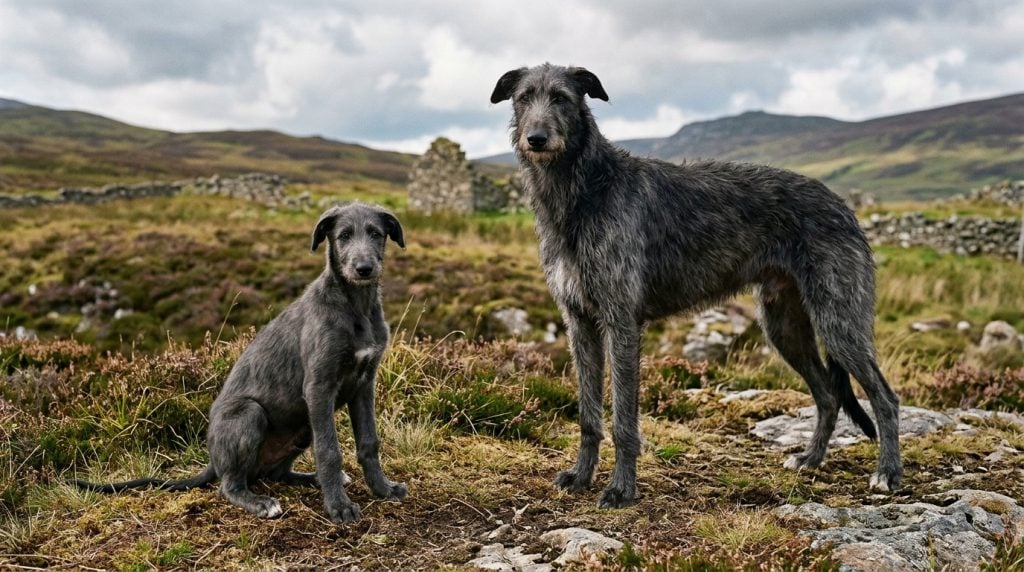
Living with a Scottish Deerhound is like having a gentle giant in your home. Their calm presence and noble stature often leave a lasting impression. While they may enjoy a good run, they are equally content lounging around the house, enjoying the company of their family with quiet dignity.
At a glance
Core care
- Size: Giant
- Energy: Moderate
- Grooming: Low
- Shedding: Moderate
Support style
- Sensitivity: Moderate
- Training style: Independent
Breed guide
Choose a section to explore. These notes describe common patterns, but individual dogs vary widely.
The Scottish Deerhound has a storied history that dates back to ancient Scotland, where they were bred to hunt deer in the rugged highlands. This background as a hunting companion has shaped their modern-day persona, blending a regal elegance with a gentle, laid-back nature. Today, these dogs are known for their calm and dignified presence, often forming deep bonds with their families.
Physically, the Scottish Deerhound is a giant breed, with a tall, lean frame that speaks to its heritage as a swift hunter. Their wiry coat is practical for their original purpose, offering protection from the elements. In a home setting, this means they may take up a fair bit of space, but their graceful movements often belie their size. Owners frequently find that despite their stature, Deerhounds are surprisingly unobtrusive indoors.
Temperamentally, Scottish Deerhounds are known for their gentle and affectionate nature. They tend to be good-natured and friendly, though they might initially appear reserved with strangers. Many owners appreciate their independent streak, which can sometimes be mistaken for aloofness. However, once a Deerhound forms a bond, it is typically deep and enduring, showcasing their loyal side.
While the breed has common traits, individual Deerhounds can vary significantly. Some may be more energetic or outgoing, while others might lean towards a more relaxed demeanor. It’s important for potential owners to understand that while breed tendencies offer a guide, each Deerhound will have its unique personality shaped by genetics and environment.
Scottish Deerhounds are often described as gentle giants, with a social nature that tends to be calm and approachable. They are generally good with people, displaying a friendly disposition that makes them pleasant companions. Their social motivations are often rooted in a desire for companionship, though they may not be as demonstrative as some other breeds.
In everyday life, owners often notice that Deerhounds have an independent streak. This independence doesn’t mean they are aloof; rather, they are comfortable being on their own while still enjoying the company of their family. This trait can sometimes make them seem less eager to please, but it is simply a part of their dignified character.
Sensitivity in Scottish Deerhounds is moderate, meaning they can be responsive to their environment without being overly reactive. This balance makes them adaptable to various living situations, though they may require a gentle approach to training and handling. Their moderate sensitivity also means they can be attuned to the moods and emotions of their human companions, often providing quiet support.
Trainability in Deerhounds is often described as independent. They are intelligent dogs, but their independent nature means they may not always respond to commands with the same enthusiasm as more biddable breeds. Owners often find success with consistent, positive reinforcement methods that respect the dog’s autonomy. Understanding and patience are key to nurturing a Deerhound’s cooperative side.
A typical day for a Scottish Deerhound involves a balance of moderate exercise and plenty of relaxation. These dogs enjoy a good run, and a couple of brisk walks or a chance to stretch their legs in a safe, enclosed area can meet their exercise needs. Despite their hunting heritage, they don’t require excessive physical activity, making them suitable for owners who appreciate a more laid-back lifestyle.
Mental enrichment is also important for Deerhounds, though they may not be as driven by puzzles or games as some breeds. Instead, they enjoy activities that engage their senses, such as exploring new scents on a walk or observing the world from a comfortable spot. Owners often find that providing variety in their daily routine helps keep a Deerhound content and mentally stimulated.
As Deerhounds age, their exercise needs may decrease, but regular activity remains important for maintaining their health and wellbeing. Puppies and young adults might display bursts of energy, but they generally settle into a more relaxed routine as they mature. It’s important for owners to adjust exercise levels according to their dog’s life stage and individual energy levels.
It’s advisable to avoid overly strenuous activities, especially for young Deerhounds, as their growing bodies can be prone to injury. Gentle, consistent exercise is the key to keeping them fit and happy. Owners should always be mindful of their dog’s physical limits and adjust activities accordingly to prevent strain or injury.
Training a Scottish Deerhound can often feel like a gentle negotiation rather than a strict regimen. Their independent nature means they may not always respond immediately to commands, but with patience and consistency, they can learn to cooperate. Positive reinforcement techniques, such as treats and praise, tend to be effective, as they appreciate a respectful approach.
Impulse control is an area where Deerhounds may need extra support, particularly when it comes to their prey drive. While they are generally calm, their hunting instincts can be triggered by small animals. Training that focuses on recall and controlled walking can help manage these impulses, ensuring they remain safe and well-behaved.
Adolescence in Deerhounds can present challenges, as they may test boundaries and exhibit more independent behaviour. During this stage, maintaining a consistent routine and reinforcing training can help guide them through. Building a strong relationship based on trust and mutual respect is crucial, as it encourages them to respond positively to guidance.
Overall, training a Deerhound requires understanding and adaptability. Each dog is unique, and what works for one may not work for another. Owners who approach training with an open mind and a willingness to adapt their methods to suit their individual dog’s needs often find the most success. Encouragement and patience are key components in nurturing a well-mannered Deerhound.
Scottish Deerhounds tend to thrive in homes where they have space to move and relax. While they are adaptable to various living environments, their size means they are often more comfortable in homes with ample room. A secure garden where they can safely stretch their legs is ideal, but they can also adjust to apartment living if given sufficient outdoor exercise.
Owners often find that Deerhounds fit well into a family setting, as they are generally good-natured and gentle with children. However, due to their size, supervision is recommended around young kids to prevent accidental knocks. Their calm nature often makes them good companions for older children who understand how to interact respectfully with a large dog.
When it comes to other pets, Deerhounds can coexist peacefully, especially if they are raised together. Their hunting instincts mean they may not always be the best match for homes with small animals, but with proper introductions and training, they can learn to live harmoniously with other dogs and cats.
Ultimately, the Scottish Deerhound’s suitability for a home depends on the individual dog’s temperament and the lifestyle of the family. Owners who appreciate a calm, gentle presence and can provide the necessary space and exercise often find that a Deerhound makes a wonderful addition to their home.
Health is a key component of a Scottish Deerhound’s overall wellbeing, and understanding their specific needs can help ensure a long, healthy life. Like many giant breeds, they are prone to certain health issues, including bloat, which requires immediate veterinary attention if suspected. Regular check-ups and a balanced diet are essential preventive measures.
Deerhounds can also be susceptible to heart conditions, so monitoring their cardiovascular health is important. Owners should be aware of any changes in their dog’s behaviour or energy levels, as these can sometimes indicate underlying health concerns. Keeping up with regular veterinary visits helps catch potential issues early.
Preventive care, including vaccinations and parasite control, is crucial for maintaining a Deerhound’s health. Regular dental care is also important, as dental issues can affect their overall health. Owners who stay proactive about health maintenance often find their Deerhounds remain active and happy well into their senior years.
While health concerns can be a worry, it’s important to remember that many Deerhounds live healthy lives with proper care. Understanding their specific health needs and working closely with a veterinarian can help owners provide the best possible care. A practical approach to health management ensures that Deerhounds can enjoy their days with vitality and comfort.
The Scottish Deerhound’s history is deeply intertwined with the rugged landscapes of ancient Scotland. Bred to hunt the majestic red deer, these dogs were valued for their speed, endurance, and keen hunting instincts. Their role as deer hunters has left a lasting impact on their physical and behavioural traits, shaping them into the noble companions we know today.
Originally, Deerhounds were the exclusive property of the nobility, a status that underscores their esteemed position in Scottish society. Their ability to pursue and bring down large game made them indispensable to the hunt, and their regal bearing was a symbol of prestige. This noble heritage is reflected in their dignified demeanour and graceful presence.
As the need for hunting dogs diminished, the Deerhound’s role transitioned from hunter to companion. Their gentle nature and loyalty endeared them to families, and they became cherished pets. Despite changes in their role, the Deerhound’s hunting instincts remain, evident in their love for running and their keen sense of sight.
Understanding the Scottish Deerhound’s history provides insight into their modern-day characteristics. Their independent nature, gentle disposition, and love for open spaces all harken back to their origins as noble hunters. This rich history continues to influence their behaviour and makes them a unique and cherished breed among dog enthusiasts.
What shapes individual dogs
- Early social experiences
- Training approach
- Environment & routine
- Genetics & breeding
- Health & pain
- Age / life stage
The Scottish Deerhound has a storied history that dates back to ancient Scotland, where they were bred to hunt deer in the rugged highlands. This background as a hunting companion has shaped their modern-day persona, blending a regal elegance with a gentle, laid-back nature. Today, these dogs are known for their calm and dignified presence, often forming deep bonds with their families.
Physically, the Scottish Deerhound is a giant breed, with a tall, lean frame that speaks to its heritage as a swift hunter. Their wiry coat is practical for their original purpose, offering protection from the elements. In a home setting, this means they may take up a fair bit of space, but their graceful movements often belie their size. Owners frequently find that despite their stature, Deerhounds are surprisingly unobtrusive indoors.
Temperamentally, Scottish Deerhounds are known for their gentle and affectionate nature. They tend to be good-natured and friendly, though they might initially appear reserved with strangers. Many owners appreciate their independent streak, which can sometimes be mistaken for aloofness. However, once a Deerhound forms a bond, it is typically deep and enduring, showcasing their loyal side.
While the breed has common traits, individual Deerhounds can vary significantly. Some may be more energetic or outgoing, while others might lean towards a more relaxed demeanor. It’s important for potential owners to understand that while breed tendencies offer a guide, each Deerhound will have its unique personality shaped by genetics and environment.
Scottish Deerhounds are often described as gentle giants, with a social nature that tends to be calm and approachable. They are generally good with people, displaying a friendly disposition that makes them pleasant companions. Their social motivations are often rooted in a desire for companionship, though they may not be as demonstrative as some other breeds.
In everyday life, owners often notice that Deerhounds have an independent streak. This independence doesn’t mean they are aloof; rather, they are comfortable being on their own while still enjoying the company of their family. This trait can sometimes make them seem less eager to please, but it is simply a part of their dignified character.
Sensitivity in Scottish Deerhounds is moderate, meaning they can be responsive to their environment without being overly reactive. This balance makes them adaptable to various living situations, though they may require a gentle approach to training and handling. Their moderate sensitivity also means they can be attuned to the moods and emotions of their human companions, often providing quiet support.
Trainability in Deerhounds is often described as independent. They are intelligent dogs, but their independent nature means they may not always respond to commands with the same enthusiasm as more biddable breeds. Owners often find success with consistent, positive reinforcement methods that respect the dog’s autonomy. Understanding and patience are key to nurturing a Deerhound’s cooperative side.
A typical day for a Scottish Deerhound involves a balance of moderate exercise and plenty of relaxation. These dogs enjoy a good run, and a couple of brisk walks or a chance to stretch their legs in a safe, enclosed area can meet their exercise needs. Despite their hunting heritage, they don’t require excessive physical activity, making them suitable for owners who appreciate a more laid-back lifestyle.
Mental enrichment is also important for Deerhounds, though they may not be as driven by puzzles or games as some breeds. Instead, they enjoy activities that engage their senses, such as exploring new scents on a walk or observing the world from a comfortable spot. Owners often find that providing variety in their daily routine helps keep a Deerhound content and mentally stimulated.
As Deerhounds age, their exercise needs may decrease, but regular activity remains important for maintaining their health and wellbeing. Puppies and young adults might display bursts of energy, but they generally settle into a more relaxed routine as they mature. It’s important for owners to adjust exercise levels according to their dog’s life stage and individual energy levels.
It’s advisable to avoid overly strenuous activities, especially for young Deerhounds, as their growing bodies can be prone to injury. Gentle, consistent exercise is the key to keeping them fit and happy. Owners should always be mindful of their dog’s physical limits and adjust activities accordingly to prevent strain or injury.
Training a Scottish Deerhound can often feel like a gentle negotiation rather than a strict regimen. Their independent nature means they may not always respond immediately to commands, but with patience and consistency, they can learn to cooperate. Positive reinforcement techniques, such as treats and praise, tend to be effective, as they appreciate a respectful approach.
Impulse control is an area where Deerhounds may need extra support, particularly when it comes to their prey drive. While they are generally calm, their hunting instincts can be triggered by small animals. Training that focuses on recall and controlled walking can help manage these impulses, ensuring they remain safe and well-behaved.
Adolescence in Deerhounds can present challenges, as they may test boundaries and exhibit more independent behaviour. During this stage, maintaining a consistent routine and reinforcing training can help guide them through. Building a strong relationship based on trust and mutual respect is crucial, as it encourages them to respond positively to guidance.
Overall, training a Deerhound requires understanding and adaptability. Each dog is unique, and what works for one may not work for another. Owners who approach training with an open mind and a willingness to adapt their methods to suit their individual dog’s needs often find the most success. Encouragement and patience are key components in nurturing a well-mannered Deerhound.
Scottish Deerhounds tend to thrive in homes where they have space to move and relax. While they are adaptable to various living environments, their size means they are often more comfortable in homes with ample room. A secure garden where they can safely stretch their legs is ideal, but they can also adjust to apartment living if given sufficient outdoor exercise.
Owners often find that Deerhounds fit well into a family setting, as they are generally good-natured and gentle with children. However, due to their size, supervision is recommended around young kids to prevent accidental knocks. Their calm nature often makes them good companions for older children who understand how to interact respectfully with a large dog.
When it comes to other pets, Deerhounds can coexist peacefully, especially if they are raised together. Their hunting instincts mean they may not always be the best match for homes with small animals, but with proper introductions and training, they can learn to live harmoniously with other dogs and cats.
Ultimately, the Scottish Deerhound’s suitability for a home depends on the individual dog’s temperament and the lifestyle of the family. Owners who appreciate a calm, gentle presence and can provide the necessary space and exercise often find that a Deerhound makes a wonderful addition to their home.
Health is a key component of a Scottish Deerhound’s overall wellbeing, and understanding their specific needs can help ensure a long, healthy life. Like many giant breeds, they are prone to certain health issues, including bloat, which requires immediate veterinary attention if suspected. Regular check-ups and a balanced diet are essential preventive measures.
Deerhounds can also be susceptible to heart conditions, so monitoring their cardiovascular health is important. Owners should be aware of any changes in their dog’s behaviour or energy levels, as these can sometimes indicate underlying health concerns. Keeping up with regular veterinary visits helps catch potential issues early.
Preventive care, including vaccinations and parasite control, is crucial for maintaining a Deerhound’s health. Regular dental care is also important, as dental issues can affect their overall health. Owners who stay proactive about health maintenance often find their Deerhounds remain active and happy well into their senior years.
While health concerns can be a worry, it’s important to remember that many Deerhounds live healthy lives with proper care. Understanding their specific health needs and working closely with a veterinarian can help owners provide the best possible care. A practical approach to health management ensures that Deerhounds can enjoy their days with vitality and comfort.
The Scottish Deerhound’s history is deeply intertwined with the rugged landscapes of ancient Scotland. Bred to hunt the majestic red deer, these dogs were valued for their speed, endurance, and keen hunting instincts. Their role as deer hunters has left a lasting impact on their physical and behavioural traits, shaping them into the noble companions we know today.
Originally, Deerhounds were the exclusive property of the nobility, a status that underscores their esteemed position in Scottish society. Their ability to pursue and bring down large game made them indispensable to the hunt, and their regal bearing was a symbol of prestige. This noble heritage is reflected in their dignified demeanour and graceful presence.
As the need for hunting dogs diminished, the Deerhound’s role transitioned from hunter to companion. Their gentle nature and loyalty endeared them to families, and they became cherished pets. Despite changes in their role, the Deerhound’s hunting instincts remain, evident in their love for running and their keen sense of sight.
Understanding the Scottish Deerhound’s history provides insight into their modern-day characteristics. Their independent nature, gentle disposition, and love for open spaces all harken back to their origins as noble hunters. This rich history continues to influence their behaviour and makes them a unique and cherished breed among dog enthusiasts.
What shapes individual dogs
- Early social experiences
- Training approach
- Environment & routine
- Genetics & breeding
- Health & pain
- Age / life stage
Want support with this?
This course is relevant for Scottish Deerhound owners to better understand their dog's independent nature and behavioural nuances.