
Russian Tsvetnaya Bolonka
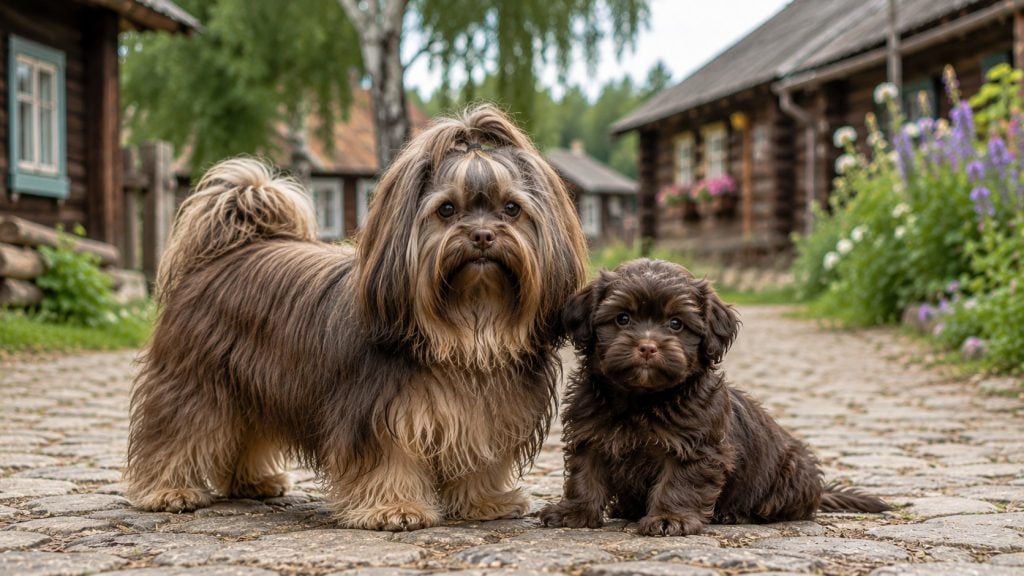
The Russian Tsvetnaya Bolonka is a delightful companion, known for its affectionate nature and charming presence. These small dogs often form strong bonds with their families, enjoying both playtime and quiet moments. Their moderate energy levels make them adaptable to various lifestyles, thriving in homes where they can be part of daily activities.
At a glance
Core care
- Size: Small
- Energy: Moderate
- Grooming: Low
- Shedding: Low
Support style
- Sensitivity: Moderate
- Training style: Willing
Breed guide
Choose a section to explore. These notes describe common patterns, but individual dogs vary widely.
The Russian Tsvetnaya Bolonka has its roots in Russia, where it was developed as a companion dog for aristocrats. This history as a cherished lapdog is evident in their affectionate and people-oriented nature today. They are small in stature but carry themselves with a certain elegance that hints at their noble origins. This breed’s past as a companion animal is reflected in their desire to be close to their human family, often seeking out attention and affection.
Physically, the Bolonka is a small dog with a sturdy build, which makes them well-suited for apartment living. Their size allows them to fit comfortably in smaller spaces, yet they still possess a robust enough frame to enjoy outdoor activities with their owners. The breed’s coat is one of its most distinctive features, often described as soft and wavy, requiring regular grooming to maintain its appearance. Despite their high grooming needs, they are low shedders, which can be a relief for those concerned about pet hair around the home.
In terms of temperament, the Bolonka is known for being friendly and sociable, often getting along well with other pets and children. They tend to be moderately sensitive, meaning they can pick up on the moods of their human companions, which can make them intuitive pets. Owners often notice that these dogs are eager to please, which can make training a rewarding experience. However, like all breeds, individual personalities can vary, with some Bolonkas being more reserved or independent than others.
Prospective owners should be prepared for a dog that thrives on companionship and may not do well if left alone for long periods. It’s important to remember that while breed traits provide a general guide, each Bolonka will have its own unique personality shaped by genetics, environment, and upbringing. Patience and understanding are key to nurturing a happy and well-adjusted Bolonka.
The Russian Tsvetnaya Bolonka is often described as a social butterfly in the dog world. They tend to form close bonds with their human families and enjoy being involved in daily activities. This breed’s social nature is rooted in their history as companion dogs, where being close to people was a primary role. Owners frequently notice their Bolonka following them from room to room, eager to be part of whatever is happening.
Their moderate sensitivity means they are generally attuned to the emotions and energy of their environment. This can make them particularly responsive to positive reinforcement during training, as they often seek to please their owners. However, it also means they may become anxious in chaotic or unpredictable settings. Providing a stable and loving environment can help these dogs feel secure and content.
Trainability is a notable trait of the Bolonka, as they are usually willing learners. Their eagerness to please, combined with their intelligence, makes them relatively easy to train compared to some other toy breeds. Owners often find that consistency and patience are key, as these dogs respond well to gentle guidance and clear communication. Training sessions can be a great way to bond with your Bolonka, as they enjoy the mental stimulation and the opportunity to interact with their human companions.
While the Bolonka tends to be friendly and outgoing, individual dogs may vary in their social tendencies. Some may be more reserved or cautious around new people or environments, requiring a bit more time to warm up. Understanding and respecting these individual differences is crucial for fostering a trusting relationship. Overall, the Bolonka’s temperament makes them a delightful addition to many homes, provided their social and emotional needs are met.
A typical day for a Russian Tsvetnaya Bolonka involves a balanced mix of moderate exercise and mental enrichment. These dogs enjoy daily walks, which help them burn off energy and explore their surroundings. While they don’t require extensive physical activity, regular walks and playtime are essential to keep them healthy and happy. Owners often find that a couple of short walks combined with interactive play sessions are sufficient to meet their needs.
Mental enrichment is equally important for the Bolonka, as their intelligent and curious nature thrives on stimulation. Puzzle toys, training games, and scent work can provide the mental challenges they enjoy. These activities not only keep their minds sharp but also strengthen the bond between dog and owner. It’s important to vary these activities to prevent boredom and keep them engaged.
As with any breed, the exercise needs of a Bolonka can change as they age. Puppies and young adults tend to have bursts of energy and may require more frequent play sessions, while older dogs might prefer a more relaxed pace. Adjusting their routine to match their life stage ensures they remain healthy and content throughout their lives.
Owners should be mindful not to over-exercise their Bolonka, especially in extreme weather conditions. Their small size means they can be sensitive to temperature extremes, so it’s best to avoid strenuous activities during the hottest or coldest parts of the day. By tailoring their exercise and enrichment activities to suit their individual needs, owners can help their Bolonka lead a fulfilling and balanced life.
Training a Russian Tsvetnaya Bolonka is often described as a rewarding experience, thanks to their willingness to learn and eagerness to please. These dogs tend to respond well to positive reinforcement techniques, such as treats, praise, and play. Owners often find that keeping training sessions short and engaging helps maintain their Bolonka’s interest and enthusiasm.
Impulse control can be an area where Bolonkas require a bit of guidance, especially during their adolescent phase. Consistency in training and setting clear boundaries can help them learn what is expected of them. It’s important to approach training with patience and understanding, as these dogs may become discouraged if they sense frustration from their owner.
Adolescence can be a challenging time for any dog owner, and the Bolonka is no exception. During this period, they may test boundaries and exhibit more independent behaviour. Maintaining a consistent training routine and reinforcing positive behaviours can help guide them through this phase. Owners often find that building a strong relationship based on trust and respect is key to navigating these challenges successfully.
A supportive training environment that encourages learning and growth is essential for the Bolonka. By focusing on building a positive relationship and using gentle, consistent methods, owners can help their Bolonka develop into a well-mannered and confident companion. For those new to dog training or seeking additional support, enrolling in a course like “Puppy Beginnings: Building a Calm Start” can provide valuable insights and techniques to enhance the training experience.
The Russian Tsvetnaya Bolonka can adapt well to various living environments, making them suitable for both city apartments and suburban homes. Their small size and moderate energy levels mean they don’t require a large yard, but they do benefit from having access to outdoor spaces for regular walks and playtime. Owners often find that these dogs thrive in homes where they can be involved in daily activities and enjoy plenty of companionship.
Families with children often find the Bolonka to be a good match, as they tend to be friendly and patient with kids. However, it’s important to supervise interactions between young children and dogs to ensure safe and positive experiences for both. Teaching children how to interact respectfully with their Bolonka can help foster a harmonious relationship.
When it comes to other pets, Bolonkas generally get along well with other dogs and even cats, provided they are introduced properly. Their sociable nature means they often enjoy having playmates, but individual temperament can vary. Some Bolonkas may prefer the company of humans over other animals, so it’s important to consider their personality when introducing them to a multi-pet household.
Ultimately, the Bolonka’s adaptability and affectionate nature make them a versatile companion for many different lifestyles. Prospective owners should consider their ability to meet the breed’s social and grooming needs, as well as their desire for companionship. By providing a loving and stable environment, owners can ensure their Bolonka feels secure and content in their home.
The health and wellbeing of a Russian Tsvetnaya Bolonka are closely linked to their everyday care and lifestyle. While generally a healthy breed, they can be prone to certain health issues common in small dogs, such as dental problems and patellar luxation. Regular veterinary check-ups and preventive care are essential to catch any potential issues early and maintain their overall health.
Dental care is particularly important for the Bolonka, as their small mouths can lead to overcrowding and plaque build-up. Regular tooth brushing and dental check-ups can help prevent these issues and ensure their teeth and gums remain healthy. Owners often find that starting a dental care routine early in their Bolonka’s life can make the process easier and more effective.
Monitoring their weight and diet is also crucial, as small breeds can be prone to obesity, which can exacerbate other health problems. Providing a balanced diet and regular exercise helps keep them at a healthy weight and supports their overall wellbeing. Owners should consult with their veterinarian to determine the best dietary plan for their Bolonka’s specific needs.
In addition to physical health, mental wellbeing is important for the Bolonka’s overall quality of life. Ensuring they have plenty of social interaction, mental stimulation, and a stable environment can help prevent behavioural issues related to anxiety or boredom. By taking a proactive approach to their health and wellbeing, owners can help their Bolonka lead a happy and fulfilling life.
The Russian Tsvetnaya Bolonka has a fascinating history that traces back to Russia, where they were bred as companion dogs for the aristocracy. Their name, which translates to ‘coloured lapdog,’ reflects their primary role as cherished companions. This breed was developed from various small breeds, including the Bichon Frise and the Shih Tzu, resulting in a dog that was both aesthetically pleasing and affectionate.
During the Soviet era, the Bolonka’s popularity waned due to restrictions on owning non-working dogs. However, their charm and companionship qualities ensured their survival, and they continued to be bred by enthusiasts who valued their unique traits. This period of selective breeding helped refine the Bolonka’s characteristics, leading to the delightful companion we know today.
The Bolonka’s history as a companion dog is evident in their modern behaviour. They are known for their affectionate nature and desire to be close to their human families. This breed’s past as a lapdog explains their tendency to seek out attention and their ability to form strong bonds with their owners. Their small size and charming appearance also reflect their history as a breed developed for companionship rather than work.
Today, the Russian Tsvetnaya Bolonka is gaining recognition outside of Russia, appreciated for their friendly temperament and adaptability. Their history as a beloved companion continues to influence their role in modern homes, where they bring joy and affection to their families. Understanding their origins helps owners appreciate the Bolonka’s unique qualities and the rich history that has shaped them.
What shapes individual dogs
- Early social experiences
- Training approach
- Environment & routine
- Genetics & breeding
- Health & pain
- Age / life stage
The Russian Tsvetnaya Bolonka has its roots in Russia, where it was developed as a companion dog for aristocrats. This history as a cherished lapdog is evident in their affectionate and people-oriented nature today. They are small in stature but carry themselves with a certain elegance that hints at their noble origins. This breed’s past as a companion animal is reflected in their desire to be close to their human family, often seeking out attention and affection.
Physically, the Bolonka is a small dog with a sturdy build, which makes them well-suited for apartment living. Their size allows them to fit comfortably in smaller spaces, yet they still possess a robust enough frame to enjoy outdoor activities with their owners. The breed’s coat is one of its most distinctive features, often described as soft and wavy, requiring regular grooming to maintain its appearance. Despite their high grooming needs, they are low shedders, which can be a relief for those concerned about pet hair around the home.
In terms of temperament, the Bolonka is known for being friendly and sociable, often getting along well with other pets and children. They tend to be moderately sensitive, meaning they can pick up on the moods of their human companions, which can make them intuitive pets. Owners often notice that these dogs are eager to please, which can make training a rewarding experience. However, like all breeds, individual personalities can vary, with some Bolonkas being more reserved or independent than others.
Prospective owners should be prepared for a dog that thrives on companionship and may not do well if left alone for long periods. It’s important to remember that while breed traits provide a general guide, each Bolonka will have its own unique personality shaped by genetics, environment, and upbringing. Patience and understanding are key to nurturing a happy and well-adjusted Bolonka.
The Russian Tsvetnaya Bolonka is often described as a social butterfly in the dog world. They tend to form close bonds with their human families and enjoy being involved in daily activities. This breed’s social nature is rooted in their history as companion dogs, where being close to people was a primary role. Owners frequently notice their Bolonka following them from room to room, eager to be part of whatever is happening.
Their moderate sensitivity means they are generally attuned to the emotions and energy of their environment. This can make them particularly responsive to positive reinforcement during training, as they often seek to please their owners. However, it also means they may become anxious in chaotic or unpredictable settings. Providing a stable and loving environment can help these dogs feel secure and content.
Trainability is a notable trait of the Bolonka, as they are usually willing learners. Their eagerness to please, combined with their intelligence, makes them relatively easy to train compared to some other toy breeds. Owners often find that consistency and patience are key, as these dogs respond well to gentle guidance and clear communication. Training sessions can be a great way to bond with your Bolonka, as they enjoy the mental stimulation and the opportunity to interact with their human companions.
While the Bolonka tends to be friendly and outgoing, individual dogs may vary in their social tendencies. Some may be more reserved or cautious around new people or environments, requiring a bit more time to warm up. Understanding and respecting these individual differences is crucial for fostering a trusting relationship. Overall, the Bolonka’s temperament makes them a delightful addition to many homes, provided their social and emotional needs are met.
A typical day for a Russian Tsvetnaya Bolonka involves a balanced mix of moderate exercise and mental enrichment. These dogs enjoy daily walks, which help them burn off energy and explore their surroundings. While they don’t require extensive physical activity, regular walks and playtime are essential to keep them healthy and happy. Owners often find that a couple of short walks combined with interactive play sessions are sufficient to meet their needs.
Mental enrichment is equally important for the Bolonka, as their intelligent and curious nature thrives on stimulation. Puzzle toys, training games, and scent work can provide the mental challenges they enjoy. These activities not only keep their minds sharp but also strengthen the bond between dog and owner. It’s important to vary these activities to prevent boredom and keep them engaged.
As with any breed, the exercise needs of a Bolonka can change as they age. Puppies and young adults tend to have bursts of energy and may require more frequent play sessions, while older dogs might prefer a more relaxed pace. Adjusting their routine to match their life stage ensures they remain healthy and content throughout their lives.
Owners should be mindful not to over-exercise their Bolonka, especially in extreme weather conditions. Their small size means they can be sensitive to temperature extremes, so it’s best to avoid strenuous activities during the hottest or coldest parts of the day. By tailoring their exercise and enrichment activities to suit their individual needs, owners can help their Bolonka lead a fulfilling and balanced life.
Training a Russian Tsvetnaya Bolonka is often described as a rewarding experience, thanks to their willingness to learn and eagerness to please. These dogs tend to respond well to positive reinforcement techniques, such as treats, praise, and play. Owners often find that keeping training sessions short and engaging helps maintain their Bolonka’s interest and enthusiasm.
Impulse control can be an area where Bolonkas require a bit of guidance, especially during their adolescent phase. Consistency in training and setting clear boundaries can help them learn what is expected of them. It’s important to approach training with patience and understanding, as these dogs may become discouraged if they sense frustration from their owner.
Adolescence can be a challenging time for any dog owner, and the Bolonka is no exception. During this period, they may test boundaries and exhibit more independent behaviour. Maintaining a consistent training routine and reinforcing positive behaviours can help guide them through this phase. Owners often find that building a strong relationship based on trust and respect is key to navigating these challenges successfully.
A supportive training environment that encourages learning and growth is essential for the Bolonka. By focusing on building a positive relationship and using gentle, consistent methods, owners can help their Bolonka develop into a well-mannered and confident companion. For those new to dog training or seeking additional support, enrolling in a course like “Puppy Beginnings: Building a Calm Start” can provide valuable insights and techniques to enhance the training experience.
The Russian Tsvetnaya Bolonka can adapt well to various living environments, making them suitable for both city apartments and suburban homes. Their small size and moderate energy levels mean they don’t require a large yard, but they do benefit from having access to outdoor spaces for regular walks and playtime. Owners often find that these dogs thrive in homes where they can be involved in daily activities and enjoy plenty of companionship.
Families with children often find the Bolonka to be a good match, as they tend to be friendly and patient with kids. However, it’s important to supervise interactions between young children and dogs to ensure safe and positive experiences for both. Teaching children how to interact respectfully with their Bolonka can help foster a harmonious relationship.
When it comes to other pets, Bolonkas generally get along well with other dogs and even cats, provided they are introduced properly. Their sociable nature means they often enjoy having playmates, but individual temperament can vary. Some Bolonkas may prefer the company of humans over other animals, so it’s important to consider their personality when introducing them to a multi-pet household.
Ultimately, the Bolonka’s adaptability and affectionate nature make them a versatile companion for many different lifestyles. Prospective owners should consider their ability to meet the breed’s social and grooming needs, as well as their desire for companionship. By providing a loving and stable environment, owners can ensure their Bolonka feels secure and content in their home.
The health and wellbeing of a Russian Tsvetnaya Bolonka are closely linked to their everyday care and lifestyle. While generally a healthy breed, they can be prone to certain health issues common in small dogs, such as dental problems and patellar luxation. Regular veterinary check-ups and preventive care are essential to catch any potential issues early and maintain their overall health.
Dental care is particularly important for the Bolonka, as their small mouths can lead to overcrowding and plaque build-up. Regular tooth brushing and dental check-ups can help prevent these issues and ensure their teeth and gums remain healthy. Owners often find that starting a dental care routine early in their Bolonka’s life can make the process easier and more effective.
Monitoring their weight and diet is also crucial, as small breeds can be prone to obesity, which can exacerbate other health problems. Providing a balanced diet and regular exercise helps keep them at a healthy weight and supports their overall wellbeing. Owners should consult with their veterinarian to determine the best dietary plan for their Bolonka’s specific needs.
In addition to physical health, mental wellbeing is important for the Bolonka’s overall quality of life. Ensuring they have plenty of social interaction, mental stimulation, and a stable environment can help prevent behavioural issues related to anxiety or boredom. By taking a proactive approach to their health and wellbeing, owners can help their Bolonka lead a happy and fulfilling life.
The Russian Tsvetnaya Bolonka has a fascinating history that traces back to Russia, where they were bred as companion dogs for the aristocracy. Their name, which translates to ‘coloured lapdog,’ reflects their primary role as cherished companions. This breed was developed from various small breeds, including the Bichon Frise and the Shih Tzu, resulting in a dog that was both aesthetically pleasing and affectionate.
During the Soviet era, the Bolonka’s popularity waned due to restrictions on owning non-working dogs. However, their charm and companionship qualities ensured their survival, and they continued to be bred by enthusiasts who valued their unique traits. This period of selective breeding helped refine the Bolonka’s characteristics, leading to the delightful companion we know today.
The Bolonka’s history as a companion dog is evident in their modern behaviour. They are known for their affectionate nature and desire to be close to their human families. This breed’s past as a lapdog explains their tendency to seek out attention and their ability to form strong bonds with their owners. Their small size and charming appearance also reflect their history as a breed developed for companionship rather than work.
Today, the Russian Tsvetnaya Bolonka is gaining recognition outside of Russia, appreciated for their friendly temperament and adaptability. Their history as a beloved companion continues to influence their role in modern homes, where they bring joy and affection to their families. Understanding their origins helps owners appreciate the Bolonka’s unique qualities and the rich history that has shaped them.
What shapes individual dogs
- Early social experiences
- Training approach
- Environment & routine
- Genetics & breeding
- Health & pain
- Age / life stage
Want support with this?
This course is ideal for Bolonka owners, offering insights into building a strong foundation for a calm and well-adjusted companion.