
Russell Terrier
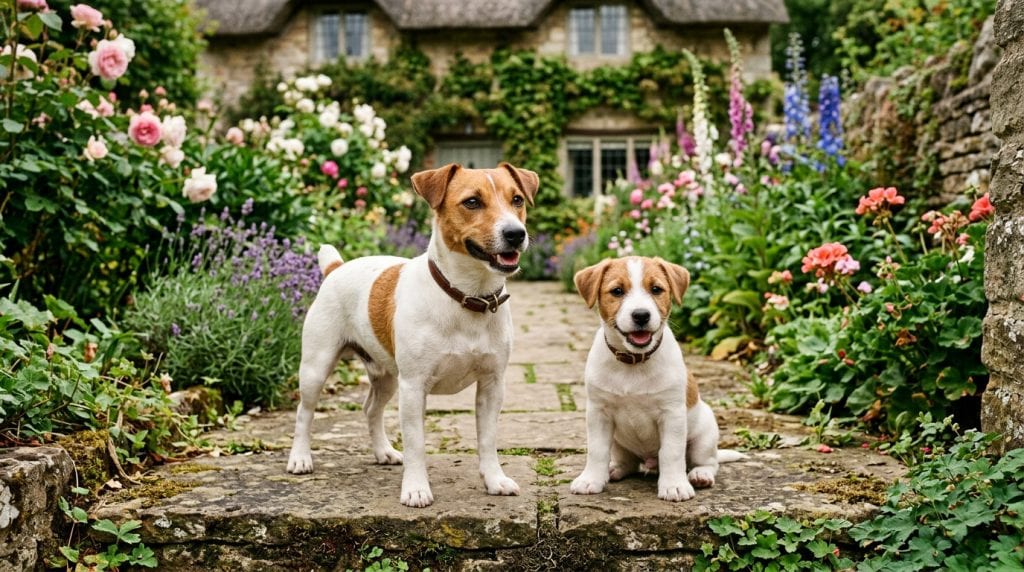
Russell Terriers are lively, confident little dogs known for their curiosity and enthusiasm for activity. Originally bred for fox hunting, they tend to retain a strong sense of adventure and a quick, inquisitive mind. Many owners enjoy their playful spirit and the energy they bring into everyday life.
At a glance
Core care
- Size: Small
- Energy: High
- Grooming: Low
- Shedding: Moderate
Support style
- Sensitivity: Moderate
- Training style: Willing
Breed guide
Choose a section to explore. These notes describe common patterns, but individual dogs vary widely.
The Russell Terrier traces its roots back to the fox hunting fields of 19th-century England, where they were bred for their tenacity and agility. This background explains their lively nature and strong prey drive, characteristics that are still evident today. While they no longer need to chase foxes, their instinct to explore and their alertness remain key parts of their personality, making them spirited companions.
Physically, Russell Terriers are small but sturdy, with a compact build that belies their strength and agility. Their size makes them well-suited to both indoor and outdoor living, but they thrive in environments where they can move freely. Owners often find that their terriers can easily keep up with more active lifestyles, whether it’s a brisk walk in the park or a romp in the garden.
In terms of temperament, Russell Terriers are known for their bold and confident demeanor. Many owners notice their terrier’s curiosity and intelligence, which can lead to both delightful and challenging moments. They are often described as having a mind of their own, which means they may sometimes test boundaries. However, their willingness to engage and learn can make them rewarding pets for those who enjoy a dog with character.
While Russell Terriers have distinct traits, it’s important to remember that individual dogs may vary. Factors like genetics, upbringing, and environment all play a role in shaping a dog’s personality. Prospective owners should be prepared for an energetic and intelligent companion, but also one that may require patience and understanding to bring out their best qualities.
Russell Terriers are often described as social and engaging, with a natural curiosity that drives them to explore their surroundings. This social nature means they usually enjoy being part of family activities and often seek out interaction with their human companions. Their inquisitive temperament can lead to a strong desire to investigate new environments and people, making them lively participants in everyday life.
The breed’s moderate sensitivity means they can be quite attuned to their owner’s emotions and household dynamics. This sensitivity, coupled with their intelligence, often results in a dog that is quick to pick up on cues and eager to please, though they may also become easily bored if not mentally stimulated. Owners often find that their Russell Terrier thrives when given tasks or challenges that engage their mind.
Trainability is generally high with Russell Terriers, as they are willing learners who enjoy the mental stimulation that training provides. However, their independent streak can sometimes lead to stubbornness, requiring consistent and patient training approaches. Positive reinforcement techniques tend to work best, as these dogs respond well to rewards and praise.
While many Russell Terriers exhibit these tendencies, it’s crucial to remember that each dog is an individual. Some may be more reserved or less driven by curiosity, depending on their unique personality and life experiences. Understanding and appreciating these differences can help owners foster a positive and supportive environment for their terrier.
A typical day for a Russell Terrier involves plenty of activity, as their high energy levels demand regular exercise. Owners often find that a couple of brisk walks, combined with playtime in the garden or a local park, helps satisfy their physical needs. These dogs are happiest when they have space to run and explore, making outdoor activities a vital part of their routine.
In addition to physical exercise, mental enrichment is equally important for Russell Terriers. Puzzle toys, interactive games, and training exercises can help keep their sharp minds engaged. Many owners discover that their terriers enjoy activities that mimic their natural instincts, such as scent games or agility courses, which provide both mental and physical stimulation.
It’s important to avoid letting a Russell Terrier become bored, as this can lead to undesirable behaviours such as digging or excessive barking. Regularly changing up their activities and introducing new challenges can help prevent this. As they age, their exercise needs may decrease slightly, but they will still benefit from regular, varied activities to keep them healthy and content.
Owners should be mindful of their terrier’s individual energy levels and adjust activities accordingly. While most Russell Terriers are energetic, some may have lower energy needs or health issues that require a more tailored approach. Observing your dog’s behaviour and adjusting their routine can help ensure they remain happy and well-balanced.
Training a Russell Terrier often feels like engaging with a bright, enthusiastic student who is eager to learn but occasionally distracted by their own interests. Their intelligence and willingness to engage make them generally responsive to training, though their independent nature can sometimes present challenges.
Positive reinforcement techniques, such as using treats and praise, are particularly effective with this breed. They respond well to rewards and enjoy the interaction that comes with training sessions. Consistency is key, as these dogs benefit from clear and steady guidance to help them understand expectations.
Adolescence can be a particularly challenging time for Russell Terriers, as their curiosity and independence may lead them to test boundaries. During this period, maintaining a calm and patient approach is crucial. Continued training and socialisation can help guide them through this phase and reinforce good behaviours.
Building a strong relationship based on trust and respect is essential for successful training. Owners who invest time in understanding their terrier’s unique personality and adapting their training methods accordingly often find the experience rewarding. Each dog is different, and what works for one may not work for another, so being flexible and observant can make all the difference.
Russell Terriers tend to fit well in homes where their energy and intelligence can be channelled into positive activities. They thrive in environments that offer both mental and physical stimulation, making them well-suited to active households. A home with a secure garden can provide them with the space they need to explore and play safely.
While they are adaptable to different living situations, Russell Terriers often do best in homes where they are not left alone for long periods. Their social nature means they enjoy companionship and can become bored or anxious if left to their own devices too often. Many owners find that their terrier appreciates having a routine that includes plenty of interaction and engagement.
Living with children and other pets can be successful, provided introductions are handled carefully and interactions are supervised. Russell Terriers are generally good with children, but their energetic nature means they may be better suited to families with older children who can engage with them appropriately. As with any breed, early socialisation and training can help foster positive relationships.
Ultimately, the best home for a Russell Terrier is one where their needs for activity, companionship, and mental stimulation are met. Prospective owners should consider their own lifestyle and how a lively, intelligent dog will fit into it. Each terrier is unique, and understanding their individual personality can help ensure a harmonious home life.
Health is a key component of a Russell Terrier’s overall wellbeing, influencing both their behaviour and quality of life. While they are generally robust dogs, there are some health considerations that owners should be aware of to ensure their terrier remains in good health.
Common health issues in Russell Terriers can include joint problems such as patellar luxation, as well as eye conditions. Regular veterinary check-ups can help catch these issues early, and preventive care can play a significant role in maintaining their health. Keeping an eye on their weight and providing a balanced diet can also support joint health.
Understanding how health impacts behaviour is important. A normally active terrier that suddenly becomes lethargic or irritable may be experiencing discomfort or pain. Observing changes in behaviour and seeking veterinary advice when needed can help address potential health concerns before they become more serious.
Preventive care, including vaccinations, parasite control, and dental care, is essential for maintaining a Russell Terrier’s health. Building a good relationship with a veterinarian and staying informed about breed-specific health issues can help owners provide the best possible care for their dog. Each terrier is unique, and being attentive to their individual health needs is crucial.
The Russell Terrier’s origins can be traced back to the 19th century, when Reverend John Russell began breeding terriers for fox hunting in England. His goal was to create a dog that was agile, tenacious, and capable of keeping up with hounds while being small enough to go to ground. This working background explains many of the breed’s modern traits, such as their energy and intelligence.
Initially bred for their working capabilities, Russell Terriers were valued for their ability to think independently and work tirelessly. These traits have carried through to today’s dogs, who often exhibit a strong prey drive and a keen sense of adventure. Their history as working dogs also contributes to their robust health and stamina, making them well-suited to active lifestyles.
As the breed developed, Russell Terriers became popular not only for their hunting abilities but also for their engaging personalities. Their lively nature and intelligence made them appealing companions, and they began to be kept as pets as well as working dogs. This dual role has helped shape the breed into the versatile dog we know today.
Understanding the Russell Terrier’s history provides insight into their behaviour and needs. Their past as working dogs explains their high energy levels and desire for mental stimulation, traits that are important for prospective owners to consider. While they may no longer hunt foxes, the spirit of adventure and independence that defined their ancestors remains a key part of their character.
What shapes individual dogs
- Early social experiences
- Training approach
- Environment & routine
- Genetics & breeding
- Health & pain
- Age / life stage
The Russell Terrier traces its roots back to the fox hunting fields of 19th-century England, where they were bred for their tenacity and agility. This background explains their lively nature and strong prey drive, characteristics that are still evident today. While they no longer need to chase foxes, their instinct to explore and their alertness remain key parts of their personality, making them spirited companions.
Physically, Russell Terriers are small but sturdy, with a compact build that belies their strength and agility. Their size makes them well-suited to both indoor and outdoor living, but they thrive in environments where they can move freely. Owners often find that their terriers can easily keep up with more active lifestyles, whether it’s a brisk walk in the park or a romp in the garden.
In terms of temperament, Russell Terriers are known for their bold and confident demeanor. Many owners notice their terrier’s curiosity and intelligence, which can lead to both delightful and challenging moments. They are often described as having a mind of their own, which means they may sometimes test boundaries. However, their willingness to engage and learn can make them rewarding pets for those who enjoy a dog with character.
While Russell Terriers have distinct traits, it’s important to remember that individual dogs may vary. Factors like genetics, upbringing, and environment all play a role in shaping a dog’s personality. Prospective owners should be prepared for an energetic and intelligent companion, but also one that may require patience and understanding to bring out their best qualities.
Russell Terriers are often described as social and engaging, with a natural curiosity that drives them to explore their surroundings. This social nature means they usually enjoy being part of family activities and often seek out interaction with their human companions. Their inquisitive temperament can lead to a strong desire to investigate new environments and people, making them lively participants in everyday life.
The breed’s moderate sensitivity means they can be quite attuned to their owner’s emotions and household dynamics. This sensitivity, coupled with their intelligence, often results in a dog that is quick to pick up on cues and eager to please, though they may also become easily bored if not mentally stimulated. Owners often find that their Russell Terrier thrives when given tasks or challenges that engage their mind.
Trainability is generally high with Russell Terriers, as they are willing learners who enjoy the mental stimulation that training provides. However, their independent streak can sometimes lead to stubbornness, requiring consistent and patient training approaches. Positive reinforcement techniques tend to work best, as these dogs respond well to rewards and praise.
While many Russell Terriers exhibit these tendencies, it’s crucial to remember that each dog is an individual. Some may be more reserved or less driven by curiosity, depending on their unique personality and life experiences. Understanding and appreciating these differences can help owners foster a positive and supportive environment for their terrier.
A typical day for a Russell Terrier involves plenty of activity, as their high energy levels demand regular exercise. Owners often find that a couple of brisk walks, combined with playtime in the garden or a local park, helps satisfy their physical needs. These dogs are happiest when they have space to run and explore, making outdoor activities a vital part of their routine.
In addition to physical exercise, mental enrichment is equally important for Russell Terriers. Puzzle toys, interactive games, and training exercises can help keep their sharp minds engaged. Many owners discover that their terriers enjoy activities that mimic their natural instincts, such as scent games or agility courses, which provide both mental and physical stimulation.
It’s important to avoid letting a Russell Terrier become bored, as this can lead to undesirable behaviours such as digging or excessive barking. Regularly changing up their activities and introducing new challenges can help prevent this. As they age, their exercise needs may decrease slightly, but they will still benefit from regular, varied activities to keep them healthy and content.
Owners should be mindful of their terrier’s individual energy levels and adjust activities accordingly. While most Russell Terriers are energetic, some may have lower energy needs or health issues that require a more tailored approach. Observing your dog’s behaviour and adjusting their routine can help ensure they remain happy and well-balanced.
Training a Russell Terrier often feels like engaging with a bright, enthusiastic student who is eager to learn but occasionally distracted by their own interests. Their intelligence and willingness to engage make them generally responsive to training, though their independent nature can sometimes present challenges.
Positive reinforcement techniques, such as using treats and praise, are particularly effective with this breed. They respond well to rewards and enjoy the interaction that comes with training sessions. Consistency is key, as these dogs benefit from clear and steady guidance to help them understand expectations.
Adolescence can be a particularly challenging time for Russell Terriers, as their curiosity and independence may lead them to test boundaries. During this period, maintaining a calm and patient approach is crucial. Continued training and socialisation can help guide them through this phase and reinforce good behaviours.
Building a strong relationship based on trust and respect is essential for successful training. Owners who invest time in understanding their terrier’s unique personality and adapting their training methods accordingly often find the experience rewarding. Each dog is different, and what works for one may not work for another, so being flexible and observant can make all the difference.
Russell Terriers tend to fit well in homes where their energy and intelligence can be channelled into positive activities. They thrive in environments that offer both mental and physical stimulation, making them well-suited to active households. A home with a secure garden can provide them with the space they need to explore and play safely.
While they are adaptable to different living situations, Russell Terriers often do best in homes where they are not left alone for long periods. Their social nature means they enjoy companionship and can become bored or anxious if left to their own devices too often. Many owners find that their terrier appreciates having a routine that includes plenty of interaction and engagement.
Living with children and other pets can be successful, provided introductions are handled carefully and interactions are supervised. Russell Terriers are generally good with children, but their energetic nature means they may be better suited to families with older children who can engage with them appropriately. As with any breed, early socialisation and training can help foster positive relationships.
Ultimately, the best home for a Russell Terrier is one where their needs for activity, companionship, and mental stimulation are met. Prospective owners should consider their own lifestyle and how a lively, intelligent dog will fit into it. Each terrier is unique, and understanding their individual personality can help ensure a harmonious home life.
Health is a key component of a Russell Terrier’s overall wellbeing, influencing both their behaviour and quality of life. While they are generally robust dogs, there are some health considerations that owners should be aware of to ensure their terrier remains in good health.
Common health issues in Russell Terriers can include joint problems such as patellar luxation, as well as eye conditions. Regular veterinary check-ups can help catch these issues early, and preventive care can play a significant role in maintaining their health. Keeping an eye on their weight and providing a balanced diet can also support joint health.
Understanding how health impacts behaviour is important. A normally active terrier that suddenly becomes lethargic or irritable may be experiencing discomfort or pain. Observing changes in behaviour and seeking veterinary advice when needed can help address potential health concerns before they become more serious.
Preventive care, including vaccinations, parasite control, and dental care, is essential for maintaining a Russell Terrier’s health. Building a good relationship with a veterinarian and staying informed about breed-specific health issues can help owners provide the best possible care for their dog. Each terrier is unique, and being attentive to their individual health needs is crucial.
The Russell Terrier’s origins can be traced back to the 19th century, when Reverend John Russell began breeding terriers for fox hunting in England. His goal was to create a dog that was agile, tenacious, and capable of keeping up with hounds while being small enough to go to ground. This working background explains many of the breed’s modern traits, such as their energy and intelligence.
Initially bred for their working capabilities, Russell Terriers were valued for their ability to think independently and work tirelessly. These traits have carried through to today’s dogs, who often exhibit a strong prey drive and a keen sense of adventure. Their history as working dogs also contributes to their robust health and stamina, making them well-suited to active lifestyles.
As the breed developed, Russell Terriers became popular not only for their hunting abilities but also for their engaging personalities. Their lively nature and intelligence made them appealing companions, and they began to be kept as pets as well as working dogs. This dual role has helped shape the breed into the versatile dog we know today.
Understanding the Russell Terrier’s history provides insight into their behaviour and needs. Their past as working dogs explains their high energy levels and desire for mental stimulation, traits that are important for prospective owners to consider. While they may no longer hunt foxes, the spirit of adventure and independence that defined their ancestors remains a key part of their character.
What shapes individual dogs
- Early social experiences
- Training approach
- Environment & routine
- Genetics & breeding
- Health & pain
- Age / life stage
Want support with this?
This course can help owners understand the complex temperament and behaviour nuances of their Russell Terrier.