
Rottle
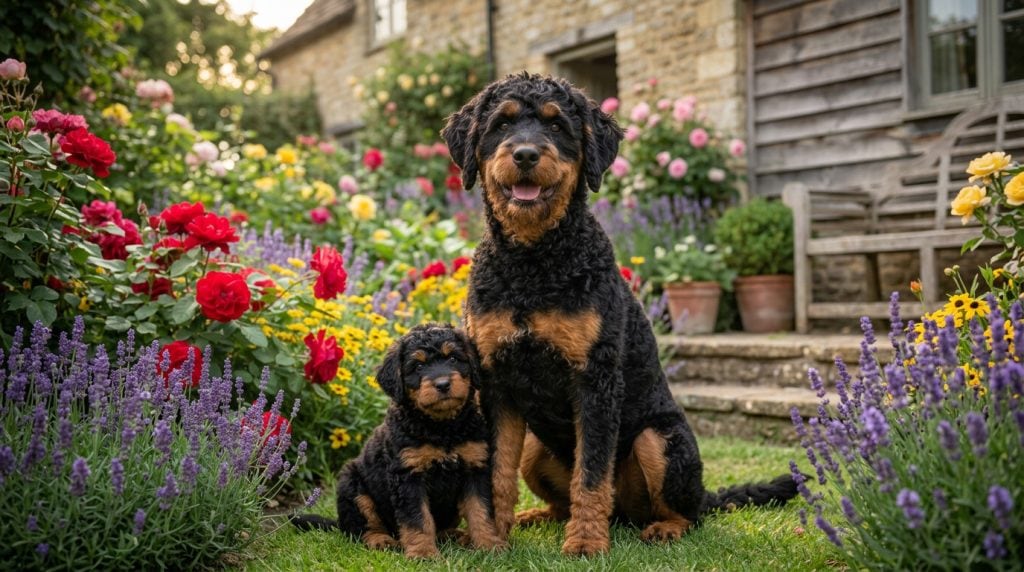
Living with a Rottle often means sharing your space with a dog that is both engaging and adaptable. They tend to form strong bonds with their families, enjoying both active play and quiet companionship. Their mixed heritage gives them a unique blend of traits that many owners find both charming and manageable.
At a glance
Core care
- Size: Large
- Energy: Moderate to high
- Grooming: Low
- Shedding: Low
Support style
- Sensitivity: Moderate
- Training style: Willing
Breed guide
Choose a section to explore. These notes describe common patterns, but individual dogs vary widely.
The Rottle, a cross between the Rottweiler and the Poodle, inherits a rich history from both parent breeds. The Rottweiler’s origins as a working and herding dog contribute to the Rottle’s strong, reliable nature, while the Poodle’s background as a water retriever adds intelligence and agility. This combination results in a dog that is both versatile and eager to engage with its family, often showing a willingness to participate in various activities.
Physically, Rottles are generally large dogs with a sturdy build, reflecting the Rottweiler’s robust frame. Their coat can vary, often taking on the Poodle’s curly texture, which is not only striking but also practical, as it tends to shed less than many other breeds. This makes them a more manageable choice for those concerned about dog hair in the home, though regular grooming is necessary to maintain their coat’s health and appearance.
In terms of temperament, Rottles are known for their balanced disposition. They often display a friendly and approachable nature, making them well-suited to family life. Owners frequently notice their dog’s ability to adapt to different situations, whether it’s a lively household gathering or a quiet evening at home. However, individual personalities can vary, with some Rottles leaning more towards the protective instincts of the Rottweiler, while others may exhibit the Poodle’s playful curiosity.
When considering a Rottle, it’s important to remember that each dog is unique. While breed tendencies provide a general guide, factors such as upbringing, training, and environment play significant roles in shaping a Rottle’s behaviour. Prospective owners should be prepared for a dog that may require both mental and physical stimulation to thrive, and be open to the individual quirks that make each Rottle special.
Rottles are often described as sociable and engaging, traits that are evident in their interactions with both family and strangers. Many Rottle owners notice their dog’s eagerness to be part of the action, whether it’s joining in on a family walk or simply lounging in the living room. This social nature is likely a blend of the Poodle’s friendly demeanor and the Rottweiler’s loyal companionship.
Understanding why Rottles behave the way they do involves looking at their mixed heritage. The Rottweiler’s history as a working and guard dog contributes to a natural protective instinct, while the Poodle’s background as a retriever brings a playful and intelligent side. This combination often results in a dog that is both alert and adaptable, capable of adjusting to various social settings with ease.
In everyday life, Rottles tend to be quite responsive to training, thanks to their willingness to please and moderate sensitivity. Owners frequently find that these dogs are quick to pick up on cues and commands, making them enjoyable companions for those who invest time in training. Their sensitivity means they often respond well to positive reinforcement, thriving in environments where they feel supported and understood.
While Rottles generally exhibit a balanced temperament, individual variations are common. Some may show a stronger inclination towards guarding behaviours, while others might lean more towards the Poodle’s playful curiosity. This diversity within the breed highlights the importance of understanding each dog’s unique personality and needs, ensuring that they are met with patience and consistency.
A typical day for a Rottle often includes a mix of physical exercise and mental stimulation. These dogs benefit from a moderate to high level of activity, which can be achieved through daily walks, play sessions, and interactive games. Many Rottle owners find that their dogs enjoy activities that challenge both their bodies and minds, such as agility training or puzzle toys.
Given their energy levels, Rottles thrive in environments where they can expend energy regularly. While they may not require the intense exercise regimen of some high-energy breeds, they do appreciate a good run or a game of fetch. This helps to keep them physically fit and mentally engaged, reducing the likelihood of boredom-related behaviours.
As Rottles age, their exercise needs may change. Young Rottles often have boundless energy and require more frequent activity to stay content. As they mature, they might become more relaxed, though regular exercise remains important for their overall health and wellbeing. Owners should be attentive to their dog’s changing needs, adjusting routines to suit their life stage.
It’s important to avoid over-exercising Rottles, especially in extreme weather conditions. Their coat, while protective, can make them susceptible to overheating in hot weather. Providing plenty of water and breaks during exercise can help ensure their comfort and safety. By tailoring activities to their individual preferences and needs, owners can help their Rottles lead a balanced and fulfilling life.
Training a Rottle often feels like a rewarding experience, thanks to their willingness to learn and engage. Many owners find that these dogs respond well to consistent and positive training methods, making the process enjoyable for both dog and owner. Their intelligence and eagerness to please often mean they pick up new commands quickly, especially when training is approached with patience and understanding.
For Rottles, positive reinforcement techniques tend to be particularly effective. Rewarding desired behaviours with treats, praise, or play can encourage them to repeat these actions. This approach not only strengthens the bond between dog and owner but also helps to build the Rottle’s confidence and trust.
Adolescence can bring its own set of challenges, as Rottles may test boundaries and exhibit increased independence. During this stage, maintaining consistency in training is crucial. Regular sessions that reinforce established commands and introduce new ones can help guide them through this developmental phase. Owners should remain patient and supportive, understanding that this is a normal part of their dog’s growth.
The relationship between a Rottle and their owner is key to successful training. Building a strong foundation based on trust and mutual respect can make a significant difference in how a Rottle responds to training. By focusing on clear communication and maintaining a positive environment, owners can help their Rottle develop into a well-mannered and confident companion.
The Rottle’s adaptable nature makes them a good fit for a variety of home environments. They tend to thrive in homes where they have space to move and play, though they can also adapt to smaller living spaces if their exercise needs are met. Many owners find that a home with a garden or nearby access to parks suits a Rottle well, providing opportunities for regular outdoor activity.
Rottles often integrate well into family life, enjoying the company of both adults and children. Their friendly and engaging nature means they typically enjoy being part of family activities, whether it’s a game in the garden or a relaxed evening indoors. However, as with any breed, interactions between dogs and young children should be supervised to ensure safety and comfort for all involved.
When it comes to living with other pets, Rottles can be quite sociable. Their temperament often allows them to coexist peacefully with other dogs and even cats, especially if they are introduced properly and socialised from an early age. Understanding each pet’s personality and ensuring gradual introductions can help foster harmonious relationships.
Overall, the Rottle’s moderate sensitivity and willingness to engage make them a versatile addition to many households. Prospective owners should consider their own lifestyle and how a Rottle’s needs align with it, ensuring that they can provide the time, attention, and activity that this breed often thrives on.
Health is a vital component of a Rottle’s overall wellbeing, influencing their behaviour and quality of life. Regular veterinary check-ups are essential to monitor their health and catch any potential issues early. Preventive care, such as vaccinations and parasite control, plays a crucial role in maintaining their health.
Rottles may be prone to certain health concerns inherited from their parent breeds, such as hip dysplasia and certain eye conditions. Being aware of these potential issues can help owners take proactive steps, such as providing joint supplements or regular eye check-ups, to support their dog’s health.
Behavioural changes can sometimes indicate underlying health problems. Owners should be attentive to any shifts in their Rottle’s behaviour, such as changes in appetite, energy levels, or mood, as these can be signs that veterinary advice is needed. Early intervention can often prevent minor issues from developing into more serious problems.
Overall, maintaining a healthy lifestyle, including a balanced diet and regular exercise, can contribute significantly to a Rottle’s longevity and happiness. By staying informed and attentive to their dog’s needs, owners can help ensure their Rottle enjoys a healthy and fulfilling life.
The Rottle is a relatively modern mixed breed, combining the traits of the Rottweiler and the Poodle. The Rottweiler’s history dates back to Roman times, where they were used as herding and guard dogs, known for their strength and reliability. This working heritage contributes to the Rottle’s robust nature and protective instincts, traits that many owners find appealing.
The Poodle, on the other hand, has a background as a water retriever, known for its intelligence and agility. Originating in Germany and refined in France, Poodles were prized for their ability to retrieve game from water, which explains the Rottle’s potential for agility and quick learning. This blend of traits from both parent breeds results in a dog that is both versatile and engaging.
The development of the Rottle was likely driven by a desire to combine the best attributes of both breeds, creating a dog that is both loyal and intelligent. This hybrid breed has gained popularity among those looking for a companion that can adapt to various lifestyles while maintaining a strong connection with their family.
Today, the Rottle is appreciated for its balanced temperament and adaptability. While they may not have the long history of purebred dogs, their mixed heritage provides a unique combination of traits that many find appealing. Understanding the origins of the Rottle helps explain their modern behaviours and the qualities that make them a cherished companion in many homes.
What shapes individual dogs
- Early social experiences
- Training approach
- Environment & routine
- Genetics & breeding
- Health & pain
- Age / life stage
The Rottle, a cross between the Rottweiler and the Poodle, inherits a rich history from both parent breeds. The Rottweiler’s origins as a working and herding dog contribute to the Rottle’s strong, reliable nature, while the Poodle’s background as a water retriever adds intelligence and agility. This combination results in a dog that is both versatile and eager to engage with its family, often showing a willingness to participate in various activities.
Physically, Rottles are generally large dogs with a sturdy build, reflecting the Rottweiler’s robust frame. Their coat can vary, often taking on the Poodle’s curly texture, which is not only striking but also practical, as it tends to shed less than many other breeds. This makes them a more manageable choice for those concerned about dog hair in the home, though regular grooming is necessary to maintain their coat’s health and appearance.
In terms of temperament, Rottles are known for their balanced disposition. They often display a friendly and approachable nature, making them well-suited to family life. Owners frequently notice their dog’s ability to adapt to different situations, whether it’s a lively household gathering or a quiet evening at home. However, individual personalities can vary, with some Rottles leaning more towards the protective instincts of the Rottweiler, while others may exhibit the Poodle’s playful curiosity.
When considering a Rottle, it’s important to remember that each dog is unique. While breed tendencies provide a general guide, factors such as upbringing, training, and environment play significant roles in shaping a Rottle’s behaviour. Prospective owners should be prepared for a dog that may require both mental and physical stimulation to thrive, and be open to the individual quirks that make each Rottle special.
Rottles are often described as sociable and engaging, traits that are evident in their interactions with both family and strangers. Many Rottle owners notice their dog’s eagerness to be part of the action, whether it’s joining in on a family walk or simply lounging in the living room. This social nature is likely a blend of the Poodle’s friendly demeanor and the Rottweiler’s loyal companionship.
Understanding why Rottles behave the way they do involves looking at their mixed heritage. The Rottweiler’s history as a working and guard dog contributes to a natural protective instinct, while the Poodle’s background as a retriever brings a playful and intelligent side. This combination often results in a dog that is both alert and adaptable, capable of adjusting to various social settings with ease.
In everyday life, Rottles tend to be quite responsive to training, thanks to their willingness to please and moderate sensitivity. Owners frequently find that these dogs are quick to pick up on cues and commands, making them enjoyable companions for those who invest time in training. Their sensitivity means they often respond well to positive reinforcement, thriving in environments where they feel supported and understood.
While Rottles generally exhibit a balanced temperament, individual variations are common. Some may show a stronger inclination towards guarding behaviours, while others might lean more towards the Poodle’s playful curiosity. This diversity within the breed highlights the importance of understanding each dog’s unique personality and needs, ensuring that they are met with patience and consistency.
A typical day for a Rottle often includes a mix of physical exercise and mental stimulation. These dogs benefit from a moderate to high level of activity, which can be achieved through daily walks, play sessions, and interactive games. Many Rottle owners find that their dogs enjoy activities that challenge both their bodies and minds, such as agility training or puzzle toys.
Given their energy levels, Rottles thrive in environments where they can expend energy regularly. While they may not require the intense exercise regimen of some high-energy breeds, they do appreciate a good run or a game of fetch. This helps to keep them physically fit and mentally engaged, reducing the likelihood of boredom-related behaviours.
As Rottles age, their exercise needs may change. Young Rottles often have boundless energy and require more frequent activity to stay content. As they mature, they might become more relaxed, though regular exercise remains important for their overall health and wellbeing. Owners should be attentive to their dog’s changing needs, adjusting routines to suit their life stage.
It’s important to avoid over-exercising Rottles, especially in extreme weather conditions. Their coat, while protective, can make them susceptible to overheating in hot weather. Providing plenty of water and breaks during exercise can help ensure their comfort and safety. By tailoring activities to their individual preferences and needs, owners can help their Rottles lead a balanced and fulfilling life.
Training a Rottle often feels like a rewarding experience, thanks to their willingness to learn and engage. Many owners find that these dogs respond well to consistent and positive training methods, making the process enjoyable for both dog and owner. Their intelligence and eagerness to please often mean they pick up new commands quickly, especially when training is approached with patience and understanding.
For Rottles, positive reinforcement techniques tend to be particularly effective. Rewarding desired behaviours with treats, praise, or play can encourage them to repeat these actions. This approach not only strengthens the bond between dog and owner but also helps to build the Rottle’s confidence and trust.
Adolescence can bring its own set of challenges, as Rottles may test boundaries and exhibit increased independence. During this stage, maintaining consistency in training is crucial. Regular sessions that reinforce established commands and introduce new ones can help guide them through this developmental phase. Owners should remain patient and supportive, understanding that this is a normal part of their dog’s growth.
The relationship between a Rottle and their owner is key to successful training. Building a strong foundation based on trust and mutual respect can make a significant difference in how a Rottle responds to training. By focusing on clear communication and maintaining a positive environment, owners can help their Rottle develop into a well-mannered and confident companion.
The Rottle’s adaptable nature makes them a good fit for a variety of home environments. They tend to thrive in homes where they have space to move and play, though they can also adapt to smaller living spaces if their exercise needs are met. Many owners find that a home with a garden or nearby access to parks suits a Rottle well, providing opportunities for regular outdoor activity.
Rottles often integrate well into family life, enjoying the company of both adults and children. Their friendly and engaging nature means they typically enjoy being part of family activities, whether it’s a game in the garden or a relaxed evening indoors. However, as with any breed, interactions between dogs and young children should be supervised to ensure safety and comfort for all involved.
When it comes to living with other pets, Rottles can be quite sociable. Their temperament often allows them to coexist peacefully with other dogs and even cats, especially if they are introduced properly and socialised from an early age. Understanding each pet’s personality and ensuring gradual introductions can help foster harmonious relationships.
Overall, the Rottle’s moderate sensitivity and willingness to engage make them a versatile addition to many households. Prospective owners should consider their own lifestyle and how a Rottle’s needs align with it, ensuring that they can provide the time, attention, and activity that this breed often thrives on.
Health is a vital component of a Rottle’s overall wellbeing, influencing their behaviour and quality of life. Regular veterinary check-ups are essential to monitor their health and catch any potential issues early. Preventive care, such as vaccinations and parasite control, plays a crucial role in maintaining their health.
Rottles may be prone to certain health concerns inherited from their parent breeds, such as hip dysplasia and certain eye conditions. Being aware of these potential issues can help owners take proactive steps, such as providing joint supplements or regular eye check-ups, to support their dog’s health.
Behavioural changes can sometimes indicate underlying health problems. Owners should be attentive to any shifts in their Rottle’s behaviour, such as changes in appetite, energy levels, or mood, as these can be signs that veterinary advice is needed. Early intervention can often prevent minor issues from developing into more serious problems.
Overall, maintaining a healthy lifestyle, including a balanced diet and regular exercise, can contribute significantly to a Rottle’s longevity and happiness. By staying informed and attentive to their dog’s needs, owners can help ensure their Rottle enjoys a healthy and fulfilling life.
The Rottle is a relatively modern mixed breed, combining the traits of the Rottweiler and the Poodle. The Rottweiler’s history dates back to Roman times, where they were used as herding and guard dogs, known for their strength and reliability. This working heritage contributes to the Rottle’s robust nature and protective instincts, traits that many owners find appealing.
The Poodle, on the other hand, has a background as a water retriever, known for its intelligence and agility. Originating in Germany and refined in France, Poodles were prized for their ability to retrieve game from water, which explains the Rottle’s potential for agility and quick learning. This blend of traits from both parent breeds results in a dog that is both versatile and engaging.
The development of the Rottle was likely driven by a desire to combine the best attributes of both breeds, creating a dog that is both loyal and intelligent. This hybrid breed has gained popularity among those looking for a companion that can adapt to various lifestyles while maintaining a strong connection with their family.
Today, the Rottle is appreciated for its balanced temperament and adaptability. While they may not have the long history of purebred dogs, their mixed heritage provides a unique combination of traits that many find appealing. Understanding the origins of the Rottle helps explain their modern behaviours and the qualities that make them a cherished companion in many homes.
What shapes individual dogs
- Early social experiences
- Training approach
- Environment & routine
- Genetics & breeding
- Health & pain
- Age / life stage
Want support with this?
This course is relevant for Rottle owners as it offers guidance on managing the unique challenges of raising a mixed-breed puppy.