
Redbone Coonhound
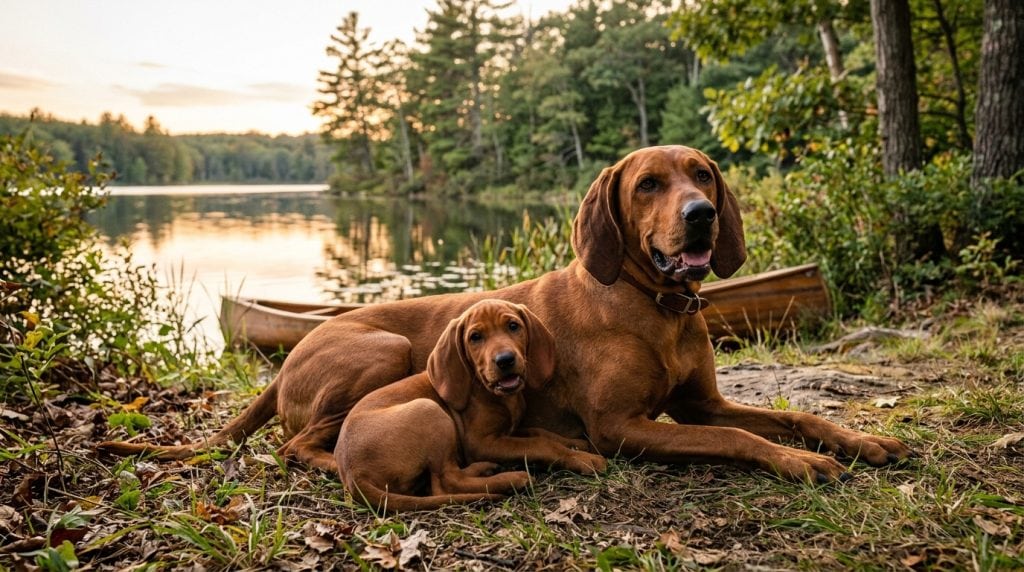
Redbone Coonhounds are energetic scent hounds known for their distinctive red coat and expressive baying voice. Bred to trail and tree game across the forests of the American South, they tend to combine determination outdoors with a friendly, sociable nature at home. Many owners enjoy their adventurous spirit and strong companionship.
At a glance
Core care
- Size: Large
- Energy: High
- Grooming: Low
- Shedding: Moderate
Support style
- Sensitivity: Moderate
- Training style: Willing
Breed guide
Choose a section to explore. These notes describe common patterns, but individual dogs vary widely.
The Redbone Coonhound’s roots are firmly planted in the American South, where they were developed as hunting dogs with a keen sense of smell and a strong drive to trail game. This history of working in dense forests and varied terrains has shaped them into agile, determined dogs who carry these traits into their modern lives. Many Redbone Coonhounds today retain a natural inclination for exploration and a love for the outdoors, making them well-suited to active families who enjoy outdoor pursuits.
Physically, the Redbone Coonhound is a large, muscular dog with a distinctive deep red coat that not only catches the eye but also serves a practical purpose. Their sleek, short coat requires minimal grooming, which many owners appreciate. Despite their size, they are surprisingly agile, capable of swift movements that reflect their hunting heritage. This agility is often seen in their playful antics and their ability to navigate various environments with ease.
Temperamentally, Redbone Coonhounds are known for their friendly and outgoing nature. They tend to form strong bonds with their families and are often eager to please, which can make them relatively easy to train compared to some other hound breeds. However, their independent streak, a remnant of their hunting past, means they can sometimes be stubborn or easily distracted by interesting scents. Owners often notice their dog’s keen interest in their surroundings, which can be both endearing and a challenge when trying to maintain their focus.
While the Redbone Coonhound has many consistent traits, individual dogs can vary widely. Some may be more laid-back, while others are constantly on the go. It’s important for potential owners to meet a few Redbones to understand the range of personalities within the breed. This ensures a good match between the dog’s energy level and the owner’s lifestyle, helping to foster a harmonious relationship.
Redbone Coonhounds are often described as social butterflies within the canine world. They tend to enjoy the company of both humans and other dogs, often seeking out companionship and interaction. This social nature can be attributed to their history as pack hunters, where working closely with others was essential. In a home setting, this translates to a dog that often prefers not to be left alone for long periods and thrives in environments where they can be part of the action.
Their moderate sensitivity means they are generally good at picking up on the emotions of those around them, which can make them intuitive companions. Owners often notice that their Redbone Coonhound is quick to offer comfort or companionship when someone is feeling down, showcasing their empathetic side. However, this sensitivity also means they can be affected by changes in their environment or routine, so a stable, predictable home life is beneficial.
Trainability is another notable aspect of the Redbone Coonhound’s temperament. They are typically willing learners, especially when training is made fun and engaging. Positive reinforcement techniques work well, as these dogs respond best to encouragement and rewards. However, their independent nature can sometimes lead to selective hearing, especially if they catch an interesting scent or sight. Consistent training and patience are key to harnessing their potential.
While many Redbone Coonhounds are outgoing and friendly, individual personalities can vary. Some may be more reserved or cautious in new situations, while others are bold and adventurous. Understanding these nuances helps owners tailor their approach to training and socialisation, ensuring their dog feels secure and confident. This breed’s blend of social warmth and independent spirit makes them both charming and occasionally challenging, but always rewarding to live with.
A typical day for a Redbone Coonhound involves plenty of physical activity to satisfy their high energy levels. Owners often start the day with a brisk walk or jog, allowing their dog to stretch their legs and explore the world around them. These dogs thrive on variety, so mixing up routes and incorporating off-lead time in safe areas can be particularly beneficial. They enjoy the opportunity to sniff and investigate, engaging their powerful noses and curious minds.
In addition to physical exercise, mental enrichment is crucial for this breed. Puzzle toys, scent games, and training sessions can help keep their minds sharp and prevent boredom. Many owners find that incorporating short training exercises into daily routines not only reinforces good behaviour but also provides the mental stimulation these intelligent dogs crave. Activities that mimic their natural hunting instincts, like tracking games, can be particularly rewarding.
As Redbone Coonhounds age, their exercise needs may change. While younger dogs often require more intense activity, older dogs might prefer gentler walks and more relaxed play. It’s important to adjust exercise routines to match their life stage, ensuring they remain healthy and happy. Regular veterinary check-ups can help guide these adjustments, ensuring that exercise remains appropriate and beneficial.
While exercise is essential, it’s equally important to avoid over-exertion, especially in extreme weather conditions. Redbone Coonhounds can be prone to overheating, so ensuring they have access to shade and water during hot days is crucial. By balancing physical activity with mental enrichment and rest, owners can help their Redbone Coonhound lead a fulfilling and contented life, full of the adventures they so dearly love.
Training a Redbone Coonhound often feels like a journey of mutual discovery. These dogs are generally eager to learn and respond well to positive reinforcement techniques. Owners often find that incorporating treats, toys, and praise into training sessions keeps their Redbone engaged and motivated. The key is to make training sessions fun and varied, tapping into their natural curiosity and intelligence.
Impulse control can be a challenge for this breed, especially given their strong prey drive and love for following scents. Teaching basic commands like ‘stay’ and ‘leave it’ can be particularly useful in managing these impulses. Consistent practice and patience are essential, as these dogs can sometimes be stubborn or easily distracted. Building a strong relationship based on trust and respect helps in overcoming these challenges.
Adolescence can be a testing time for Redbone Coonhound owners, as these dogs may become more independent and test boundaries. It’s important to maintain consistency and continue training during this stage, reinforcing good behaviour and setting clear expectations. Socialisation is also crucial during this period, helping them develop into well-rounded adults.
Ultimately, training a Redbone Coonhound is about fostering a partnership. Understanding their unique blend of independence and eagerness to please helps in tailoring training approaches that work best for them. By focusing on building a strong bond and using positive methods, owners can guide their Redbone through the challenges of training, resulting in a well-behaved and happy companion.
The Redbone Coonhound often thrives in homes where they have space to roam and explore. They are well-suited to rural or suburban environments where they can enjoy outdoor adventures and have access to secure, fenced areas. While they can adapt to urban living, their high energy levels and love for the outdoors mean they do best with owners who can commit to regular exercise and enrichment.
In terms of family life, Redbone Coonhounds are generally good with children, often displaying patience and a playful nature. Their social disposition makes them a good fit for families who enjoy spending time together, whether that’s through outdoor activities or relaxed evenings at home. However, their size and energy mean supervision is important, especially around younger children.
When it comes to other pets, Redbone Coonhounds can coexist peacefully, particularly if they are raised together. Their hunting instincts may lead them to chase smaller animals, so introductions should be managed carefully. With proper socialisation and training, they can learn to live harmoniously with other dogs and pets.
Ultimately, the Redbone Coonhound fits best with owners who appreciate their active, social nature and are willing to invest time in exercise and training. They are dogs that thrive on companionship and involvement, making them a rewarding choice for those who can meet their needs. By understanding their lifestyle requirements, potential owners can ensure a happy and fulfilling life for their Redbone Coonhound.
The health of a Redbone Coonhound is closely tied to their overall wellbeing and quality of life. Like many breeds, they are prone to certain health issues, but with proper care and attention, these can often be managed effectively. Regular veterinary check-ups are essential to monitor their health and catch any potential issues early, ensuring they remain active and happy.
Common health concerns for Redbone Coonhounds include hip dysplasia and ear infections. Owners should be vigilant about any signs of discomfort or changes in their dog’s mobility, as early intervention can make a significant difference. Maintaining a healthy weight through proper diet and exercise is also crucial in preventing joint issues.
Preventive care plays a vital role in keeping Redbone Coonhounds healthy. This includes regular ear cleaning to prevent infections, as their floppy ears can trap moisture. Dental care is also important, as good oral hygiene can prevent more serious health problems. Many owners find that incorporating these routines into their regular care helps their dog live a longer, healthier life.
While it’s important to be aware of potential health issues, it’s equally important to remember that not all Redbone Coonhounds will experience these problems. Genetics, lifestyle, and early experiences all play a role in an individual dog’s health. By focusing on preventive care and regular check-ups, owners can help their Redbone Coonhound lead a fulfilling and healthy life.
The Redbone Coonhound’s history is deeply rooted in the American South, where they were developed as versatile hunting dogs. Their origins trace back to the late 18th century, when European settlers brought their hunting dogs to America. These dogs were then bred with local hounds to create a breed well-suited to the rugged terrain and diverse game of the region.
The breed’s development was driven by the need for a dog that could hunt raccoons and other game efficiently. Redbone Coonhounds were prized for their ability to track and tree game, using their keen sense of smell and distinctive bay to alert hunters. Their striking red coat, which gives the breed its name, was selected for both its beauty and its visibility in the dense forests where they worked.
Over time, the Redbone Coonhound became known for their versatility and endurance. They were not only capable hunters but also loyal companions, traits that have carried through to the modern breed. Today, many of their working instincts remain, seen in their love for exploration and their strong tracking abilities.
Understanding the Redbone Coonhound’s history helps explain many of the traits owners see today. Their independent nature, high energy levels, and social disposition all have roots in their working past. This history enriches their character and makes them a unique and rewarding breed to live with, offering a glimpse into the past with every adventure they embark on.
What shapes individual dogs
- Early social experiences
- Training approach
- Environment & routine
- Genetics & breeding
- Health & pain
- Age / life stage
The Redbone Coonhound’s roots are firmly planted in the American South, where they were developed as hunting dogs with a keen sense of smell and a strong drive to trail game. This history of working in dense forests and varied terrains has shaped them into agile, determined dogs who carry these traits into their modern lives. Many Redbone Coonhounds today retain a natural inclination for exploration and a love for the outdoors, making them well-suited to active families who enjoy outdoor pursuits.
Physically, the Redbone Coonhound is a large, muscular dog with a distinctive deep red coat that not only catches the eye but also serves a practical purpose. Their sleek, short coat requires minimal grooming, which many owners appreciate. Despite their size, they are surprisingly agile, capable of swift movements that reflect their hunting heritage. This agility is often seen in their playful antics and their ability to navigate various environments with ease.
Temperamentally, Redbone Coonhounds are known for their friendly and outgoing nature. They tend to form strong bonds with their families and are often eager to please, which can make them relatively easy to train compared to some other hound breeds. However, their independent streak, a remnant of their hunting past, means they can sometimes be stubborn or easily distracted by interesting scents. Owners often notice their dog’s keen interest in their surroundings, which can be both endearing and a challenge when trying to maintain their focus.
While the Redbone Coonhound has many consistent traits, individual dogs can vary widely. Some may be more laid-back, while others are constantly on the go. It’s important for potential owners to meet a few Redbones to understand the range of personalities within the breed. This ensures a good match between the dog’s energy level and the owner’s lifestyle, helping to foster a harmonious relationship.
Redbone Coonhounds are often described as social butterflies within the canine world. They tend to enjoy the company of both humans and other dogs, often seeking out companionship and interaction. This social nature can be attributed to their history as pack hunters, where working closely with others was essential. In a home setting, this translates to a dog that often prefers not to be left alone for long periods and thrives in environments where they can be part of the action.
Their moderate sensitivity means they are generally good at picking up on the emotions of those around them, which can make them intuitive companions. Owners often notice that their Redbone Coonhound is quick to offer comfort or companionship when someone is feeling down, showcasing their empathetic side. However, this sensitivity also means they can be affected by changes in their environment or routine, so a stable, predictable home life is beneficial.
Trainability is another notable aspect of the Redbone Coonhound’s temperament. They are typically willing learners, especially when training is made fun and engaging. Positive reinforcement techniques work well, as these dogs respond best to encouragement and rewards. However, their independent nature can sometimes lead to selective hearing, especially if they catch an interesting scent or sight. Consistent training and patience are key to harnessing their potential.
While many Redbone Coonhounds are outgoing and friendly, individual personalities can vary. Some may be more reserved or cautious in new situations, while others are bold and adventurous. Understanding these nuances helps owners tailor their approach to training and socialisation, ensuring their dog feels secure and confident. This breed’s blend of social warmth and independent spirit makes them both charming and occasionally challenging, but always rewarding to live with.
A typical day for a Redbone Coonhound involves plenty of physical activity to satisfy their high energy levels. Owners often start the day with a brisk walk or jog, allowing their dog to stretch their legs and explore the world around them. These dogs thrive on variety, so mixing up routes and incorporating off-lead time in safe areas can be particularly beneficial. They enjoy the opportunity to sniff and investigate, engaging their powerful noses and curious minds.
In addition to physical exercise, mental enrichment is crucial for this breed. Puzzle toys, scent games, and training sessions can help keep their minds sharp and prevent boredom. Many owners find that incorporating short training exercises into daily routines not only reinforces good behaviour but also provides the mental stimulation these intelligent dogs crave. Activities that mimic their natural hunting instincts, like tracking games, can be particularly rewarding.
As Redbone Coonhounds age, their exercise needs may change. While younger dogs often require more intense activity, older dogs might prefer gentler walks and more relaxed play. It’s important to adjust exercise routines to match their life stage, ensuring they remain healthy and happy. Regular veterinary check-ups can help guide these adjustments, ensuring that exercise remains appropriate and beneficial.
While exercise is essential, it’s equally important to avoid over-exertion, especially in extreme weather conditions. Redbone Coonhounds can be prone to overheating, so ensuring they have access to shade and water during hot days is crucial. By balancing physical activity with mental enrichment and rest, owners can help their Redbone Coonhound lead a fulfilling and contented life, full of the adventures they so dearly love.
Training a Redbone Coonhound often feels like a journey of mutual discovery. These dogs are generally eager to learn and respond well to positive reinforcement techniques. Owners often find that incorporating treats, toys, and praise into training sessions keeps their Redbone engaged and motivated. The key is to make training sessions fun and varied, tapping into their natural curiosity and intelligence.
Impulse control can be a challenge for this breed, especially given their strong prey drive and love for following scents. Teaching basic commands like ‘stay’ and ‘leave it’ can be particularly useful in managing these impulses. Consistent practice and patience are essential, as these dogs can sometimes be stubborn or easily distracted. Building a strong relationship based on trust and respect helps in overcoming these challenges.
Adolescence can be a testing time for Redbone Coonhound owners, as these dogs may become more independent and test boundaries. It’s important to maintain consistency and continue training during this stage, reinforcing good behaviour and setting clear expectations. Socialisation is also crucial during this period, helping them develop into well-rounded adults.
Ultimately, training a Redbone Coonhound is about fostering a partnership. Understanding their unique blend of independence and eagerness to please helps in tailoring training approaches that work best for them. By focusing on building a strong bond and using positive methods, owners can guide their Redbone through the challenges of training, resulting in a well-behaved and happy companion.
The Redbone Coonhound often thrives in homes where they have space to roam and explore. They are well-suited to rural or suburban environments where they can enjoy outdoor adventures and have access to secure, fenced areas. While they can adapt to urban living, their high energy levels and love for the outdoors mean they do best with owners who can commit to regular exercise and enrichment.
In terms of family life, Redbone Coonhounds are generally good with children, often displaying patience and a playful nature. Their social disposition makes them a good fit for families who enjoy spending time together, whether that’s through outdoor activities or relaxed evenings at home. However, their size and energy mean supervision is important, especially around younger children.
When it comes to other pets, Redbone Coonhounds can coexist peacefully, particularly if they are raised together. Their hunting instincts may lead them to chase smaller animals, so introductions should be managed carefully. With proper socialisation and training, they can learn to live harmoniously with other dogs and pets.
Ultimately, the Redbone Coonhound fits best with owners who appreciate their active, social nature and are willing to invest time in exercise and training. They are dogs that thrive on companionship and involvement, making them a rewarding choice for those who can meet their needs. By understanding their lifestyle requirements, potential owners can ensure a happy and fulfilling life for their Redbone Coonhound.
The health of a Redbone Coonhound is closely tied to their overall wellbeing and quality of life. Like many breeds, they are prone to certain health issues, but with proper care and attention, these can often be managed effectively. Regular veterinary check-ups are essential to monitor their health and catch any potential issues early, ensuring they remain active and happy.
Common health concerns for Redbone Coonhounds include hip dysplasia and ear infections. Owners should be vigilant about any signs of discomfort or changes in their dog’s mobility, as early intervention can make a significant difference. Maintaining a healthy weight through proper diet and exercise is also crucial in preventing joint issues.
Preventive care plays a vital role in keeping Redbone Coonhounds healthy. This includes regular ear cleaning to prevent infections, as their floppy ears can trap moisture. Dental care is also important, as good oral hygiene can prevent more serious health problems. Many owners find that incorporating these routines into their regular care helps their dog live a longer, healthier life.
While it’s important to be aware of potential health issues, it’s equally important to remember that not all Redbone Coonhounds will experience these problems. Genetics, lifestyle, and early experiences all play a role in an individual dog’s health. By focusing on preventive care and regular check-ups, owners can help their Redbone Coonhound lead a fulfilling and healthy life.
The Redbone Coonhound’s history is deeply rooted in the American South, where they were developed as versatile hunting dogs. Their origins trace back to the late 18th century, when European settlers brought their hunting dogs to America. These dogs were then bred with local hounds to create a breed well-suited to the rugged terrain and diverse game of the region.
The breed’s development was driven by the need for a dog that could hunt raccoons and other game efficiently. Redbone Coonhounds were prized for their ability to track and tree game, using their keen sense of smell and distinctive bay to alert hunters. Their striking red coat, which gives the breed its name, was selected for both its beauty and its visibility in the dense forests where they worked.
Over time, the Redbone Coonhound became known for their versatility and endurance. They were not only capable hunters but also loyal companions, traits that have carried through to the modern breed. Today, many of their working instincts remain, seen in their love for exploration and their strong tracking abilities.
Understanding the Redbone Coonhound’s history helps explain many of the traits owners see today. Their independent nature, high energy levels, and social disposition all have roots in their working past. This history enriches their character and makes them a unique and rewarding breed to live with, offering a glimpse into the past with every adventure they embark on.
What shapes individual dogs
- Early social experiences
- Training approach
- Environment & routine
- Genetics & breeding
- Health & pain
- Age / life stage
Want support with this?
This course is ideal for Redbone Coonhound owners looking to deepen their understanding of their dog's unique behaviours and social needs.