
Rat Terrier
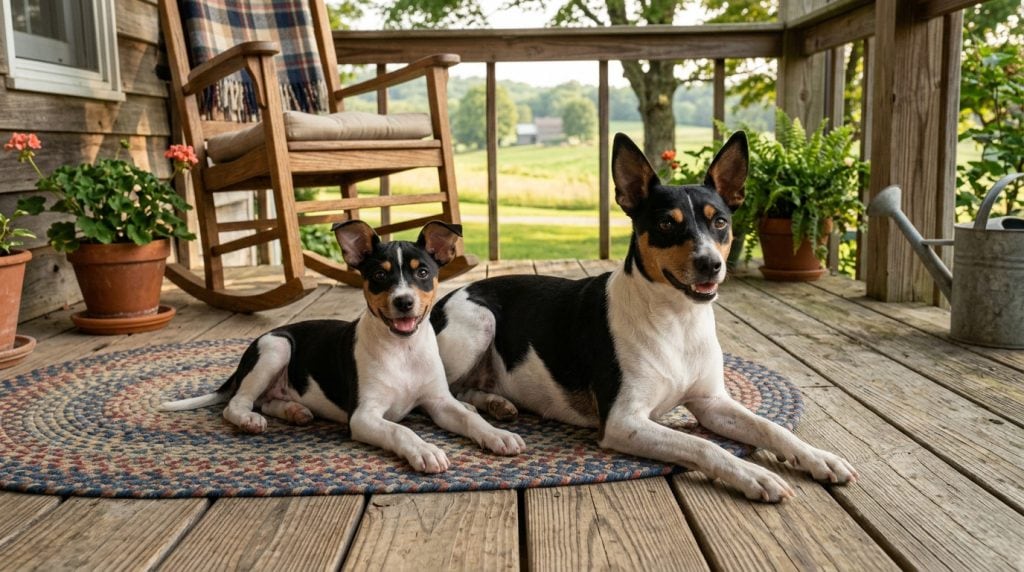
Rat Terriers are lively and intelligent little dogs known for their curiosity and quick reactions. Originally developed as farm vermin hunters, they tend to remain alert, energetic companions who enjoy being involved in daily life. Many owners appreciate their playful spirit and sharp problem-solving abilities.
At a glance
Core care
- Size: Small
- Energy: High
- Grooming: Low
- Shedding: Low
Support style
- Sensitivity: Moderate
- Training style: Willing
Breed guide
Choose a section to explore. These notes describe common patterns, but individual dogs vary widely.
The Rat Terrier has its roots firmly planted in the working dog category, originally bred in the United States for farm work and pest control. This history of being a versatile farmhand is reflected in their energetic and tenacious personality today. Many Rat Terriers still carry the instinct to chase and explore, a nod to their past roles in keeping farms free of rodents. This background contributes to their lively and alert nature, making them keen observers of their environment.
Physically, Rat Terriers are small but sturdy, with a compact and muscular build that belies their agility and speed. Their size makes them well-suited for both indoor and outdoor activities, and their short, smooth coat is easy to maintain, requiring minimal grooming. This practical coat means they are low-shedding, which is often appreciated by owners who prefer a cleaner home environment without constant fur maintenance.
In terms of temperament, Rat Terriers are known for their friendly and outgoing nature. They tend to form strong bonds with their families and often enjoy being involved in all aspects of home life. While they are generally good-natured, their terrier instincts can sometimes lead to a stubborn streak, particularly if they sense something interesting to investigate. Owners often notice their dog’s quick wit and eagerness to learn, which can make training both a rewarding and entertaining experience.
As with any breed, individual Rat Terriers can vary significantly in personality and behaviour. While many are energetic and sociable, others might be more reserved or independent. It’s important for potential owners to meet various dogs to understand the range of temperaments within the breed. This variability means that while breed traits provide a general guideline, each Rat Terrier will have its own unique quirks and characteristics.
Rat Terriers are often described as sociable and lively, traits that make them engaging companions. They tend to thrive in environments where they can interact with their family members regularly. Many owners notice that these dogs enjoy being part of the action, whether it’s joining in on a walk, playing in the garden, or simply lounging nearby. Their social nature often means they are happiest when they feel included in family activities.
The breed’s moderate sensitivity can sometimes translate into a dog that is quite attuned to the emotions and routines of their household. This sensitivity can make them responsive to training and eager to please, as they often pick up on cues from their owners. However, it also means they may require gentle handling and a consistent approach to training, as harsh methods can lead to anxiety or reluctance.
Rat Terriers are generally willing learners, and their trainability is often enhanced by their natural curiosity and intelligence. Owners frequently find that positive reinforcement techniques work well, as these dogs respond enthusiastically to rewards and praise. Their inquisitive nature can sometimes lead to mischief if they become bored, so keeping their minds engaged with varied activities is beneficial.
While Rat Terriers are known for their friendly disposition, individual dogs can vary in their social preferences. Some may be more outgoing and eager to meet new people and pets, while others might be more reserved or selective in their interactions. This variation means that socialisation from a young age is important to help them develop into well-rounded adults. Understanding that each dog is unique helps set realistic expectations for their behaviour and social tendencies.
A typical day for a Rat Terrier often involves a good amount of physical activity, reflecting their high energy levels. These dogs usually enjoy a combination of walks, playtime, and opportunities to explore their surroundings. Owners often find that a brisk daily walk combined with some play sessions in the garden or park helps to keep their Rat Terrier content and well-exercised.
Given their intelligent and curious nature, mental enrichment is just as important as physical exercise for Rat Terriers. Puzzle toys, interactive games, and training sessions can provide the mental stimulation they crave. Owners often notice that their dogs are happiest when they have a job to do, even if it’s as simple as fetching a ball or learning a new trick. Keeping their minds engaged helps prevent boredom and the potential for mischievous behaviour.
As Rat Terriers age, their exercise needs may change. While young dogs might require more vigorous activity to burn off energy, older dogs may prefer shorter, more leisurely walks. It’s important for owners to tailor their dog’s exercise routine to their age and health, ensuring they remain active without overexertion. Regular vet check-ups can help guide these adjustments as the dog matures.
It’s worth noting that while Rat Terriers enjoy activity, they also appreciate downtime with their family. Balancing active periods with rest and relaxation helps keep them well-adjusted and happy. Owners should aim to create a routine that meets their dog’s physical and mental needs, while also allowing for quiet moments that strengthen the bond between them.
Training a Rat Terrier often feels like a dynamic and rewarding experience. These dogs are known for their intelligence and eagerness to learn, which can make training sessions enjoyable for both the dog and the owner. Many Rat Terrier owners find that their dogs respond well to positive reinforcement methods, such as treats and praise, which help to build a strong bond and encourage good behaviour.
Given their terrier instincts, Rat Terriers can sometimes exhibit impulsive behaviours, such as chasing small animals or investigating interesting scents. Training that focuses on impulse control, such as teaching a reliable recall or practising ‘leave it’ commands, can be particularly beneficial. Consistency and patience are key, as these dogs can have a stubborn streak if they become fixated on something.
Adolescence can bring its own set of challenges, as Rat Terriers may test boundaries and push limits. During this stage, maintaining a consistent training routine and reinforcing established commands can help guide them through this period. Owners often find that keeping training sessions fun and varied helps to maintain their dog’s interest and willingness to learn.
Building a strong relationship with a Rat Terrier is crucial to successful training. These dogs often thrive on the connection they have with their owners, and a trusting relationship can enhance their responsiveness to training. Encouraging a calm and positive environment helps to create a supportive atmosphere where the dog feels secure and motivated to learn. For those new to dog training or looking to deepen their understanding, the course “Puppy Beginnings: Building a Calm Start” can offer valuable insights.
Rat Terriers tend to adapt well to a variety of living environments, making them a flexible choice for many households. Their small size and moderate grooming needs mean they can thrive in both apartments and larger homes, provided they receive enough exercise and mental stimulation. Many owners find that their Rat Terrier is content as long as they are included in family activities and have opportunities to burn off energy.
These dogs often get along well with children, thanks to their playful and affectionate nature. However, as with any breed, interactions between dogs and young children should be supervised to ensure safety and mutual respect. Rat Terriers may also live harmoniously with other pets, especially if they are introduced to them at a young age. Their terrier instincts, though, might lead them to chase smaller animals, so careful introductions and monitoring are advised.
Owners often notice that Rat Terriers enjoy having a routine and can be quite adaptable to different lifestyles. Whether it’s a bustling family home or a quieter single-person household, these dogs can fit in well as long as their social and exercise needs are met. Their moderate sensitivity means they appreciate a calm and stable environment where they feel secure and valued.
Ultimately, the best home for a Rat Terrier is one where they are considered part of the family and included in daily life. Prospective owners should be prepared to engage with their dog both physically and mentally, providing a balanced lifestyle that caters to their energetic and inquisitive nature. Understanding these needs helps ensure a harmonious and fulfilling relationship with this spirited breed.
Health is an integral part of a Rat Terrier’s overall wellbeing, influencing both their behaviour and quality of life. While generally a robust breed, Rat Terriers can be prone to certain health issues that owners should be aware of. Regular veterinary check-ups are essential to monitor their health and catch any potential problems early.
Common health concerns for Rat Terriers include hip dysplasia and patellar luxation, conditions that can affect their mobility. Maintaining a healthy weight through proper diet and exercise can help mitigate these risks. Owners should also be vigilant for signs of discomfort or changes in movement, seeking veterinary advice if any issues arise.
Dental health is another important aspect of care for Rat Terriers. Like many small breeds, they can be prone to dental problems, so regular brushing and dental check-ups are recommended. Providing dental chews and toys can also help maintain oral hygiene and prevent plaque build-up.
Preventive care plays a crucial role in keeping a Rat Terrier healthy. This includes vaccinations, parasite control, and a balanced diet tailored to their age and activity level. By staying proactive about their health, owners can ensure their Rat Terrier enjoys a long, happy life. For those looking to deepen their understanding of canine health, the course “Canine First Aid: A Practical Guide” offers practical insights into maintaining their dog’s wellbeing.
The Rat Terrier’s history is closely tied to American farms, where these dogs were valued for their ability to control vermin and assist with everyday farm tasks. Developed primarily in the United States during the late 19th and early 20th centuries, the breed emerged from a mixture of small terriers and farm dogs that settlers brought with them from Europe. These early dogs were selected for their speed, determination, and strong instinct for hunting rodents, qualities that made them invaluable on rural homesteads.
Over time, breeders refined these working dogs by incorporating several terrier and small hunting breeds commonly found on American farms. Influences from dogs such as the Smooth Fox Terrier and Manchester Terrier are often noted, along with occasional contributions from other small hunting breeds that helped enhance agility, speed, and versatility. Rather than being developed from a single defined cross, the Rat Terrier evolved gradually as farmers selected the most effective ratting dogs for breeding.
As agriculture changed and the need for farm vermin hunters declined, the Rat Terrier began transitioning into a companion role. Despite this shift, many of the traits that made them effective working dogs remain visible today. Their alert nature, quick reactions, and strong prey drive all reflect the breed’s working origins.
Understanding the Rat Terrier’s background helps explain many of the behaviours owners see today. Their curiosity, intelligence, and energetic temperament are deeply connected to their history as farm working dogs, making them lively companions who still retain the instincts of their ancestors.
What shapes individual dogs
- Early social experiences
- Training approach
- Environment & routine
- Genetics & breeding
- Health & pain
- Age / life stage
The Rat Terrier has its roots firmly planted in the working dog category, originally bred in the United States for farm work and pest control. This history of being a versatile farmhand is reflected in their energetic and tenacious personality today. Many Rat Terriers still carry the instinct to chase and explore, a nod to their past roles in keeping farms free of rodents. This background contributes to their lively and alert nature, making them keen observers of their environment.
Physically, Rat Terriers are small but sturdy, with a compact and muscular build that belies their agility and speed. Their size makes them well-suited for both indoor and outdoor activities, and their short, smooth coat is easy to maintain, requiring minimal grooming. This practical coat means they are low-shedding, which is often appreciated by owners who prefer a cleaner home environment without constant fur maintenance.
In terms of temperament, Rat Terriers are known for their friendly and outgoing nature. They tend to form strong bonds with their families and often enjoy being involved in all aspects of home life. While they are generally good-natured, their terrier instincts can sometimes lead to a stubborn streak, particularly if they sense something interesting to investigate. Owners often notice their dog’s quick wit and eagerness to learn, which can make training both a rewarding and entertaining experience.
As with any breed, individual Rat Terriers can vary significantly in personality and behaviour. While many are energetic and sociable, others might be more reserved or independent. It’s important for potential owners to meet various dogs to understand the range of temperaments within the breed. This variability means that while breed traits provide a general guideline, each Rat Terrier will have its own unique quirks and characteristics.
Rat Terriers are often described as sociable and lively, traits that make them engaging companions. They tend to thrive in environments where they can interact with their family members regularly. Many owners notice that these dogs enjoy being part of the action, whether it’s joining in on a walk, playing in the garden, or simply lounging nearby. Their social nature often means they are happiest when they feel included in family activities.
The breed’s moderate sensitivity can sometimes translate into a dog that is quite attuned to the emotions and routines of their household. This sensitivity can make them responsive to training and eager to please, as they often pick up on cues from their owners. However, it also means they may require gentle handling and a consistent approach to training, as harsh methods can lead to anxiety or reluctance.
Rat Terriers are generally willing learners, and their trainability is often enhanced by their natural curiosity and intelligence. Owners frequently find that positive reinforcement techniques work well, as these dogs respond enthusiastically to rewards and praise. Their inquisitive nature can sometimes lead to mischief if they become bored, so keeping their minds engaged with varied activities is beneficial.
While Rat Terriers are known for their friendly disposition, individual dogs can vary in their social preferences. Some may be more outgoing and eager to meet new people and pets, while others might be more reserved or selective in their interactions. This variation means that socialisation from a young age is important to help them develop into well-rounded adults. Understanding that each dog is unique helps set realistic expectations for their behaviour and social tendencies.
A typical day for a Rat Terrier often involves a good amount of physical activity, reflecting their high energy levels. These dogs usually enjoy a combination of walks, playtime, and opportunities to explore their surroundings. Owners often find that a brisk daily walk combined with some play sessions in the garden or park helps to keep their Rat Terrier content and well-exercised.
Given their intelligent and curious nature, mental enrichment is just as important as physical exercise for Rat Terriers. Puzzle toys, interactive games, and training sessions can provide the mental stimulation they crave. Owners often notice that their dogs are happiest when they have a job to do, even if it’s as simple as fetching a ball or learning a new trick. Keeping their minds engaged helps prevent boredom and the potential for mischievous behaviour.
As Rat Terriers age, their exercise needs may change. While young dogs might require more vigorous activity to burn off energy, older dogs may prefer shorter, more leisurely walks. It’s important for owners to tailor their dog’s exercise routine to their age and health, ensuring they remain active without overexertion. Regular vet check-ups can help guide these adjustments as the dog matures.
It’s worth noting that while Rat Terriers enjoy activity, they also appreciate downtime with their family. Balancing active periods with rest and relaxation helps keep them well-adjusted and happy. Owners should aim to create a routine that meets their dog’s physical and mental needs, while also allowing for quiet moments that strengthen the bond between them.
Training a Rat Terrier often feels like a dynamic and rewarding experience. These dogs are known for their intelligence and eagerness to learn, which can make training sessions enjoyable for both the dog and the owner. Many Rat Terrier owners find that their dogs respond well to positive reinforcement methods, such as treats and praise, which help to build a strong bond and encourage good behaviour.
Given their terrier instincts, Rat Terriers can sometimes exhibit impulsive behaviours, such as chasing small animals or investigating interesting scents. Training that focuses on impulse control, such as teaching a reliable recall or practising ‘leave it’ commands, can be particularly beneficial. Consistency and patience are key, as these dogs can have a stubborn streak if they become fixated on something.
Adolescence can bring its own set of challenges, as Rat Terriers may test boundaries and push limits. During this stage, maintaining a consistent training routine and reinforcing established commands can help guide them through this period. Owners often find that keeping training sessions fun and varied helps to maintain their dog’s interest and willingness to learn.
Building a strong relationship with a Rat Terrier is crucial to successful training. These dogs often thrive on the connection they have with their owners, and a trusting relationship can enhance their responsiveness to training. Encouraging a calm and positive environment helps to create a supportive atmosphere where the dog feels secure and motivated to learn. For those new to dog training or looking to deepen their understanding, the course “Puppy Beginnings: Building a Calm Start” can offer valuable insights.
Rat Terriers tend to adapt well to a variety of living environments, making them a flexible choice for many households. Their small size and moderate grooming needs mean they can thrive in both apartments and larger homes, provided they receive enough exercise and mental stimulation. Many owners find that their Rat Terrier is content as long as they are included in family activities and have opportunities to burn off energy.
These dogs often get along well with children, thanks to their playful and affectionate nature. However, as with any breed, interactions between dogs and young children should be supervised to ensure safety and mutual respect. Rat Terriers may also live harmoniously with other pets, especially if they are introduced to them at a young age. Their terrier instincts, though, might lead them to chase smaller animals, so careful introductions and monitoring are advised.
Owners often notice that Rat Terriers enjoy having a routine and can be quite adaptable to different lifestyles. Whether it’s a bustling family home or a quieter single-person household, these dogs can fit in well as long as their social and exercise needs are met. Their moderate sensitivity means they appreciate a calm and stable environment where they feel secure and valued.
Ultimately, the best home for a Rat Terrier is one where they are considered part of the family and included in daily life. Prospective owners should be prepared to engage with their dog both physically and mentally, providing a balanced lifestyle that caters to their energetic and inquisitive nature. Understanding these needs helps ensure a harmonious and fulfilling relationship with this spirited breed.
Health is an integral part of a Rat Terrier’s overall wellbeing, influencing both their behaviour and quality of life. While generally a robust breed, Rat Terriers can be prone to certain health issues that owners should be aware of. Regular veterinary check-ups are essential to monitor their health and catch any potential problems early.
Common health concerns for Rat Terriers include hip dysplasia and patellar luxation, conditions that can affect their mobility. Maintaining a healthy weight through proper diet and exercise can help mitigate these risks. Owners should also be vigilant for signs of discomfort or changes in movement, seeking veterinary advice if any issues arise.
Dental health is another important aspect of care for Rat Terriers. Like many small breeds, they can be prone to dental problems, so regular brushing and dental check-ups are recommended. Providing dental chews and toys can also help maintain oral hygiene and prevent plaque build-up.
Preventive care plays a crucial role in keeping a Rat Terrier healthy. This includes vaccinations, parasite control, and a balanced diet tailored to their age and activity level. By staying proactive about their health, owners can ensure their Rat Terrier enjoys a long, happy life. For those looking to deepen their understanding of canine health, the course “Canine First Aid: A Practical Guide” offers practical insights into maintaining their dog’s wellbeing.
The Rat Terrier’s history is closely tied to American farms, where these dogs were valued for their ability to control vermin and assist with everyday farm tasks. Developed primarily in the United States during the late 19th and early 20th centuries, the breed emerged from a mixture of small terriers and farm dogs that settlers brought with them from Europe. These early dogs were selected for their speed, determination, and strong instinct for hunting rodents, qualities that made them invaluable on rural homesteads.
Over time, breeders refined these working dogs by incorporating several terrier and small hunting breeds commonly found on American farms. Influences from dogs such as the Smooth Fox Terrier and Manchester Terrier are often noted, along with occasional contributions from other small hunting breeds that helped enhance agility, speed, and versatility. Rather than being developed from a single defined cross, the Rat Terrier evolved gradually as farmers selected the most effective ratting dogs for breeding.
As agriculture changed and the need for farm vermin hunters declined, the Rat Terrier began transitioning into a companion role. Despite this shift, many of the traits that made them effective working dogs remain visible today. Their alert nature, quick reactions, and strong prey drive all reflect the breed’s working origins.
Understanding the Rat Terrier’s background helps explain many of the behaviours owners see today. Their curiosity, intelligence, and energetic temperament are deeply connected to their history as farm working dogs, making them lively companions who still retain the instincts of their ancestors.
What shapes individual dogs
- Early social experiences
- Training approach
- Environment & routine
- Genetics & breeding
- Health & pain
- Age / life stage
Want support with this?
This course is relevant for Rat Terrier owners looking to understand and support their dog's energetic and inquisitive nature from a young age.