
Pyrenean Shepherd
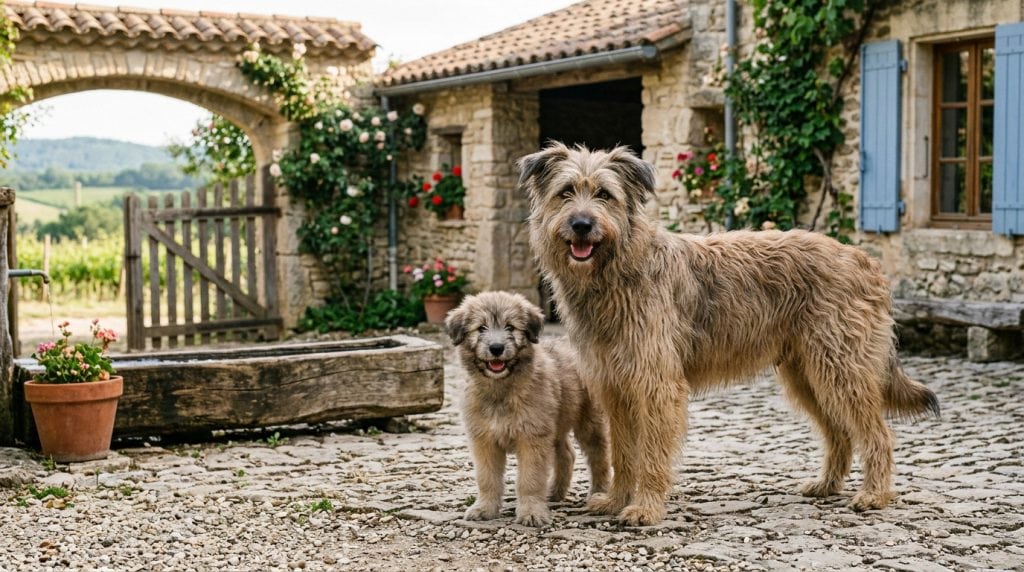
Pyrenean Shepherds are lively and intensely intelligent herding dogs known for their quick reactions and strong bonds with their families. Bred to manage livestock across the rugged Pyrenees mountains, they tend to thrive when given both physical activity and mental challenges. Many owners appreciate their enthusiasm, loyalty, and sharp awareness of their surroundings.
At a glance
Core care
- Size: Medium
- Energy: High
- Grooming: Low
- Shedding: Moderate
Support style
- Sensitivity: High
- Training style: Willing
Breed guide
Choose a section to explore. These notes describe common patterns, but individual dogs vary widely.
The Pyrenean Shepherd has its roots in the rugged Pyrenees mountains, where it was bred to herd sheep across challenging terrain. This history of working closely with shepherds has shaped the breed into a highly intelligent and energetic dog. Today, these traits manifest in a dog that thrives on activity and mental stimulation, often forming deep bonds with their human companions.
Physically, the Pyrenean Shepherd is a medium-sized dog with a lean, athletic build that hints at its herding past. Their agility and speed are evident in their everyday movements, whether they’re darting around the garden or accompanying you on a hike. The breed’s coat varies, with some having a rough texture while others are smoother, but all require regular grooming to keep them looking their best.
In terms of temperament, Pyrenean Shepherds are known for their alertness and sensitivity. They are often quick to react to changes in their environment, which can make them excellent watchdogs. Owners typically notice their dog’s keen interest in family activities, as they prefer to be involved rather than left out. While generally friendly, they can be reserved with strangers, a trait that reflects their protective nature.
It’s important to remember that while breed traits provide a general guide, individual dogs can vary widely. Factors such as early socialisation, training, and the environment all play a significant role in shaping a dog’s personality. Prospective owners should be prepared for a lively companion who thrives on interaction and activity, but also be open to the unique quirks that make each Pyrenean Shepherd special.
Pyrenean Shepherds are often described as having a lively and engaging nature. Their social motivations are deeply rooted in their herding background, where cooperation with humans was essential. This breed tends to form strong bonds with their families, often displaying a desire to be involved in daily activities. Owners frequently notice their dog’s enthusiasm for interaction, whether it’s playtime or simply being part of the household.
Their sensitivity is one of their defining traits, and it shows in their responsiveness to their environment and people. This sensitivity can be a double-edged sword; while it makes them highly trainable and attentive, it also means they may be more reactive to changes or stress. Understanding this aspect of their temperament helps in creating a supportive environment where they feel secure and valued.
Trainability in Pyrenean Shepherds is generally high, thanks to their intelligence and willingness to learn. They often excel in activities that challenge their minds, such as agility or obedience training. However, their high energy levels mean they require consistent guidance and opportunities to channel their instincts constructively. Owners often find that positive reinforcement and varied training sessions keep their Shepherds engaged and motivated.
While these tendencies are common, it’s crucial to remember that each Pyrenean Shepherd is an individual. Some may be more outgoing, while others are reserved. Their behaviour can be influenced by early experiences, socialisation, and the dynamics of their home environment. Embracing their unique personality while understanding their breed tendencies can lead to a fulfilling relationship with these spirited dogs.
A typical day for a Pyrenean Shepherd involves plenty of physical activity and mental stimulation. With their high energy levels, these dogs thrive on regular exercise, which can include long walks, runs, or even hikes. Owners often find that incorporating variety into their exercise routine helps keep their Shepherds engaged and satisfied.
Mental enrichment is just as crucial as physical exercise for this breed. Puzzle toys, interactive games, and training sessions can provide the mental challenges they crave. Many owners enjoy participating in dog sports like agility or herding trials, which cater to their Shepherd’s natural instincts and intelligence. These activities not only keep them physically fit but also mentally sharp.
As Pyrenean Shepherds age, their exercise needs may change, but they typically retain a love for activity throughout their lives. It’s important to adjust the intensity and duration of exercise to suit their age and health, ensuring they remain active without overexertion. Owners often notice that even senior Shepherds enjoy a good walk or a gentle play session.
While exercise is vital, it’s equally important to avoid over-stimulation, which can lead to restlessness or anxiety. Providing a balanced routine that includes downtime and relaxation helps maintain their overall wellbeing. Understanding their need for both activity and rest is key to a harmonious life with a Pyrenean Shepherd.
Training a Pyrenean Shepherd often feels like engaging with a keen and eager student. Their intelligence and willingness to learn make them responsive to training, especially when positive reinforcement techniques are used. Owners frequently find that these dogs excel when training is approached as a collaborative effort rather than a directive.
Consistency and patience are crucial when working with this breed. Their high energy and alertness can sometimes lead to impulsive behaviours, especially during adolescence. Establishing a routine and clear boundaries helps manage these tendencies, allowing them to understand expectations and thrive within them.
Adolescence can be a challenging time, as Pyrenean Shepherds may test limits and display increased independence. During this period, maintaining a strong relationship and continuing training is essential. Many owners find that engaging in structured activities, like dog sports or advanced obedience classes, provides a productive outlet for their energy and intelligence.
Building a strong bond through training not only enhances their skills but also deepens the connection between dog and owner. A relationship based on trust and mutual respect encourages a Pyrenean Shepherd to be more responsive and cooperative. With the right approach, training can be a rewarding experience for both, leading to a well-adjusted and happy companion.
Pyrenean Shepherds tend to thrive in environments where they have space to move and explore. Homes with access to a secure garden or nearby parks often suit their active nature. While they can adapt to various living situations, including urban environments, they do best when their exercise and mental stimulation needs are met.
Owners often find that these dogs integrate well into family life, enjoying the company of both adults and children. Their playful and energetic nature can make them excellent companions for older children who understand how to interact with dogs respectfully. As with any breed, supervision and teaching children how to engage safely with the dog are important.
When it comes to other pets, Pyrenean Shepherds may vary in their compatibility. Early socialisation and introductions can help them coexist peacefully with other animals. Their herding instincts might lead them to try and ‘herd’ other pets, which can be managed with training and supervision.
Ultimately, the key to a happy life with a Pyrenean Shepherd is understanding their needs and ensuring they are part of an active and engaging household. Prospective owners should be prepared for a lively companion who enjoys being part of the action and thrives on interaction and activity.
The health of a Pyrenean Shepherd is closely tied to their overall wellbeing and quality of life. Regular veterinary check-ups and preventive care are essential in maintaining their health and catching any potential issues early. Owners often find that a proactive approach to health care helps keep their Shepherds active and happy.
Some health considerations for this breed include hip dysplasia and eye conditions, which can affect their mobility and vision. Being aware of these potential issues and monitoring for any signs of discomfort or changes in behaviour can be crucial. Early intervention and appropriate management can make a significant difference in their quality of life.
Preventive care, such as vaccinations, parasite control, and dental hygiene, plays a vital role in their overall health. Regular exercise and a balanced diet also contribute to maintaining a healthy weight and preventing obesity-related issues. Owners often notice that a well-cared-for Pyrenean Shepherd remains energetic and engaged throughout their life.
Understanding the connection between health and behaviour can also be beneficial. Changes in behaviour, such as increased irritability or lethargy, may indicate underlying health concerns. Seeking veterinary advice when needed ensures that any health issues are addressed promptly, helping to maintain their wellbeing and happiness.
The Pyrenean Shepherd developed in the rugged Pyrenees Mountains along the border of France and Spain, where it worked as a sheep herding dog for generations of mountain shepherds. In this demanding landscape, shepherds relied on dogs that were agile, intelligent, and capable of responding quickly to changing terrain and livestock movement. The Pyrenean Shepherd excelled in this role, helping guide and control flocks across steep hillsides and open pastures.
Traditionally, the breed worked alongside the larger Pyrenean Mountain Dog (Great Pyrenees). While the Pyrenean Mountain Dog protected flocks from predators, the Pyrenean Shepherd was responsible for managing the movement of sheep and responding to the shepherd’s commands. This partnership shaped the breed into a highly responsive and energetic working dog.
Although the Pyrenean Shepherd remained relatively unknown outside its mountain homeland for many years, its abilities became more widely recognised during the early 20th century. The breed was used as a messenger and search dog during the First World War, where its intelligence and endurance proved valuable in difficult conditions.
Today, the Pyrenean Shepherd is appreciated both as a working herding dog and as an active companion. Despite its smaller size compared with many herding breeds, it retains the agility, speed, and strong work ethic that developed through centuries of mountain herding work.
What shapes individual dogs
- Early social experiences
- Training approach
- Environment & routine
- Genetics & breeding
- Health & pain
- Age / life stage
The Pyrenean Shepherd has its roots in the rugged Pyrenees mountains, where it was bred to herd sheep across challenging terrain. This history of working closely with shepherds has shaped the breed into a highly intelligent and energetic dog. Today, these traits manifest in a dog that thrives on activity and mental stimulation, often forming deep bonds with their human companions.
Physically, the Pyrenean Shepherd is a medium-sized dog with a lean, athletic build that hints at its herding past. Their agility and speed are evident in their everyday movements, whether they’re darting around the garden or accompanying you on a hike. The breed’s coat varies, with some having a rough texture while others are smoother, but all require regular grooming to keep them looking their best.
In terms of temperament, Pyrenean Shepherds are known for their alertness and sensitivity. They are often quick to react to changes in their environment, which can make them excellent watchdogs. Owners typically notice their dog’s keen interest in family activities, as they prefer to be involved rather than left out. While generally friendly, they can be reserved with strangers, a trait that reflects their protective nature.
It’s important to remember that while breed traits provide a general guide, individual dogs can vary widely. Factors such as early socialisation, training, and the environment all play a significant role in shaping a dog’s personality. Prospective owners should be prepared for a lively companion who thrives on interaction and activity, but also be open to the unique quirks that make each Pyrenean Shepherd special.
Pyrenean Shepherds are often described as having a lively and engaging nature. Their social motivations are deeply rooted in their herding background, where cooperation with humans was essential. This breed tends to form strong bonds with their families, often displaying a desire to be involved in daily activities. Owners frequently notice their dog’s enthusiasm for interaction, whether it’s playtime or simply being part of the household.
Their sensitivity is one of their defining traits, and it shows in their responsiveness to their environment and people. This sensitivity can be a double-edged sword; while it makes them highly trainable and attentive, it also means they may be more reactive to changes or stress. Understanding this aspect of their temperament helps in creating a supportive environment where they feel secure and valued.
Trainability in Pyrenean Shepherds is generally high, thanks to their intelligence and willingness to learn. They often excel in activities that challenge their minds, such as agility or obedience training. However, their high energy levels mean they require consistent guidance and opportunities to channel their instincts constructively. Owners often find that positive reinforcement and varied training sessions keep their Shepherds engaged and motivated.
While these tendencies are common, it’s crucial to remember that each Pyrenean Shepherd is an individual. Some may be more outgoing, while others are reserved. Their behaviour can be influenced by early experiences, socialisation, and the dynamics of their home environment. Embracing their unique personality while understanding their breed tendencies can lead to a fulfilling relationship with these spirited dogs.
A typical day for a Pyrenean Shepherd involves plenty of physical activity and mental stimulation. With their high energy levels, these dogs thrive on regular exercise, which can include long walks, runs, or even hikes. Owners often find that incorporating variety into their exercise routine helps keep their Shepherds engaged and satisfied.
Mental enrichment is just as crucial as physical exercise for this breed. Puzzle toys, interactive games, and training sessions can provide the mental challenges they crave. Many owners enjoy participating in dog sports like agility or herding trials, which cater to their Shepherd’s natural instincts and intelligence. These activities not only keep them physically fit but also mentally sharp.
As Pyrenean Shepherds age, their exercise needs may change, but they typically retain a love for activity throughout their lives. It’s important to adjust the intensity and duration of exercise to suit their age and health, ensuring they remain active without overexertion. Owners often notice that even senior Shepherds enjoy a good walk or a gentle play session.
While exercise is vital, it’s equally important to avoid over-stimulation, which can lead to restlessness or anxiety. Providing a balanced routine that includes downtime and relaxation helps maintain their overall wellbeing. Understanding their need for both activity and rest is key to a harmonious life with a Pyrenean Shepherd.
Training a Pyrenean Shepherd often feels like engaging with a keen and eager student. Their intelligence and willingness to learn make them responsive to training, especially when positive reinforcement techniques are used. Owners frequently find that these dogs excel when training is approached as a collaborative effort rather than a directive.
Consistency and patience are crucial when working with this breed. Their high energy and alertness can sometimes lead to impulsive behaviours, especially during adolescence. Establishing a routine and clear boundaries helps manage these tendencies, allowing them to understand expectations and thrive within them.
Adolescence can be a challenging time, as Pyrenean Shepherds may test limits and display increased independence. During this period, maintaining a strong relationship and continuing training is essential. Many owners find that engaging in structured activities, like dog sports or advanced obedience classes, provides a productive outlet for their energy and intelligence.
Building a strong bond through training not only enhances their skills but also deepens the connection between dog and owner. A relationship based on trust and mutual respect encourages a Pyrenean Shepherd to be more responsive and cooperative. With the right approach, training can be a rewarding experience for both, leading to a well-adjusted and happy companion.
Pyrenean Shepherds tend to thrive in environments where they have space to move and explore. Homes with access to a secure garden or nearby parks often suit their active nature. While they can adapt to various living situations, including urban environments, they do best when their exercise and mental stimulation needs are met.
Owners often find that these dogs integrate well into family life, enjoying the company of both adults and children. Their playful and energetic nature can make them excellent companions for older children who understand how to interact with dogs respectfully. As with any breed, supervision and teaching children how to engage safely with the dog are important.
When it comes to other pets, Pyrenean Shepherds may vary in their compatibility. Early socialisation and introductions can help them coexist peacefully with other animals. Their herding instincts might lead them to try and ‘herd’ other pets, which can be managed with training and supervision.
Ultimately, the key to a happy life with a Pyrenean Shepherd is understanding their needs and ensuring they are part of an active and engaging household. Prospective owners should be prepared for a lively companion who enjoys being part of the action and thrives on interaction and activity.
The health of a Pyrenean Shepherd is closely tied to their overall wellbeing and quality of life. Regular veterinary check-ups and preventive care are essential in maintaining their health and catching any potential issues early. Owners often find that a proactive approach to health care helps keep their Shepherds active and happy.
Some health considerations for this breed include hip dysplasia and eye conditions, which can affect their mobility and vision. Being aware of these potential issues and monitoring for any signs of discomfort or changes in behaviour can be crucial. Early intervention and appropriate management can make a significant difference in their quality of life.
Preventive care, such as vaccinations, parasite control, and dental hygiene, plays a vital role in their overall health. Regular exercise and a balanced diet also contribute to maintaining a healthy weight and preventing obesity-related issues. Owners often notice that a well-cared-for Pyrenean Shepherd remains energetic and engaged throughout their life.
Understanding the connection between health and behaviour can also be beneficial. Changes in behaviour, such as increased irritability or lethargy, may indicate underlying health concerns. Seeking veterinary advice when needed ensures that any health issues are addressed promptly, helping to maintain their wellbeing and happiness.
The Pyrenean Shepherd developed in the rugged Pyrenees Mountains along the border of France and Spain, where it worked as a sheep herding dog for generations of mountain shepherds. In this demanding landscape, shepherds relied on dogs that were agile, intelligent, and capable of responding quickly to changing terrain and livestock movement. The Pyrenean Shepherd excelled in this role, helping guide and control flocks across steep hillsides and open pastures.
Traditionally, the breed worked alongside the larger Pyrenean Mountain Dog (Great Pyrenees). While the Pyrenean Mountain Dog protected flocks from predators, the Pyrenean Shepherd was responsible for managing the movement of sheep and responding to the shepherd’s commands. This partnership shaped the breed into a highly responsive and energetic working dog.
Although the Pyrenean Shepherd remained relatively unknown outside its mountain homeland for many years, its abilities became more widely recognised during the early 20th century. The breed was used as a messenger and search dog during the First World War, where its intelligence and endurance proved valuable in difficult conditions.
Today, the Pyrenean Shepherd is appreciated both as a working herding dog and as an active companion. Despite its smaller size compared with many herding breeds, it retains the agility, speed, and strong work ethic that developed through centuries of mountain herding work.
What shapes individual dogs
- Early social experiences
- Training approach
- Environment & routine
- Genetics & breeding
- Health & pain
- Age / life stage
Want support with this?
This course is relevant for understanding the complex temperament and high sensitivity of the Pyrenean Shepherd.