
Pyrenean Mastiff
Breed group: Working
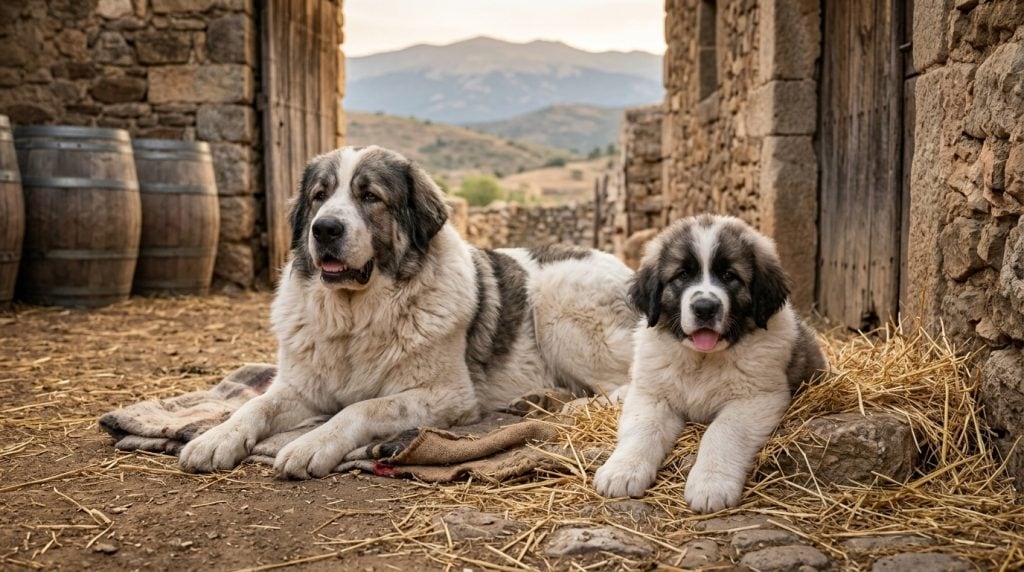
Pyrenean Mastiffs are calm, steady guardian dogs known for their immense size and gentle temperament. Bred to protect livestock in the mountains of Spain, they tend to carry themselves with quiet confidence and patience. Many owners value their reassuring presence and composed nature, which often balances their impressive physical strength.
At a glance
Core care
- Size: Giant
- Energy: Moderate
- Grooming: Low
- Shedding: High
Support style
- Sensitivity: Moderate
- Training style: Willing
Breed guide
Choose a section to explore. These notes describe common patterns, but individual dogs vary widely.
The Pyrenean Mastiff has its roots in the rugged Pyrenees mountains, where it was originally bred to protect livestock from predators. This history of working alongside shepherds has shaped the breed into a reliable and protective companion. Today, these traits translate into a dog that is both a devoted family member and a vigilant guardian, often watching over their home with a calm, steady presence.
Physically, the Pyrenean Mastiff is a giant among dogs, with a robust and muscular build that speaks to its working heritage. This size can be both a blessing and a challenge in everyday life. Owners often find that while their presence is reassuring, their size requires a home that can accommodate their needs comfortably. Despite their imposing stature, they move with a surprising grace, and their thick, weather-resistant coat provides protection from the elements.
Temperamentally, Pyrenean Mastiffs are known for their gentle and calm nature. They tend to be patient and tolerant, especially with children, which can make them wonderful family pets. However, their protective instincts mean they may be wary of strangers until properly introduced. Owners often notice their dogs’ keen awareness of their surroundings, a trait that harks back to their days as vigilant guardians of flocks.
While the Pyrenean Mastiff generally exhibits these characteristics, it’s essential to remember that individual dogs can vary. Factors such as genetics, upbringing, and environment all play a role in shaping a dog’s personality and behaviour. Prospective owners should be prepared for the commitment of raising a giant breed and should consider their lifestyle and living situation to ensure a good fit.
Pyrenean Mastiffs are often described as gentle giants, and their social nature is a big part of this reputation. They tend to form strong bonds with their families, often preferring to stay close to their loved ones. This breed’s history as a guardian of livestock means they have a natural inclination to watch over those they care about, which can be both comforting and a point of pride for owners.
Their protective instincts are balanced by a generally calm and composed demeanour. Many owners appreciate how these dogs can be both watchful and relaxed, making them excellent companions for those who value a sense of security without constant activity. This temperament means they are often content to lounge around the house, keeping an eye on things without being overly demanding of attention.
Sensitivity in Pyrenean Mastiffs is moderate, which means they can be responsive to the emotions and needs of their human companions. This trait often makes them intuitive and empathetic, able to sense when their presence is needed for comfort or companionship. However, it’s important for owners to remember that, like all dogs, individual sensitivity levels can vary, and some may require more patience and understanding than others.
Trainability in this breed is generally positive, with many Pyrenean Mastiffs showing a willingness to learn and please their owners. Consistent, gentle training methods tend to work best, as these dogs respond well to positive reinforcement. While they may not be as quick to learn as some smaller, more energetic breeds, their steady nature often means they retain what they’ve learned and apply it reliably in everyday situations.
A typical day for a Pyrenean Mastiff involves a balance of moderate exercise and plenty of relaxation. Given their size and energy levels, they don’t require intense physical activity but do benefit from regular walks and some time to roam in a secure area. Owners often find that a couple of leisurely walks each day, combined with some playtime, is sufficient to keep their Mastiff content and healthy.
Mental enrichment is equally important for this breed. Engaging their minds with puzzle toys, interactive games, or basic training exercises can help prevent boredom. These activities not only stimulate their minds but also strengthen the bond between dog and owner. Pyrenean Mastiffs enjoy tasks that allow them to use their problem-solving skills, reflecting their working heritage.
It’s important to note that exercise needs can vary with age. Puppies and young dogs may have bursts of energy and require more frequent, shorter play sessions to avoid overexertion. As they mature, their energy levels often stabilize, and they become more content with a routine that includes moderate activity and plenty of rest.
Owners should be mindful not to over-exercise their Pyrenean Mastiff, especially during hot weather, as their thick coat can make them prone to overheating. Providing ample water and shade during outdoor activities is crucial. By understanding and catering to their exercise needs, owners can ensure their Mastiff remains healthy and happy throughout their life.
Training a Pyrenean Mastiff can often feel like guiding a gentle giant through the basics of good manners. Their willingness to learn and please their owners makes them relatively easy to train, especially when positive reinforcement techniques are used. Owners often find that consistency and patience are key, as these dogs respond best to a calm and steady approach.
Given their size, impulse control is an important aspect of training. Teaching them to walk politely on a lead, not to jump on people, and to respond reliably to commands like ‘sit’ and ‘stay’ can make living with a giant breed much more manageable. Many owners find that starting training early, when the dog is still manageable in size, is beneficial.
Adolescence can present challenges as Pyrenean Mastiffs, like many breeds, may test boundaries during this stage. Maintaining a consistent training routine and reinforcing positive behaviours can help navigate this period. Owners often appreciate the importance of building a strong relationship based on trust and mutual respect, which can make a significant difference in training outcomes.
Overall, the key to successful training with a Pyrenean Mastiff is understanding their unique temperament and working with it rather than against it. Encouraging their natural tendencies to be calm and steady, while gently guiding them towards desired behaviours, often results in a well-mannered and happy companion. For those new to giant breeds, enrolling in a course like ‘Puppy Beginnings: Building a Calm Start’ can provide valuable insights and support.
The Pyrenean Mastiff tends to thrive in homes where there is ample space for them to move comfortably. Their giant size means that a larger living area, ideally with a secure garden, is often beneficial. Many owners find that their calm nature makes them well-suited to a variety of home environments, provided their space needs are met.
Families with children often appreciate the gentle and patient nature of the Pyrenean Mastiff. They tend to be tolerant and protective, making them a reassuring presence around kids. However, due to their size, supervision is always recommended to ensure playtime remains safe for both the dog and the children.
When it comes to other pets, Pyrenean Mastiffs can generally coexist peacefully, especially if they are introduced to other animals from a young age. Their protective instincts may extend to other pets in the household, but as with any breed, individual personalities can vary. Early socialisation can help them develop positive relationships with other animals.
Overall, the Pyrenean Mastiff can fit well into various lifestyles, provided their needs for space, companionship, and moderate exercise are met. Prospective owners should consider their ability to accommodate a giant breed and be prepared for the responsibilities that come with it. Understanding the breed’s tendencies can help ensure a harmonious and fulfilling relationship.
Maintaining the health of a Pyrenean Mastiff is crucial for their overall wellbeing and quality of life. Like many giant breeds, they can be prone to certain health issues, so regular veterinary check-ups are important. Owners often find that a proactive approach to health care helps prevent potential problems and ensures their dog remains happy and active.
Common health considerations for this breed include joint issues such as hip and elbow dysplasia, which can affect their mobility. Monitoring their weight and providing appropriate exercise can help manage these conditions. Owners should also be aware of the signs of bloat, a serious condition that can affect deep-chested breeds like the Pyrenean Mastiff.
Preventive care plays a significant role in maintaining their health. This includes a balanced diet tailored to their size and activity level, regular vaccinations, and parasite control. Dental care is also important, as dental issues can impact their overall health. Many owners find that establishing a routine for these aspects of care helps keep their Mastiff in good condition.
It’s important for owners to be observant and seek veterinary advice if they notice any changes in their dog’s behaviour or physical condition. Early detection of potential health issues can make a significant difference in treatment outcomes. By staying informed and attentive, owners can help ensure their Pyrenean Mastiff enjoys a long and healthy life.
The Pyrenean Mastiff’s origins can be traced back to the Pyrenees mountains of Spain, where they were bred to guard livestock against predators such as wolves and bears. This role required a dog that was both powerful and gentle, capable of protecting its flock while remaining calm and composed. This working history is still evident in the breed’s protective instincts and steady temperament today.
Historically, these dogs were valued for their ability to work independently, making decisions in the field without constant human guidance. This independence has translated into a breed that is confident and self-assured, traits that owners often appreciate in their modern-day companions. Their ability to assess situations and respond appropriately is a testament to their heritage as guardians.
The development of the Pyrenean Mastiff was influenced by the need for a dog that could withstand harsh weather conditions and rugged terrain. Their thick, weather-resistant coat and robust build are direct results of these requirements, allowing them to perform their duties effectively in challenging environments. These physical traits continue to serve them well in various climates and living situations.
Understanding the Pyrenean Mastiff’s history provides valuable insight into their behaviour and characteristics. Their past as working dogs explains their protective nature, loyalty, and calm disposition. These traits, combined with their impressive physical presence, make them a breed that commands respect and admiration. For those who appreciate a dog with a rich history and a strong sense of purpose, the Pyrenean Mastiff offers a unique and rewarding companionship.
What shapes individual dogs
- Early social experiences
- Training approach
- Environment & routine
- Genetics & breeding
- Health & pain
- Age / life stage
The Pyrenean Mastiff has its roots in the rugged Pyrenees mountains, where it was originally bred to protect livestock from predators. This history of working alongside shepherds has shaped the breed into a reliable and protective companion. Today, these traits translate into a dog that is both a devoted family member and a vigilant guardian, often watching over their home with a calm, steady presence.
Physically, the Pyrenean Mastiff is a giant among dogs, with a robust and muscular build that speaks to its working heritage. This size can be both a blessing and a challenge in everyday life. Owners often find that while their presence is reassuring, their size requires a home that can accommodate their needs comfortably. Despite their imposing stature, they move with a surprising grace, and their thick, weather-resistant coat provides protection from the elements.
Temperamentally, Pyrenean Mastiffs are known for their gentle and calm nature. They tend to be patient and tolerant, especially with children, which can make them wonderful family pets. However, their protective instincts mean they may be wary of strangers until properly introduced. Owners often notice their dogs’ keen awareness of their surroundings, a trait that harks back to their days as vigilant guardians of flocks.
While the Pyrenean Mastiff generally exhibits these characteristics, it’s essential to remember that individual dogs can vary. Factors such as genetics, upbringing, and environment all play a role in shaping a dog’s personality and behaviour. Prospective owners should be prepared for the commitment of raising a giant breed and should consider their lifestyle and living situation to ensure a good fit.
Pyrenean Mastiffs are often described as gentle giants, and their social nature is a big part of this reputation. They tend to form strong bonds with their families, often preferring to stay close to their loved ones. This breed’s history as a guardian of livestock means they have a natural inclination to watch over those they care about, which can be both comforting and a point of pride for owners.
Their protective instincts are balanced by a generally calm and composed demeanour. Many owners appreciate how these dogs can be both watchful and relaxed, making them excellent companions for those who value a sense of security without constant activity. This temperament means they are often content to lounge around the house, keeping an eye on things without being overly demanding of attention.
Sensitivity in Pyrenean Mastiffs is moderate, which means they can be responsive to the emotions and needs of their human companions. This trait often makes them intuitive and empathetic, able to sense when their presence is needed for comfort or companionship. However, it’s important for owners to remember that, like all dogs, individual sensitivity levels can vary, and some may require more patience and understanding than others.
Trainability in this breed is generally positive, with many Pyrenean Mastiffs showing a willingness to learn and please their owners. Consistent, gentle training methods tend to work best, as these dogs respond well to positive reinforcement. While they may not be as quick to learn as some smaller, more energetic breeds, their steady nature often means they retain what they’ve learned and apply it reliably in everyday situations.
A typical day for a Pyrenean Mastiff involves a balance of moderate exercise and plenty of relaxation. Given their size and energy levels, they don’t require intense physical activity but do benefit from regular walks and some time to roam in a secure area. Owners often find that a couple of leisurely walks each day, combined with some playtime, is sufficient to keep their Mastiff content and healthy.
Mental enrichment is equally important for this breed. Engaging their minds with puzzle toys, interactive games, or basic training exercises can help prevent boredom. These activities not only stimulate their minds but also strengthen the bond between dog and owner. Pyrenean Mastiffs enjoy tasks that allow them to use their problem-solving skills, reflecting their working heritage.
It’s important to note that exercise needs can vary with age. Puppies and young dogs may have bursts of energy and require more frequent, shorter play sessions to avoid overexertion. As they mature, their energy levels often stabilize, and they become more content with a routine that includes moderate activity and plenty of rest.
Owners should be mindful not to over-exercise their Pyrenean Mastiff, especially during hot weather, as their thick coat can make them prone to overheating. Providing ample water and shade during outdoor activities is crucial. By understanding and catering to their exercise needs, owners can ensure their Mastiff remains healthy and happy throughout their life.
Training a Pyrenean Mastiff can often feel like guiding a gentle giant through the basics of good manners. Their willingness to learn and please their owners makes them relatively easy to train, especially when positive reinforcement techniques are used. Owners often find that consistency and patience are key, as these dogs respond best to a calm and steady approach.
Given their size, impulse control is an important aspect of training. Teaching them to walk politely on a lead, not to jump on people, and to respond reliably to commands like ‘sit’ and ‘stay’ can make living with a giant breed much more manageable. Many owners find that starting training early, when the dog is still manageable in size, is beneficial.
Adolescence can present challenges as Pyrenean Mastiffs, like many breeds, may test boundaries during this stage. Maintaining a consistent training routine and reinforcing positive behaviours can help navigate this period. Owners often appreciate the importance of building a strong relationship based on trust and mutual respect, which can make a significant difference in training outcomes.
Overall, the key to successful training with a Pyrenean Mastiff is understanding their unique temperament and working with it rather than against it. Encouraging their natural tendencies to be calm and steady, while gently guiding them towards desired behaviours, often results in a well-mannered and happy companion. For those new to giant breeds, enrolling in a course like ‘Puppy Beginnings: Building a Calm Start’ can provide valuable insights and support.
The Pyrenean Mastiff tends to thrive in homes where there is ample space for them to move comfortably. Their giant size means that a larger living area, ideally with a secure garden, is often beneficial. Many owners find that their calm nature makes them well-suited to a variety of home environments, provided their space needs are met.
Families with children often appreciate the gentle and patient nature of the Pyrenean Mastiff. They tend to be tolerant and protective, making them a reassuring presence around kids. However, due to their size, supervision is always recommended to ensure playtime remains safe for both the dog and the children.
When it comes to other pets, Pyrenean Mastiffs can generally coexist peacefully, especially if they are introduced to other animals from a young age. Their protective instincts may extend to other pets in the household, but as with any breed, individual personalities can vary. Early socialisation can help them develop positive relationships with other animals.
Overall, the Pyrenean Mastiff can fit well into various lifestyles, provided their needs for space, companionship, and moderate exercise are met. Prospective owners should consider their ability to accommodate a giant breed and be prepared for the responsibilities that come with it. Understanding the breed’s tendencies can help ensure a harmonious and fulfilling relationship.
Maintaining the health of a Pyrenean Mastiff is crucial for their overall wellbeing and quality of life. Like many giant breeds, they can be prone to certain health issues, so regular veterinary check-ups are important. Owners often find that a proactive approach to health care helps prevent potential problems and ensures their dog remains happy and active.
Common health considerations for this breed include joint issues such as hip and elbow dysplasia, which can affect their mobility. Monitoring their weight and providing appropriate exercise can help manage these conditions. Owners should also be aware of the signs of bloat, a serious condition that can affect deep-chested breeds like the Pyrenean Mastiff.
Preventive care plays a significant role in maintaining their health. This includes a balanced diet tailored to their size and activity level, regular vaccinations, and parasite control. Dental care is also important, as dental issues can impact their overall health. Many owners find that establishing a routine for these aspects of care helps keep their Mastiff in good condition.
It’s important for owners to be observant and seek veterinary advice if they notice any changes in their dog’s behaviour or physical condition. Early detection of potential health issues can make a significant difference in treatment outcomes. By staying informed and attentive, owners can help ensure their Pyrenean Mastiff enjoys a long and healthy life.
The Pyrenean Mastiff’s origins can be traced back to the Pyrenees mountains of Spain, where they were bred to guard livestock against predators such as wolves and bears. This role required a dog that was both powerful and gentle, capable of protecting its flock while remaining calm and composed. This working history is still evident in the breed’s protective instincts and steady temperament today.
Historically, these dogs were valued for their ability to work independently, making decisions in the field without constant human guidance. This independence has translated into a breed that is confident and self-assured, traits that owners often appreciate in their modern-day companions. Their ability to assess situations and respond appropriately is a testament to their heritage as guardians.
The development of the Pyrenean Mastiff was influenced by the need for a dog that could withstand harsh weather conditions and rugged terrain. Their thick, weather-resistant coat and robust build are direct results of these requirements, allowing them to perform their duties effectively in challenging environments. These physical traits continue to serve them well in various climates and living situations.
Understanding the Pyrenean Mastiff’s history provides valuable insight into their behaviour and characteristics. Their past as working dogs explains their protective nature, loyalty, and calm disposition. These traits, combined with their impressive physical presence, make them a breed that commands respect and admiration. For those who appreciate a dog with a rich history and a strong sense of purpose, the Pyrenean Mastiff offers a unique and rewarding companionship.
What shapes individual dogs
- Early social experiences
- Training approach
- Environment & routine
- Genetics & breeding
- Health & pain
- Age / life stage
Want support with this?
This course is ideal for new Pyrenean Mastiff owners looking to establish a strong foundation with their gentle giant.