
Polish Lowland Sheepdog
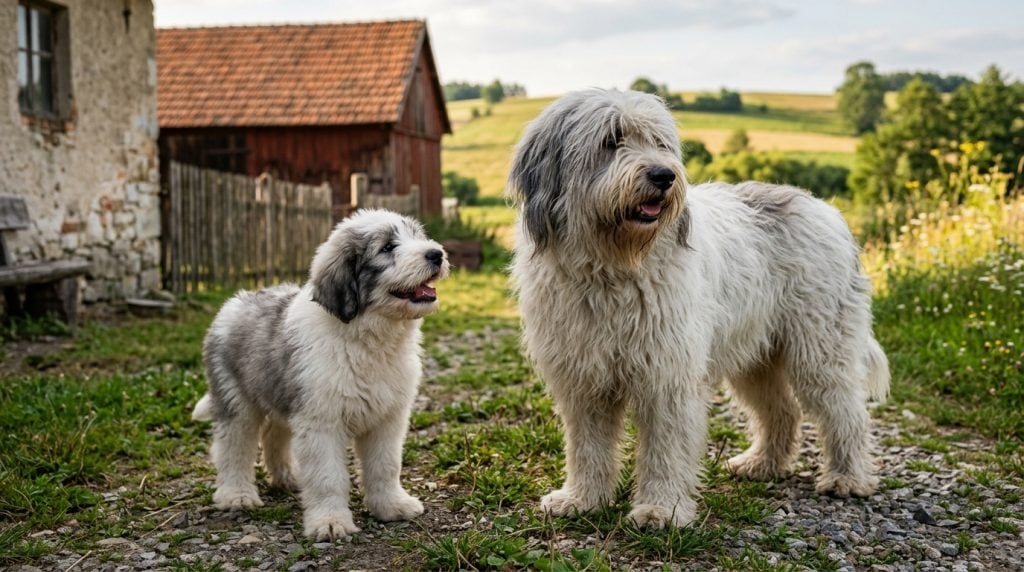
Polish Lowland Sheepdogs are intelligent herding dogs known for their alert nature and strong loyalty to their families. Bred to manage livestock across rural farmland, they tend to remain observant and engaged with their surroundings. Many owners appreciate their ability to shift from energetic activity to relaxed companionship at home.
At a glance
Core care
- Size: Medium
- Energy: Moderate to high
- Grooming: Low
- Shedding: Moderate
Support style
- Sensitivity: Moderate
- Training style: Willing
Breed guide
Choose a section to explore. These notes describe common patterns, but individual dogs vary widely.
The Polish Lowland Sheepdog is an intelligent and adaptable herding breed that developed in the rural farming regions of Poland. Traditionally used to manage sheep and cattle, these dogs were valued for their ability to work independently while remaining attentive to their shepherd. Their alert nature and strong work ethic helped them guide livestock across open pastures and farmland, often making decisions quickly in response to the movement of the flock.
Physically, the breed is recognised for its sturdy build and distinctive shaggy coat, which helped protect it from the varied weather conditions of Central Europe. Beneath this coat is an agile and energetic dog capable of covering ground efficiently while keeping watch over livestock. In modern homes, the same traits often appear as curiosity, attentiveness, and a desire to stay involved in daily family life.
Temperamentally, Polish Lowland Sheepdogs tend to combine intelligence with a degree of independence. They are observant dogs that quickly notice changes in their surroundings and often form strong bonds with their families. While they enjoy activity and engagement, many also appreciate quiet time once their physical and mental needs have been met.
As with all breeds, individuals vary in personality and energy level. Some may be highly energetic working companions, while others are more relaxed household partners. Understanding the breed’s herding heritage can help owners provide the structure, stimulation, and companionship that allows these dogs to thrive.
Polish Lowland Sheepdogs are often noted for their social nature, particularly within their family units. They tend to be loyal companions, frequently forming strong bonds with their owners. This loyalty often manifests as a desire to be involved in family activities, whether it’s a simple walk in the park or a more structured training session. Their herding background means they are naturally observant, keeping a watchful eye on their surroundings and the people they care about.
This breed’s intelligence is one of its standout features, and it often shows in their problem-solving abilities. Owners frequently notice how quickly these dogs can pick up on new commands or routines. However, their intelligence also means they can become bored if not mentally stimulated. Providing them with varied activities and challenges can help keep them engaged and satisfied. Puzzle toys, interactive games, and learning new tricks are all excellent ways to tap into their cognitive abilities.
Sensitivity in Polish Lowland Sheepdogs can vary, but many are moderately sensitive to changes in their environment or routine. This can make them responsive to their owner’s moods and actions, often mirroring the energy levels and emotions around them. While this sensitivity can be a positive trait, it also means they may require a gentle approach in training and socialisation. Harsh methods can lead to anxiety or reluctance to participate in activities.
Trainability is generally high with this breed, thanks to their willingness to learn and please their owners. Positive reinforcement techniques tend to work best, as they respond well to praise and rewards. Consistency is key, as their independent nature can sometimes lead them to test boundaries. By maintaining a steady and encouraging training environment, owners can foster a well-behaved and happy Polish Lowland Sheepdog.
A typical day for a Polish Lowland Sheepdog involves a blend of physical exercise and mental stimulation. Given their moderate to high energy levels, they benefit from daily walks and play sessions. Owners often find that two to three walks a day, combined with some playtime in the garden or park, help keep their dog content and healthy. This breed enjoys activities that challenge both their body and mind, such as agility courses or herding games.
Mental enrichment is equally important for these intelligent dogs. Interactive toys, puzzle feeders, and scent games can provide the mental workout they crave. These activities not only keep them entertained but also prevent boredom, which can lead to unwanted behaviours. Owners who incorporate a variety of enrichment activities into their dog’s routine often find their Polish Lowland Sheepdog more relaxed and well-adjusted.
As with many breeds, exercise needs can change as the dog ages. Younger dogs may require more vigorous activities to burn off their energy, while older dogs might prefer gentler walks and less intense play sessions. It’s important for owners to adjust the routine to suit their dog’s life stage, ensuring they remain active and engaged without overexertion.
Avoiding excessive exercise in extreme weather is crucial, as their dense coat can make them susceptible to overheating. On particularly hot days, early morning or late evening walks are advisable. By paying attention to their dog’s cues and adjusting activities accordingly, owners can ensure their Polish Lowland Sheepdog remains healthy and happy throughout their life.
Training a Polish Lowland Sheepdog often feels like a rewarding partnership. Their willingness to learn and their intelligent nature make them responsive to training efforts. Owners frequently notice that these dogs pick up new commands quickly, especially when training is approached with patience and consistency. Positive reinforcement techniques, such as treats and praise, tend to be particularly effective with this breed.
Impulse control can be a challenge during adolescence, as Polish Lowland Sheepdogs, like many breeds, may test boundaries and exhibit stubbornness. During this phase, maintaining a consistent training schedule is crucial. Owners often find success by incorporating short, focused training sessions that keep the dog engaged without overwhelming them. By setting clear boundaries and rewarding good behaviour, these dogs can learn to manage their impulses effectively.
Building a strong relationship based on trust and understanding is key to successful training. This breed responds well to owners who are calm and confident, providing clear guidance without resorting to harsh methods. Many owners find that their Polish Lowland Sheepdog thrives in a supportive environment where they feel secure and valued.
Consistency is important across all aspects of training, from basic obedience to more advanced skills. By reinforcing commands and maintaining a routine, owners can help their Polish Lowland Sheepdog become a well-mannered and enjoyable companion. For those new to dog training, enrolling in a course like “Puppy Beginnings: Building a Calm Start” can provide valuable insights and techniques to support their dog’s development.
The Polish Lowland Sheepdog tends to adapt well to a variety of living environments, provided their exercise and mental stimulation needs are met. They can thrive in both urban and rural settings, although access to a garden or nearby park is beneficial for regular play and exercise. Many owners find that their dog enjoys having space to explore and engage in activities.
Living with children and other pets can be a positive experience with this breed, as they often form strong bonds with family members. However, early socialisation is key to ensuring they are comfortable and well-mannered around others. Introducing them to different people, environments, and animals from a young age can help them develop into confident and friendly companions.
While they are generally adaptable, Polish Lowland Sheepdogs do best in homes where they are not left alone for extended periods. They enjoy being part of the family and may become bored or anxious if left without company. Owners who work from home or have flexible schedules often find this breed a good fit, as they can provide the companionship and engagement these dogs thrive on.
Ultimately, this breed suits families or individuals who appreciate their unique blend of intelligence, independence, and loyalty. By understanding their needs and providing a supportive environment, owners can enjoy a fulfilling relationship with their Polish Lowland Sheepdog.
Maintaining the health of a Polish Lowland Sheepdog is integral to their overall wellbeing and happiness. Regular veterinary check-ups are crucial to monitor their health and catch any potential issues early. Preventive care, such as vaccinations and parasite control, plays a significant role in keeping them healthy and active.
While generally a robust breed, there are some health considerations to be aware of. Hip dysplasia is a condition that can affect this breed, so monitoring their mobility and seeking veterinary advice if any issues arise is important. Regular exercise and maintaining a healthy weight can help manage and prevent joint issues.
Eye health is another area to monitor, as some Polish Lowland Sheepdogs may be prone to certain eye conditions. Regular eye checks and being attentive to any changes in their vision or eye appearance can help ensure any problems are addressed promptly. Good nutrition and a balanced diet also contribute to their overall health, supporting their energy levels and coat condition.
Owners who stay informed about their dog’s health and seek veterinary advice when needed often find that their Polish Lowland Sheepdog enjoys a long, healthy life. By combining preventive care with a healthy lifestyle, they can help their dog thrive and enjoy their companionship for many years.
The Polish Lowland Sheepdog, often referred to as the PON (from its Polish name Polski Owczarek Nizinny), developed in the agricultural regions of Poland where it worked as a versatile herding dog. For centuries, farmers relied on these dogs to manage livestock, drive sheep to pasture, and guard flocks as they moved between grazing areas. Their intelligence and ability to work with minimal direction made them particularly valuable to shepherds.
Historical accounts suggest that dogs resembling the Polish Lowland Sheepdog were present in Central Europe as early as the Middle Ages. Trade between Poland and Scotland is believed to have played a role in spreading these herding dogs westward. According to many breed historians, Polish herding dogs were exchanged by Polish merchants in Scotland during the 16th century, where they contributed to the development of the Bearded Collie. This connection is often noted when discussing the ancestry of several British herding breeds.
Some historical descriptions also suggest that the sturdy farm dogs of Poland may have influenced or shared ancestry with early terrier types that later developed in Britain, including breeds such as the Scottish Terrier. While the exact lineage of these early working dogs is difficult to trace, their shared roles as practical farm and livestock dogs highlight the interconnected development of European working breeds.
Despite periods of decline, particularly during the upheaval of the Second World War, dedicated breeders in Poland worked to preserve and restore the Polish Lowland Sheepdog. Through careful breeding efforts, the population was rebuilt and the breed eventually gained recognition internationally.
Today, the Polish Lowland Sheepdog remains appreciated both as a capable herding dog and as a loyal companion. Its long history as a working farm dog continues to shape the breed’s alert nature, intelligence, and strong attachment to the people it lives with.
What shapes individual dogs
- Early social experiences
- Training approach
- Environment & routine
- Genetics & breeding
- Health & pain
- Age / life stage
The Polish Lowland Sheepdog is an intelligent and adaptable herding breed that developed in the rural farming regions of Poland. Traditionally used to manage sheep and cattle, these dogs were valued for their ability to work independently while remaining attentive to their shepherd. Their alert nature and strong work ethic helped them guide livestock across open pastures and farmland, often making decisions quickly in response to the movement of the flock.
Physically, the breed is recognised for its sturdy build and distinctive shaggy coat, which helped protect it from the varied weather conditions of Central Europe. Beneath this coat is an agile and energetic dog capable of covering ground efficiently while keeping watch over livestock. In modern homes, the same traits often appear as curiosity, attentiveness, and a desire to stay involved in daily family life.
Temperamentally, Polish Lowland Sheepdogs tend to combine intelligence with a degree of independence. They are observant dogs that quickly notice changes in their surroundings and often form strong bonds with their families. While they enjoy activity and engagement, many also appreciate quiet time once their physical and mental needs have been met.
As with all breeds, individuals vary in personality and energy level. Some may be highly energetic working companions, while others are more relaxed household partners. Understanding the breed’s herding heritage can help owners provide the structure, stimulation, and companionship that allows these dogs to thrive.
Polish Lowland Sheepdogs are often noted for their social nature, particularly within their family units. They tend to be loyal companions, frequently forming strong bonds with their owners. This loyalty often manifests as a desire to be involved in family activities, whether it’s a simple walk in the park or a more structured training session. Their herding background means they are naturally observant, keeping a watchful eye on their surroundings and the people they care about.
This breed’s intelligence is one of its standout features, and it often shows in their problem-solving abilities. Owners frequently notice how quickly these dogs can pick up on new commands or routines. However, their intelligence also means they can become bored if not mentally stimulated. Providing them with varied activities and challenges can help keep them engaged and satisfied. Puzzle toys, interactive games, and learning new tricks are all excellent ways to tap into their cognitive abilities.
Sensitivity in Polish Lowland Sheepdogs can vary, but many are moderately sensitive to changes in their environment or routine. This can make them responsive to their owner’s moods and actions, often mirroring the energy levels and emotions around them. While this sensitivity can be a positive trait, it also means they may require a gentle approach in training and socialisation. Harsh methods can lead to anxiety or reluctance to participate in activities.
Trainability is generally high with this breed, thanks to their willingness to learn and please their owners. Positive reinforcement techniques tend to work best, as they respond well to praise and rewards. Consistency is key, as their independent nature can sometimes lead them to test boundaries. By maintaining a steady and encouraging training environment, owners can foster a well-behaved and happy Polish Lowland Sheepdog.
A typical day for a Polish Lowland Sheepdog involves a blend of physical exercise and mental stimulation. Given their moderate to high energy levels, they benefit from daily walks and play sessions. Owners often find that two to three walks a day, combined with some playtime in the garden or park, help keep their dog content and healthy. This breed enjoys activities that challenge both their body and mind, such as agility courses or herding games.
Mental enrichment is equally important for these intelligent dogs. Interactive toys, puzzle feeders, and scent games can provide the mental workout they crave. These activities not only keep them entertained but also prevent boredom, which can lead to unwanted behaviours. Owners who incorporate a variety of enrichment activities into their dog’s routine often find their Polish Lowland Sheepdog more relaxed and well-adjusted.
As with many breeds, exercise needs can change as the dog ages. Younger dogs may require more vigorous activities to burn off their energy, while older dogs might prefer gentler walks and less intense play sessions. It’s important for owners to adjust the routine to suit their dog’s life stage, ensuring they remain active and engaged without overexertion.
Avoiding excessive exercise in extreme weather is crucial, as their dense coat can make them susceptible to overheating. On particularly hot days, early morning or late evening walks are advisable. By paying attention to their dog’s cues and adjusting activities accordingly, owners can ensure their Polish Lowland Sheepdog remains healthy and happy throughout their life.
Training a Polish Lowland Sheepdog often feels like a rewarding partnership. Their willingness to learn and their intelligent nature make them responsive to training efforts. Owners frequently notice that these dogs pick up new commands quickly, especially when training is approached with patience and consistency. Positive reinforcement techniques, such as treats and praise, tend to be particularly effective with this breed.
Impulse control can be a challenge during adolescence, as Polish Lowland Sheepdogs, like many breeds, may test boundaries and exhibit stubbornness. During this phase, maintaining a consistent training schedule is crucial. Owners often find success by incorporating short, focused training sessions that keep the dog engaged without overwhelming them. By setting clear boundaries and rewarding good behaviour, these dogs can learn to manage their impulses effectively.
Building a strong relationship based on trust and understanding is key to successful training. This breed responds well to owners who are calm and confident, providing clear guidance without resorting to harsh methods. Many owners find that their Polish Lowland Sheepdog thrives in a supportive environment where they feel secure and valued.
Consistency is important across all aspects of training, from basic obedience to more advanced skills. By reinforcing commands and maintaining a routine, owners can help their Polish Lowland Sheepdog become a well-mannered and enjoyable companion. For those new to dog training, enrolling in a course like “Puppy Beginnings: Building a Calm Start” can provide valuable insights and techniques to support their dog’s development.
The Polish Lowland Sheepdog tends to adapt well to a variety of living environments, provided their exercise and mental stimulation needs are met. They can thrive in both urban and rural settings, although access to a garden or nearby park is beneficial for regular play and exercise. Many owners find that their dog enjoys having space to explore and engage in activities.
Living with children and other pets can be a positive experience with this breed, as they often form strong bonds with family members. However, early socialisation is key to ensuring they are comfortable and well-mannered around others. Introducing them to different people, environments, and animals from a young age can help them develop into confident and friendly companions.
While they are generally adaptable, Polish Lowland Sheepdogs do best in homes where they are not left alone for extended periods. They enjoy being part of the family and may become bored or anxious if left without company. Owners who work from home or have flexible schedules often find this breed a good fit, as they can provide the companionship and engagement these dogs thrive on.
Ultimately, this breed suits families or individuals who appreciate their unique blend of intelligence, independence, and loyalty. By understanding their needs and providing a supportive environment, owners can enjoy a fulfilling relationship with their Polish Lowland Sheepdog.
Maintaining the health of a Polish Lowland Sheepdog is integral to their overall wellbeing and happiness. Regular veterinary check-ups are crucial to monitor their health and catch any potential issues early. Preventive care, such as vaccinations and parasite control, plays a significant role in keeping them healthy and active.
While generally a robust breed, there are some health considerations to be aware of. Hip dysplasia is a condition that can affect this breed, so monitoring their mobility and seeking veterinary advice if any issues arise is important. Regular exercise and maintaining a healthy weight can help manage and prevent joint issues.
Eye health is another area to monitor, as some Polish Lowland Sheepdogs may be prone to certain eye conditions. Regular eye checks and being attentive to any changes in their vision or eye appearance can help ensure any problems are addressed promptly. Good nutrition and a balanced diet also contribute to their overall health, supporting their energy levels and coat condition.
Owners who stay informed about their dog’s health and seek veterinary advice when needed often find that their Polish Lowland Sheepdog enjoys a long, healthy life. By combining preventive care with a healthy lifestyle, they can help their dog thrive and enjoy their companionship for many years.
The Polish Lowland Sheepdog, often referred to as the PON (from its Polish name Polski Owczarek Nizinny), developed in the agricultural regions of Poland where it worked as a versatile herding dog. For centuries, farmers relied on these dogs to manage livestock, drive sheep to pasture, and guard flocks as they moved between grazing areas. Their intelligence and ability to work with minimal direction made them particularly valuable to shepherds.
Historical accounts suggest that dogs resembling the Polish Lowland Sheepdog were present in Central Europe as early as the Middle Ages. Trade between Poland and Scotland is believed to have played a role in spreading these herding dogs westward. According to many breed historians, Polish herding dogs were exchanged by Polish merchants in Scotland during the 16th century, where they contributed to the development of the Bearded Collie. This connection is often noted when discussing the ancestry of several British herding breeds.
Some historical descriptions also suggest that the sturdy farm dogs of Poland may have influenced or shared ancestry with early terrier types that later developed in Britain, including breeds such as the Scottish Terrier. While the exact lineage of these early working dogs is difficult to trace, their shared roles as practical farm and livestock dogs highlight the interconnected development of European working breeds.
Despite periods of decline, particularly during the upheaval of the Second World War, dedicated breeders in Poland worked to preserve and restore the Polish Lowland Sheepdog. Through careful breeding efforts, the population was rebuilt and the breed eventually gained recognition internationally.
Today, the Polish Lowland Sheepdog remains appreciated both as a capable herding dog and as a loyal companion. Its long history as a working farm dog continues to shape the breed’s alert nature, intelligence, and strong attachment to the people it lives with.
What shapes individual dogs
- Early social experiences
- Training approach
- Environment & routine
- Genetics & breeding
- Health & pain
- Age / life stage
Want support with this?
This course is ideal for Polish Lowland Sheepdog owners looking to support their dog's development from an early age, ensuring a calm and balanced start.