
Pharaoh Hound
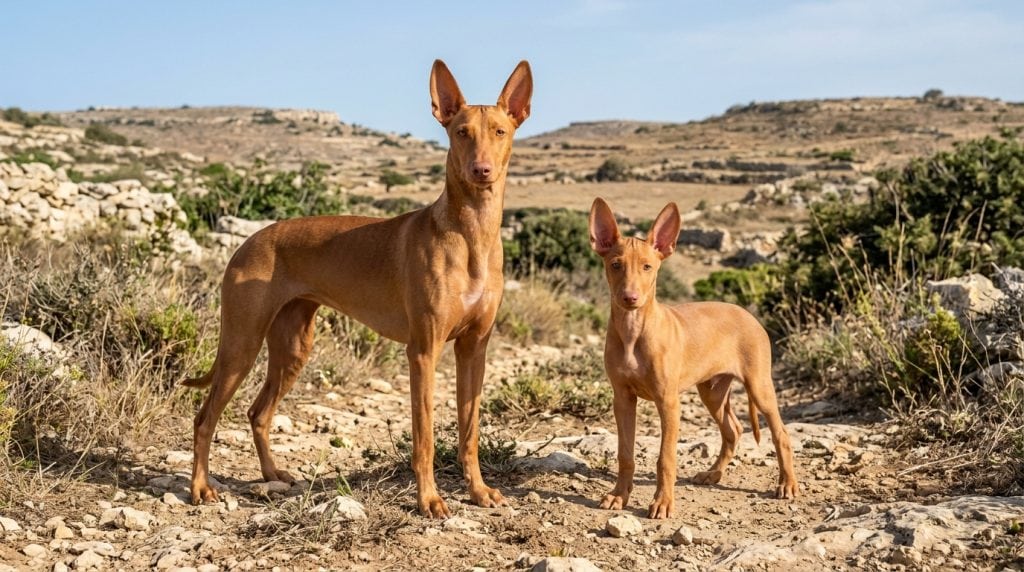
Living with a Pharaoh Hound often means sharing your space with a dog that combines elegance with a playful spirit. Their alert nature and expressive eyes make them keen observers of their surroundings, while their affectionate side ensures they remain close to their family. Known for their unique ability to blush, Pharaoh Hounds bring a touch of charm and individuality to any home.
At a glance
Core care
- Size: Medium
- Energy: Moderate to high
- Grooming: Low
- Shedding: Low
Support style
- Sensitivity: Moderate
- Training style: Willing
Breed guide
Choose a section to explore. These notes describe common patterns, but individual dogs vary widely.
The Pharaoh Hound traces its lineage back to ancient Egypt, where it was revered as a hunting companion and a symbol of grace and agility. This historical backdrop explains the breed’s natural athleticism and keen instincts, traits that continue to define the Pharaoh Hound today. In modern times, these dogs are cherished for their ability to blend elegance with a lively, engaging presence, making them both eye-catching and endearing companions.
Physically, the Pharaoh Hound is a medium-sized dog with a sleek, muscular build that hints at its hunting heritage. Their coat is short and fine, often in shades of tan or chestnut, which requires minimal grooming. Owners frequently appreciate the breed’s low-shedding nature, which makes them relatively easy to maintain. Their expressive eyes and large, upright ears give them an alert and intelligent appearance, often drawing compliments from those who encounter them.
Temperamentally, Pharaoh Hounds are known for their friendly and outgoing nature. They tend to be affectionate with their families and usually get along well with children and other pets. However, their hunting instincts can sometimes lead to a strong prey drive, which is something owners need to manage, especially in environments with small animals. While generally sociable, individual dogs may vary in their levels of confidence and sociability.
It’s important for potential owners to understand that while Pharaoh Hounds are generally adaptable, each dog is an individual. Their behaviour and temperament can be influenced by a variety of factors, including genetics, early socialisation, and daily interactions. Prospective owners should be prepared for the unique quirks and charms that come with this breed, ensuring they are ready to meet the dog’s needs for companionship and activity.
Pharaoh Hounds are often described as sociable and affectionate, making them a joy to have around the home. Many owners notice that their Pharaoh Hound enjoys being part of family activities, whether that means lounging on the sofa or joining in on a walk. Their friendly disposition often extends to visitors, although they can be reserved with strangers until they feel comfortable.
The breed’s moderate sensitivity means they are generally responsive to their environment and the emotions of those around them. This can make them quite intuitive companions, often picking up on the mood of their family members. Their willingness to please, coupled with their intelligence, makes them relatively easy to train, although they do best with positive reinforcement techniques.
Pharaoh Hounds are known for their playful nature, which can sometimes manifest as a mischievous streak. Owners often find that these dogs enjoy games and interactive play, which helps to satisfy their mental and physical needs. However, their independent side means they can occasionally be stubborn, so patience and consistency in training are key.
While Pharaoh Hounds generally adapt well to various living situations, their individual personalities can differ. Some may be more laid-back, while others might display higher energy levels. Understanding these nuances helps owners provide the right environment and activities to keep their Pharaoh Hound content and well-adjusted.
A typical day for a Pharaoh Hound involves a good balance of physical activity and mental stimulation. These dogs thrive on regular exercise, which can include brisk walks, jogs, or play sessions in a secure, fenced area. Their heritage as hunting dogs means they have a natural love for running and exploring, so providing opportunities for safe off-leash exercise can be beneficial.
Pharaoh Hounds have moderate to high energy levels, and they often enjoy activities that engage both their body and mind. Interactive toys, puzzle feeders, and scent games can be excellent ways to keep them mentally stimulated. Many owners find that these activities help to prevent boredom and the potential for mischievous behaviour that can arise from a lack of engagement.
As Pharaoh Hounds age, their exercise needs may change. While younger dogs might require more vigorous activity, older Pharaoh Hounds may benefit from gentler, more frequent outings. It’s important for owners to adjust their routine to suit their dog’s life stage and individual energy levels, ensuring they remain healthy and happy throughout their lives.
Owners should be mindful of the breed’s sensitivity to extreme temperatures, particularly the cold, due to their short coat. Providing appropriate protection, such as a dog coat in colder weather, can help ensure their comfort during outdoor activities. Regular exercise and enrichment not only contribute to a Pharaoh Hound’s physical health but also support their overall wellbeing and happiness.
Training a Pharaoh Hound often feels like a rewarding experience, as these dogs are both intelligent and eager to please. Their willingness to learn can make training sessions enjoyable for both the dog and the owner. Positive reinforcement techniques, such as treats and praise, tend to work well with this breed, encouraging them to engage and respond positively.
Impulse control can be an area where Pharaoh Hounds require some guidance, particularly due to their strong prey drive. Teaching reliable recall and practising impulse control exercises can help manage this tendency, especially in environments where distractions are present. Consistent training and clear communication are key to helping them understand expectations.
Adolescence can bring its own set of challenges, as with many breeds. Pharaoh Hounds may test boundaries during this stage, which is a normal part of their development. Maintaining a consistent training routine and reinforcing desired behaviours can help guide them through this period. Building a strong relationship based on trust and understanding is crucial for long-term success.
For those new to the breed, or dog training in general, seeking support through training classes or resources can be beneficial. Understanding the breed’s unique characteristics and how they influence training can lead to a more harmonious relationship. Encouraging and patient, training should always be a positive experience for both the dog and the owner.
Pharaoh Hounds tend to adapt well to various living environments, provided their exercise and companionship needs are met. They can thrive in both urban and rural settings, as long as they have access to secure areas where they can run and explore. Their moderate size makes them suitable for homes with limited space, although they do appreciate having a garden or nearby park to stretch their legs.
These dogs often do well in homes with children, as their playful and gentle nature can make them good companions for kids. However, as with any breed, interactions should be supervised to ensure mutual respect and safety. Pharaoh Hounds can also coexist with other pets, although their prey drive means introductions should be managed carefully, especially with smaller animals.
Owners often find that Pharaoh Hounds enjoy being part of the family and are happiest when included in daily activities. They may not be the best choice for homes where they would be left alone for long periods, as they thrive on companionship and interaction. Providing mental and physical stimulation is key to keeping them content and preventing boredom.
Ultimately, the suitability of a Pharaoh Hound for a particular home depends on the owner’s lifestyle and ability to meet the breed’s needs. Prospective owners should consider their ability to provide the necessary exercise, training, and companionship to ensure a harmonious and fulfilling relationship with their dog.
Health and wellbeing are closely linked for the Pharaoh Hound, as with any breed. Maintaining a balanced diet, regular exercise, and routine veterinary care are essential for their overall health. Pharaoh Hounds are generally healthy, but like all breeds, they can be prone to certain health issues that owners should be aware of.
One consideration for Pharaoh Hounds is their sensitivity to anaesthesia and certain medications. This sensitivity means that veterinary procedures should be approached with care, and it’s important to work with a vet familiar with the breed’s specific needs. Regular health checks can help catch any potential issues early, ensuring they receive appropriate care.
Dental health is another area that requires attention. Regular brushing and dental chews can help maintain healthy teeth and gums, preventing dental disease. Owners should also be mindful of their dog’s weight, as maintaining a healthy weight is crucial for preventing joint and other health issues.
Preventive care, including vaccinations and parasite control, is important for keeping Pharaoh Hounds healthy. Owners should also be observant of any changes in behaviour or physical condition, seeking veterinary advice when necessary. By staying proactive about their dog’s health, owners can help ensure a long and happy life for their Pharaoh Hound.
The Pharaoh Hound’s history is as captivating as its appearance, with roots tracing back to ancient Egypt. Often depicted in ancient artefacts and hieroglyphs, these dogs were cherished for their hunting prowess and regal bearing. Their role as hunting companions and symbols of nobility in ancient times has left a lasting impression on the breed’s modern characteristics.
Originally bred for hunting small game, Pharaoh Hounds were valued for their speed, agility, and keen sense of smell. These traits were essential for their role in tracking and catching prey, and they remain evident in the breed’s behaviour today. Their natural athleticism and alertness are reminders of their working heritage.
The breed’s development continued over the centuries, with the dogs eventually finding their way to Malta, where they became the national dog. Known locally as the Kelb tal-Fenek, or ‘rabbit dog’, they were used for hunting rabbits, a practice that further honed their skills and instincts. This Maltese connection helped preserve the breed’s unique characteristics and contributed to its modern-day recognition.
Understanding the Pharaoh Hound’s history provides insight into its present-day behaviour and temperament. Their hunting background explains their love for running and exploring, while their historical status as companions to nobility highlights their affectionate and loyal nature. This rich history makes the Pharaoh Hound not only a striking and capable dog but also a living link to the past.
What shapes individual dogs
- Early social experiences
- Training approach
- Environment & routine
- Genetics & breeding
- Health & pain
- Age / life stage
The Pharaoh Hound traces its lineage back to ancient Egypt, where it was revered as a hunting companion and a symbol of grace and agility. This historical backdrop explains the breed’s natural athleticism and keen instincts, traits that continue to define the Pharaoh Hound today. In modern times, these dogs are cherished for their ability to blend elegance with a lively, engaging presence, making them both eye-catching and endearing companions.
Physically, the Pharaoh Hound is a medium-sized dog with a sleek, muscular build that hints at its hunting heritage. Their coat is short and fine, often in shades of tan or chestnut, which requires minimal grooming. Owners frequently appreciate the breed’s low-shedding nature, which makes them relatively easy to maintain. Their expressive eyes and large, upright ears give them an alert and intelligent appearance, often drawing compliments from those who encounter them.
Temperamentally, Pharaoh Hounds are known for their friendly and outgoing nature. They tend to be affectionate with their families and usually get along well with children and other pets. However, their hunting instincts can sometimes lead to a strong prey drive, which is something owners need to manage, especially in environments with small animals. While generally sociable, individual dogs may vary in their levels of confidence and sociability.
It’s important for potential owners to understand that while Pharaoh Hounds are generally adaptable, each dog is an individual. Their behaviour and temperament can be influenced by a variety of factors, including genetics, early socialisation, and daily interactions. Prospective owners should be prepared for the unique quirks and charms that come with this breed, ensuring they are ready to meet the dog’s needs for companionship and activity.
Pharaoh Hounds are often described as sociable and affectionate, making them a joy to have around the home. Many owners notice that their Pharaoh Hound enjoys being part of family activities, whether that means lounging on the sofa or joining in on a walk. Their friendly disposition often extends to visitors, although they can be reserved with strangers until they feel comfortable.
The breed’s moderate sensitivity means they are generally responsive to their environment and the emotions of those around them. This can make them quite intuitive companions, often picking up on the mood of their family members. Their willingness to please, coupled with their intelligence, makes them relatively easy to train, although they do best with positive reinforcement techniques.
Pharaoh Hounds are known for their playful nature, which can sometimes manifest as a mischievous streak. Owners often find that these dogs enjoy games and interactive play, which helps to satisfy their mental and physical needs. However, their independent side means they can occasionally be stubborn, so patience and consistency in training are key.
While Pharaoh Hounds generally adapt well to various living situations, their individual personalities can differ. Some may be more laid-back, while others might display higher energy levels. Understanding these nuances helps owners provide the right environment and activities to keep their Pharaoh Hound content and well-adjusted.
A typical day for a Pharaoh Hound involves a good balance of physical activity and mental stimulation. These dogs thrive on regular exercise, which can include brisk walks, jogs, or play sessions in a secure, fenced area. Their heritage as hunting dogs means they have a natural love for running and exploring, so providing opportunities for safe off-leash exercise can be beneficial.
Pharaoh Hounds have moderate to high energy levels, and they often enjoy activities that engage both their body and mind. Interactive toys, puzzle feeders, and scent games can be excellent ways to keep them mentally stimulated. Many owners find that these activities help to prevent boredom and the potential for mischievous behaviour that can arise from a lack of engagement.
As Pharaoh Hounds age, their exercise needs may change. While younger dogs might require more vigorous activity, older Pharaoh Hounds may benefit from gentler, more frequent outings. It’s important for owners to adjust their routine to suit their dog’s life stage and individual energy levels, ensuring they remain healthy and happy throughout their lives.
Owners should be mindful of the breed’s sensitivity to extreme temperatures, particularly the cold, due to their short coat. Providing appropriate protection, such as a dog coat in colder weather, can help ensure their comfort during outdoor activities. Regular exercise and enrichment not only contribute to a Pharaoh Hound’s physical health but also support their overall wellbeing and happiness.
Training a Pharaoh Hound often feels like a rewarding experience, as these dogs are both intelligent and eager to please. Their willingness to learn can make training sessions enjoyable for both the dog and the owner. Positive reinforcement techniques, such as treats and praise, tend to work well with this breed, encouraging them to engage and respond positively.
Impulse control can be an area where Pharaoh Hounds require some guidance, particularly due to their strong prey drive. Teaching reliable recall and practising impulse control exercises can help manage this tendency, especially in environments where distractions are present. Consistent training and clear communication are key to helping them understand expectations.
Adolescence can bring its own set of challenges, as with many breeds. Pharaoh Hounds may test boundaries during this stage, which is a normal part of their development. Maintaining a consistent training routine and reinforcing desired behaviours can help guide them through this period. Building a strong relationship based on trust and understanding is crucial for long-term success.
For those new to the breed, or dog training in general, seeking support through training classes or resources can be beneficial. Understanding the breed’s unique characteristics and how they influence training can lead to a more harmonious relationship. Encouraging and patient, training should always be a positive experience for both the dog and the owner.
Pharaoh Hounds tend to adapt well to various living environments, provided their exercise and companionship needs are met. They can thrive in both urban and rural settings, as long as they have access to secure areas where they can run and explore. Their moderate size makes them suitable for homes with limited space, although they do appreciate having a garden or nearby park to stretch their legs.
These dogs often do well in homes with children, as their playful and gentle nature can make them good companions for kids. However, as with any breed, interactions should be supervised to ensure mutual respect and safety. Pharaoh Hounds can also coexist with other pets, although their prey drive means introductions should be managed carefully, especially with smaller animals.
Owners often find that Pharaoh Hounds enjoy being part of the family and are happiest when included in daily activities. They may not be the best choice for homes where they would be left alone for long periods, as they thrive on companionship and interaction. Providing mental and physical stimulation is key to keeping them content and preventing boredom.
Ultimately, the suitability of a Pharaoh Hound for a particular home depends on the owner’s lifestyle and ability to meet the breed’s needs. Prospective owners should consider their ability to provide the necessary exercise, training, and companionship to ensure a harmonious and fulfilling relationship with their dog.
Health and wellbeing are closely linked for the Pharaoh Hound, as with any breed. Maintaining a balanced diet, regular exercise, and routine veterinary care are essential for their overall health. Pharaoh Hounds are generally healthy, but like all breeds, they can be prone to certain health issues that owners should be aware of.
One consideration for Pharaoh Hounds is their sensitivity to anaesthesia and certain medications. This sensitivity means that veterinary procedures should be approached with care, and it’s important to work with a vet familiar with the breed’s specific needs. Regular health checks can help catch any potential issues early, ensuring they receive appropriate care.
Dental health is another area that requires attention. Regular brushing and dental chews can help maintain healthy teeth and gums, preventing dental disease. Owners should also be mindful of their dog’s weight, as maintaining a healthy weight is crucial for preventing joint and other health issues.
Preventive care, including vaccinations and parasite control, is important for keeping Pharaoh Hounds healthy. Owners should also be observant of any changes in behaviour or physical condition, seeking veterinary advice when necessary. By staying proactive about their dog’s health, owners can help ensure a long and happy life for their Pharaoh Hound.
The Pharaoh Hound’s history is as captivating as its appearance, with roots tracing back to ancient Egypt. Often depicted in ancient artefacts and hieroglyphs, these dogs were cherished for their hunting prowess and regal bearing. Their role as hunting companions and symbols of nobility in ancient times has left a lasting impression on the breed’s modern characteristics.
Originally bred for hunting small game, Pharaoh Hounds were valued for their speed, agility, and keen sense of smell. These traits were essential for their role in tracking and catching prey, and they remain evident in the breed’s behaviour today. Their natural athleticism and alertness are reminders of their working heritage.
The breed’s development continued over the centuries, with the dogs eventually finding their way to Malta, where they became the national dog. Known locally as the Kelb tal-Fenek, or ‘rabbit dog’, they were used for hunting rabbits, a practice that further honed their skills and instincts. This Maltese connection helped preserve the breed’s unique characteristics and contributed to its modern-day recognition.
Understanding the Pharaoh Hound’s history provides insight into its present-day behaviour and temperament. Their hunting background explains their love for running and exploring, while their historical status as companions to nobility highlights their affectionate and loyal nature. This rich history makes the Pharaoh Hound not only a striking and capable dog but also a living link to the past.
What shapes individual dogs
- Early social experiences
- Training approach
- Environment & routine
- Genetics & breeding
- Health & pain
- Age / life stage
Want support with this?
This course offers valuable insights into understanding the Pharaoh Hound's unique temperament and behaviour, helping owners build a strong, harmonious relationship.