
Parson Russell Terrier
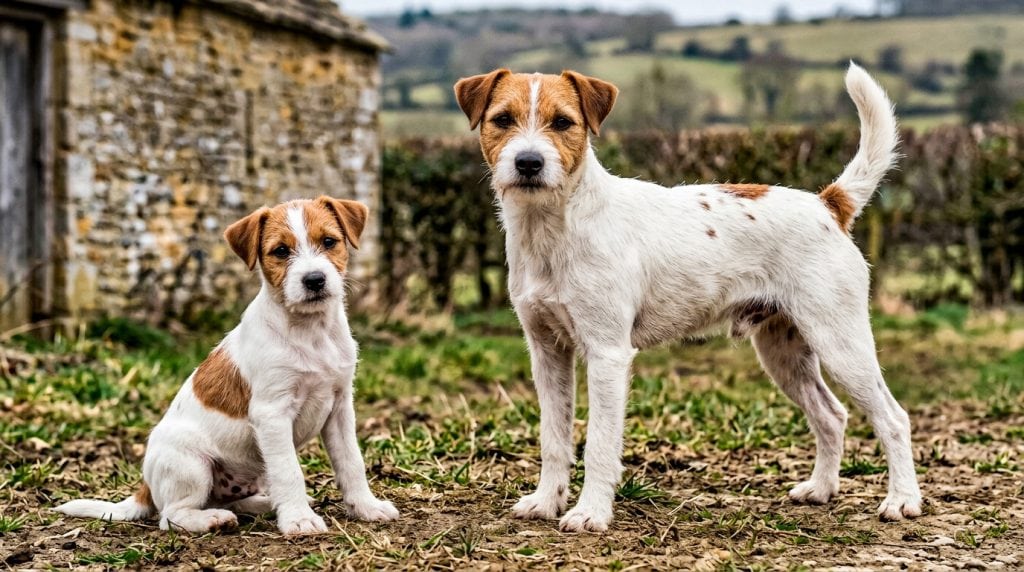
Living with a Parson Russell Terrier is like having a lively companion who thrives on activity and interaction. These terriers are known for their spirited nature and love to be involved in whatever their family is doing. Their inquisitive minds and energetic disposition mean they often bring a sense of fun and adventure to everyday life.
At a glance
Core care
- Size: Small
- Energy: High
- Grooming: Low
- Shedding: Moderate
Support style
- Sensitivity: Moderate
- Training style: Willing
Breed guide
Choose a section to explore. These notes describe common patterns, but individual dogs vary widely.
The Parson Russell Terrier has its roots in the 19th century, bred by Reverend John Russell to hunt foxes in the English countryside. This working origin is still evident today in their energetic and tenacious nature. These terriers were designed to be agile and persistent, traits that now manifest in their love for play and exploration. Owners often find that their Parson Russell is happiest when given a task or a game to engage with, reflecting their historical role as determined hunters.
Physically, Parson Russell Terriers are small but sturdy, with a compact frame that makes them well-suited for both indoor and outdoor activities. Their size allows them to adapt to various living situations, though they do best in environments where they can stretch their legs and satisfy their curiosity. Their coat is typically short and dense, offering some protection against the elements, which is a nod to their days of working in varied weather conditions.
In terms of temperament, Parson Russells are often described as bold and confident, with a keen intelligence that can sometimes border on mischievous. They are known for their spirited personality and can be quite vocal when they want to express themselves. This breed tends to form strong bonds with their families, often showing a preference for being involved in family activities. However, their independent streak can sometimes lead to selective listening, especially if they’re engrossed in something more interesting.
It’s important for potential owners to understand that while Parson Russells are generally lively and engaging, individual dogs can vary significantly. Factors such as early socialisation, training, and environment play crucial roles in shaping each dog’s personality. Prospective owners should be prepared for a dynamic companion that thrives on interaction and mental stimulation.
Parson Russell Terriers are often seen as social butterflies within the canine world. They tend to enjoy the company of their human families and can be quite affectionate, though their independent nature means they also appreciate having time to explore on their own terms. This balance of sociability and independence can make them delightful companions who are both engaging and self-sufficient.
Their behaviour is often driven by a combination of curiosity and intelligence. Owners frequently notice how these terriers love to investigate their surroundings, often leading to amusing antics as they chase after interesting scents or sounds. This inquisitive nature means they thrive in environments where there is plenty to explore, and they can often be seen nosing around the garden or eagerly sniffing on walks.
Parson Russells are moderately sensitive, which means they are generally responsive to their owners’ emotions and cues. This sensitivity, combined with their willingness to learn, makes them relatively easy to train, provided the training is consistent and engaging. They respond well to positive reinforcement techniques that reward their natural enthusiasm and intelligence.
While they are generally friendly, Parson Russells can sometimes be wary of strangers or new situations. Socialisation from a young age can help mitigate this tendency, encouraging them to be more open and adaptable. Overall, their temperament is a blend of lively curiosity and affectionate loyalty, making them a joy to have around for those who appreciate an active and engaging dog.
A typical day for a Parson Russell Terrier involves plenty of activity and mental stimulation. These terriers have high energy levels and benefit from regular exercise to keep them happy and healthy. A mix of walks, playtime, and interactive games can help channel their energy constructively. Owners often find that their Parson Russell is always ready for the next adventure, whether it’s a long walk in the park or a game of fetch in the garden.
Physical exercise is crucial for this breed, but mental enrichment is equally important. Puzzle toys, scent games, and training sessions can provide the mental stimulation they crave. These activities not only keep them entertained but also help prevent boredom, which can sometimes lead to mischievous behaviour. Owners might notice that their Parson Russell is particularly adept at figuring out how to get into things, so keeping their minds engaged is key.
As Parson Russells age, their exercise needs may change, but they generally remain active well into their senior years. It’s important to adjust their routine to accommodate any physical limitations while still providing opportunities for mental engagement. Gentle walks and low-impact activities can help keep older dogs fit and content.
It’s worth noting that while Parson Russells love to be active, they also need downtime to rest and recharge. Ensuring they have a comfortable space to relax after a day of activity is important for their overall wellbeing. Balancing exercise with rest helps maintain their health and happiness, making them well-rounded companions.
Training a Parson Russell Terrier is often described as a rewarding experience, thanks to their intelligence and eagerness to learn. Owners typically find that these terriers respond well to positive reinforcement methods, which tap into their natural enthusiasm. Treats, praise, and play are effective motivators that can make training sessions enjoyable for both dog and owner.
Impulse control can be a challenge, particularly during adolescence when their natural curiosity and energy levels are at their peak. Consistent training and clear boundaries are essential during this stage to help them develop good manners. Owners often notice that with patience and persistence, their Parson Russell can learn to manage their impulses and respond reliably to commands.
Building a strong relationship based on trust and mutual respect is crucial for training success. These terriers thrive in environments where they feel understood and valued, and they often mirror the energy and attitude of their handlers. A calm and positive approach can help reinforce desired behaviours and strengthen the bond between dog and owner.
For those new to the breed or facing specific challenges, seeking guidance from a professional trainer can be beneficial. A tailored training plan can address individual needs and ensure that both dog and owner are on the same page. With the right support, Parson Russells can become well-behaved and delightful companions.
Parson Russell Terriers can adapt to a variety of living situations, but they tend to thrive in homes where they have space to move and explore. While they can live in smaller spaces like flats, access to outdoor areas for exercise and play is beneficial. Many owners find that a secure garden is ideal for allowing their Parson Russell to burn off energy safely.
These terriers are known for their lively nature, which means they often do well in active households. Families who enjoy outdoor activities or have a routine that includes regular walks and playtime often find that a Parson Russell fits seamlessly into their lifestyle. Their sociable nature also means they can be good companions for children, though supervision is recommended to ensure positive interactions.
When it comes to other pets, Parson Russells can coexist peacefully, especially if they are introduced to them from a young age. Their terrier instincts might lead them to chase smaller animals, so careful introductions and management are important. With the right approach, they can learn to share their space with other pets harmoniously.
Ultimately, the best home for a Parson Russell Terrier is one where they are valued as an active member of the family. Owners who appreciate their spirited nature and are willing to engage with them regularly will likely find them to be rewarding companions. Understanding their need for activity and social interaction is key to ensuring a happy and balanced life together.
Health is a vital aspect of a Parson Russell Terrier’s overall wellbeing, influencing their behaviour and quality of life. Regular veterinary check-ups and preventive care are essential to catch any potential issues early. This proactive approach helps ensure that they remain healthy and active companions.
Common health considerations for this breed include joint issues and eye conditions, which can affect their mobility and comfort. Owners might notice changes in their dog’s activity levels or behaviour if these issues arise, making it important to seek veterinary advice if any concerns develop. Early intervention can often manage these conditions effectively.
Diet and exercise play a crucial role in maintaining their health. A balanced diet that meets their nutritional needs supports their energy levels and overall vitality. Regular exercise helps keep them fit and can prevent obesity, which is important for their joint health.
Being attentive to their health needs and addressing any concerns promptly can help Parson Russell Terriers lead long, healthy lives. Owners who are informed and proactive about their dog’s health are better equipped to provide the care they need to thrive.
The Parson Russell Terrier’s history is rooted in the English countryside, where they were bred in the 19th century by Reverend John Russell. Known for their fox hunting prowess, these terriers were developed to be agile, determined, and capable of working in various terrains. Their historical role as hunters is still evident in their energetic and tenacious nature today.
Originally, Parson Russells were bred to follow the hunt on foot, requiring them to be both quick and resilient. This working background explains their high energy levels and need for regular exercise. Their ability to think independently and solve problems was crucial for their role in the field, traits that are still seen in their curious and intelligent behaviour.
Over time, the breed evolved to become a popular companion, valued for their spirited personality and adaptability. Despite their small size, they have a big presence, often bringing a sense of adventure to their homes. Their history as working dogs has shaped them into active and engaging companions who thrive on interaction and activity.
Understanding the Parson Russell Terrier’s origins provides insight into their modern-day characteristics. Their past as skilled hunters explains their need for mental and physical stimulation, while their adaptability makes them suitable for a range of living situations. This rich history continues to influence their role as beloved family members today.
What shapes individual dogs
- Early social experiences
- Training approach
- Environment & routine
- Genetics & breeding
- Health & pain
- Age / life stage
The Parson Russell Terrier has its roots in the 19th century, bred by Reverend John Russell to hunt foxes in the English countryside. This working origin is still evident today in their energetic and tenacious nature. These terriers were designed to be agile and persistent, traits that now manifest in their love for play and exploration. Owners often find that their Parson Russell is happiest when given a task or a game to engage with, reflecting their historical role as determined hunters.
Physically, Parson Russell Terriers are small but sturdy, with a compact frame that makes them well-suited for both indoor and outdoor activities. Their size allows them to adapt to various living situations, though they do best in environments where they can stretch their legs and satisfy their curiosity. Their coat is typically short and dense, offering some protection against the elements, which is a nod to their days of working in varied weather conditions.
In terms of temperament, Parson Russells are often described as bold and confident, with a keen intelligence that can sometimes border on mischievous. They are known for their spirited personality and can be quite vocal when they want to express themselves. This breed tends to form strong bonds with their families, often showing a preference for being involved in family activities. However, their independent streak can sometimes lead to selective listening, especially if they’re engrossed in something more interesting.
It’s important for potential owners to understand that while Parson Russells are generally lively and engaging, individual dogs can vary significantly. Factors such as early socialisation, training, and environment play crucial roles in shaping each dog’s personality. Prospective owners should be prepared for a dynamic companion that thrives on interaction and mental stimulation.
Parson Russell Terriers are often seen as social butterflies within the canine world. They tend to enjoy the company of their human families and can be quite affectionate, though their independent nature means they also appreciate having time to explore on their own terms. This balance of sociability and independence can make them delightful companions who are both engaging and self-sufficient.
Their behaviour is often driven by a combination of curiosity and intelligence. Owners frequently notice how these terriers love to investigate their surroundings, often leading to amusing antics as they chase after interesting scents or sounds. This inquisitive nature means they thrive in environments where there is plenty to explore, and they can often be seen nosing around the garden or eagerly sniffing on walks.
Parson Russells are moderately sensitive, which means they are generally responsive to their owners’ emotions and cues. This sensitivity, combined with their willingness to learn, makes them relatively easy to train, provided the training is consistent and engaging. They respond well to positive reinforcement techniques that reward their natural enthusiasm and intelligence.
While they are generally friendly, Parson Russells can sometimes be wary of strangers or new situations. Socialisation from a young age can help mitigate this tendency, encouraging them to be more open and adaptable. Overall, their temperament is a blend of lively curiosity and affectionate loyalty, making them a joy to have around for those who appreciate an active and engaging dog.
A typical day for a Parson Russell Terrier involves plenty of activity and mental stimulation. These terriers have high energy levels and benefit from regular exercise to keep them happy and healthy. A mix of walks, playtime, and interactive games can help channel their energy constructively. Owners often find that their Parson Russell is always ready for the next adventure, whether it’s a long walk in the park or a game of fetch in the garden.
Physical exercise is crucial for this breed, but mental enrichment is equally important. Puzzle toys, scent games, and training sessions can provide the mental stimulation they crave. These activities not only keep them entertained but also help prevent boredom, which can sometimes lead to mischievous behaviour. Owners might notice that their Parson Russell is particularly adept at figuring out how to get into things, so keeping their minds engaged is key.
As Parson Russells age, their exercise needs may change, but they generally remain active well into their senior years. It’s important to adjust their routine to accommodate any physical limitations while still providing opportunities for mental engagement. Gentle walks and low-impact activities can help keep older dogs fit and content.
It’s worth noting that while Parson Russells love to be active, they also need downtime to rest and recharge. Ensuring they have a comfortable space to relax after a day of activity is important for their overall wellbeing. Balancing exercise with rest helps maintain their health and happiness, making them well-rounded companions.
Training a Parson Russell Terrier is often described as a rewarding experience, thanks to their intelligence and eagerness to learn. Owners typically find that these terriers respond well to positive reinforcement methods, which tap into their natural enthusiasm. Treats, praise, and play are effective motivators that can make training sessions enjoyable for both dog and owner.
Impulse control can be a challenge, particularly during adolescence when their natural curiosity and energy levels are at their peak. Consistent training and clear boundaries are essential during this stage to help them develop good manners. Owners often notice that with patience and persistence, their Parson Russell can learn to manage their impulses and respond reliably to commands.
Building a strong relationship based on trust and mutual respect is crucial for training success. These terriers thrive in environments where they feel understood and valued, and they often mirror the energy and attitude of their handlers. A calm and positive approach can help reinforce desired behaviours and strengthen the bond between dog and owner.
For those new to the breed or facing specific challenges, seeking guidance from a professional trainer can be beneficial. A tailored training plan can address individual needs and ensure that both dog and owner are on the same page. With the right support, Parson Russells can become well-behaved and delightful companions.
Parson Russell Terriers can adapt to a variety of living situations, but they tend to thrive in homes where they have space to move and explore. While they can live in smaller spaces like flats, access to outdoor areas for exercise and play is beneficial. Many owners find that a secure garden is ideal for allowing their Parson Russell to burn off energy safely.
These terriers are known for their lively nature, which means they often do well in active households. Families who enjoy outdoor activities or have a routine that includes regular walks and playtime often find that a Parson Russell fits seamlessly into their lifestyle. Their sociable nature also means they can be good companions for children, though supervision is recommended to ensure positive interactions.
When it comes to other pets, Parson Russells can coexist peacefully, especially if they are introduced to them from a young age. Their terrier instincts might lead them to chase smaller animals, so careful introductions and management are important. With the right approach, they can learn to share their space with other pets harmoniously.
Ultimately, the best home for a Parson Russell Terrier is one where they are valued as an active member of the family. Owners who appreciate their spirited nature and are willing to engage with them regularly will likely find them to be rewarding companions. Understanding their need for activity and social interaction is key to ensuring a happy and balanced life together.
Health is a vital aspect of a Parson Russell Terrier’s overall wellbeing, influencing their behaviour and quality of life. Regular veterinary check-ups and preventive care are essential to catch any potential issues early. This proactive approach helps ensure that they remain healthy and active companions.
Common health considerations for this breed include joint issues and eye conditions, which can affect their mobility and comfort. Owners might notice changes in their dog’s activity levels or behaviour if these issues arise, making it important to seek veterinary advice if any concerns develop. Early intervention can often manage these conditions effectively.
Diet and exercise play a crucial role in maintaining their health. A balanced diet that meets their nutritional needs supports their energy levels and overall vitality. Regular exercise helps keep them fit and can prevent obesity, which is important for their joint health.
Being attentive to their health needs and addressing any concerns promptly can help Parson Russell Terriers lead long, healthy lives. Owners who are informed and proactive about their dog’s health are better equipped to provide the care they need to thrive.
The Parson Russell Terrier’s history is rooted in the English countryside, where they were bred in the 19th century by Reverend John Russell. Known for their fox hunting prowess, these terriers were developed to be agile, determined, and capable of working in various terrains. Their historical role as hunters is still evident in their energetic and tenacious nature today.
Originally, Parson Russells were bred to follow the hunt on foot, requiring them to be both quick and resilient. This working background explains their high energy levels and need for regular exercise. Their ability to think independently and solve problems was crucial for their role in the field, traits that are still seen in their curious and intelligent behaviour.
Over time, the breed evolved to become a popular companion, valued for their spirited personality and adaptability. Despite their small size, they have a big presence, often bringing a sense of adventure to their homes. Their history as working dogs has shaped them into active and engaging companions who thrive on interaction and activity.
Understanding the Parson Russell Terrier’s origins provides insight into their modern-day characteristics. Their past as skilled hunters explains their need for mental and physical stimulation, while their adaptability makes them suitable for a range of living situations. This rich history continues to influence their role as beloved family members today.
What shapes individual dogs
- Early social experiences
- Training approach
- Environment & routine
- Genetics & breeding
- Health & pain
- Age / life stage
Want support with this?
This course is relevant for Parson Russell Terrier owners looking to navigate the energetic and curious nature of their puppies effectively.