
Norwich Terrier
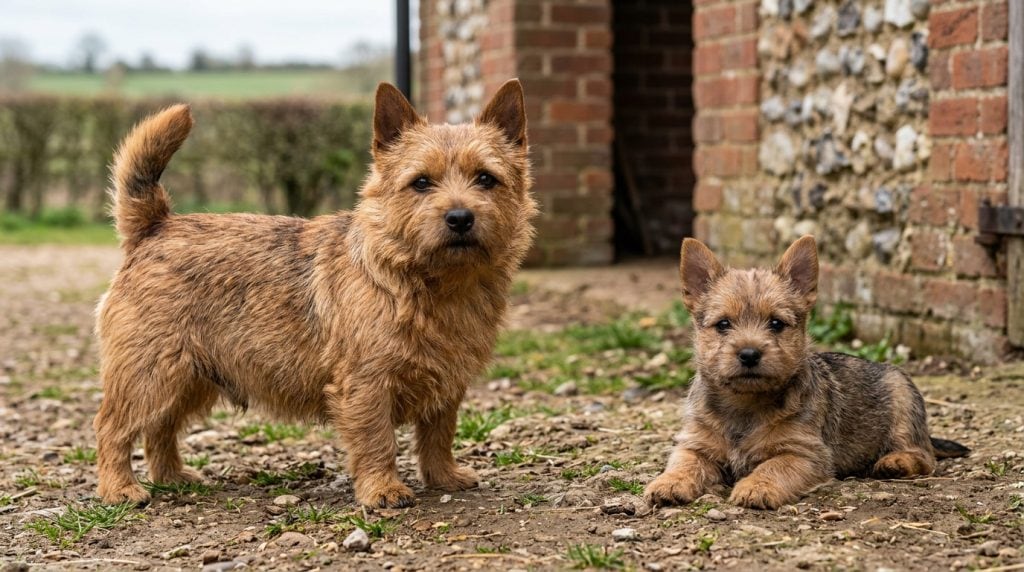
Living with a Norwich Terrier often means having a small but spirited companion by your side. These dogs are known for their lively nature and curious spirit, making them engaging and entertaining pets. Despite their size, they carry a big personality, often showing a keen interest in their surroundings and a strong bond with their family.
At a glance
Core care
- Size: Small
- Energy: Moderate to high
- Grooming: Low
- Shedding: Moderate
Support style
- Sensitivity: Moderate
- Training style: Willing
Breed guide
Choose a section to explore. These notes describe common patterns, but individual dogs vary widely.
The Norwich Terrier’s history as a working dog is deeply embedded in its modern-day character. Originally bred to hunt vermin in barns and fields, this small terrier has retained its tenacity and alertness. These traits manifest today in a dog that is curious and lively, often eager to explore its environment. This background helps explain why many Norwich Terriers thrive in active households where they can channel their energy into various activities.
Physically, the Norwich Terrier is compact and sturdy, which makes it well-suited for both indoor and outdoor adventures. Owners often appreciate their manageable size, which allows them to fit comfortably into various living situations, from apartments to larger homes. Despite their small stature, they have a robust build that hints at their working origins, making them surprisingly resilient and capable.
In terms of temperament, Norwich Terriers are known for their affectionate and sociable nature. They often form strong bonds with their families and enjoy being involved in daily activities. Owners frequently notice their dog’s eagerness to participate in family life, whether that’s joining in on a walk or simply lounging nearby. While they are generally friendly, individual dogs may vary in their level of sociability with strangers or other animals.
It’s important for potential owners to understand that while breed traits provide a general guide, each Norwich Terrier is an individual. Factors such as genetics, upbringing, and environment all play a role in shaping a dog’s personality and behaviour. Thus, while many Norwich Terriers share common characteristics, there can be significant variation from one dog to another.
Norwich Terriers are often described as having a vibrant and engaging social nature. They tend to enjoy being part of the family action, whether that means joining in on a walk or simply observing the household’s daily routines. This social inclination stems from their history as working dogs, where being alert and responsive was essential.
Owners often notice that their Norwich Terrier is quite sensitive to the moods and actions of those around them. This sensitivity can make them particularly attuned to their owner’s emotions, providing comfort and companionship. However, it also means they may require gentle handling and understanding, especially in new or stressful situations.
Trainability is another aspect where the Norwich Terrier often shines. Many owners find that these dogs are willing learners, eager to please when training is approached with patience and positive reinforcement. Their intelligence and curiosity can be harnessed effectively with engaging training sessions that challenge their minds and keep them interested.
While Norwich Terriers are generally adaptable, individual dogs can vary in their temperament. Some may be more outgoing and confident, while others might be a bit reserved or cautious. This variation highlights the importance of early socialisation and training to help each dog reach its full potential as a well-adjusted companion.
A typical day for a Norwich Terrier involves a healthy mix of physical activity and mental stimulation. These energetic little dogs benefit from regular walks and play sessions that allow them to burn off energy and satisfy their natural curiosity. Owners often find that a couple of brisk walks each day, combined with some interactive playtime, helps keep their Norwich Terrier happy and healthy.
In addition to physical exercise, mental enrichment is crucial for this breed. Puzzle toys, scent games, and training sessions that challenge their intelligence can be particularly rewarding. These activities not only keep them entertained but also help prevent boredom-related behaviours that can arise when their active minds aren’t sufficiently engaged.
As Norwich Terriers age, their exercise needs may change. While they remain active throughout their lives, older dogs might require shorter, more frequent outings rather than longer, strenuous activities. It’s important for owners to adjust their routines to accommodate their dog’s changing needs, ensuring they remain comfortable and content.
It’s worth noting that while Norwich Terriers enjoy being active, they also appreciate downtime with their families. Striking a balance between activity and rest is key to maintaining their overall wellbeing. By observing their dog’s behaviour and energy levels, owners can tailor their daily routine to best suit their individual Norwich Terrier.
Training a Norwich Terrier often feels like working with a small, eager partner. These dogs typically respond well to positive reinforcement methods, where rewards and encouragement motivate them to learn new commands and behaviours. Owners often find that consistency and patience are key to successful training with this breed.
Impulse control can be an area where Norwich Terriers need guidance. Their curious nature sometimes leads them to act on impulse, especially when something piques their interest. Training sessions that focus on self-control, such as waiting for a command before acting, can be particularly beneficial in helping them develop better impulse management.
Adolescence can bring its own set of challenges, as Norwich Terriers, like many breeds, may test boundaries during this stage. Maintaining a strong training routine and reinforcing established rules can help navigate this period. It’s also a time when socialisation should continue, ensuring they remain well-adjusted and confident in various situations.
Building a strong relationship with a Norwich Terrier through training not only enhances their behaviour but also strengthens the bond between dog and owner. This breed tends to thrive on the connection they share with their human companions, making training a rewarding experience for both parties. By approaching training with understanding and positivity, owners can help their Norwich Terrier become a well-mannered and happy member of the family.
Norwich Terriers tend to adapt well to a variety of living environments, making them a versatile choice for many households. Whether in a bustling city apartment or a spacious country home, they often find ways to thrive as long as their exercise and social needs are met. Their small size and manageable grooming requirements make them a practical option for those with limited space.
In homes with children, Norwich Terriers can be delightful companions, often enjoying the energy and playfulness that children bring. However, interactions should always be supervised to ensure that both the dog and the children are comfortable and respectful of each other’s boundaries. Teaching children how to interact appropriately with a dog is key to fostering a positive relationship.
When it comes to other pets, Norwich Terriers may vary in their reactions. Some may coexist peacefully with other animals, while others might display their terrier instincts more prominently. Early socialisation and careful introductions can help promote harmony in multi-pet households, though individual temperament will play a significant role.
Ultimately, the Norwich Terrier’s adaptability and sociable nature make them a good fit for many lifestyles. Prospective owners should consider their ability to meet the breed’s needs for companionship, activity, and mental stimulation. By aligning these needs with their own lifestyle, owners can ensure a fulfilling and harmonious relationship with their Norwich Terrier.
The health of a Norwich Terrier is closely linked to their overall wellbeing, influencing their behaviour and quality of life. Regular veterinary check-ups are crucial for monitoring their health and catching any potential issues early. Preventive care, such as vaccinations and parasite control, plays an important role in keeping them healthy.
Norwich Terriers can be prone to certain breed-specific health concerns, such as hip dysplasia and respiratory issues. Owners should be aware of these potential problems and work closely with their vet to manage any symptoms that arise. Maintaining a healthy weight and providing appropriate exercise can help mitigate some of these risks.
Behavioural changes can sometimes indicate underlying health issues. Owners should be attentive to any shifts in their dog’s behaviour, such as changes in energy levels, appetite, or mood, and seek veterinary advice if they have concerns. Early intervention can often prevent more serious health problems from developing.
Overall, a proactive approach to health care, combined with a loving and attentive home environment, can help ensure that a Norwich Terrier enjoys a long, healthy, and happy life. By staying informed and responsive to their dog’s needs, owners can support their Norwich Terrier’s wellbeing effectively.
The Norwich Terrier’s origins are rooted in the English countryside, where they were initially bred for their vermin-hunting abilities. These small but tenacious dogs were developed to control rat populations in barns and stables, a role that required both courage and determination. Their history as working dogs is reflected in their lively and alert nature today.
The breed’s development involved crossing various small terriers, resulting in a dog that was not only effective at its job but also charming and sociable. The Norwich Terrier’s compact size and spirited personality made them popular not only as working dogs but also as companions, a dual role they continue to fill in modern times.
Over the years, the Norwich Terrier has maintained its reputation as a robust and adaptable breed. Their ability to thrive in different environments and their friendly disposition have endeared them to many dog lovers. Despite changes in their role from working dog to family pet, their core traits of intelligence, curiosity, and sociability remain unchanged.
Understanding the Norwich Terrier’s history provides insight into their behaviour and needs today. Their working background explains their energetic nature and desire for activity, while their development as companions highlights their social tendencies. This blend of traits makes them a unique and engaging breed, well-suited to a variety of lifestyles.
What shapes individual dogs
- Early social experiences
- Training approach
- Environment & routine
- Genetics & breeding
- Health & pain
- Age / life stage
The Norwich Terrier’s history as a working dog is deeply embedded in its modern-day character. Originally bred to hunt vermin in barns and fields, this small terrier has retained its tenacity and alertness. These traits manifest today in a dog that is curious and lively, often eager to explore its environment. This background helps explain why many Norwich Terriers thrive in active households where they can channel their energy into various activities.
Physically, the Norwich Terrier is compact and sturdy, which makes it well-suited for both indoor and outdoor adventures. Owners often appreciate their manageable size, which allows them to fit comfortably into various living situations, from apartments to larger homes. Despite their small stature, they have a robust build that hints at their working origins, making them surprisingly resilient and capable.
In terms of temperament, Norwich Terriers are known for their affectionate and sociable nature. They often form strong bonds with their families and enjoy being involved in daily activities. Owners frequently notice their dog’s eagerness to participate in family life, whether that’s joining in on a walk or simply lounging nearby. While they are generally friendly, individual dogs may vary in their level of sociability with strangers or other animals.
It’s important for potential owners to understand that while breed traits provide a general guide, each Norwich Terrier is an individual. Factors such as genetics, upbringing, and environment all play a role in shaping a dog’s personality and behaviour. Thus, while many Norwich Terriers share common characteristics, there can be significant variation from one dog to another.
Norwich Terriers are often described as having a vibrant and engaging social nature. They tend to enjoy being part of the family action, whether that means joining in on a walk or simply observing the household’s daily routines. This social inclination stems from their history as working dogs, where being alert and responsive was essential.
Owners often notice that their Norwich Terrier is quite sensitive to the moods and actions of those around them. This sensitivity can make them particularly attuned to their owner’s emotions, providing comfort and companionship. However, it also means they may require gentle handling and understanding, especially in new or stressful situations.
Trainability is another aspect where the Norwich Terrier often shines. Many owners find that these dogs are willing learners, eager to please when training is approached with patience and positive reinforcement. Their intelligence and curiosity can be harnessed effectively with engaging training sessions that challenge their minds and keep them interested.
While Norwich Terriers are generally adaptable, individual dogs can vary in their temperament. Some may be more outgoing and confident, while others might be a bit reserved or cautious. This variation highlights the importance of early socialisation and training to help each dog reach its full potential as a well-adjusted companion.
A typical day for a Norwich Terrier involves a healthy mix of physical activity and mental stimulation. These energetic little dogs benefit from regular walks and play sessions that allow them to burn off energy and satisfy their natural curiosity. Owners often find that a couple of brisk walks each day, combined with some interactive playtime, helps keep their Norwich Terrier happy and healthy.
In addition to physical exercise, mental enrichment is crucial for this breed. Puzzle toys, scent games, and training sessions that challenge their intelligence can be particularly rewarding. These activities not only keep them entertained but also help prevent boredom-related behaviours that can arise when their active minds aren’t sufficiently engaged.
As Norwich Terriers age, their exercise needs may change. While they remain active throughout their lives, older dogs might require shorter, more frequent outings rather than longer, strenuous activities. It’s important for owners to adjust their routines to accommodate their dog’s changing needs, ensuring they remain comfortable and content.
It’s worth noting that while Norwich Terriers enjoy being active, they also appreciate downtime with their families. Striking a balance between activity and rest is key to maintaining their overall wellbeing. By observing their dog’s behaviour and energy levels, owners can tailor their daily routine to best suit their individual Norwich Terrier.
Training a Norwich Terrier often feels like working with a small, eager partner. These dogs typically respond well to positive reinforcement methods, where rewards and encouragement motivate them to learn new commands and behaviours. Owners often find that consistency and patience are key to successful training with this breed.
Impulse control can be an area where Norwich Terriers need guidance. Their curious nature sometimes leads them to act on impulse, especially when something piques their interest. Training sessions that focus on self-control, such as waiting for a command before acting, can be particularly beneficial in helping them develop better impulse management.
Adolescence can bring its own set of challenges, as Norwich Terriers, like many breeds, may test boundaries during this stage. Maintaining a strong training routine and reinforcing established rules can help navigate this period. It’s also a time when socialisation should continue, ensuring they remain well-adjusted and confident in various situations.
Building a strong relationship with a Norwich Terrier through training not only enhances their behaviour but also strengthens the bond between dog and owner. This breed tends to thrive on the connection they share with their human companions, making training a rewarding experience for both parties. By approaching training with understanding and positivity, owners can help their Norwich Terrier become a well-mannered and happy member of the family.
Norwich Terriers tend to adapt well to a variety of living environments, making them a versatile choice for many households. Whether in a bustling city apartment or a spacious country home, they often find ways to thrive as long as their exercise and social needs are met. Their small size and manageable grooming requirements make them a practical option for those with limited space.
In homes with children, Norwich Terriers can be delightful companions, often enjoying the energy and playfulness that children bring. However, interactions should always be supervised to ensure that both the dog and the children are comfortable and respectful of each other’s boundaries. Teaching children how to interact appropriately with a dog is key to fostering a positive relationship.
When it comes to other pets, Norwich Terriers may vary in their reactions. Some may coexist peacefully with other animals, while others might display their terrier instincts more prominently. Early socialisation and careful introductions can help promote harmony in multi-pet households, though individual temperament will play a significant role.
Ultimately, the Norwich Terrier’s adaptability and sociable nature make them a good fit for many lifestyles. Prospective owners should consider their ability to meet the breed’s needs for companionship, activity, and mental stimulation. By aligning these needs with their own lifestyle, owners can ensure a fulfilling and harmonious relationship with their Norwich Terrier.
The health of a Norwich Terrier is closely linked to their overall wellbeing, influencing their behaviour and quality of life. Regular veterinary check-ups are crucial for monitoring their health and catching any potential issues early. Preventive care, such as vaccinations and parasite control, plays an important role in keeping them healthy.
Norwich Terriers can be prone to certain breed-specific health concerns, such as hip dysplasia and respiratory issues. Owners should be aware of these potential problems and work closely with their vet to manage any symptoms that arise. Maintaining a healthy weight and providing appropriate exercise can help mitigate some of these risks.
Behavioural changes can sometimes indicate underlying health issues. Owners should be attentive to any shifts in their dog’s behaviour, such as changes in energy levels, appetite, or mood, and seek veterinary advice if they have concerns. Early intervention can often prevent more serious health problems from developing.
Overall, a proactive approach to health care, combined with a loving and attentive home environment, can help ensure that a Norwich Terrier enjoys a long, healthy, and happy life. By staying informed and responsive to their dog’s needs, owners can support their Norwich Terrier’s wellbeing effectively.
The Norwich Terrier’s origins are rooted in the English countryside, where they were initially bred for their vermin-hunting abilities. These small but tenacious dogs were developed to control rat populations in barns and stables, a role that required both courage and determination. Their history as working dogs is reflected in their lively and alert nature today.
The breed’s development involved crossing various small terriers, resulting in a dog that was not only effective at its job but also charming and sociable. The Norwich Terrier’s compact size and spirited personality made them popular not only as working dogs but also as companions, a dual role they continue to fill in modern times.
Over the years, the Norwich Terrier has maintained its reputation as a robust and adaptable breed. Their ability to thrive in different environments and their friendly disposition have endeared them to many dog lovers. Despite changes in their role from working dog to family pet, their core traits of intelligence, curiosity, and sociability remain unchanged.
Understanding the Norwich Terrier’s history provides insight into their behaviour and needs today. Their working background explains their energetic nature and desire for activity, while their development as companions highlights their social tendencies. This blend of traits makes them a unique and engaging breed, well-suited to a variety of lifestyles.
What shapes individual dogs
- Early social experiences
- Training approach
- Environment & routine
- Genetics & breeding
- Health & pain
- Age / life stage
Want support with this?
This course is ideal for Norwich Terrier owners looking to deepen their understanding of their dog's behaviour and social needs.