
Norwegian Lundehund
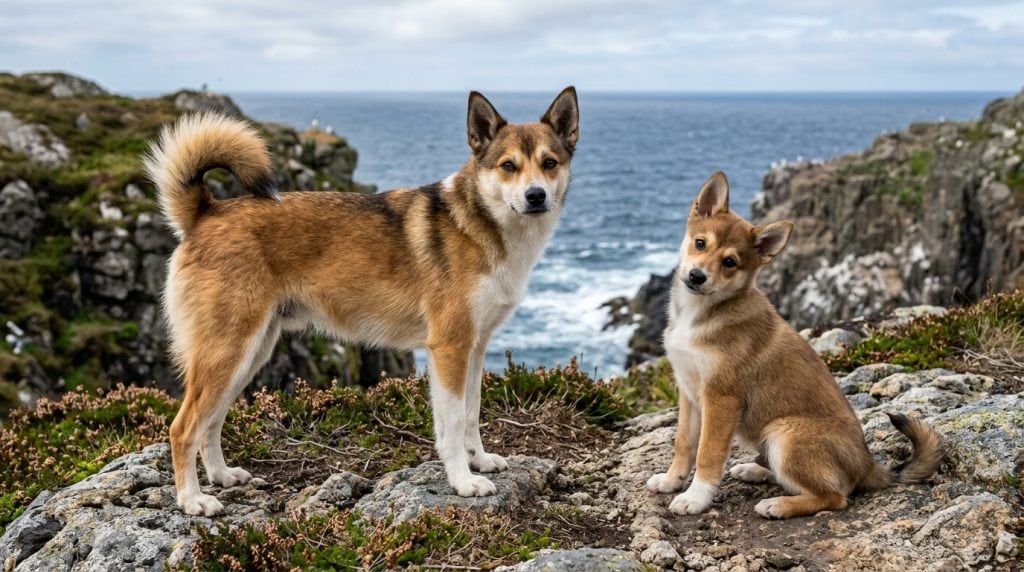
Living with a Norwegian Lundehund often means sharing your space with a dog that is both curious and independent. Their unique physical traits and lively nature make them fascinating companions, yet they also have a distinct tendency to think for themselves, which can be both endearing and challenging. Owners frequently find themselves charmed by their quirky personalities and the breed's historical connection to Norway's rugged landscapes.
At a glance
Core care
- Size: Small
- Energy: Moderate to high
- Grooming: Low
- Shedding: Moderate
Support style
- Sensitivity: Moderate
- Training style: Independent
Breed guide
Choose a section to explore. These notes describe common patterns, but individual dogs vary widely.
The Norwegian Lundehund has a rich history tied to the rugged coastal regions of Norway, where they were originally bred to hunt puffins. This historical role required a dog that was agile, flexible, and capable of navigating difficult terrains. Today, these traits manifest in a breed that is both physically unique and behaviorally independent. Their past as puffin hunters is still evident in their curious and exploratory nature, often leading them to investigate every nook and cranny of their environment.
Physically, the Lundehund is quite distinctive. They possess six toes on each foot and extraordinary flexibility, allowing them to climb and maneuver in ways most dogs cannot. This physical adaptability is not just a relic of their past but a feature that owners notice in daily life, as Lundehunds often find themselves in unexpected places around the home. Their small size makes them well-suited to various living situations, but their energy levels require regular outlets.
Temperamentally, the Norwegian Lundehund is known for its independence and curiosity. Owners often observe a dog that can be both engaging and aloof, depending on its mood. While they can be affectionate, they also appreciate having their own space and time to explore. This breed tends to form strong bonds with their families, yet they may not always seek constant attention, preferring instead to engage on their terms.
It’s important for potential owners to understand that while breed traits provide a general guide, each Lundehund is an individual. Their unique combination of history, physical traits, and temperament means that they can vary widely in their behavior and needs. Patience and understanding are key to fostering a harmonious relationship with these fascinating dogs.
The Norwegian Lundehund’s social nature can be somewhat enigmatic. While they may not be the first to greet strangers with open paws, they often form deep, lasting bonds with their families. This breed’s history as a solitary hunter may contribute to their independent streak, which owners frequently notice in their day-to-day interactions. They are not typically clingy, but rather enjoy being part of the family dynamic in their own unique way.
Understanding the Lundehund’s behaviour involves appreciating their natural curiosity and intelligence. These dogs are often found exploring their surroundings, driven by a desire to investigate and understand their environment. This can sometimes lead to mischief, as their inquisitive nature might lead them to explore areas you might prefer they didn’t. Owners often find that providing mental stimulation through games and puzzles can help satisfy this natural curiosity.
Sensitivity in the Lundehund is moderate, meaning they can be quite attuned to the emotions and routines of their human companions. They may not always react overtly, but subtle changes in their behaviour can often indicate their awareness of shifts in the household. This sensitivity, coupled with their independent nature, means they can sometimes be selective about when and how they engage with their family members.
Trainability in the Lundehund is best approached with patience and consistency. While they are intelligent, their independent nature means they may not always respond immediately to commands. Owners often find success with positive reinforcement techniques, which can help encourage desired behaviours without overwhelming the dog. Understanding and respecting their individuality is crucial to building a successful training relationship with this breed.
A typical day for a Norwegian Lundehund involves a mix of physical activity and mental stimulation. Given their moderate to high energy levels, these dogs benefit from regular walks and play sessions that allow them to burn off energy. Owners often find that a couple of brisk walks each day, combined with some interactive play, keeps their Lundehund content and well-balanced.
Physical exercise is crucial, but it’s equally important to provide mental enrichment. This breed’s inquisitive nature means they thrive on activities that challenge their minds. Puzzle toys, scent games, and interactive play can be excellent ways to engage their natural curiosity and intelligence. Owners often notice that a mentally stimulated Lundehund is a happier and more relaxed companion.
As with many breeds, the exercise needs of a Lundehund can change over time. Puppies and young dogs may require more frequent, shorter bursts of activity, while older dogs might prefer longer, more leisurely walks. It’s important to tailor activities to the individual dog’s age and energy levels, ensuring they receive the appropriate amount of exercise without overexertion.
While Lundehunds enjoy being active, it’s important to avoid overly repetitive or monotonous activities that might lead to boredom. Variety in their exercise routine can help keep them engaged and prevent undesirable behaviours that might arise from pent-up energy. Owners often find that mixing up the types of activities and locations for walks can keep their Lundehund both physically and mentally stimulated.
Training a Norwegian Lundehund often feels like a dance between guidance and independence. Owners frequently describe the experience as rewarding yet requiring patience, as these dogs tend to have a mind of their own. Their independent nature means they might not always respond immediately to commands, but with consistency and understanding, training can be a fulfilling process.
Positive reinforcement is a key strategy when working with this breed. Rewards-based training, using treats or praise, tends to resonate well with Lundehunds, encouraging them to repeat desired behaviours. It’s important to keep training sessions short and engaging, as their attention span might wane if sessions become too long or repetitive.
Adolescence can be a challenging time for Lundehund owners, as this is when their independent streak might be most pronounced. During this period, maintaining a consistent training routine is crucial. Owners often find that patience and a calm, steady approach help navigate the sometimes stubborn tendencies that can emerge during these formative months.
Building a strong relationship based on trust and respect is essential for successful training. Understanding the Lundehund’s unique personality and working with their natural tendencies rather than against them can lead to a more harmonious training experience. For those new to the breed, enrolling in a course like ‘Puppy Beginnings: Building a Calm Start’ can provide valuable insights and support during the early stages of training.
The Norwegian Lundehund can adapt to a variety of living environments, provided their needs for exercise and mental stimulation are met. They are well-suited to both urban and rural settings, as long as they have opportunities to explore and engage with their surroundings. Owners often find that a home with a secure garden provides an ideal space for them to play and satisfy their curiosity.
Living with children and other pets can be a positive experience for Lundehunds, though early socialisation is key. They tend to be tolerant and can form strong bonds with family members, including children. However, their independent nature means they might not always be interested in constant interaction, preferring instead to engage on their own terms.
For those considering adding a Lundehund to their household, it’s important to consider the time and energy required to meet their needs. While they are small in size, their exercise and mental stimulation requirements are significant. Owners often find that a commitment to regular walks and interactive play is essential to keeping their Lundehund happy and well-adjusted.
Ultimately, the Lundehund thrives in a home where they are considered part of the family and where their unique traits are appreciated. Understanding their history and natural tendencies can help potential owners create an environment that supports their well-being and allows them to flourish.
Health and wellbeing are closely linked in the Norwegian Lundehund, with certain breed-specific considerations that owners should be aware of. Regular veterinary check-ups and preventive care play a crucial role in maintaining their health and catching any potential issues early. Owners often find that a proactive approach to health care helps ensure their Lundehund leads a happy, active life.
One notable health consideration for this breed is Lundehund Syndrome, a gastrointestinal condition that can affect some dogs. While not all Lundehunds will experience this, being aware of the symptoms and seeking veterinary advice if concerns arise is important. A balanced diet tailored to their needs can also support their overall health and digestive wellbeing.
The breed’s unique physical traits, such as their extra toes and flexible joints, generally do not pose health issues but do require attention to ensure they remain comfortable. Regular monitoring of their mobility and joint health can help identify any concerns early on. Owners often find that maintaining a healthy weight through proper diet and exercise supports their Lundehund’s joint health.
Overall, understanding the specific health needs of the Norwegian Lundehund and working closely with a veterinarian can help prevent and manage potential health issues. With the right care and attention, these dogs can enjoy a long, fulfilling life as cherished members of the family.
The Norwegian Lundehund’s history is deeply rooted in the coastal regions of Norway, where they were originally bred to hunt puffins. These birds nested in inaccessible cliffside locations, requiring a dog with exceptional agility and climbing ability. The Lundehund’s unique physical traits, such as their extra toes and flexible joints, were developed specifically to navigate these challenging environments, making them indispensable to the communities that relied on puffin hunting for survival.
The breed’s development was closely tied to the needs of the coastal Norwegians, who valued the Lundehund for its ability to retrieve puffins from their nests. This working purpose shaped the breed’s characteristics, resulting in a dog that is both independent and resourceful. These traits are still evident today, as Lundehunds often display a keen sense of curiosity and a tendency to explore their surroundings.
Despite their historical significance, the Lundehund faced near extinction in the mid-20th century due to changes in hunting practices and a decrease in demand for their services. Dedicated breeders worked tirelessly to preserve the breed, recognising its unique heritage and the importance of maintaining its genetic diversity. These efforts have ensured the survival of the Lundehund, allowing it to continue as a living link to Norway’s cultural history.
Today, the Norwegian Lundehund is cherished not only for its historical significance but also for its distinctive personality and physical traits. Owners often appreciate the breed’s connection to its past, finding joy in the quirks and behaviours that harken back to its days as a puffin hunter. Understanding this history provides valuable insight into the breed’s modern characteristics, helping owners appreciate the full depth of their Lundehund’s personality.
What shapes individual dogs
- Early social experiences
- Training approach
- Environment & routine
- Genetics & breeding
- Health & pain
- Age / life stage
The Norwegian Lundehund has a rich history tied to the rugged coastal regions of Norway, where they were originally bred to hunt puffins. This historical role required a dog that was agile, flexible, and capable of navigating difficult terrains. Today, these traits manifest in a breed that is both physically unique and behaviorally independent. Their past as puffin hunters is still evident in their curious and exploratory nature, often leading them to investigate every nook and cranny of their environment.
Physically, the Lundehund is quite distinctive. They possess six toes on each foot and extraordinary flexibility, allowing them to climb and maneuver in ways most dogs cannot. This physical adaptability is not just a relic of their past but a feature that owners notice in daily life, as Lundehunds often find themselves in unexpected places around the home. Their small size makes them well-suited to various living situations, but their energy levels require regular outlets.
Temperamentally, the Norwegian Lundehund is known for its independence and curiosity. Owners often observe a dog that can be both engaging and aloof, depending on its mood. While they can be affectionate, they also appreciate having their own space and time to explore. This breed tends to form strong bonds with their families, yet they may not always seek constant attention, preferring instead to engage on their terms.
It’s important for potential owners to understand that while breed traits provide a general guide, each Lundehund is an individual. Their unique combination of history, physical traits, and temperament means that they can vary widely in their behavior and needs. Patience and understanding are key to fostering a harmonious relationship with these fascinating dogs.
The Norwegian Lundehund’s social nature can be somewhat enigmatic. While they may not be the first to greet strangers with open paws, they often form deep, lasting bonds with their families. This breed’s history as a solitary hunter may contribute to their independent streak, which owners frequently notice in their day-to-day interactions. They are not typically clingy, but rather enjoy being part of the family dynamic in their own unique way.
Understanding the Lundehund’s behaviour involves appreciating their natural curiosity and intelligence. These dogs are often found exploring their surroundings, driven by a desire to investigate and understand their environment. This can sometimes lead to mischief, as their inquisitive nature might lead them to explore areas you might prefer they didn’t. Owners often find that providing mental stimulation through games and puzzles can help satisfy this natural curiosity.
Sensitivity in the Lundehund is moderate, meaning they can be quite attuned to the emotions and routines of their human companions. They may not always react overtly, but subtle changes in their behaviour can often indicate their awareness of shifts in the household. This sensitivity, coupled with their independent nature, means they can sometimes be selective about when and how they engage with their family members.
Trainability in the Lundehund is best approached with patience and consistency. While they are intelligent, their independent nature means they may not always respond immediately to commands. Owners often find success with positive reinforcement techniques, which can help encourage desired behaviours without overwhelming the dog. Understanding and respecting their individuality is crucial to building a successful training relationship with this breed.
A typical day for a Norwegian Lundehund involves a mix of physical activity and mental stimulation. Given their moderate to high energy levels, these dogs benefit from regular walks and play sessions that allow them to burn off energy. Owners often find that a couple of brisk walks each day, combined with some interactive play, keeps their Lundehund content and well-balanced.
Physical exercise is crucial, but it’s equally important to provide mental enrichment. This breed’s inquisitive nature means they thrive on activities that challenge their minds. Puzzle toys, scent games, and interactive play can be excellent ways to engage their natural curiosity and intelligence. Owners often notice that a mentally stimulated Lundehund is a happier and more relaxed companion.
As with many breeds, the exercise needs of a Lundehund can change over time. Puppies and young dogs may require more frequent, shorter bursts of activity, while older dogs might prefer longer, more leisurely walks. It’s important to tailor activities to the individual dog’s age and energy levels, ensuring they receive the appropriate amount of exercise without overexertion.
While Lundehunds enjoy being active, it’s important to avoid overly repetitive or monotonous activities that might lead to boredom. Variety in their exercise routine can help keep them engaged and prevent undesirable behaviours that might arise from pent-up energy. Owners often find that mixing up the types of activities and locations for walks can keep their Lundehund both physically and mentally stimulated.
Training a Norwegian Lundehund often feels like a dance between guidance and independence. Owners frequently describe the experience as rewarding yet requiring patience, as these dogs tend to have a mind of their own. Their independent nature means they might not always respond immediately to commands, but with consistency and understanding, training can be a fulfilling process.
Positive reinforcement is a key strategy when working with this breed. Rewards-based training, using treats or praise, tends to resonate well with Lundehunds, encouraging them to repeat desired behaviours. It’s important to keep training sessions short and engaging, as their attention span might wane if sessions become too long or repetitive.
Adolescence can be a challenging time for Lundehund owners, as this is when their independent streak might be most pronounced. During this period, maintaining a consistent training routine is crucial. Owners often find that patience and a calm, steady approach help navigate the sometimes stubborn tendencies that can emerge during these formative months.
Building a strong relationship based on trust and respect is essential for successful training. Understanding the Lundehund’s unique personality and working with their natural tendencies rather than against them can lead to a more harmonious training experience. For those new to the breed, enrolling in a course like ‘Puppy Beginnings: Building a Calm Start’ can provide valuable insights and support during the early stages of training.
The Norwegian Lundehund can adapt to a variety of living environments, provided their needs for exercise and mental stimulation are met. They are well-suited to both urban and rural settings, as long as they have opportunities to explore and engage with their surroundings. Owners often find that a home with a secure garden provides an ideal space for them to play and satisfy their curiosity.
Living with children and other pets can be a positive experience for Lundehunds, though early socialisation is key. They tend to be tolerant and can form strong bonds with family members, including children. However, their independent nature means they might not always be interested in constant interaction, preferring instead to engage on their own terms.
For those considering adding a Lundehund to their household, it’s important to consider the time and energy required to meet their needs. While they are small in size, their exercise and mental stimulation requirements are significant. Owners often find that a commitment to regular walks and interactive play is essential to keeping their Lundehund happy and well-adjusted.
Ultimately, the Lundehund thrives in a home where they are considered part of the family and where their unique traits are appreciated. Understanding their history and natural tendencies can help potential owners create an environment that supports their well-being and allows them to flourish.
Health and wellbeing are closely linked in the Norwegian Lundehund, with certain breed-specific considerations that owners should be aware of. Regular veterinary check-ups and preventive care play a crucial role in maintaining their health and catching any potential issues early. Owners often find that a proactive approach to health care helps ensure their Lundehund leads a happy, active life.
One notable health consideration for this breed is Lundehund Syndrome, a gastrointestinal condition that can affect some dogs. While not all Lundehunds will experience this, being aware of the symptoms and seeking veterinary advice if concerns arise is important. A balanced diet tailored to their needs can also support their overall health and digestive wellbeing.
The breed’s unique physical traits, such as their extra toes and flexible joints, generally do not pose health issues but do require attention to ensure they remain comfortable. Regular monitoring of their mobility and joint health can help identify any concerns early on. Owners often find that maintaining a healthy weight through proper diet and exercise supports their Lundehund’s joint health.
Overall, understanding the specific health needs of the Norwegian Lundehund and working closely with a veterinarian can help prevent and manage potential health issues. With the right care and attention, these dogs can enjoy a long, fulfilling life as cherished members of the family.
The Norwegian Lundehund’s history is deeply rooted in the coastal regions of Norway, where they were originally bred to hunt puffins. These birds nested in inaccessible cliffside locations, requiring a dog with exceptional agility and climbing ability. The Lundehund’s unique physical traits, such as their extra toes and flexible joints, were developed specifically to navigate these challenging environments, making them indispensable to the communities that relied on puffin hunting for survival.
The breed’s development was closely tied to the needs of the coastal Norwegians, who valued the Lundehund for its ability to retrieve puffins from their nests. This working purpose shaped the breed’s characteristics, resulting in a dog that is both independent and resourceful. These traits are still evident today, as Lundehunds often display a keen sense of curiosity and a tendency to explore their surroundings.
Despite their historical significance, the Lundehund faced near extinction in the mid-20th century due to changes in hunting practices and a decrease in demand for their services. Dedicated breeders worked tirelessly to preserve the breed, recognising its unique heritage and the importance of maintaining its genetic diversity. These efforts have ensured the survival of the Lundehund, allowing it to continue as a living link to Norway’s cultural history.
Today, the Norwegian Lundehund is cherished not only for its historical significance but also for its distinctive personality and physical traits. Owners often appreciate the breed’s connection to its past, finding joy in the quirks and behaviours that harken back to its days as a puffin hunter. Understanding this history provides valuable insight into the breed’s modern characteristics, helping owners appreciate the full depth of their Lundehund’s personality.
What shapes individual dogs
- Early social experiences
- Training approach
- Environment & routine
- Genetics & breeding
- Health & pain
- Age / life stage
Want support with this?
This course is ideal for Lundehund owners seeking to understand their dog's unique behaviour and independent nature.