
Norwegian Elkhound
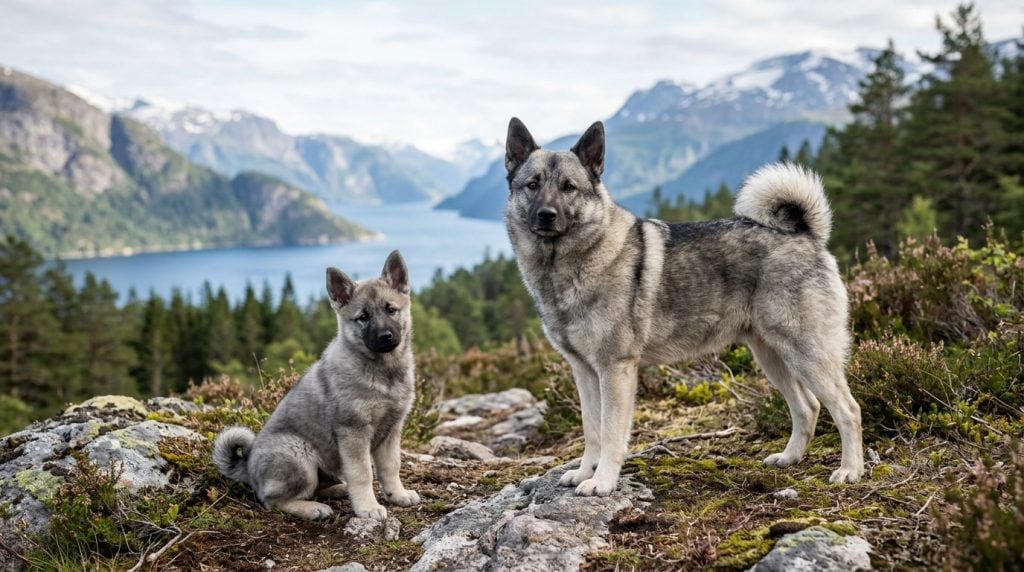
Living with a Norwegian Elkhound often means embracing a spirited and independent companion. Known for their alertness and loyalty, they frequently form strong bonds with their families, while still displaying a streak of independence that can be both charming and challenging. Their history as hunting dogs is evident in their keen senses and energetic demeanor, making them engaging and lively housemates.
At a glance
Core care
- Size: Medium
- Energy: High
- Grooming: Low
- Shedding: High
Support style
- Sensitivity: Moderate
- Training style: Independent
Breed guide
Choose a section to explore. These notes describe common patterns, but individual dogs vary widely.
The Norwegian Elkhound has a rich history as a hunting companion in the rugged landscapes of Scandinavia. Originally bred to track and hold large game like moose and elk, these dogs were valued for their endurance and courage. This heritage is still evident today, as many Elkhounds exhibit a strong prey drive and a keen sense of awareness. Modern Elkhounds often retain their ancestors’ vigilance, making them excellent watchdogs and loyal companions.
Physically, the Norwegian Elkhound is a medium-sized dog with a robust build, designed for endurance rather than speed. Their dense, weather-resistant coat is a hallmark of their heritage, allowing them to withstand harsh climates. In everyday life, this means owners often find themselves managing a fair amount of shedding, particularly during seasonal changes. Their sturdy physique and thick coat make them well-suited to outdoor adventures, which they typically relish.
Temperamentally, Norwegian Elkhounds are known for their independence and intelligence. They often display a strong will, which can manifest as stubbornness if not channeled correctly. Owners frequently notice their Elkhound’s desire to be part of family activities, though they may also enjoy moments of solitude. This blend of sociability and independence can make them both engaging and occasionally challenging to train.
It’s important for potential owners to understand that while breed traits provide a general guideline, individual dogs can vary significantly. Factors such as environment, upbringing, and personal experiences all play a role in shaping an Elkhound’s personality. Prospective owners should be prepared for a lively and sometimes headstrong companion, with the understanding that each Elkhound will have its own unique quirks and charms.
Norwegian Elkhounds are often seen as both independent and affectionate, a combination that can be intriguing for many owners. They tend to form strong bonds with their families, often showing a protective nature. This protective instinct can sometimes translate into a watchful eye over household activities, as they like to know what’s happening around them. Despite their independent streak, many Elkhounds enjoy being involved in family life, whether that means joining in on walks or simply being present in the same room.
Their independent nature stems from their history as hunting dogs, where they needed to make decisions on their own while tracking game. This independence can sometimes be mistaken for stubbornness, but it is simply a reflection of their intelligent and self-reliant nature. Owners often find that Elkhounds require a balance of guidance and freedom to thrive, appreciating a home where their intelligence is respected and nurtured.
Sensitivity levels in Norwegian Elkhounds are moderate, meaning they can be quite attuned to their owner’s emotions and household dynamics. This sensitivity can be a positive trait, as it often leads to a strong bond with their human companions. However, it also means that harsh training methods or a tense home environment can be unsettling for them. Many owners find that positive reinforcement and consistent routines help their Elkhound feel secure and confident.
Training an Elkhound can sometimes be a test of patience due to their independent mindset. They often respond best to training that is engaging and mentally stimulating, rather than repetitive. Owners frequently notice that their Elkhound is more willing to cooperate when training sessions are varied and fun. Understanding their motivations and working with their natural instincts can lead to a rewarding training experience for both dog and owner.
A typical day with a Norwegian Elkhound involves plenty of physical activity. These dogs have high energy levels and thrive on regular exercise, which can include long walks, hikes, or even jogs. Many owners find that their Elkhound enjoys exploring new environments, making them excellent companions for outdoor adventures. It’s not uncommon for an Elkhound to require at least an hour of vigorous activity each day to help them expend their energy and maintain their physical health.
In addition to physical exercise, mental enrichment is crucial for this intelligent breed. Puzzle toys, scent games, and interactive play can help keep their minds sharp and engaged. Owners often notice that their Elkhound is happiest when they have a job to do or a challenge to tackle. Providing varied activities can prevent boredom and help manage their sometimes independent nature.
As Elkhounds age, their exercise needs may change. While younger dogs may require more intense activity, older Elkhounds might prefer gentler walks and less strenuous play. However, maintaining a routine that includes both physical and mental stimulation is important throughout their lives to keep them healthy and content.
It’s important to avoid over-exercising young Elkhounds, as their growing joints can be susceptible to injury. Owners should aim to balance exercise with rest, especially in the early years. Understanding their individual needs and adjusting activities accordingly can help ensure that an Elkhound remains a happy and healthy member of the family.
Training a Norwegian Elkhound often feels like a dance between guiding their intelligence and respecting their independence. Many owners find that these dogs respond best to training methods that are positive and engaging. Harsh or overly repetitive training can lead to resistance, as Elkhounds prefer to understand the purpose behind what they’re being asked to do. Patience and creativity often yield the best results.
Impulse control can be a particular focus during training, as Elkhounds may have a tendency to follow their instincts, especially when it comes to tracking scents. Teaching them to respond reliably to commands like ‘stay’ and ‘come’ can be invaluable, particularly in outdoor settings. Consistent practice and rewarding desired behaviours can help reinforce these skills.
Adolescence can be a challenging time for Elkhound owners, as their dogs may test boundaries and exhibit more independent behaviour. During this stage, maintaining a consistent training routine and reinforcing positive behaviours can help guide them through this period. Many owners find that continuing training classes or engaging in activities like agility can provide both structure and fun.
Building a strong relationship based on trust and mutual respect is key to training success with this breed. Elkhounds often thrive in environments where they feel understood and valued. By focusing on their strengths and working with their natural instincts, owners can foster a cooperative and rewarding training experience. For those new to the breed or needing additional support, the course “Understand Your Dog: Dog Psychology for Beginners” can provide valuable insights into managing their unique temperament.
Norwegian Elkhounds often thrive in homes where they have space to move and explore. They are well-suited to environments that offer a balance of outdoor activity and indoor comfort. Many owners find that having a garden or access to nearby parks can be beneficial, as it allows their Elkhound to indulge in their love of exploration and exercise.
In terms of family dynamics, Elkhounds can be wonderful companions for families with children. They tend to be protective and gentle, often forming strong bonds with younger members of the household. However, it’s important to supervise interactions with very young children to ensure that play remains safe and respectful for both the dog and the child.
When it comes to other pets, Elkhounds can coexist peacefully, especially if they are introduced at a young age. Their hunting background might mean they have a strong prey drive, so careful introductions and monitoring are recommended, particularly with smaller animals. Many owners find that with proper socialisation, Elkhounds can become harmonious members of a multi-pet household.
Ultimately, the best fit for a Norwegian Elkhound is an environment where their physical and mental needs are met, and where they can be an active part of the family. Prospective owners should be prepared for a lively and sometimes independent companion, with the understanding that each Elkhound will bring its own unique personality to the home.
Everyday wellbeing for a Norwegian Elkhound is closely linked to their overall health. Regular veterinary check-ups and preventive care are important to maintain their health and catch any potential issues early. Common health considerations for this breed include hip dysplasia and eye conditions, so monitoring for any signs of discomfort or changes in behaviour is crucial.
Owners often notice that a healthy Elkhound is an active and engaged one. Their energy levels and enthusiasm for life can be a good indicator of their health status. Ensuring they receive a balanced diet and appropriate exercise can support their physical health and contribute to a long, happy life.
Preventive care also extends to dental health, as Elkhounds, like many breeds, can be prone to dental issues. Regular brushing and providing dental chews can help maintain their oral health and prevent problems such as gum disease. Many owners find that incorporating dental care into their routine is a simple yet effective way to support their dog’s overall health.
If an Elkhound shows signs of discomfort, such as limping, changes in appetite, or unusual lethargy, it’s important to consult a veterinarian. Early intervention can often prevent more serious health issues. By staying informed and proactive about their health, owners can help ensure their Elkhound remains a vibrant and healthy member of the family.
The Norwegian Elkhound’s history is deeply rooted in the rugged landscapes of Scandinavia, where they were originally bred as hunting companions. These dogs were tasked with tracking and holding large game like moose and elk, a role that required both endurance and courage. Their ability to work independently and make decisions in the field was highly valued, traits that continue to be seen in the breed today.
The breed’s development was shaped by the harsh climates and challenging terrains of Norway, which demanded a dog with a robust physique and a weather-resistant coat. This history explains the Elkhound’s sturdy build and dense fur, both of which are still characteristic of the breed. Their adaptability to cold weather makes them well-suited to outdoor activities, a trait that many modern owners appreciate.
As hunting practices evolved, the Norwegian Elkhound’s role expanded beyond just hunting. They became valued as watchdogs and family companions, thanks to their alert nature and loyalty. This versatility has helped the breed maintain its popularity over the years, as they are able to adapt to various roles within a household.
Today, the Norwegian Elkhound is celebrated not only for its historical significance but also for its unique blend of independence and companionship. Their past as independent hunters informs their modern behaviour, making them both engaging and sometimes challenging pets. Understanding their history helps owners appreciate the breed’s traits and provides insight into how to best meet their needs.
What shapes individual dogs
- Early social experiences
- Training approach
- Environment & routine
- Genetics & breeding
- Health & pain
- Age / life stage
The Norwegian Elkhound has a rich history as a hunting companion in the rugged landscapes of Scandinavia. Originally bred to track and hold large game like moose and elk, these dogs were valued for their endurance and courage. This heritage is still evident today, as many Elkhounds exhibit a strong prey drive and a keen sense of awareness. Modern Elkhounds often retain their ancestors’ vigilance, making them excellent watchdogs and loyal companions.
Physically, the Norwegian Elkhound is a medium-sized dog with a robust build, designed for endurance rather than speed. Their dense, weather-resistant coat is a hallmark of their heritage, allowing them to withstand harsh climates. In everyday life, this means owners often find themselves managing a fair amount of shedding, particularly during seasonal changes. Their sturdy physique and thick coat make them well-suited to outdoor adventures, which they typically relish.
Temperamentally, Norwegian Elkhounds are known for their independence and intelligence. They often display a strong will, which can manifest as stubbornness if not channeled correctly. Owners frequently notice their Elkhound’s desire to be part of family activities, though they may also enjoy moments of solitude. This blend of sociability and independence can make them both engaging and occasionally challenging to train.
It’s important for potential owners to understand that while breed traits provide a general guideline, individual dogs can vary significantly. Factors such as environment, upbringing, and personal experiences all play a role in shaping an Elkhound’s personality. Prospective owners should be prepared for a lively and sometimes headstrong companion, with the understanding that each Elkhound will have its own unique quirks and charms.
Norwegian Elkhounds are often seen as both independent and affectionate, a combination that can be intriguing for many owners. They tend to form strong bonds with their families, often showing a protective nature. This protective instinct can sometimes translate into a watchful eye over household activities, as they like to know what’s happening around them. Despite their independent streak, many Elkhounds enjoy being involved in family life, whether that means joining in on walks or simply being present in the same room.
Their independent nature stems from their history as hunting dogs, where they needed to make decisions on their own while tracking game. This independence can sometimes be mistaken for stubbornness, but it is simply a reflection of their intelligent and self-reliant nature. Owners often find that Elkhounds require a balance of guidance and freedom to thrive, appreciating a home where their intelligence is respected and nurtured.
Sensitivity levels in Norwegian Elkhounds are moderate, meaning they can be quite attuned to their owner’s emotions and household dynamics. This sensitivity can be a positive trait, as it often leads to a strong bond with their human companions. However, it also means that harsh training methods or a tense home environment can be unsettling for them. Many owners find that positive reinforcement and consistent routines help their Elkhound feel secure and confident.
Training an Elkhound can sometimes be a test of patience due to their independent mindset. They often respond best to training that is engaging and mentally stimulating, rather than repetitive. Owners frequently notice that their Elkhound is more willing to cooperate when training sessions are varied and fun. Understanding their motivations and working with their natural instincts can lead to a rewarding training experience for both dog and owner.
A typical day with a Norwegian Elkhound involves plenty of physical activity. These dogs have high energy levels and thrive on regular exercise, which can include long walks, hikes, or even jogs. Many owners find that their Elkhound enjoys exploring new environments, making them excellent companions for outdoor adventures. It’s not uncommon for an Elkhound to require at least an hour of vigorous activity each day to help them expend their energy and maintain their physical health.
In addition to physical exercise, mental enrichment is crucial for this intelligent breed. Puzzle toys, scent games, and interactive play can help keep their minds sharp and engaged. Owners often notice that their Elkhound is happiest when they have a job to do or a challenge to tackle. Providing varied activities can prevent boredom and help manage their sometimes independent nature.
As Elkhounds age, their exercise needs may change. While younger dogs may require more intense activity, older Elkhounds might prefer gentler walks and less strenuous play. However, maintaining a routine that includes both physical and mental stimulation is important throughout their lives to keep them healthy and content.
It’s important to avoid over-exercising young Elkhounds, as their growing joints can be susceptible to injury. Owners should aim to balance exercise with rest, especially in the early years. Understanding their individual needs and adjusting activities accordingly can help ensure that an Elkhound remains a happy and healthy member of the family.
Training a Norwegian Elkhound often feels like a dance between guiding their intelligence and respecting their independence. Many owners find that these dogs respond best to training methods that are positive and engaging. Harsh or overly repetitive training can lead to resistance, as Elkhounds prefer to understand the purpose behind what they’re being asked to do. Patience and creativity often yield the best results.
Impulse control can be a particular focus during training, as Elkhounds may have a tendency to follow their instincts, especially when it comes to tracking scents. Teaching them to respond reliably to commands like ‘stay’ and ‘come’ can be invaluable, particularly in outdoor settings. Consistent practice and rewarding desired behaviours can help reinforce these skills.
Adolescence can be a challenging time for Elkhound owners, as their dogs may test boundaries and exhibit more independent behaviour. During this stage, maintaining a consistent training routine and reinforcing positive behaviours can help guide them through this period. Many owners find that continuing training classes or engaging in activities like agility can provide both structure and fun.
Building a strong relationship based on trust and mutual respect is key to training success with this breed. Elkhounds often thrive in environments where they feel understood and valued. By focusing on their strengths and working with their natural instincts, owners can foster a cooperative and rewarding training experience. For those new to the breed or needing additional support, the course “Understand Your Dog: Dog Psychology for Beginners” can provide valuable insights into managing their unique temperament.
Norwegian Elkhounds often thrive in homes where they have space to move and explore. They are well-suited to environments that offer a balance of outdoor activity and indoor comfort. Many owners find that having a garden or access to nearby parks can be beneficial, as it allows their Elkhound to indulge in their love of exploration and exercise.
In terms of family dynamics, Elkhounds can be wonderful companions for families with children. They tend to be protective and gentle, often forming strong bonds with younger members of the household. However, it’s important to supervise interactions with very young children to ensure that play remains safe and respectful for both the dog and the child.
When it comes to other pets, Elkhounds can coexist peacefully, especially if they are introduced at a young age. Their hunting background might mean they have a strong prey drive, so careful introductions and monitoring are recommended, particularly with smaller animals. Many owners find that with proper socialisation, Elkhounds can become harmonious members of a multi-pet household.
Ultimately, the best fit for a Norwegian Elkhound is an environment where their physical and mental needs are met, and where they can be an active part of the family. Prospective owners should be prepared for a lively and sometimes independent companion, with the understanding that each Elkhound will bring its own unique personality to the home.
Everyday wellbeing for a Norwegian Elkhound is closely linked to their overall health. Regular veterinary check-ups and preventive care are important to maintain their health and catch any potential issues early. Common health considerations for this breed include hip dysplasia and eye conditions, so monitoring for any signs of discomfort or changes in behaviour is crucial.
Owners often notice that a healthy Elkhound is an active and engaged one. Their energy levels and enthusiasm for life can be a good indicator of their health status. Ensuring they receive a balanced diet and appropriate exercise can support their physical health and contribute to a long, happy life.
Preventive care also extends to dental health, as Elkhounds, like many breeds, can be prone to dental issues. Regular brushing and providing dental chews can help maintain their oral health and prevent problems such as gum disease. Many owners find that incorporating dental care into their routine is a simple yet effective way to support their dog’s overall health.
If an Elkhound shows signs of discomfort, such as limping, changes in appetite, or unusual lethargy, it’s important to consult a veterinarian. Early intervention can often prevent more serious health issues. By staying informed and proactive about their health, owners can help ensure their Elkhound remains a vibrant and healthy member of the family.
The Norwegian Elkhound’s history is deeply rooted in the rugged landscapes of Scandinavia, where they were originally bred as hunting companions. These dogs were tasked with tracking and holding large game like moose and elk, a role that required both endurance and courage. Their ability to work independently and make decisions in the field was highly valued, traits that continue to be seen in the breed today.
The breed’s development was shaped by the harsh climates and challenging terrains of Norway, which demanded a dog with a robust physique and a weather-resistant coat. This history explains the Elkhound’s sturdy build and dense fur, both of which are still characteristic of the breed. Their adaptability to cold weather makes them well-suited to outdoor activities, a trait that many modern owners appreciate.
As hunting practices evolved, the Norwegian Elkhound’s role expanded beyond just hunting. They became valued as watchdogs and family companions, thanks to their alert nature and loyalty. This versatility has helped the breed maintain its popularity over the years, as they are able to adapt to various roles within a household.
Today, the Norwegian Elkhound is celebrated not only for its historical significance but also for its unique blend of independence and companionship. Their past as independent hunters informs their modern behaviour, making them both engaging and sometimes challenging pets. Understanding their history helps owners appreciate the breed’s traits and provides insight into how to best meet their needs.
What shapes individual dogs
- Early social experiences
- Training approach
- Environment & routine
- Genetics & breeding
- Health & pain
- Age / life stage
Want support with this?
This course provides insights into managing the unique temperament and independent nature of the Norwegian Elkhound.