
Miniature Pinscher
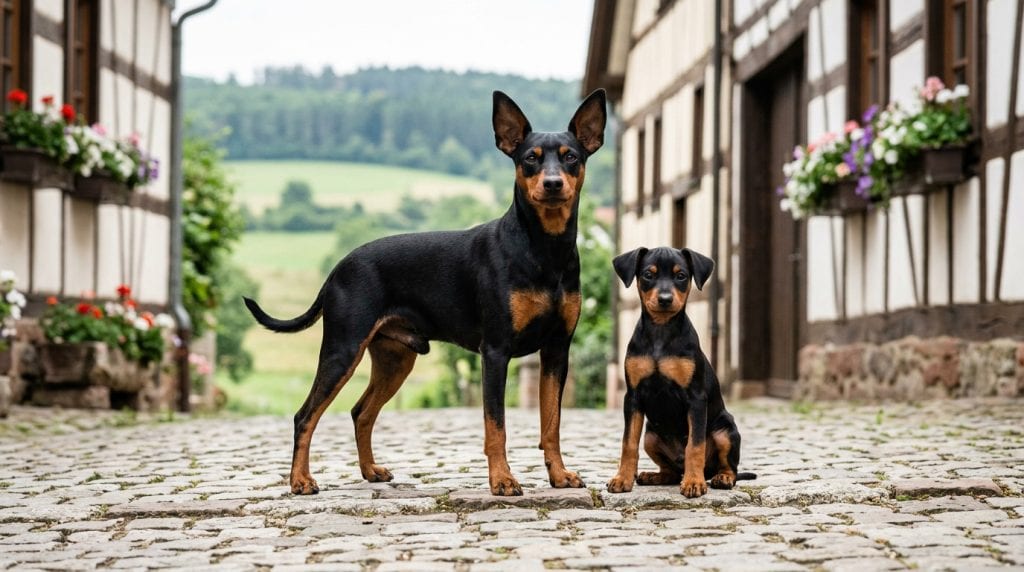
Living with a Miniature Pinscher is like having a lively companion who is always ready for the next adventure. Their spirited personality often fills the home with energy, and they are known for their curious nature. Owners frequently find them exploring every nook and cranny, making them both entertaining and endearing.
At a glance
Core care
- Size: Small
- Energy: High
- Grooming: Low
- Shedding: Low
Support style
- Sensitivity: Moderate
- Training style: Independent
Breed guide
Choose a section to explore. These notes describe common patterns, but individual dogs vary widely.
The Miniature Pinscher, often affectionately called the ‘Min Pin,’ has a rich history as a small yet spirited breed. Originally bred in Germany, these dogs were used for hunting vermin, a task that required agility and tenacity. This background has shaped the modern Miniature Pinscher into a dog that is both energetic and independent, traits that are still evident today in their lively demeanor and self-assured presence.
Physically, the Miniature Pinscher is a small dog, but their presence is anything but diminutive. With their sleek, muscular build and a confident gait often described as a ‘hackney-like’ trot, they carry themselves with a distinct air of confidence. Their short, smooth coat is low-maintenance, making them an appealing choice for those who prefer minimal grooming. Despite their small size, they are robust and sturdy, often surprising those unfamiliar with the breed with their strength and agility.
In terms of temperament, Miniature Pinschers are known for their spirited and lively nature. They are often described as fearless, sometimes acting as if they are much larger than they really are. This boldness can be both a charm and a challenge, as their independent streak means they may not always be eager to follow commands. However, their intelligence is evident in their problem-solving abilities and their knack for getting into mischief if left unstimulated.
While the Miniature Pinscher has distinct breed traits, it’s important to remember that each dog is an individual. Factors such as genetics, early socialization, and daily interactions all play a role in shaping their unique personalities. Owners should be prepared for a dog that may not fit every stereotype and embrace the quirks that make their Miniature Pinscher one-of-a-kind.
Miniature Pinschers are often social butterflies, eager to engage with their human families and sometimes with strangers as well. Their social nature means they thrive on interaction and can become quite attached to their people. Many owners notice that their Min Pin enjoys being involved in whatever is happening around the house, whether it’s following someone from room to room or snuggling up on the couch.
This breed’s moderate sensitivity can mean they are quite attuned to the emotions and moods of their owners. They may pick up on tension or stress in the household, which can influence their own behaviour. While they are generally confident, they can be sensitive to harsh corrections, so positive reinforcement tends to work best when training and interacting with them.
Their independent streak is a notable trait, often manifesting in a desire to explore and sometimes a reluctance to obey commands immediately. This doesn’t mean they are untrainable, but rather that they may require a bit more patience and creativity in training approaches. Owners often find success with consistent routines and engaging activities that challenge their minds.
Overall, Miniature Pinschers can be delightful companions with the right approach. Their lively nature and intelligence make them entertaining and rewarding pets, but potential owners should be prepared to invest time in understanding and nurturing their unique personalities. As with any breed, individual variations exist, and each Miniature Pinscher will have its own quirks and charms.
A typical day for a Miniature Pinscher involves plenty of activity and mental stimulation. Despite their small stature, they have a high energy level and require regular exercise to keep them happy and healthy. Daily walks, combined with playtime in a secure area, are essential to meet their physical needs. They enjoy games that challenge their agility and intelligence, such as fetch or puzzle toys.
Mental enrichment is just as important as physical exercise for this breed. Miniature Pinschers are curious and intelligent, and they thrive on activities that engage their minds. Training sessions that incorporate new tricks or commands can be a great way to provide mental stimulation. Interactive toys and games that require problem-solving can also keep them entertained and prevent boredom.
It’s important to note that while they are energetic, Miniature Pinschers are still small dogs and can be prone to overexertion if not monitored carefully. Owners should be mindful of their dog’s limits, especially in extreme weather conditions. Regular breaks and access to water during exercise are crucial to ensure they don’t overheat or become too tired.
As they age, a Miniature Pinscher’s exercise needs may change. While they might slow down a bit, they will still benefit from regular activity and mental engagement. Adjusting the intensity and duration of exercise to suit their age and health status will help maintain their wellbeing throughout their lives. Understanding these needs can help owners create a balanced routine that keeps their Miniature Pinscher both physically and mentally fulfilled.
Training a Miniature Pinscher often feels like a dance between patience and creativity. Their independent nature means they may not always respond immediately to commands, but they are intelligent and capable learners. Positive reinforcement techniques, such as treats and praise, tend to be effective, as they respond well to encouragement and rewards.
Impulse control can be a challenge with this breed, particularly during their adolescent phase. Owners may notice their Min Pin testing boundaries or becoming easily distracted. Consistent training and clear boundaries are key to helping them understand what is expected. Short, engaging training sessions often work best, as they can lose interest if sessions are too long or repetitive.
Building a strong relationship based on trust and mutual respect is crucial for successful training. Miniature Pinschers often thrive when they feel they are part of a team, rather than being dictated to. This means incorporating training into everyday activities and making it a fun part of their routine can yield better results than rigid training sessions.
For those new to the breed, or to dog training in general, enrolling in a course like ‘Puppy Beginnings: Building a Calm Start’ can provide valuable insights and techniques. Understanding the unique temperament of a Miniature Pinscher and learning how to work with their natural tendencies can make training a rewarding experience for both dog and owner.
Miniature Pinschers tend to fit well into a variety of living situations, from apartments to larger homes, as long as their exercise and mental stimulation needs are met. Their small size makes them suitable for urban environments, but their high energy levels mean they benefit from access to outdoor spaces where they can run and play.
In families, Miniature Pinschers can be delightful companions, often forming strong bonds with their human family members. They can coexist with children, but supervision is recommended, especially with younger kids who may not understand the dog’s boundaries. Teaching children how to interact respectfully with the dog can foster a positive relationship.
When it comes to other pets, Miniature Pinschers may exhibit a range of behaviours. Some may get along well with other dogs, while others might be more territorial or aloof. Early socialization can help them learn to interact appropriately with other animals, but each dog’s individual temperament will play a role in how they fit into a multi-pet household.
Ultimately, the Miniature Pinscher’s suitability for a home depends on the owner’s ability to meet their needs and understand their personality. They thrive in environments where they are included in daily activities and given plenty of attention and stimulation. Potential owners should be prepared for a lively and curious companion who will bring energy and joy to their home.
Maintaining the health of a Miniature Pinscher is crucial for their overall wellbeing and happiness. Regular veterinary check-ups are important to monitor their health and catch any potential issues early. Preventive care, including vaccinations and parasite control, should be part of their routine healthcare.
Some health considerations for this breed include patellar luxation and dental issues. Owners should be vigilant about their dog’s mobility and dental hygiene, as these can impact their quality of life. Regular teeth brushing and providing dental chews can help prevent dental disease, which is common in small breeds.
The connection between health and behaviour is significant, as discomfort or pain can lead to changes in behaviour. Owners should be attentive to any signs of distress or changes in their Miniature Pinscher’s usual behaviour, as these can be indicators of underlying health issues. Seeking veterinary advice when something seems amiss is always a prudent approach.
Overall, a proactive approach to health care, combined with a balanced diet and regular exercise, can help ensure a long and healthy life for a Miniature Pinscher. Understanding their specific health needs and working closely with a veterinarian can provide peace of mind and support their wellbeing.
The Miniature Pinscher’s origins can be traced back to Germany, where they were bred as small yet effective hunters of vermin. Their history is not as a scaled-down Doberman, as often mistakenly believed, but rather as a distinct breed with its own lineage. The Miniature Pinscher’s ancestors include the German Pinscher and the Italian Greyhound, contributing to their unique characteristics.
Originally, these dogs were prized for their ability to control rodent populations in homes and stables. Their agility and tenacity made them well-suited for this task, and these traits are still evident in the breed today. The Miniature Pinscher’s lively and confident nature can be seen as a reflection of their working past, where they needed to be both independent and alert.
As the breed developed, they became popular not only for their working abilities but also for their spirited personality and striking appearance. By the early 20th century, they had gained recognition in dog shows, further cementing their status as a beloved companion breed. Their distinctive trot and sleek coat made them stand out in the show ring, contributing to their growing popularity.
Today, the Miniature Pinscher is cherished for their lively spirit and companionship. While they no longer serve as hunters, their history as a working breed is still evident in their energetic and independent nature. Understanding their origins helps owners appreciate the unique blend of traits that make the Miniature Pinscher a distinctive and engaging breed.
What shapes individual dogs
- Early social experiences
- Training approach
- Environment & routine
- Genetics & breeding
- Health & pain
- Age / life stage
The Miniature Pinscher, often affectionately called the ‘Min Pin,’ has a rich history as a small yet spirited breed. Originally bred in Germany, these dogs were used for hunting vermin, a task that required agility and tenacity. This background has shaped the modern Miniature Pinscher into a dog that is both energetic and independent, traits that are still evident today in their lively demeanor and self-assured presence.
Physically, the Miniature Pinscher is a small dog, but their presence is anything but diminutive. With their sleek, muscular build and a confident gait often described as a ‘hackney-like’ trot, they carry themselves with a distinct air of confidence. Their short, smooth coat is low-maintenance, making them an appealing choice for those who prefer minimal grooming. Despite their small size, they are robust and sturdy, often surprising those unfamiliar with the breed with their strength and agility.
In terms of temperament, Miniature Pinschers are known for their spirited and lively nature. They are often described as fearless, sometimes acting as if they are much larger than they really are. This boldness can be both a charm and a challenge, as their independent streak means they may not always be eager to follow commands. However, their intelligence is evident in their problem-solving abilities and their knack for getting into mischief if left unstimulated.
While the Miniature Pinscher has distinct breed traits, it’s important to remember that each dog is an individual. Factors such as genetics, early socialization, and daily interactions all play a role in shaping their unique personalities. Owners should be prepared for a dog that may not fit every stereotype and embrace the quirks that make their Miniature Pinscher one-of-a-kind.
Miniature Pinschers are often social butterflies, eager to engage with their human families and sometimes with strangers as well. Their social nature means they thrive on interaction and can become quite attached to their people. Many owners notice that their Min Pin enjoys being involved in whatever is happening around the house, whether it’s following someone from room to room or snuggling up on the couch.
This breed’s moderate sensitivity can mean they are quite attuned to the emotions and moods of their owners. They may pick up on tension or stress in the household, which can influence their own behaviour. While they are generally confident, they can be sensitive to harsh corrections, so positive reinforcement tends to work best when training and interacting with them.
Their independent streak is a notable trait, often manifesting in a desire to explore and sometimes a reluctance to obey commands immediately. This doesn’t mean they are untrainable, but rather that they may require a bit more patience and creativity in training approaches. Owners often find success with consistent routines and engaging activities that challenge their minds.
Overall, Miniature Pinschers can be delightful companions with the right approach. Their lively nature and intelligence make them entertaining and rewarding pets, but potential owners should be prepared to invest time in understanding and nurturing their unique personalities. As with any breed, individual variations exist, and each Miniature Pinscher will have its own quirks and charms.
A typical day for a Miniature Pinscher involves plenty of activity and mental stimulation. Despite their small stature, they have a high energy level and require regular exercise to keep them happy and healthy. Daily walks, combined with playtime in a secure area, are essential to meet their physical needs. They enjoy games that challenge their agility and intelligence, such as fetch or puzzle toys.
Mental enrichment is just as important as physical exercise for this breed. Miniature Pinschers are curious and intelligent, and they thrive on activities that engage their minds. Training sessions that incorporate new tricks or commands can be a great way to provide mental stimulation. Interactive toys and games that require problem-solving can also keep them entertained and prevent boredom.
It’s important to note that while they are energetic, Miniature Pinschers are still small dogs and can be prone to overexertion if not monitored carefully. Owners should be mindful of their dog’s limits, especially in extreme weather conditions. Regular breaks and access to water during exercise are crucial to ensure they don’t overheat or become too tired.
As they age, a Miniature Pinscher’s exercise needs may change. While they might slow down a bit, they will still benefit from regular activity and mental engagement. Adjusting the intensity and duration of exercise to suit their age and health status will help maintain their wellbeing throughout their lives. Understanding these needs can help owners create a balanced routine that keeps their Miniature Pinscher both physically and mentally fulfilled.
Training a Miniature Pinscher often feels like a dance between patience and creativity. Their independent nature means they may not always respond immediately to commands, but they are intelligent and capable learners. Positive reinforcement techniques, such as treats and praise, tend to be effective, as they respond well to encouragement and rewards.
Impulse control can be a challenge with this breed, particularly during their adolescent phase. Owners may notice their Min Pin testing boundaries or becoming easily distracted. Consistent training and clear boundaries are key to helping them understand what is expected. Short, engaging training sessions often work best, as they can lose interest if sessions are too long or repetitive.
Building a strong relationship based on trust and mutual respect is crucial for successful training. Miniature Pinschers often thrive when they feel they are part of a team, rather than being dictated to. This means incorporating training into everyday activities and making it a fun part of their routine can yield better results than rigid training sessions.
For those new to the breed, or to dog training in general, enrolling in a course like ‘Puppy Beginnings: Building a Calm Start’ can provide valuable insights and techniques. Understanding the unique temperament of a Miniature Pinscher and learning how to work with their natural tendencies can make training a rewarding experience for both dog and owner.
Miniature Pinschers tend to fit well into a variety of living situations, from apartments to larger homes, as long as their exercise and mental stimulation needs are met. Their small size makes them suitable for urban environments, but their high energy levels mean they benefit from access to outdoor spaces where they can run and play.
In families, Miniature Pinschers can be delightful companions, often forming strong bonds with their human family members. They can coexist with children, but supervision is recommended, especially with younger kids who may not understand the dog’s boundaries. Teaching children how to interact respectfully with the dog can foster a positive relationship.
When it comes to other pets, Miniature Pinschers may exhibit a range of behaviours. Some may get along well with other dogs, while others might be more territorial or aloof. Early socialization can help them learn to interact appropriately with other animals, but each dog’s individual temperament will play a role in how they fit into a multi-pet household.
Ultimately, the Miniature Pinscher’s suitability for a home depends on the owner’s ability to meet their needs and understand their personality. They thrive in environments where they are included in daily activities and given plenty of attention and stimulation. Potential owners should be prepared for a lively and curious companion who will bring energy and joy to their home.
Maintaining the health of a Miniature Pinscher is crucial for their overall wellbeing and happiness. Regular veterinary check-ups are important to monitor their health and catch any potential issues early. Preventive care, including vaccinations and parasite control, should be part of their routine healthcare.
Some health considerations for this breed include patellar luxation and dental issues. Owners should be vigilant about their dog’s mobility and dental hygiene, as these can impact their quality of life. Regular teeth brushing and providing dental chews can help prevent dental disease, which is common in small breeds.
The connection between health and behaviour is significant, as discomfort or pain can lead to changes in behaviour. Owners should be attentive to any signs of distress or changes in their Miniature Pinscher’s usual behaviour, as these can be indicators of underlying health issues. Seeking veterinary advice when something seems amiss is always a prudent approach.
Overall, a proactive approach to health care, combined with a balanced diet and regular exercise, can help ensure a long and healthy life for a Miniature Pinscher. Understanding their specific health needs and working closely with a veterinarian can provide peace of mind and support their wellbeing.
The Miniature Pinscher’s origins can be traced back to Germany, where they were bred as small yet effective hunters of vermin. Their history is not as a scaled-down Doberman, as often mistakenly believed, but rather as a distinct breed with its own lineage. The Miniature Pinscher’s ancestors include the German Pinscher and the Italian Greyhound, contributing to their unique characteristics.
Originally, these dogs were prized for their ability to control rodent populations in homes and stables. Their agility and tenacity made them well-suited for this task, and these traits are still evident in the breed today. The Miniature Pinscher’s lively and confident nature can be seen as a reflection of their working past, where they needed to be both independent and alert.
As the breed developed, they became popular not only for their working abilities but also for their spirited personality and striking appearance. By the early 20th century, they had gained recognition in dog shows, further cementing their status as a beloved companion breed. Their distinctive trot and sleek coat made them stand out in the show ring, contributing to their growing popularity.
Today, the Miniature Pinscher is cherished for their lively spirit and companionship. While they no longer serve as hunters, their history as a working breed is still evident in their energetic and independent nature. Understanding their origins helps owners appreciate the unique blend of traits that make the Miniature Pinscher a distinctive and engaging breed.
What shapes individual dogs
- Early social experiences
- Training approach
- Environment & routine
- Genetics & breeding
- Health & pain
- Age / life stage
Want support with this?
This course is ideal for understanding the lively and independent nature of Miniature Pinschers, helping you build a strong foundation with your new companion.