
Keeshond
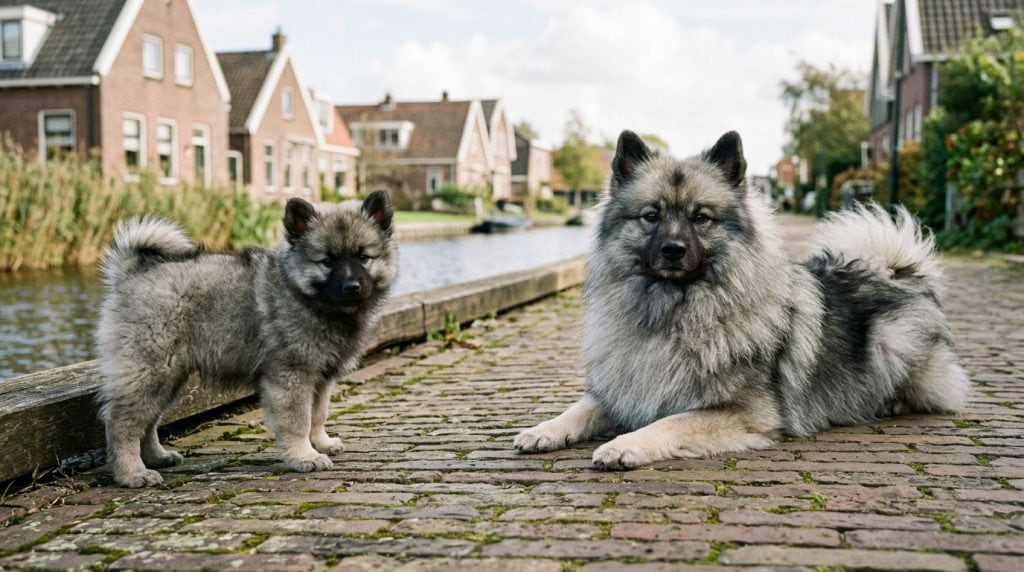
Living with a Keeshond often feels like having a lively, furry companion who is deeply in tune with your emotions. Their expressive eyes and eagerness to be part of family activities make them endearing household members. Many owners find that their Keeshond thrives on social interaction and enjoys being involved in the daily rhythm of home life.
At a glance
Core care
- Size: Medium
- Energy: Moderate to high
- Grooming: Low
- Shedding: High
Support style
- Sensitivity: High
- Training style: Willing
Breed guide
Choose a section to explore. These notes describe common patterns, but individual dogs vary widely.
The Keeshond, with roots as a barge dog in Holland, has a history of being a loyal companion and watchdog. Originally bred to guard barges and serve as a companion to Dutch sailors, this breed has retained its alertness and affectionate nature. Today, Keeshonds are known for their friendly demeanor and their ability to form strong bonds with their families, often acting as the social glue in a household.
Physically, the Keeshond is a medium-sized dog with a plush, double-layered coat that gives it a distinctive ‘lion-like’ mane. This coat not only adds to their striking appearance but also serves as excellent protection against harsh weather, a nod to their working origins. In everyday life, this means regular grooming is essential to maintain their coat and manage their high shedding tendency, which can be a consideration for potential owners.
Temperamentally, Keeshonds are known for their cheerful and outgoing nature. They are often described as having a keen sense of awareness and a strong desire to please their owners. This makes them quite trainable, though their high sensitivity means they respond best to gentle, positive reinforcement rather than harsh corrections. Owners often notice their Keeshond’s ability to sense moods and adapt accordingly, making them wonderful companions.
While Keeshonds generally share these traits, individual dogs can vary significantly. Factors such as genetics, early socialization, and the environment they grow up in all play a role in shaping their personalities. Prospective owners should be prepared for a dog that thrives on companionship and may not do well if left alone for long periods. Understanding these nuances can help in fostering a fulfilling relationship with a Keeshond.
Keeshonds are often described as social butterflies of the dog world, thriving on interaction with their human companions. Their history as barge dogs has ingrained a strong sense of loyalty and a desire to be part of the family unit. Many owners notice that their Keeshond is happiest when involved in family activities, whether it’s a casual walk in the park or a cozy evening at home.
This breed’s high sensitivity means they are particularly attuned to the emotions of those around them. It’s not uncommon for a Keeshond to pick up on subtle changes in mood, offering comfort or companionship when needed. This sensitivity also means they respond well to positive reinforcement during training, as they are eager to please and quick to learn new commands when approached with patience and encouragement.
Keeshonds are known for their alertness and can sometimes be vocal, making them effective watchdogs. They are quick to alert their owners to any unusual activity, though they are not typically aggressive. This tendency to bark can be managed with consistent training and understanding of their natural instincts, helping them differentiate between real threats and normal everyday occurrences.
While Keeshonds generally display these tendencies, individual personalities can vary. Some may be more reserved or independent, while others might be more outgoing and demanding of attention. Understanding and appreciating these variations can help in creating a harmonious living environment, ensuring that both the dog and its human family are happy and well-adjusted.
A typical day for a Keeshond involves a balanced mix of physical activity and mental stimulation. With moderate to high energy levels, they benefit from regular walks and playtime to keep them physically fit. Many owners find that incorporating games like fetch or agility exercises can help burn off excess energy and keep their Keeshond engaged.
Mental enrichment is equally important for this intelligent breed. Puzzle toys, interactive games, and training sessions that challenge their minds can be particularly rewarding. Keeshonds enjoy learning new tricks and tasks, which can be a great way to bond with them and provide the mental stimulation they crave. It’s important to vary activities to keep them interested and prevent boredom.
As Keeshonds mature, their exercise needs may change. Puppies and young adults are typically more energetic and require more frequent activity, while older dogs might prefer shorter, more leisurely walks. Adjusting the routine to match their life stage helps maintain their overall wellbeing and prevents potential behavioural issues stemming from pent-up energy.
Owners should be mindful of not over-exercising their Keeshond, especially in hot weather, due to their thick coats. Providing plenty of water and shade during outdoor activities is crucial. By understanding their exercise needs and providing a balanced routine, owners can ensure their Keeshond remains happy and healthy throughout their life.
Training a Keeshond is often a rewarding experience, thanks to their willingness to learn and eagerness to please. Many owners find that these dogs respond well to positive reinforcement techniques, such as treats and praise. Their high sensitivity means they thrive in a supportive training environment where encouragement is abundant, and corrections are gentle.
Impulse control can be an area where Keeshonds need guidance, particularly during their adolescent phase. Consistent training and clear boundaries help them understand expectations, reducing the likelihood of unwanted behaviours. Engaging them in structured activities, like obedience classes, can be beneficial in honing their focus and discipline.
The adolescent stage can present challenges, as with many breeds, but patience and consistency are key. During this time, Keeshonds may test boundaries, requiring owners to reinforce training and maintain routines. Building a strong relationship based on trust and mutual respect encourages cooperation and reduces frustration for both dog and owner.
Overall, training a Keeshond is about building a partnership. By understanding their unique temperament and working with their natural tendencies, owners can foster a harmonious relationship. This approach not only enhances the training experience but also strengthens the bond between dog and owner, creating a well-adjusted and happy companion.
Keeshonds tend to thrive in homes where they are considered part of the family. They enjoy being involved in daily activities and are known for their social nature, making them well-suited to households that can provide ample attention and interaction. Their moderate size and friendly disposition mean they can adapt to various living environments, provided their social and exercise needs are met.
Many owners find that Keeshonds do well with children, often displaying patience and playfulness. However, as with any breed, interactions between dogs and young children should be supervised to ensure a safe and positive experience for both. Their gentle nature and sensitivity make them generally good companions for kids.
Keeshonds can also coexist peacefully with other pets, though early socialization is key to fostering harmonious relationships. Introducing them to other animals gradually and in controlled settings helps them learn appropriate behaviours and reduces the likelihood of territorial issues.
While Keeshonds are adaptable, they may not be the best fit for families who are frequently away from home for long periods. Their social nature means they can become anxious or develop behavioural issues if left alone too often. Prospective owners should consider their lifestyle and ensure they can provide the companionship and engagement a Keeshond needs to thrive.
The health of a Keeshond is closely tied to their overall wellbeing and quality of life. Regular veterinary check-ups and preventive care are essential to keep them healthy and happy. Common health concerns in the breed include hip dysplasia and patellar luxation, conditions that can affect their mobility and comfort.
Owners should be vigilant for any signs of discomfort or changes in behaviour, as these can indicate underlying health issues. Maintaining a healthy weight through a balanced diet and regular exercise can help mitigate some joint-related problems. It’s also important to monitor their dental health, as dental issues can lead to more serious health complications if left untreated.
Keeshonds are known for their expressive eyes, but they can be prone to certain eye conditions. Regular eye checks and prompt veterinary attention if any abnormalities are noticed can help catch potential issues early. Additionally, their thick coats mean they can be susceptible to skin conditions, so regular grooming and skin checks are advisable.
By understanding the health considerations specific to Keeshonds and taking proactive steps in their care, owners can help ensure their dogs lead long, healthy lives. Being informed and attentive to their needs fosters a strong bond and a fulfilling companionship.
The Keeshond has a rich history that dates back to the 18th century in Holland, where they were known as the ‘Dutch Barge Dog’. They served as companions and watchdogs on Dutch vessels, a role that required them to be both alert and sociable. This history of working closely with humans has left a lasting impact on their temperament, making them affectionate and loyal companions today.
Originally, Keeshonds were associated with the Dutch Patriot political party, led by Cornelis (Kees) de Gyselaer. The breed became a symbol of the party, and their popularity waned after the party’s defeat. However, their charming nature and distinctive appearance ensured their survival, eventually leading to a resurgence in popularity as a family companion.
The breed’s development continued as they were introduced to other parts of Europe and eventually to the United States and the UK. Breeders focused on preserving their friendly disposition and striking appearance, traits that have made them beloved family pets. The Keeshond’s adaptability and social nature are direct reflections of their history as both working dogs and companions.
Today, the Keeshond is recognized for its intelligence, loyalty, and social nature. These traits, rooted in their history, make them well-suited to family life, where they can continue to fulfill their role as devoted companions. Understanding their origins helps owners appreciate the breed’s unique qualities and the historical context that has shaped them.
What shapes individual dogs
- Early social experiences
- Training approach
- Environment & routine
- Genetics & breeding
- Health & pain
- Age / life stage
The Keeshond, with roots as a barge dog in Holland, has a history of being a loyal companion and watchdog. Originally bred to guard barges and serve as a companion to Dutch sailors, this breed has retained its alertness and affectionate nature. Today, Keeshonds are known for their friendly demeanor and their ability to form strong bonds with their families, often acting as the social glue in a household.
Physically, the Keeshond is a medium-sized dog with a plush, double-layered coat that gives it a distinctive ‘lion-like’ mane. This coat not only adds to their striking appearance but also serves as excellent protection against harsh weather, a nod to their working origins. In everyday life, this means regular grooming is essential to maintain their coat and manage their high shedding tendency, which can be a consideration for potential owners.
Temperamentally, Keeshonds are known for their cheerful and outgoing nature. They are often described as having a keen sense of awareness and a strong desire to please their owners. This makes them quite trainable, though their high sensitivity means they respond best to gentle, positive reinforcement rather than harsh corrections. Owners often notice their Keeshond’s ability to sense moods and adapt accordingly, making them wonderful companions.
While Keeshonds generally share these traits, individual dogs can vary significantly. Factors such as genetics, early socialization, and the environment they grow up in all play a role in shaping their personalities. Prospective owners should be prepared for a dog that thrives on companionship and may not do well if left alone for long periods. Understanding these nuances can help in fostering a fulfilling relationship with a Keeshond.
Keeshonds are often described as social butterflies of the dog world, thriving on interaction with their human companions. Their history as barge dogs has ingrained a strong sense of loyalty and a desire to be part of the family unit. Many owners notice that their Keeshond is happiest when involved in family activities, whether it’s a casual walk in the park or a cozy evening at home.
This breed’s high sensitivity means they are particularly attuned to the emotions of those around them. It’s not uncommon for a Keeshond to pick up on subtle changes in mood, offering comfort or companionship when needed. This sensitivity also means they respond well to positive reinforcement during training, as they are eager to please and quick to learn new commands when approached with patience and encouragement.
Keeshonds are known for their alertness and can sometimes be vocal, making them effective watchdogs. They are quick to alert their owners to any unusual activity, though they are not typically aggressive. This tendency to bark can be managed with consistent training and understanding of their natural instincts, helping them differentiate between real threats and normal everyday occurrences.
While Keeshonds generally display these tendencies, individual personalities can vary. Some may be more reserved or independent, while others might be more outgoing and demanding of attention. Understanding and appreciating these variations can help in creating a harmonious living environment, ensuring that both the dog and its human family are happy and well-adjusted.
A typical day for a Keeshond involves a balanced mix of physical activity and mental stimulation. With moderate to high energy levels, they benefit from regular walks and playtime to keep them physically fit. Many owners find that incorporating games like fetch or agility exercises can help burn off excess energy and keep their Keeshond engaged.
Mental enrichment is equally important for this intelligent breed. Puzzle toys, interactive games, and training sessions that challenge their minds can be particularly rewarding. Keeshonds enjoy learning new tricks and tasks, which can be a great way to bond with them and provide the mental stimulation they crave. It’s important to vary activities to keep them interested and prevent boredom.
As Keeshonds mature, their exercise needs may change. Puppies and young adults are typically more energetic and require more frequent activity, while older dogs might prefer shorter, more leisurely walks. Adjusting the routine to match their life stage helps maintain their overall wellbeing and prevents potential behavioural issues stemming from pent-up energy.
Owners should be mindful of not over-exercising their Keeshond, especially in hot weather, due to their thick coats. Providing plenty of water and shade during outdoor activities is crucial. By understanding their exercise needs and providing a balanced routine, owners can ensure their Keeshond remains happy and healthy throughout their life.
Training a Keeshond is often a rewarding experience, thanks to their willingness to learn and eagerness to please. Many owners find that these dogs respond well to positive reinforcement techniques, such as treats and praise. Their high sensitivity means they thrive in a supportive training environment where encouragement is abundant, and corrections are gentle.
Impulse control can be an area where Keeshonds need guidance, particularly during their adolescent phase. Consistent training and clear boundaries help them understand expectations, reducing the likelihood of unwanted behaviours. Engaging them in structured activities, like obedience classes, can be beneficial in honing their focus and discipline.
The adolescent stage can present challenges, as with many breeds, but patience and consistency are key. During this time, Keeshonds may test boundaries, requiring owners to reinforce training and maintain routines. Building a strong relationship based on trust and mutual respect encourages cooperation and reduces frustration for both dog and owner.
Overall, training a Keeshond is about building a partnership. By understanding their unique temperament and working with their natural tendencies, owners can foster a harmonious relationship. This approach not only enhances the training experience but also strengthens the bond between dog and owner, creating a well-adjusted and happy companion.
Keeshonds tend to thrive in homes where they are considered part of the family. They enjoy being involved in daily activities and are known for their social nature, making them well-suited to households that can provide ample attention and interaction. Their moderate size and friendly disposition mean they can adapt to various living environments, provided their social and exercise needs are met.
Many owners find that Keeshonds do well with children, often displaying patience and playfulness. However, as with any breed, interactions between dogs and young children should be supervised to ensure a safe and positive experience for both. Their gentle nature and sensitivity make them generally good companions for kids.
Keeshonds can also coexist peacefully with other pets, though early socialization is key to fostering harmonious relationships. Introducing them to other animals gradually and in controlled settings helps them learn appropriate behaviours and reduces the likelihood of territorial issues.
While Keeshonds are adaptable, they may not be the best fit for families who are frequently away from home for long periods. Their social nature means they can become anxious or develop behavioural issues if left alone too often. Prospective owners should consider their lifestyle and ensure they can provide the companionship and engagement a Keeshond needs to thrive.
The health of a Keeshond is closely tied to their overall wellbeing and quality of life. Regular veterinary check-ups and preventive care are essential to keep them healthy and happy. Common health concerns in the breed include hip dysplasia and patellar luxation, conditions that can affect their mobility and comfort.
Owners should be vigilant for any signs of discomfort or changes in behaviour, as these can indicate underlying health issues. Maintaining a healthy weight through a balanced diet and regular exercise can help mitigate some joint-related problems. It’s also important to monitor their dental health, as dental issues can lead to more serious health complications if left untreated.
Keeshonds are known for their expressive eyes, but they can be prone to certain eye conditions. Regular eye checks and prompt veterinary attention if any abnormalities are noticed can help catch potential issues early. Additionally, their thick coats mean they can be susceptible to skin conditions, so regular grooming and skin checks are advisable.
By understanding the health considerations specific to Keeshonds and taking proactive steps in their care, owners can help ensure their dogs lead long, healthy lives. Being informed and attentive to their needs fosters a strong bond and a fulfilling companionship.
The Keeshond has a rich history that dates back to the 18th century in Holland, where they were known as the ‘Dutch Barge Dog’. They served as companions and watchdogs on Dutch vessels, a role that required them to be both alert and sociable. This history of working closely with humans has left a lasting impact on their temperament, making them affectionate and loyal companions today.
Originally, Keeshonds were associated with the Dutch Patriot political party, led by Cornelis (Kees) de Gyselaer. The breed became a symbol of the party, and their popularity waned after the party’s defeat. However, their charming nature and distinctive appearance ensured their survival, eventually leading to a resurgence in popularity as a family companion.
The breed’s development continued as they were introduced to other parts of Europe and eventually to the United States and the UK. Breeders focused on preserving their friendly disposition and striking appearance, traits that have made them beloved family pets. The Keeshond’s adaptability and social nature are direct reflections of their history as both working dogs and companions.
Today, the Keeshond is recognized for its intelligence, loyalty, and social nature. These traits, rooted in their history, make them well-suited to family life, where they can continue to fulfill their role as devoted companions. Understanding their origins helps owners appreciate the breed’s unique qualities and the historical context that has shaped them.
What shapes individual dogs
- Early social experiences
- Training approach
- Environment & routine
- Genetics & breeding
- Health & pain
- Age / life stage
Want support with this?
This course is perfect for Keeshond owners looking to deepen their understanding of their dog's social and emotional needs.