
Italian Greyhound
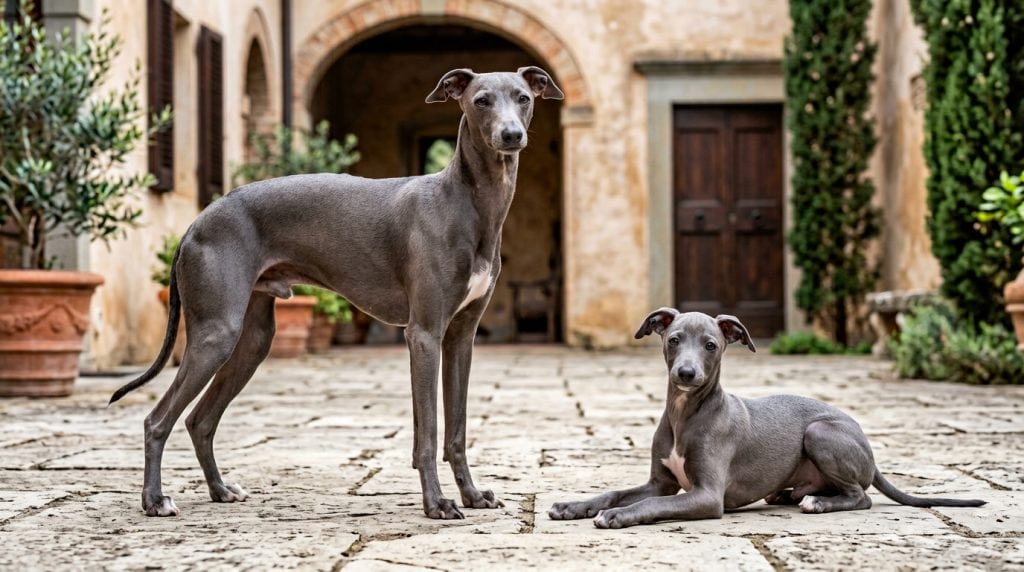
Living with an Italian Greyhound often feels like sharing your space with a gentle, elegant companion. Their delicate frame and graceful movements are matched by a sensitive and affectionate nature. Many owners find that these dogs thrive on human connection, often seeking out a warm lap or a sunny spot to relax in, making them a delightful presence in a calm household.
At a glance
Core care
- Size: Small
- Energy: Moderate to high
- Grooming: Low
- Shedding: Low
Support style
- Sensitivity: High
- Training style: Willing
Breed guide
Choose a section to explore. These notes describe common patterns, but individual dogs vary widely.
The Italian Greyhound’s history as a companion dates back thousands of years, with origins in the Mediterranean regions where they were cherished by nobility. This long-standing role as a close companion is evident in their modern-day behaviour, as they often form strong bonds with their families. Their past as a cherished pet influences their gentle and affectionate nature, making them well-suited to being a loyal household member.
Physically, the Italian Greyhound is small and slender, with a fine-boned structure that gives them a distinctive, elegant appearance. This build means they are agile and quick, often surprising owners with their bursts of speed during play. However, their delicate frame also requires some care to prevent injury, particularly in energetic environments. Many owners appreciate their low-shedding coat, which requires minimal grooming, adding to their appeal as a low-maintenance pet.
In terms of temperament, Italian Greyhounds are known for their sensitivity and affection. They often thrive in environments where they receive plenty of attention and gentle handling. Their sensitive nature means they can be quite attuned to the emotions of those around them, often seeking comfort in close proximity to their human companions. While generally friendly, individual dogs may vary in their social preferences, with some being more reserved around strangers.
It’s important for potential owners to understand that while breed traits provide a general guide, each Italian Greyhound is an individual. Factors such as genetics, early socialisation, and daily experiences all play a role in shaping their personality and behaviour. Prospective owners should be prepared for a dog that, while generally affectionate and gentle, may have unique quirks and needs.
Italian Greyhounds are often described as sensitive and affectionate, traits that are deeply rooted in their history as companion animals. This breed tends to form strong bonds with their families, often preferring to be close to their human companions. Owners frequently notice their Italian Greyhounds following them from room to room, always eager to be part of the household activities. This social nature means they often do best in homes where they are not left alone for long periods.
Their sensitivity extends to their environment as well. Italian Greyhounds are known to be quite perceptive, often picking up on the moods and emotions of those around them. This can make them particularly attuned to changes in their surroundings, and they may seek comfort in familiar routines and spaces. Their gentle nature means they typically respond well to calm, positive interactions, and they may become anxious in chaotic or loud environments.
Training an Italian Greyhound can be a rewarding experience due to their willingness to please. They often respond well to positive reinforcement methods, enjoying the process of learning new commands and tricks. However, their sensitive nature means that harsh training methods can be counterproductive, potentially leading to fear or anxiety. Consistency and patience are key, as is understanding that each dog may have its own pace and learning style.
Overall, Italian Greyhounds are known for their affectionate and sensitive demeanour, making them well-suited to homes where they can be an integral part of the family. While they generally enjoy social interactions, individual dogs may vary in their comfort levels with new people or environments. Understanding and respecting these tendencies can help ensure a harmonious relationship with this elegant breed.
A typical day for an Italian Greyhound involves a balance of gentle exercise and plenty of relaxation. While they have bursts of energy and enjoy a good sprint, their exercise needs are moderate compared to more active breeds. Short, brisk walks or play sessions in a secure area are usually sufficient to keep them happy and healthy. Owners often find that these dogs enjoy a mix of physical activity and mental stimulation, such as puzzle toys or interactive games.
It’s important to remember that Italian Greyhounds have delicate bones, so exercise should be carefully managed to prevent injuries. They thrive in environments where they can explore safely, without the risk of rough play that might occur with larger dogs. As they age, their exercise needs may decrease, but maintaining a routine that includes gentle activity is important for their overall health and wellbeing.
Mental enrichment is just as important as physical exercise for this breed. Italian Greyhounds are intelligent and enjoy engaging activities that challenge their minds. Owners can incorporate training sessions, scent games, or even agility exercises tailored to their size to keep them mentally stimulated. These activities not only provide enrichment but also strengthen the bond between dog and owner.
While Italian Greyhounds enjoy their bursts of activity, they also appreciate downtime and are known for their love of lounging in comfortable spots. Owners often notice their dogs seeking out sunny patches or cosy blankets to curl up in. Understanding this balance between activity and rest is key to meeting the needs of this elegant breed, ensuring they remain content and healthy throughout their lives.
Training an Italian Greyhound often feels like a collaborative process, where the dog’s willingness to learn is matched by the owner’s patience and understanding. These dogs are generally eager to please and respond well to positive reinforcement techniques. Many owners find that using treats and praise encourages their Italian Greyhound to engage enthusiastically in training sessions.
Given their sensitive nature, Italian Greyhounds benefit from a gentle and consistent approach. Harsh training methods or raised voices can easily unsettle them, leading to anxiety or reluctance to participate. Instead, a calm and patient demeanor helps build trust and encourages a positive learning environment. Consistency is key, as these dogs thrive on routine and clear expectations.
Adolescence can be a challenging time for any dog, and Italian Greyhounds are no exception. During this stage, they may test boundaries and exhibit behaviours that require extra guidance. Owners often find that maintaining a structured routine and reinforcing basic commands helps navigate this period smoothly. It’s also an ideal time to focus on impulse control exercises, which can be beneficial throughout their lives.
The bond between an Italian Greyhound and their owner is crucial in the training process. Building a strong relationship based on trust and mutual respect enhances communication and makes training more effective. Owners who invest time in understanding their dog’s unique personality and learning style often find that training becomes a rewarding and enjoyable experience for both parties.
Italian Greyhounds tend to thrive in calm, loving environments where they can be close to their human companions. Their small size and gentle nature make them well-suited to apartment living, provided they receive regular exercise and mental stimulation. Many owners find that these dogs adapt well to indoor living, often seeking out cosy spots to relax in.
Their sensitivity to temperature means that Italian Greyhounds may be more comfortable in homes where they can be protected from extreme weather conditions. They often appreciate having a wardrobe of doggy jumpers or coats to keep them warm during colder months. This breed’s preference for warmth and comfort often leads them to snuggle under blankets or bask in sunny spots.
When it comes to living with children and other pets, Italian Greyhounds can be quite adaptable. They are generally gentle and affectionate, making them good companions for older children who understand how to interact respectfully with dogs. However, their delicate frame means they may not be the best match for very young children who may not yet have learned how to handle pets gently.
Ultimately, the Italian Greyhound is a breed that thrives on companionship and routine. They do best in homes where they are not left alone for long periods and where they can be an integral part of the family. Understanding their need for warmth, comfort, and gentle interaction can help ensure a harmonious fit with this elegant and sensitive breed.
The everyday wellbeing of an Italian Greyhound is closely linked to their overall health, which requires regular attention and care. This breed is known for its delicate frame, which makes them prone to certain injuries, particularly fractures. Owners need to be mindful of their dog’s environment, ensuring it is safe and free from hazards that could lead to accidents.
Italian Greyhounds may also be prone to dental issues, so regular dental care is essential. Owners should incorporate tooth brushing into their routine to prevent tartar build-up and gum disease. Regular veterinary check-ups can help monitor their dental health and address any issues early on.
Preventive care is crucial for maintaining the health of an Italian Greyhound. This includes regular vaccinations, parasite control, and monitoring for any signs of illness. Owners should be vigilant for symptoms such as changes in appetite, behaviour, or energy levels, and seek veterinary advice if any concerns arise.
While Italian Greyhounds can be prone to certain health issues, many live long, healthy lives with proper care. Understanding the specific needs of this breed and working closely with a veterinarian can help ensure that any potential health concerns are managed effectively, allowing these elegant dogs to enjoy a high quality of life.
The Italian Greyhound’s history is rich and storied, with roots tracing back to ancient Mediterranean cultures. These dogs were highly prized by nobility and royalty, often depicted in art and literature as symbols of elegance and refinement. Their role as cherished companions is evident in their gentle and affectionate nature, which has been cultivated over centuries.
Originally bred for companionship rather than work, Italian Greyhounds were favoured for their small size and graceful appearance. Their delicate frame and elegant movements made them popular in royal courts, where they were often seen as status symbols. This historical context helps explain their modern-day preference for comfort and close human interaction.
The breed’s development over time has maintained their distinctive characteristics, including their slender build and sensitive temperament. Italian Greyhounds were selectively bred to enhance their companionable qualities, resulting in a dog that thrives on human connection and enjoys being part of a family unit. Their history as lapdogs is reflected in their love of warmth and comfort, often seeking out cosy spots to relax.
Today, the Italian Greyhound continues to be a beloved companion, cherished for their affectionate nature and elegant presence. Their historical role as a close companion to humans is evident in their behaviour, making them a popular choice for those seeking a gentle and devoted pet. Understanding their rich history provides valuable insight into the traits and tendencies that make this breed so unique.
What shapes individual dogs
- Early social experiences
- Training approach
- Environment & routine
- Genetics & breeding
- Health & pain
- Age / life stage
The Italian Greyhound’s history as a companion dates back thousands of years, with origins in the Mediterranean regions where they were cherished by nobility. This long-standing role as a close companion is evident in their modern-day behaviour, as they often form strong bonds with their families. Their past as a cherished pet influences their gentle and affectionate nature, making them well-suited to being a loyal household member.
Physically, the Italian Greyhound is small and slender, with a fine-boned structure that gives them a distinctive, elegant appearance. This build means they are agile and quick, often surprising owners with their bursts of speed during play. However, their delicate frame also requires some care to prevent injury, particularly in energetic environments. Many owners appreciate their low-shedding coat, which requires minimal grooming, adding to their appeal as a low-maintenance pet.
In terms of temperament, Italian Greyhounds are known for their sensitivity and affection. They often thrive in environments where they receive plenty of attention and gentle handling. Their sensitive nature means they can be quite attuned to the emotions of those around them, often seeking comfort in close proximity to their human companions. While generally friendly, individual dogs may vary in their social preferences, with some being more reserved around strangers.
It’s important for potential owners to understand that while breed traits provide a general guide, each Italian Greyhound is an individual. Factors such as genetics, early socialisation, and daily experiences all play a role in shaping their personality and behaviour. Prospective owners should be prepared for a dog that, while generally affectionate and gentle, may have unique quirks and needs.
Italian Greyhounds are often described as sensitive and affectionate, traits that are deeply rooted in their history as companion animals. This breed tends to form strong bonds with their families, often preferring to be close to their human companions. Owners frequently notice their Italian Greyhounds following them from room to room, always eager to be part of the household activities. This social nature means they often do best in homes where they are not left alone for long periods.
Their sensitivity extends to their environment as well. Italian Greyhounds are known to be quite perceptive, often picking up on the moods and emotions of those around them. This can make them particularly attuned to changes in their surroundings, and they may seek comfort in familiar routines and spaces. Their gentle nature means they typically respond well to calm, positive interactions, and they may become anxious in chaotic or loud environments.
Training an Italian Greyhound can be a rewarding experience due to their willingness to please. They often respond well to positive reinforcement methods, enjoying the process of learning new commands and tricks. However, their sensitive nature means that harsh training methods can be counterproductive, potentially leading to fear or anxiety. Consistency and patience are key, as is understanding that each dog may have its own pace and learning style.
Overall, Italian Greyhounds are known for their affectionate and sensitive demeanour, making them well-suited to homes where they can be an integral part of the family. While they generally enjoy social interactions, individual dogs may vary in their comfort levels with new people or environments. Understanding and respecting these tendencies can help ensure a harmonious relationship with this elegant breed.
A typical day for an Italian Greyhound involves a balance of gentle exercise and plenty of relaxation. While they have bursts of energy and enjoy a good sprint, their exercise needs are moderate compared to more active breeds. Short, brisk walks or play sessions in a secure area are usually sufficient to keep them happy and healthy. Owners often find that these dogs enjoy a mix of physical activity and mental stimulation, such as puzzle toys or interactive games.
It’s important to remember that Italian Greyhounds have delicate bones, so exercise should be carefully managed to prevent injuries. They thrive in environments where they can explore safely, without the risk of rough play that might occur with larger dogs. As they age, their exercise needs may decrease, but maintaining a routine that includes gentle activity is important for their overall health and wellbeing.
Mental enrichment is just as important as physical exercise for this breed. Italian Greyhounds are intelligent and enjoy engaging activities that challenge their minds. Owners can incorporate training sessions, scent games, or even agility exercises tailored to their size to keep them mentally stimulated. These activities not only provide enrichment but also strengthen the bond between dog and owner.
While Italian Greyhounds enjoy their bursts of activity, they also appreciate downtime and are known for their love of lounging in comfortable spots. Owners often notice their dogs seeking out sunny patches or cosy blankets to curl up in. Understanding this balance between activity and rest is key to meeting the needs of this elegant breed, ensuring they remain content and healthy throughout their lives.
Training an Italian Greyhound often feels like a collaborative process, where the dog’s willingness to learn is matched by the owner’s patience and understanding. These dogs are generally eager to please and respond well to positive reinforcement techniques. Many owners find that using treats and praise encourages their Italian Greyhound to engage enthusiastically in training sessions.
Given their sensitive nature, Italian Greyhounds benefit from a gentle and consistent approach. Harsh training methods or raised voices can easily unsettle them, leading to anxiety or reluctance to participate. Instead, a calm and patient demeanor helps build trust and encourages a positive learning environment. Consistency is key, as these dogs thrive on routine and clear expectations.
Adolescence can be a challenging time for any dog, and Italian Greyhounds are no exception. During this stage, they may test boundaries and exhibit behaviours that require extra guidance. Owners often find that maintaining a structured routine and reinforcing basic commands helps navigate this period smoothly. It’s also an ideal time to focus on impulse control exercises, which can be beneficial throughout their lives.
The bond between an Italian Greyhound and their owner is crucial in the training process. Building a strong relationship based on trust and mutual respect enhances communication and makes training more effective. Owners who invest time in understanding their dog’s unique personality and learning style often find that training becomes a rewarding and enjoyable experience for both parties.
Italian Greyhounds tend to thrive in calm, loving environments where they can be close to their human companions. Their small size and gentle nature make them well-suited to apartment living, provided they receive regular exercise and mental stimulation. Many owners find that these dogs adapt well to indoor living, often seeking out cosy spots to relax in.
Their sensitivity to temperature means that Italian Greyhounds may be more comfortable in homes where they can be protected from extreme weather conditions. They often appreciate having a wardrobe of doggy jumpers or coats to keep them warm during colder months. This breed’s preference for warmth and comfort often leads them to snuggle under blankets or bask in sunny spots.
When it comes to living with children and other pets, Italian Greyhounds can be quite adaptable. They are generally gentle and affectionate, making them good companions for older children who understand how to interact respectfully with dogs. However, their delicate frame means they may not be the best match for very young children who may not yet have learned how to handle pets gently.
Ultimately, the Italian Greyhound is a breed that thrives on companionship and routine. They do best in homes where they are not left alone for long periods and where they can be an integral part of the family. Understanding their need for warmth, comfort, and gentle interaction can help ensure a harmonious fit with this elegant and sensitive breed.
The everyday wellbeing of an Italian Greyhound is closely linked to their overall health, which requires regular attention and care. This breed is known for its delicate frame, which makes them prone to certain injuries, particularly fractures. Owners need to be mindful of their dog’s environment, ensuring it is safe and free from hazards that could lead to accidents.
Italian Greyhounds may also be prone to dental issues, so regular dental care is essential. Owners should incorporate tooth brushing into their routine to prevent tartar build-up and gum disease. Regular veterinary check-ups can help monitor their dental health and address any issues early on.
Preventive care is crucial for maintaining the health of an Italian Greyhound. This includes regular vaccinations, parasite control, and monitoring for any signs of illness. Owners should be vigilant for symptoms such as changes in appetite, behaviour, or energy levels, and seek veterinary advice if any concerns arise.
While Italian Greyhounds can be prone to certain health issues, many live long, healthy lives with proper care. Understanding the specific needs of this breed and working closely with a veterinarian can help ensure that any potential health concerns are managed effectively, allowing these elegant dogs to enjoy a high quality of life.
The Italian Greyhound’s history is rich and storied, with roots tracing back to ancient Mediterranean cultures. These dogs were highly prized by nobility and royalty, often depicted in art and literature as symbols of elegance and refinement. Their role as cherished companions is evident in their gentle and affectionate nature, which has been cultivated over centuries.
Originally bred for companionship rather than work, Italian Greyhounds were favoured for their small size and graceful appearance. Their delicate frame and elegant movements made them popular in royal courts, where they were often seen as status symbols. This historical context helps explain their modern-day preference for comfort and close human interaction.
The breed’s development over time has maintained their distinctive characteristics, including their slender build and sensitive temperament. Italian Greyhounds were selectively bred to enhance their companionable qualities, resulting in a dog that thrives on human connection and enjoys being part of a family unit. Their history as lapdogs is reflected in their love of warmth and comfort, often seeking out cosy spots to relax.
Today, the Italian Greyhound continues to be a beloved companion, cherished for their affectionate nature and elegant presence. Their historical role as a close companion to humans is evident in their behaviour, making them a popular choice for those seeking a gentle and devoted pet. Understanding their rich history provides valuable insight into the traits and tendencies that make this breed so unique.
What shapes individual dogs
- Early social experiences
- Training approach
- Environment & routine
- Genetics & breeding
- Health & pain
- Age / life stage
Want support with this?
This course is ideal for Italian Greyhound owners looking to deepen their understanding of their dog's sensitive and affectionate nature.