
Irish Water Spaniel
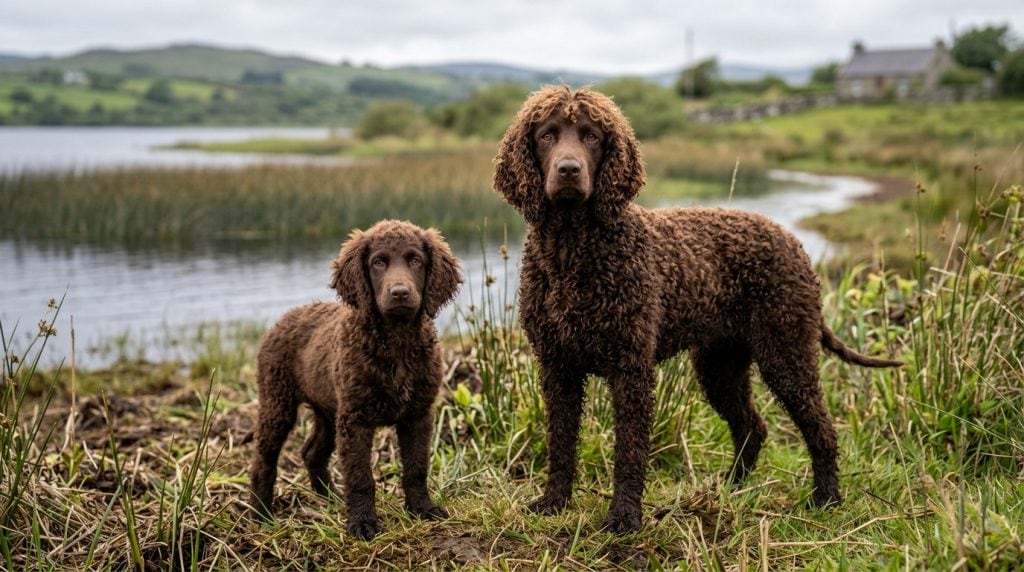
Irish Water Spaniels are lively and affectionate companions known for their distinctive curly coats and enthusiasm for activity. Bred as water-retrieving gundogs, they tend to enjoy being involved in outdoor adventures and family routines alike. Many owners appreciate their playful nature and the strong bond they form with their people, often staying close by and ready to join in whatever the day brings.
At a glance
Core care
- Size: Medium
- Energy: High
- Grooming: Low
- Shedding: Low
Support style
- Sensitivity: Moderate
- Training style: Willing
Breed guide
Choose a section to explore. These notes describe common patterns, but individual dogs vary widely.
The Irish Water Spaniel has a long history as a working gundog in Ireland, where it was developed primarily for retrieving waterfowl. Hunters relied on these dogs to work confidently in lakes, rivers, and marshes, retrieving birds from cold water and difficult terrain. This background explains the breed’s natural enthusiasm for swimming and its energetic, task-oriented temperament.
Physically, the Irish Water Spaniel is easily recognised by its dense, tightly curled coat, which provides protection from water and harsh weather conditions. Their coat is naturally water-resistant and sheds relatively little, though it requires regular grooming to maintain its texture and prevent matting. Their athletic build supports the stamina and strength needed for active outdoor work.
Temperamentally, Irish Water Spaniels are often described as intelligent, playful, and deeply attached to their families. They tend to enjoy being involved in daily activities and often thrive when given opportunities to use both their physical energy and mental abilities. Many owners also notice the breed’s lively sense of humour, sometimes referred to as a “clownish” personality.
Because of their history as working retrievers, Irish Water Spaniels often benefit from structured activity and engagement. Training, dog sports, and outdoor exploration can help satisfy their curiosity and enthusiasm. As with all breeds, individual personalities vary depending on genetics, early experiences, and the environment in which the dog is raised.
Irish Water Spaniels are known for their sociable and playful nature, often forming strong bonds with their families. They thrive on interaction and can be seen following their owners around the house, eager to participate in daily activities. This social drive is rooted in their history as working dogs, where cooperation and companionship were essential.
Their moderate sensitivity means they are generally responsive to their environment and the emotions of their human companions. This can make them quite intuitive, often seeming to understand the mood of the household. Owners often notice that their Irish Water Spaniel is quick to offer comfort or companionship when needed, making them a valued member of the family.
Trainability is another hallmark of the breed. Irish Water Spaniels are typically willing learners, responding well to positive reinforcement and consistent training methods. Their intelligence means they can pick up new commands quickly, though they may occasionally test boundaries, especially during adolescence. Patience and consistency are key to nurturing their cooperative nature.
Despite these tendencies, individual dogs will vary. Some Irish Water Spaniels may be more independent, while others might be particularly clingy. Understanding and embracing these differences is part of the joy of living with this breed. By appreciating their unique personalities, owners can foster a strong and rewarding relationship with their Irish Water Spaniel.
A typical day for an Irish Water Spaniel involves plenty of activity, reflecting their high energy levels. Owners often find that their dog thrives with a mix of physical exercise and mental challenges. Long walks, play sessions, and opportunities to swim are all excellent ways to keep them engaged and happy.
Physical exercise is crucial for this breed, and they often enjoy activities that allow them to stretch their legs and explore. Regular walks, ideally in varied environments, can help satisfy their curiosity and need for movement. Many owners also find that their Irish Water Spaniel enjoys agility or obedience training, which provides both physical and mental stimulation.
Mental enrichment is equally important. Puzzle toys, training games, and interactive play can help keep their minds sharp and prevent boredom. Given their working background, they often appreciate tasks that involve problem-solving or learning new skills. This can be as simple as teaching them new tricks or as involved as participating in dog sports.
As they age, their exercise needs may change. Older Irish Water Spaniels might require less intense activity but will still benefit from regular walks and gentle play. It’s important for owners to adjust their routines to accommodate their dog’s changing needs, ensuring they remain active and healthy throughout their life.
Training an Irish Water Spaniel can be a rewarding experience, often characterised by their eagerness to learn and please. Owners typically find that these dogs respond well to positive reinforcement techniques, such as treats, praise, and play. This approach helps build a strong bond and encourages their natural willingness to cooperate.
Impulse control can be a challenge, particularly during their adolescent phase. Irish Water Spaniels are curious and energetic, which can sometimes lead to mischievous behaviour if not channelled appropriately. Consistent training and setting clear boundaries are essential to help them understand what is expected.
The breed’s intelligence means they often excel in structured training environments. Many owners find success in enrolling their dogs in obedience classes or participating in dog sports, which can provide a structured outlet for their energy and intelligence. These activities not only improve their skills but also strengthen the relationship between dog and owner.
Consistency and patience are key when training an Irish Water Spaniel. While they are generally willing learners, each dog is unique and may progress at their own pace. Understanding their individual needs and adapting training methods accordingly can help ensure a positive and successful training experience.
Irish Water Spaniels tend to do well in homes where they have plenty of space to move and explore. Their energetic nature means they often thrive in environments where they can have regular access to outdoor activities. Many owners find that a home with a secure garden or nearby parks suits this breed well.
Living with children and other pets can work well, as long as introductions are handled thoughtfully. Irish Water Spaniels are generally good-natured and enjoy playtime, making them suitable companions for families. However, their energy levels mean that supervision is important to ensure play remains safe and enjoyable for everyone involved.
This breed often adapts well to various living situations, provided their exercise and mental stimulation needs are met. Whether in a rural setting or a more urban environment, the key is ensuring they have opportunities to burn off energy and engage with their surroundings.
Ultimately, the Irish Water Spaniel is a versatile breed that can fit into many different lifestyles. Prospective owners should consider their ability to meet the breed’s exercise and grooming needs and be prepared for a lively and loving companion who thrives on interaction and activity.
The health and wellbeing of an Irish Water Spaniel are closely connected to responsible breeding practices and attentive everyday care. Regular veterinary check-ups play an important role in monitoring their overall health and identifying potential concerns early. Preventive healthcare, including vaccinations, parasite control, and dental care, supports long-term wellbeing.
Some health considerations occasionally associated with the breed include hip dysplasia, which can affect joint mobility in some dogs. Certain endocrine conditions, including hypothyroidism, have also been reported within the breed. Responsible breeders often monitor these conditions carefully when planning breeding programmes.
Because Irish Water Spaniels frequently enjoy swimming and have long, floppy ears, ear infections can occasionally occur if moisture becomes trapped in the ear canal. Regular ear checks and proper drying after water activities can help reduce this risk.
Maintaining a healthy body weight, providing regular exercise, and ensuring consistent veterinary care all contribute to the breed’s overall wellbeing. Owners who remain attentive to changes in behaviour, mobility, appetite, or energy levels can help identify potential concerns early and seek veterinary guidance when needed.
With attentive care and responsible breeding practices, many Irish Water Spaniels live active and healthy lives as energetic companions.
The Irish Water Spaniel’s history is deeply rooted in its role as a working gundog, specifically bred for retrieving game from water. Originating in Ireland, this breed was developed to work in challenging conditions, requiring both stamina and a water-resistant coat. Their ability to work tirelessly in water has shaped their modern-day love for swimming and active play.
The breed’s development involved selecting dogs with the desired traits of intelligence, agility, and a strong work ethic. These qualities have been preserved over generations, resulting in a breed that is both capable and eager to please. Their distinctive curly coat not only provided protection from the elements but also became one of their most recognisable features.
Throughout history, the Irish Water Spaniel has been valued for its versatility and adaptability. These traits have allowed them to transition from working dogs to beloved family companions. Their intelligence and willingness to learn have made them popular in various dog sports and activities, showcasing their enduring skills and trainability.
Today, the Irish Water Spaniel is appreciated not only for its historical significance but also for its unique personality and capabilities. Understanding their origins helps owners appreciate the breed’s natural tendencies and provides insight into their behaviour and needs. This connection to their past enriches the experience of living with an Irish Water Spaniel, offering a deeper appreciation for their character and charm.
What shapes individual dogs
- Early social experiences
- Training approach
- Environment & routine
- Genetics & breeding
- Health & pain
- Age / life stage
The Irish Water Spaniel has a long history as a working gundog in Ireland, where it was developed primarily for retrieving waterfowl. Hunters relied on these dogs to work confidently in lakes, rivers, and marshes, retrieving birds from cold water and difficult terrain. This background explains the breed’s natural enthusiasm for swimming and its energetic, task-oriented temperament.
Physically, the Irish Water Spaniel is easily recognised by its dense, tightly curled coat, which provides protection from water and harsh weather conditions. Their coat is naturally water-resistant and sheds relatively little, though it requires regular grooming to maintain its texture and prevent matting. Their athletic build supports the stamina and strength needed for active outdoor work.
Temperamentally, Irish Water Spaniels are often described as intelligent, playful, and deeply attached to their families. They tend to enjoy being involved in daily activities and often thrive when given opportunities to use both their physical energy and mental abilities. Many owners also notice the breed’s lively sense of humour, sometimes referred to as a “clownish” personality.
Because of their history as working retrievers, Irish Water Spaniels often benefit from structured activity and engagement. Training, dog sports, and outdoor exploration can help satisfy their curiosity and enthusiasm. As with all breeds, individual personalities vary depending on genetics, early experiences, and the environment in which the dog is raised.
Irish Water Spaniels are known for their sociable and playful nature, often forming strong bonds with their families. They thrive on interaction and can be seen following their owners around the house, eager to participate in daily activities. This social drive is rooted in their history as working dogs, where cooperation and companionship were essential.
Their moderate sensitivity means they are generally responsive to their environment and the emotions of their human companions. This can make them quite intuitive, often seeming to understand the mood of the household. Owners often notice that their Irish Water Spaniel is quick to offer comfort or companionship when needed, making them a valued member of the family.
Trainability is another hallmark of the breed. Irish Water Spaniels are typically willing learners, responding well to positive reinforcement and consistent training methods. Their intelligence means they can pick up new commands quickly, though they may occasionally test boundaries, especially during adolescence. Patience and consistency are key to nurturing their cooperative nature.
Despite these tendencies, individual dogs will vary. Some Irish Water Spaniels may be more independent, while others might be particularly clingy. Understanding and embracing these differences is part of the joy of living with this breed. By appreciating their unique personalities, owners can foster a strong and rewarding relationship with their Irish Water Spaniel.
A typical day for an Irish Water Spaniel involves plenty of activity, reflecting their high energy levels. Owners often find that their dog thrives with a mix of physical exercise and mental challenges. Long walks, play sessions, and opportunities to swim are all excellent ways to keep them engaged and happy.
Physical exercise is crucial for this breed, and they often enjoy activities that allow them to stretch their legs and explore. Regular walks, ideally in varied environments, can help satisfy their curiosity and need for movement. Many owners also find that their Irish Water Spaniel enjoys agility or obedience training, which provides both physical and mental stimulation.
Mental enrichment is equally important. Puzzle toys, training games, and interactive play can help keep their minds sharp and prevent boredom. Given their working background, they often appreciate tasks that involve problem-solving or learning new skills. This can be as simple as teaching them new tricks or as involved as participating in dog sports.
As they age, their exercise needs may change. Older Irish Water Spaniels might require less intense activity but will still benefit from regular walks and gentle play. It’s important for owners to adjust their routines to accommodate their dog’s changing needs, ensuring they remain active and healthy throughout their life.
Training an Irish Water Spaniel can be a rewarding experience, often characterised by their eagerness to learn and please. Owners typically find that these dogs respond well to positive reinforcement techniques, such as treats, praise, and play. This approach helps build a strong bond and encourages their natural willingness to cooperate.
Impulse control can be a challenge, particularly during their adolescent phase. Irish Water Spaniels are curious and energetic, which can sometimes lead to mischievous behaviour if not channelled appropriately. Consistent training and setting clear boundaries are essential to help them understand what is expected.
The breed’s intelligence means they often excel in structured training environments. Many owners find success in enrolling their dogs in obedience classes or participating in dog sports, which can provide a structured outlet for their energy and intelligence. These activities not only improve their skills but also strengthen the relationship between dog and owner.
Consistency and patience are key when training an Irish Water Spaniel. While they are generally willing learners, each dog is unique and may progress at their own pace. Understanding their individual needs and adapting training methods accordingly can help ensure a positive and successful training experience.
Irish Water Spaniels tend to do well in homes where they have plenty of space to move and explore. Their energetic nature means they often thrive in environments where they can have regular access to outdoor activities. Many owners find that a home with a secure garden or nearby parks suits this breed well.
Living with children and other pets can work well, as long as introductions are handled thoughtfully. Irish Water Spaniels are generally good-natured and enjoy playtime, making them suitable companions for families. However, their energy levels mean that supervision is important to ensure play remains safe and enjoyable for everyone involved.
This breed often adapts well to various living situations, provided their exercise and mental stimulation needs are met. Whether in a rural setting or a more urban environment, the key is ensuring they have opportunities to burn off energy and engage with their surroundings.
Ultimately, the Irish Water Spaniel is a versatile breed that can fit into many different lifestyles. Prospective owners should consider their ability to meet the breed’s exercise and grooming needs and be prepared for a lively and loving companion who thrives on interaction and activity.
The health and wellbeing of an Irish Water Spaniel are closely connected to responsible breeding practices and attentive everyday care. Regular veterinary check-ups play an important role in monitoring their overall health and identifying potential concerns early. Preventive healthcare, including vaccinations, parasite control, and dental care, supports long-term wellbeing.
Some health considerations occasionally associated with the breed include hip dysplasia, which can affect joint mobility in some dogs. Certain endocrine conditions, including hypothyroidism, have also been reported within the breed. Responsible breeders often monitor these conditions carefully when planning breeding programmes.
Because Irish Water Spaniels frequently enjoy swimming and have long, floppy ears, ear infections can occasionally occur if moisture becomes trapped in the ear canal. Regular ear checks and proper drying after water activities can help reduce this risk.
Maintaining a healthy body weight, providing regular exercise, and ensuring consistent veterinary care all contribute to the breed’s overall wellbeing. Owners who remain attentive to changes in behaviour, mobility, appetite, or energy levels can help identify potential concerns early and seek veterinary guidance when needed.
With attentive care and responsible breeding practices, many Irish Water Spaniels live active and healthy lives as energetic companions.
The Irish Water Spaniel’s history is deeply rooted in its role as a working gundog, specifically bred for retrieving game from water. Originating in Ireland, this breed was developed to work in challenging conditions, requiring both stamina and a water-resistant coat. Their ability to work tirelessly in water has shaped their modern-day love for swimming and active play.
The breed’s development involved selecting dogs with the desired traits of intelligence, agility, and a strong work ethic. These qualities have been preserved over generations, resulting in a breed that is both capable and eager to please. Their distinctive curly coat not only provided protection from the elements but also became one of their most recognisable features.
Throughout history, the Irish Water Spaniel has been valued for its versatility and adaptability. These traits have allowed them to transition from working dogs to beloved family companions. Their intelligence and willingness to learn have made them popular in various dog sports and activities, showcasing their enduring skills and trainability.
Today, the Irish Water Spaniel is appreciated not only for its historical significance but also for its unique personality and capabilities. Understanding their origins helps owners appreciate the breed’s natural tendencies and provides insight into their behaviour and needs. This connection to their past enriches the experience of living with an Irish Water Spaniel, offering a deeper appreciation for their character and charm.
What shapes individual dogs
- Early social experiences
- Training approach
- Environment & routine
- Genetics & breeding
- Health & pain
- Age / life stage
Want support with this?
This course is ideal for owners looking to deepen their understanding of the Irish Water Spaniel's complex temperament and social nature.