
Irish Terrier
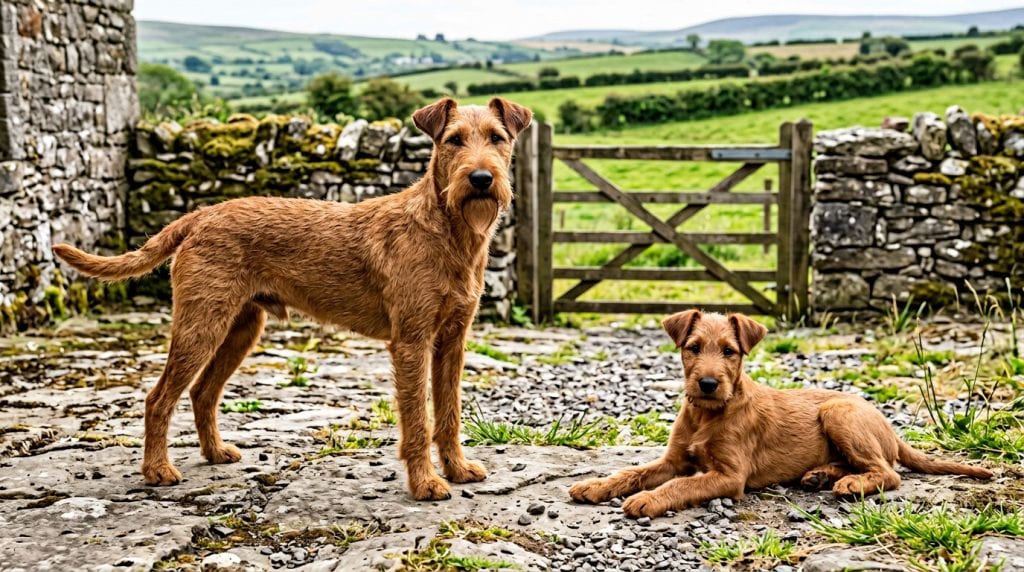
Living with an Irish Terrier often means embracing their spirited and adventurous nature. They are known for their bold personality and loyalty, which can make them both charming companions and vigilant watchdogs. Owners frequently find that these dogs bring a lively energy to the home, always ready for the next activity or challenge.
At a glance
Core care
- Size: Medium
- Energy: High
- Grooming: Low
- Shedding: Low
Support style
- Sensitivity: Moderate
- Training style: Independent
Breed guide
Choose a section to explore. These notes describe common patterns, but individual dogs vary widely.
The Irish Terrier has its roots firmly planted in the working dog world, originally bred in Ireland for hunting and guarding purposes. This background has shaped them into a breed that is both courageous and independent, traits that are still very much evident today. Many owners appreciate their fearless nature and the strong bond they form with their families, often displaying a keen sense of loyalty and protectiveness.
Physically, the Irish Terrier is a medium-sized dog with a wiry, dense coat that offers protection from the elements. This practical coat means they are well-suited to various weather conditions, making them versatile companions for outdoor adventures. Their athletic build and agile movements are a testament to their working heritage, allowing them to excel in activities that require speed and endurance.
Temperamentally, the Irish Terrier is known for its spirited and sometimes mischievous personality. They are often described as being full of life and energy, which can be both entertaining and challenging for owners. While they are generally affectionate with their families, they may exhibit a more reserved demeanor with strangers, reflecting their natural guarding instincts. It’s not uncommon for them to display a bit of stubbornness, a trait that can be managed with consistent training and socialization.
As with any breed, individual Irish Terriers can vary in their behavior and temperament. While some may be more laid-back, others might exhibit a higher level of energy and drive. Prospective owners should be prepared for a dog that thrives on interaction and mental stimulation, understanding that each dog will have its unique personality and needs.
Irish Terriers are often noted for their bold and confident demeanor, which can be both a delight and a challenge for owners. This breed tends to be very social with their families, often forming close bonds and enjoying being part of the daily routine. Their independent nature, however, means they may not always be the most obedient, requiring a patient and understanding approach to training.
Their social motivations are deeply rooted in their history as working dogs, where they needed to be both independent and cooperative. This balance is reflected in their interactions with people and other animals. While they are generally friendly, they may exhibit a degree of wariness around strangers, a trait that makes them effective watchdogs.
Owners often notice that Irish Terriers have a moderate level of sensitivity, which means they can be quite attuned to the moods and emotions of their human companions. This sensitivity can be a double-edged sword; while it allows them to be empathetic companions, it also means they may react strongly to negative experiences or harsh training methods. Positive reinforcement and gentle guidance tend to yield the best results.
Despite their sometimes independent streak, Irish Terriers can be quite trainable when approached with consistency and patience. They thrive in environments where they are given clear boundaries and plenty of mental stimulation. Understanding their unique temperament can help owners foster a strong, trusting relationship, allowing these spirited dogs to thrive as part of the family.
A typical day for an Irish Terrier involves plenty of activity and engagement. These high-energy dogs thrive on regular exercise, which often includes long walks, play sessions, and opportunities to explore new environments. Owners often find that their Irish Terrier enjoys a variety of activities, from chasing a ball in the garden to accompanying them on hikes or runs.
Physical exercise is crucial for this breed, but mental enrichment is equally important. Irish Terriers are intelligent dogs that benefit from tasks that challenge their minds. Puzzle toys, training games, and interactive play can help keep them mentally stimulated and prevent boredom. Engaging their problem-solving skills is a great way to tire them out and satisfy their natural curiosity.
As with any dog, the exercise needs of an Irish Terrier can change as they age. While puppies may require shorter, more frequent bursts of activity, adult dogs often enjoy longer, more sustained exercise sessions. Older dogs may slow down a bit but still appreciate regular walks and gentle play. Adapting their routine to their life stage helps maintain their health and happiness.
It’s important to avoid over-exercising young puppies, as their growing joints can be susceptible to injury. Similarly, ensuring that exercise is varied and not overly repetitive can help prevent injuries in adult dogs. Owners should be mindful of their dog’s limits and adjust their routine as needed, ensuring that their Irish Terrier remains a happy, healthy, and well-balanced companion.
Training an Irish Terrier can feel like a rewarding challenge for many owners. These dogs are known for their independent nature, which means training requires patience and consistency. While they are intelligent and capable learners, they may not always be eager to follow commands, especially if they don’t see the point. Building a strong relationship based on trust and mutual respect is key.
Positive reinforcement techniques tend to work well with this breed. Using treats, praise, and play as rewards can motivate an Irish Terrier to engage in training. It’s important to keep sessions short and engaging, as these dogs can become bored with repetitive tasks. Variety and creativity in training can help maintain their interest and enthusiasm.
Adolescence can be a particularly challenging time, as Irish Terriers may test boundaries and exhibit more stubborn behaviour. Consistency in training and maintaining clear rules can help navigate this phase. Socialization is also crucial during this period, helping them learn how to interact appropriately with other dogs and people.
Owners often find that a calm and patient approach yields the best results. Harsh training methods or a lack of consistency can lead to frustration for both the dog and owner. By focusing on building a positive relationship and understanding their unique needs, owners can guide their Irish Terrier to become a well-mannered and confident companion.
The Irish Terrier’s lively and energetic nature means they often fit well into active households. They thrive in environments where they have plenty of opportunities for exercise and mental stimulation. A home with a secure garden can provide a great space for play and exploration, allowing them to burn off energy in a safe environment.
While they are adaptable to various living situations, including urban settings, they do best when they have regular access to outdoor activities. Owners often find that these dogs enjoy being part of family outings and adventures, whether it’s a trip to the park or a weekend hike. Their size and energy level make them well-suited for families who enjoy an active lifestyle.
Irish Terriers can be good companions for children, often displaying a playful and protective nature. However, as with any breed, interactions between dogs and young children should be supervised to ensure safety for both parties. Their natural guarding instincts mean they may be wary of unfamiliar dogs, so careful introductions and socialization are important.
Living with other pets can vary depending on the individual dog’s temperament and socialization history. Some Irish Terriers may coexist peacefully with other animals, while others might prefer being the only pet. Understanding their unique personality and providing appropriate socialization can help integrate them into a multi-pet household successfully.
The health and wellbeing of an Irish Terrier are closely linked to their everyday lifestyle and care. Like all breeds, they have specific health considerations that owners should be aware of to ensure a long and healthy life. Regular veterinary check-ups and preventive care play a crucial role in maintaining their health.
Common health concerns for Irish Terriers include hip dysplasia, allergies, and certain skin conditions. Being vigilant about any changes in their behaviour or physical condition can help catch potential issues early. Owners often find that a balanced diet, regular exercise, and maintaining a healthy weight can contribute significantly to their overall wellbeing.
Understanding how health impacts behaviour is also important. For instance, a dog experiencing discomfort may become irritable or withdrawn. Regular grooming and health checks provide opportunities to monitor their condition and address any concerns promptly. Dental care is another important aspect of their health routine, as dental issues can lead to more serious health problems if left untreated.
When it comes to seeking veterinary advice, it’s always better to err on the side of caution. Any unusual symptoms or changes in behaviour should be discussed with a vet. By staying informed and proactive about their health, owners can help ensure their Irish Terrier remains a happy and healthy member of the family.
The history of the Irish Terrier is deeply rooted in the rugged landscapes of Ireland, where they were originally bred as versatile working dogs. Their primary roles included hunting vermin and guarding property, tasks that required a combination of courage, agility, and independence. These early functions have left a lasting imprint on their character, shaping them into the spirited and loyal companions we know today.
The development of the breed was influenced by the need for a dog that could perform in a variety of roles. Irish Terriers were prized for their ability to hunt small game, protect farms, and even serve as companions to their human families. Their adaptability and resilience in harsh conditions were key traits that breeders sought to preserve.
As the breed evolved, they became known for their distinctive fiery red coat and their spirited temperament. These characteristics made them popular not only in their native Ireland but also in other parts of the world. Their reputation as fearless and loyal dogs helped them gain a following among those who appreciated their unique blend of traits.
Today, the Irish Terrier continues to embody the qualities that made them valuable working dogs. Their history as hunters and guardians is reflected in their bold personality and strong protective instincts. Understanding this background helps owners appreciate the breed’s natural tendencies and provides insight into how to best meet their needs in a modern home.
What shapes individual dogs
- Early social experiences
- Training approach
- Environment & routine
- Genetics & breeding
- Health & pain
- Age / life stage
The Irish Terrier has its roots firmly planted in the working dog world, originally bred in Ireland for hunting and guarding purposes. This background has shaped them into a breed that is both courageous and independent, traits that are still very much evident today. Many owners appreciate their fearless nature and the strong bond they form with their families, often displaying a keen sense of loyalty and protectiveness.
Physically, the Irish Terrier is a medium-sized dog with a wiry, dense coat that offers protection from the elements. This practical coat means they are well-suited to various weather conditions, making them versatile companions for outdoor adventures. Their athletic build and agile movements are a testament to their working heritage, allowing them to excel in activities that require speed and endurance.
Temperamentally, the Irish Terrier is known for its spirited and sometimes mischievous personality. They are often described as being full of life and energy, which can be both entertaining and challenging for owners. While they are generally affectionate with their families, they may exhibit a more reserved demeanor with strangers, reflecting their natural guarding instincts. It’s not uncommon for them to display a bit of stubbornness, a trait that can be managed with consistent training and socialization.
As with any breed, individual Irish Terriers can vary in their behavior and temperament. While some may be more laid-back, others might exhibit a higher level of energy and drive. Prospective owners should be prepared for a dog that thrives on interaction and mental stimulation, understanding that each dog will have its unique personality and needs.
Irish Terriers are often noted for their bold and confident demeanor, which can be both a delight and a challenge for owners. This breed tends to be very social with their families, often forming close bonds and enjoying being part of the daily routine. Their independent nature, however, means they may not always be the most obedient, requiring a patient and understanding approach to training.
Their social motivations are deeply rooted in their history as working dogs, where they needed to be both independent and cooperative. This balance is reflected in their interactions with people and other animals. While they are generally friendly, they may exhibit a degree of wariness around strangers, a trait that makes them effective watchdogs.
Owners often notice that Irish Terriers have a moderate level of sensitivity, which means they can be quite attuned to the moods and emotions of their human companions. This sensitivity can be a double-edged sword; while it allows them to be empathetic companions, it also means they may react strongly to negative experiences or harsh training methods. Positive reinforcement and gentle guidance tend to yield the best results.
Despite their sometimes independent streak, Irish Terriers can be quite trainable when approached with consistency and patience. They thrive in environments where they are given clear boundaries and plenty of mental stimulation. Understanding their unique temperament can help owners foster a strong, trusting relationship, allowing these spirited dogs to thrive as part of the family.
A typical day for an Irish Terrier involves plenty of activity and engagement. These high-energy dogs thrive on regular exercise, which often includes long walks, play sessions, and opportunities to explore new environments. Owners often find that their Irish Terrier enjoys a variety of activities, from chasing a ball in the garden to accompanying them on hikes or runs.
Physical exercise is crucial for this breed, but mental enrichment is equally important. Irish Terriers are intelligent dogs that benefit from tasks that challenge their minds. Puzzle toys, training games, and interactive play can help keep them mentally stimulated and prevent boredom. Engaging their problem-solving skills is a great way to tire them out and satisfy their natural curiosity.
As with any dog, the exercise needs of an Irish Terrier can change as they age. While puppies may require shorter, more frequent bursts of activity, adult dogs often enjoy longer, more sustained exercise sessions. Older dogs may slow down a bit but still appreciate regular walks and gentle play. Adapting their routine to their life stage helps maintain their health and happiness.
It’s important to avoid over-exercising young puppies, as their growing joints can be susceptible to injury. Similarly, ensuring that exercise is varied and not overly repetitive can help prevent injuries in adult dogs. Owners should be mindful of their dog’s limits and adjust their routine as needed, ensuring that their Irish Terrier remains a happy, healthy, and well-balanced companion.
Training an Irish Terrier can feel like a rewarding challenge for many owners. These dogs are known for their independent nature, which means training requires patience and consistency. While they are intelligent and capable learners, they may not always be eager to follow commands, especially if they don’t see the point. Building a strong relationship based on trust and mutual respect is key.
Positive reinforcement techniques tend to work well with this breed. Using treats, praise, and play as rewards can motivate an Irish Terrier to engage in training. It’s important to keep sessions short and engaging, as these dogs can become bored with repetitive tasks. Variety and creativity in training can help maintain their interest and enthusiasm.
Adolescence can be a particularly challenging time, as Irish Terriers may test boundaries and exhibit more stubborn behaviour. Consistency in training and maintaining clear rules can help navigate this phase. Socialization is also crucial during this period, helping them learn how to interact appropriately with other dogs and people.
Owners often find that a calm and patient approach yields the best results. Harsh training methods or a lack of consistency can lead to frustration for both the dog and owner. By focusing on building a positive relationship and understanding their unique needs, owners can guide their Irish Terrier to become a well-mannered and confident companion.
The Irish Terrier’s lively and energetic nature means they often fit well into active households. They thrive in environments where they have plenty of opportunities for exercise and mental stimulation. A home with a secure garden can provide a great space for play and exploration, allowing them to burn off energy in a safe environment.
While they are adaptable to various living situations, including urban settings, they do best when they have regular access to outdoor activities. Owners often find that these dogs enjoy being part of family outings and adventures, whether it’s a trip to the park or a weekend hike. Their size and energy level make them well-suited for families who enjoy an active lifestyle.
Irish Terriers can be good companions for children, often displaying a playful and protective nature. However, as with any breed, interactions between dogs and young children should be supervised to ensure safety for both parties. Their natural guarding instincts mean they may be wary of unfamiliar dogs, so careful introductions and socialization are important.
Living with other pets can vary depending on the individual dog’s temperament and socialization history. Some Irish Terriers may coexist peacefully with other animals, while others might prefer being the only pet. Understanding their unique personality and providing appropriate socialization can help integrate them into a multi-pet household successfully.
The health and wellbeing of an Irish Terrier are closely linked to their everyday lifestyle and care. Like all breeds, they have specific health considerations that owners should be aware of to ensure a long and healthy life. Regular veterinary check-ups and preventive care play a crucial role in maintaining their health.
Common health concerns for Irish Terriers include hip dysplasia, allergies, and certain skin conditions. Being vigilant about any changes in their behaviour or physical condition can help catch potential issues early. Owners often find that a balanced diet, regular exercise, and maintaining a healthy weight can contribute significantly to their overall wellbeing.
Understanding how health impacts behaviour is also important. For instance, a dog experiencing discomfort may become irritable or withdrawn. Regular grooming and health checks provide opportunities to monitor their condition and address any concerns promptly. Dental care is another important aspect of their health routine, as dental issues can lead to more serious health problems if left untreated.
When it comes to seeking veterinary advice, it’s always better to err on the side of caution. Any unusual symptoms or changes in behaviour should be discussed with a vet. By staying informed and proactive about their health, owners can help ensure their Irish Terrier remains a happy and healthy member of the family.
The history of the Irish Terrier is deeply rooted in the rugged landscapes of Ireland, where they were originally bred as versatile working dogs. Their primary roles included hunting vermin and guarding property, tasks that required a combination of courage, agility, and independence. These early functions have left a lasting imprint on their character, shaping them into the spirited and loyal companions we know today.
The development of the breed was influenced by the need for a dog that could perform in a variety of roles. Irish Terriers were prized for their ability to hunt small game, protect farms, and even serve as companions to their human families. Their adaptability and resilience in harsh conditions were key traits that breeders sought to preserve.
As the breed evolved, they became known for their distinctive fiery red coat and their spirited temperament. These characteristics made them popular not only in their native Ireland but also in other parts of the world. Their reputation as fearless and loyal dogs helped them gain a following among those who appreciated their unique blend of traits.
Today, the Irish Terrier continues to embody the qualities that made them valuable working dogs. Their history as hunters and guardians is reflected in their bold personality and strong protective instincts. Understanding this background helps owners appreciate the breed’s natural tendencies and provides insight into how to best meet their needs in a modern home.
What shapes individual dogs
- Early social experiences
- Training approach
- Environment & routine
- Genetics & breeding
- Health & pain
- Age / life stage
Want support with this?
This course is relevant for Irish Terrier owners to better understand their dog's independent nature and unique behavioural tendencies.