
Icelandic Sheepdog
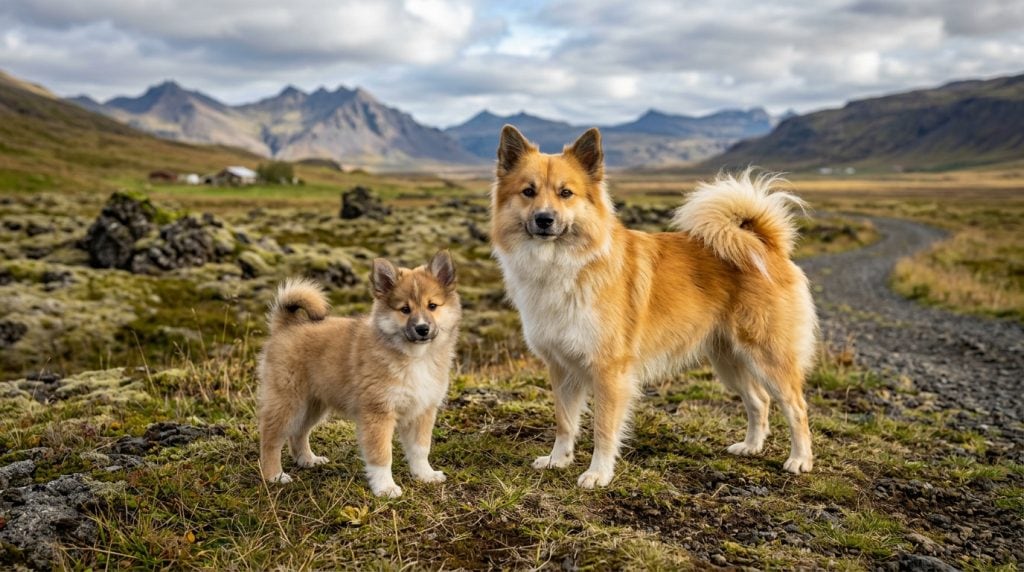
Icelandic Sheepdogs are lively and attentive companions known for their cheerful personality and strong connection to their families. Bred to work closely with people while managing livestock, they often enjoy being involved in daily activities and observing the world around them. Many owners appreciate their friendly nature and the enthusiasm they bring to both outdoor adventures and family life.
At a glance
Core care
- Size: Medium
- Energy: High
- Grooming: Low
- Shedding: Moderate
Support style
- Sensitivity: Moderate
- Training style: Willing
Breed guide
Choose a section to explore. These notes describe common patterns, but individual dogs vary widely.
The Icelandic Sheepdog has a rich history as a herding breed, originally brought to Iceland by Viking settlers. This background as a working dog is still evident today in their energetic and alert nature. They were bred to herd livestock in challenging terrains, which has equipped them with a keen intelligence and a strong work ethic. These traits are still seen in modern Icelandic Sheepdogs, who often display a readiness to engage in activities and a desire to be involved in family life.
Physically, the Icelandic Sheepdog is a medium-sized breed with a robust build that suits their active lifestyle. Their double coat, which can be short or long, provides protection against harsh weather, a necessity in their native Iceland. Owners often notice their dog’s expressive face and bushy tail, which curls over the back, adding to their distinctive appearance. This coat requires regular grooming to manage shedding and maintain its health, but it’s all part of the charm of living with this breed.
In terms of temperament, Icelandic Sheepdogs are known for their friendly and social disposition. They tend to be good-natured and are often eager to interact with people and other animals. This sociability makes them wonderful companions, though they can also be quite vocal, using their bark to communicate and alert their owners to changes in their environment. Their moderate sensitivity means they are generally responsive to their owner’s moods and commands, making them willing participants in training sessions.
While these traits are common, individual Icelandic Sheepdogs can vary. Some may be more reserved, while others are exceptionally outgoing. It’s important for potential owners to remember that each dog is unique, shaped by their genetics and experiences. Understanding and nurturing their individual personality is key to a fulfilling relationship with this breed.
The Icelandic Sheepdog is often described as a social butterfly among dogs. Their friendly nature and eagerness to interact make them popular with families and individuals alike. This breed tends to thrive on companionship, often seeking out human interaction and enjoying being part of the daily activities. Owners frequently notice how their Icelandic Sheepdog enjoys being involved in everything, from household chores to outdoor adventures.
Their social motivations are deeply rooted in their history as herding dogs. Bred to work closely with humans, they have developed a strong desire to communicate and cooperate. This is often seen in their alertness and vocal nature. They may bark to alert their owners to visitors or changes in their environment, a trait that can be both endearing and occasionally challenging. Understanding this behaviour as a form of communication can help owners manage it effectively.
Sensitivity in Icelandic Sheepdogs is moderate, meaning they are generally attuned to their owner’s emotions and commands. This sensitivity, combined with their trainability, makes them responsive to positive reinforcement training methods. They often enjoy learning new tasks and thrive in environments where they can use their intelligence and energy. Owners typically find that these dogs respond well to consistency and patience in training.
While their social and friendly nature is a hallmark, individual Icelandic Sheepdogs can vary in their behaviour. Some may be more independent, while others are exceptionally attached to their families. It’s important to approach each dog as an individual, understanding that their behaviour is shaped by a combination of genetics, upbringing, and environment. This perspective helps in fostering a positive and rewarding relationship with these delightful dogs.
A typical day for an Icelandic Sheepdog involves plenty of activity and engagement. These dogs have high energy levels, which means they require regular exercise to stay happy and healthy. Daily walks, play sessions, and opportunities to run in a safe, enclosed area are essential. Many owners find that their Icelandic Sheepdog enjoys a variety of activities, from hiking to agility training, which helps to keep their minds and bodies stimulated.
Mental enrichment is just as important as physical exercise for this intelligent breed. Puzzle toys, interactive games, and training sessions can provide the mental stimulation they crave. Owners often notice that their Icelandic Sheepdog enjoys problem-solving tasks and learning new tricks, which can be a fun way to bond and keep them mentally sharp. It’s beneficial to vary activities to prevent boredom and keep their interest piqued.
As with many breeds, the exercise needs of an Icelandic Sheepdog can change with age. Puppies and young dogs tend to have boundless energy and may require more frequent, shorter bursts of activity. As they mature, their exercise routine can be adjusted to suit their energy levels and physical capabilities. Older dogs may not require as much intense activity but will still benefit from regular walks and gentle play.
Owners should be mindful of not over-exercising their Icelandic Sheepdog, especially in extreme weather conditions. Providing a balanced routine that includes both physical and mental activities is key to maintaining their overall well-being. By understanding and catering to their exercise needs, owners can help ensure that their Icelandic Sheepdog remains a happy and well-adjusted member of the family.
Training an Icelandic Sheepdog often feels like working with an eager student. Their willingness to learn and cooperate is one of their most endearing qualities. Owners frequently find that these dogs respond well to positive reinforcement techniques, such as treats, praise, and play. This approach helps to build a strong bond and encourages the dog to engage actively in the training process.
Consistency is crucial when training an Icelandic Sheepdog. They thrive in environments where they understand what is expected of them, and clear, consistent commands help to reinforce desired behaviours. Owners may notice that these dogs are quick to pick up on routines and enjoy the structure that training provides. Incorporating training into daily activities can be an effective way to reinforce learning and maintain engagement.
Adolescence can bring its own set of challenges, as Icelandic Sheepdogs, like many breeds, may test boundaries during this stage. Patience and persistence are key during this period. Continuing with training and maintaining a positive approach can help guide them through this phase. Owners often find that their dog’s natural intelligence and eagerness to please make them receptive to guidance, even during more challenging times.
The relationship between the owner and the Icelandic Sheepdog plays a significant role in training success. Building trust and understanding is essential, as these dogs are sensitive to their owner’s emotions and reactions. By fostering a positive and supportive environment, owners can help their Icelandic Sheepdog develop into a well-mannered and confident companion. For those new to dog training or looking to deepen their understanding, courses like “Understand Your Dog: Dog Psychology for Beginners” can provide valuable insights.
The Icelandic Sheepdog tends to thrive in homes where they can be active participants in family life. Their social nature and energy levels mean they often do well in environments where they have space to move and opportunities for interaction. Many owners find that these dogs adapt well to both urban and rural settings, provided their exercise and social needs are met.
Living with an Icelandic Sheepdog often means embracing their vocal nature. They are known to bark, which can be a consideration for those living in close quarters with neighbours. However, with proper training and understanding, their barking can be managed effectively. This breed tends to enjoy being part of a family and is often good with children, though supervision is always recommended to ensure positive interactions.
When it comes to other pets, Icelandic Sheepdogs are generally sociable and can get along well with other animals if properly introduced. Their herding instincts may lead them to try and herd other pets, but with training, these behaviours can be managed. Owners often find that their Icelandic Sheepdog enjoys the company of other dogs, which can provide additional social enrichment.
Overall, the Icelandic Sheepdog is a versatile breed that can fit into various lifestyles, provided their needs for exercise, social interaction, and mental stimulation are met. Potential owners should consider their ability to meet these needs and be prepared for the lively and engaging presence these dogs bring to a home.
The health and wellbeing of an Icelandic Sheepdog are closely linked to responsible breeding practices and attentive everyday care. Regular veterinary check-ups play an important role in monitoring their overall health and identifying potential concerns early. Preventive healthcare, including vaccinations, parasite control, and routine examinations, supports long-term wellbeing.
Some health considerations occasionally associated with the breed include hip dysplasia, which can affect joint mobility in some dogs. Patellar luxation, a condition involving the kneecap, has also been reported in certain individuals. Responsible breeders often monitor for these conditions and may incorporate health screening into breeding programmes.
Icelandic Sheepdogs may also develop certain eye conditions, including cataracts, which can affect vision later in life. Regular veterinary examinations help monitor eye health and detect potential changes early.
Overall, the breed is generally considered relatively healthy, partly due to careful population management and responsible breeding practices over time. Maintaining a healthy body weight, providing regular exercise, and ensuring consistent veterinary care all contribute to long-term wellbeing.
With attentive care and responsible breeding, many Icelandic Sheepdogs live active and healthy lives as lively companions.
The Icelandic Sheepdog’s history is closely connected to the early settlement of Iceland. Historical records suggest that Viking settlers brought spitz-type herding dogs to the island over a thousand years ago. These dogs adapted to Iceland’s challenging climate and terrain, developing into a hardy and dependable livestock herding breed. Farmers relied on them to help manage sheep, cattle, and horses across open grazing landscapes where quick movement and strong communication with handlers were essential.
Over the centuries, the Icelandic Sheepdog became an important part of rural Icelandic life. Their ability to work independently while remaining attentive to their handler made them particularly valuable on farms scattered across the island’s rugged countryside. Their cheerful temperament and loyalty also helped establish them as trusted household companions.
During the 19th century, the breed faced a significant decline following outbreaks of disease that dramatically reduced the dog population in Iceland. Concerned breeders and enthusiasts later began organised efforts to preserve the Icelandic Sheepdog, helping stabilise the population and protect the breed’s heritage.
Today, the Icelandic Sheepdog remains an important cultural symbol in Iceland and is appreciated around the world for its friendly temperament, intelligence, and strong connection to its historic working role. Understanding this history helps explain the breed’s energetic nature, sociability, and desire to stay actively involved in daily life.
What shapes individual dogs
- Early social experiences
- Training approach
- Environment & routine
- Genetics & breeding
- Health & pain
- Age / life stage
The Icelandic Sheepdog has a rich history as a herding breed, originally brought to Iceland by Viking settlers. This background as a working dog is still evident today in their energetic and alert nature. They were bred to herd livestock in challenging terrains, which has equipped them with a keen intelligence and a strong work ethic. These traits are still seen in modern Icelandic Sheepdogs, who often display a readiness to engage in activities and a desire to be involved in family life.
Physically, the Icelandic Sheepdog is a medium-sized breed with a robust build that suits their active lifestyle. Their double coat, which can be short or long, provides protection against harsh weather, a necessity in their native Iceland. Owners often notice their dog’s expressive face and bushy tail, which curls over the back, adding to their distinctive appearance. This coat requires regular grooming to manage shedding and maintain its health, but it’s all part of the charm of living with this breed.
In terms of temperament, Icelandic Sheepdogs are known for their friendly and social disposition. They tend to be good-natured and are often eager to interact with people and other animals. This sociability makes them wonderful companions, though they can also be quite vocal, using their bark to communicate and alert their owners to changes in their environment. Their moderate sensitivity means they are generally responsive to their owner’s moods and commands, making them willing participants in training sessions.
While these traits are common, individual Icelandic Sheepdogs can vary. Some may be more reserved, while others are exceptionally outgoing. It’s important for potential owners to remember that each dog is unique, shaped by their genetics and experiences. Understanding and nurturing their individual personality is key to a fulfilling relationship with this breed.
The Icelandic Sheepdog is often described as a social butterfly among dogs. Their friendly nature and eagerness to interact make them popular with families and individuals alike. This breed tends to thrive on companionship, often seeking out human interaction and enjoying being part of the daily activities. Owners frequently notice how their Icelandic Sheepdog enjoys being involved in everything, from household chores to outdoor adventures.
Their social motivations are deeply rooted in their history as herding dogs. Bred to work closely with humans, they have developed a strong desire to communicate and cooperate. This is often seen in their alertness and vocal nature. They may bark to alert their owners to visitors or changes in their environment, a trait that can be both endearing and occasionally challenging. Understanding this behaviour as a form of communication can help owners manage it effectively.
Sensitivity in Icelandic Sheepdogs is moderate, meaning they are generally attuned to their owner’s emotions and commands. This sensitivity, combined with their trainability, makes them responsive to positive reinforcement training methods. They often enjoy learning new tasks and thrive in environments where they can use their intelligence and energy. Owners typically find that these dogs respond well to consistency and patience in training.
While their social and friendly nature is a hallmark, individual Icelandic Sheepdogs can vary in their behaviour. Some may be more independent, while others are exceptionally attached to their families. It’s important to approach each dog as an individual, understanding that their behaviour is shaped by a combination of genetics, upbringing, and environment. This perspective helps in fostering a positive and rewarding relationship with these delightful dogs.
A typical day for an Icelandic Sheepdog involves plenty of activity and engagement. These dogs have high energy levels, which means they require regular exercise to stay happy and healthy. Daily walks, play sessions, and opportunities to run in a safe, enclosed area are essential. Many owners find that their Icelandic Sheepdog enjoys a variety of activities, from hiking to agility training, which helps to keep their minds and bodies stimulated.
Mental enrichment is just as important as physical exercise for this intelligent breed. Puzzle toys, interactive games, and training sessions can provide the mental stimulation they crave. Owners often notice that their Icelandic Sheepdog enjoys problem-solving tasks and learning new tricks, which can be a fun way to bond and keep them mentally sharp. It’s beneficial to vary activities to prevent boredom and keep their interest piqued.
As with many breeds, the exercise needs of an Icelandic Sheepdog can change with age. Puppies and young dogs tend to have boundless energy and may require more frequent, shorter bursts of activity. As they mature, their exercise routine can be adjusted to suit their energy levels and physical capabilities. Older dogs may not require as much intense activity but will still benefit from regular walks and gentle play.
Owners should be mindful of not over-exercising their Icelandic Sheepdog, especially in extreme weather conditions. Providing a balanced routine that includes both physical and mental activities is key to maintaining their overall well-being. By understanding and catering to their exercise needs, owners can help ensure that their Icelandic Sheepdog remains a happy and well-adjusted member of the family.
Training an Icelandic Sheepdog often feels like working with an eager student. Their willingness to learn and cooperate is one of their most endearing qualities. Owners frequently find that these dogs respond well to positive reinforcement techniques, such as treats, praise, and play. This approach helps to build a strong bond and encourages the dog to engage actively in the training process.
Consistency is crucial when training an Icelandic Sheepdog. They thrive in environments where they understand what is expected of them, and clear, consistent commands help to reinforce desired behaviours. Owners may notice that these dogs are quick to pick up on routines and enjoy the structure that training provides. Incorporating training into daily activities can be an effective way to reinforce learning and maintain engagement.
Adolescence can bring its own set of challenges, as Icelandic Sheepdogs, like many breeds, may test boundaries during this stage. Patience and persistence are key during this period. Continuing with training and maintaining a positive approach can help guide them through this phase. Owners often find that their dog’s natural intelligence and eagerness to please make them receptive to guidance, even during more challenging times.
The relationship between the owner and the Icelandic Sheepdog plays a significant role in training success. Building trust and understanding is essential, as these dogs are sensitive to their owner’s emotions and reactions. By fostering a positive and supportive environment, owners can help their Icelandic Sheepdog develop into a well-mannered and confident companion. For those new to dog training or looking to deepen their understanding, courses like “Understand Your Dog: Dog Psychology for Beginners” can provide valuable insights.
The Icelandic Sheepdog tends to thrive in homes where they can be active participants in family life. Their social nature and energy levels mean they often do well in environments where they have space to move and opportunities for interaction. Many owners find that these dogs adapt well to both urban and rural settings, provided their exercise and social needs are met.
Living with an Icelandic Sheepdog often means embracing their vocal nature. They are known to bark, which can be a consideration for those living in close quarters with neighbours. However, with proper training and understanding, their barking can be managed effectively. This breed tends to enjoy being part of a family and is often good with children, though supervision is always recommended to ensure positive interactions.
When it comes to other pets, Icelandic Sheepdogs are generally sociable and can get along well with other animals if properly introduced. Their herding instincts may lead them to try and herd other pets, but with training, these behaviours can be managed. Owners often find that their Icelandic Sheepdog enjoys the company of other dogs, which can provide additional social enrichment.
Overall, the Icelandic Sheepdog is a versatile breed that can fit into various lifestyles, provided their needs for exercise, social interaction, and mental stimulation are met. Potential owners should consider their ability to meet these needs and be prepared for the lively and engaging presence these dogs bring to a home.
The health and wellbeing of an Icelandic Sheepdog are closely linked to responsible breeding practices and attentive everyday care. Regular veterinary check-ups play an important role in monitoring their overall health and identifying potential concerns early. Preventive healthcare, including vaccinations, parasite control, and routine examinations, supports long-term wellbeing.
Some health considerations occasionally associated with the breed include hip dysplasia, which can affect joint mobility in some dogs. Patellar luxation, a condition involving the kneecap, has also been reported in certain individuals. Responsible breeders often monitor for these conditions and may incorporate health screening into breeding programmes.
Icelandic Sheepdogs may also develop certain eye conditions, including cataracts, which can affect vision later in life. Regular veterinary examinations help monitor eye health and detect potential changes early.
Overall, the breed is generally considered relatively healthy, partly due to careful population management and responsible breeding practices over time. Maintaining a healthy body weight, providing regular exercise, and ensuring consistent veterinary care all contribute to long-term wellbeing.
With attentive care and responsible breeding, many Icelandic Sheepdogs live active and healthy lives as lively companions.
The Icelandic Sheepdog’s history is closely connected to the early settlement of Iceland. Historical records suggest that Viking settlers brought spitz-type herding dogs to the island over a thousand years ago. These dogs adapted to Iceland’s challenging climate and terrain, developing into a hardy and dependable livestock herding breed. Farmers relied on them to help manage sheep, cattle, and horses across open grazing landscapes where quick movement and strong communication with handlers were essential.
Over the centuries, the Icelandic Sheepdog became an important part of rural Icelandic life. Their ability to work independently while remaining attentive to their handler made them particularly valuable on farms scattered across the island’s rugged countryside. Their cheerful temperament and loyalty also helped establish them as trusted household companions.
During the 19th century, the breed faced a significant decline following outbreaks of disease that dramatically reduced the dog population in Iceland. Concerned breeders and enthusiasts later began organised efforts to preserve the Icelandic Sheepdog, helping stabilise the population and protect the breed’s heritage.
Today, the Icelandic Sheepdog remains an important cultural symbol in Iceland and is appreciated around the world for its friendly temperament, intelligence, and strong connection to its historic working role. Understanding this history helps explain the breed’s energetic nature, sociability, and desire to stay actively involved in daily life.
What shapes individual dogs
- Early social experiences
- Training approach
- Environment & routine
- Genetics & breeding
- Health & pain
- Age / life stage
Want support with this?
This course is relevant for owners of Icelandic Sheepdogs as it offers insights into understanding their social and intelligent nature.