
Ibizan Hound
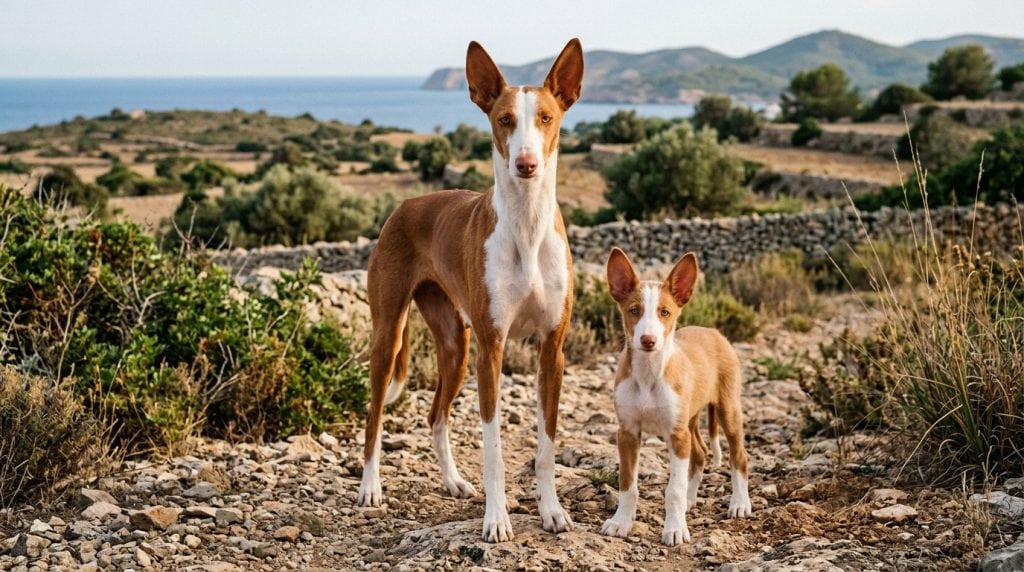
Ibizan Hounds are elegant and inquisitive companions known for their athletic build and independent outlook. Bred to hunt across the rocky landscapes of the Balearic Islands, they often retain a strong curiosity about their surroundings. Many owners find that while these dogs enjoy their independence, they also form close bonds with their families and often choose to stay nearby, observing the world with quiet attentiveness.
At a glance
Core care
- Size: Medium
- Energy: High
- Grooming: Low
- Shedding: Low
Support style
- Sensitivity: Moderate
- Training style: Independent
Breed guide
Choose a section to explore. These notes describe common patterns, but individual dogs vary widely.
The Ibizan Hound originates from the Balearic Islands of Spain, particularly Ibiza, where it developed as a skilled hunting dog used primarily for pursuing rabbits. Hunters valued these dogs for their speed, agility, and keen senses, which allowed them to work effectively across rocky Mediterranean terrain. Ibizan Hounds were often used individually or in small groups, relying on a combination of sight, scent, and hearing to locate and chase their quarry.
Physically, the Ibizan Hound is known for its elegant, lean build and striking silhouette. Large upright ears, a long neck, and long limbs give the breed a distinctive appearance while also supporting its hunting abilities. These physical traits allow them to move quickly and efficiently across uneven ground, often seen bounding effortlessly across open spaces or standing alert as they observe their surroundings.
Temperamentally, Ibizan Hounds are often described as intelligent, curious, and somewhat independent. Their hunting background means they tend to be highly aware of movement in their environment and may show a strong interest in chasing small animals. Despite their independence, many Ibizans develop close bonds with their families and enjoy participating in daily activities.
As with all breeds, individual personalities vary. Early socialisation, training experiences, and the dog’s environment all influence behaviour. Understanding the Ibizan Hound’s history as an agile hunting dog can help owners provide the exercise, enrichment, and guidance that allow the breed to thrive.
Ibizan Hounds are often noted for their independent yet affectionate nature, which can sometimes give them an air of aloofness with strangers. Many owners find that their Ibizan forms strong bonds with family members, displaying a gentle and playful side that might not be immediately apparent to outsiders. This breed’s social tendencies are often influenced by their early experiences and the environment they are raised in.
Understanding the Ibizan Hound’s behaviour involves recognising their deep-rooted instincts as hunters. Their keen senses and alertness often translate into a dog that is highly aware of its surroundings. This can mean they are quick to notice changes in their environment or the presence of small animals, which might trigger their chase instinct. Owners often observe their dogs’ intense focus and determination when something piques their interest.
The Ibizan’s moderate sensitivity means they can be quite attuned to their owner’s emotions and the dynamics within the home. This sensitivity, coupled with their independent nature, can sometimes make them seem aloof or reserved. However, with patience and understanding, many owners find that their Ibizan becomes a loyal and loving companion, eager to engage in activities that involve their family.
Training an Ibizan Hound can require a thoughtful approach, as their independent streak means they may not always respond to traditional training methods. Positive reinforcement and consistency are often key to successfully guiding their behaviour. While they may not be the most eager to please, many Ibizans respond well to training that respects their intelligence and autonomy. Understanding these tendencies helps create a harmonious relationship where both dog and owner can thrive.
A typical day for an Ibizan Hound involves plenty of physical activity, as they thrive on exercise that allows them to stretch their legs and engage their keen senses. Long walks, runs, or play sessions in a secure area are often essential to meet their high energy levels. Owners often find that their Ibizan is happiest when they have the opportunity to explore and satisfy their natural curiosity.
Mental enrichment is equally important for this intelligent breed. Puzzle toys, scent games, and interactive play can help keep their minds sharp and prevent boredom. Many Ibizan Hounds enjoy activities that challenge their problem-solving skills, and providing a variety of enrichment options can help keep them engaged and content.
As Ibizan Hounds age, their exercise needs may change, but they often retain a love for activity well into their senior years. Adjusting the intensity and duration of exercise to suit their physical capabilities is important, ensuring they remain healthy and happy throughout their lives. Owners should be mindful of their dog’s individual needs, as some may require more or less exercise than others.
It’s important to avoid over-exercising young Ibizan Hounds, as their growing bodies need time to develop properly. Gradually increasing the intensity and duration of exercise as they mature can help prevent injury and ensure a balanced approach to their physical development. By understanding and meeting their exercise and enrichment needs, owners can help their Ibizan Hound lead a fulfilling and active life.
Training an Ibizan Hound often feels like a dance between respecting their independence and guiding their behaviour. Owners frequently find that these dogs respond best to training methods that are positive and reward-based, as harsh or punitive techniques can lead to resistance or withdrawal. Building a strong, trusting relationship is key to successful training with this breed.
Given their independent nature, Ibizan Hounds may not always be eager to follow commands, especially if they don’t see the point. Patience and consistency are crucial, as is making training sessions engaging and rewarding. Many owners discover that short, varied sessions work best, keeping their dog’s interest and preventing boredom.
Impulse control can be a challenge, particularly during adolescence when their natural instincts and curiosity are at their peak. Teaching basic commands such as ‘stay’ and ‘come’ can be invaluable, especially when managing their prey drive. Reinforcing these commands in a variety of settings helps solidify their understanding and reliability.
The relationship between owner and Ibizan Hound is often strengthened through consistent training and clear communication. By understanding their dog’s unique personality and adjusting training techniques accordingly, owners can foster a harmonious and rewarding partnership. Encouraging positive behaviours and setting clear boundaries helps create a well-adjusted and happy Ibizan Hound.
Ibizan Hounds tend to thrive in environments where they have plenty of space to move and explore. Homes with secure gardens or access to open areas are often well-suited to their active nature, allowing them to indulge their love for running and playing. Many owners find that their Ibizan is happiest when they have the opportunity to engage in activities that challenge both their body and mind.
While they enjoy their independence, Ibizan Hounds often form strong bonds with their families and appreciate being involved in daily life. They can adapt to living with children and other pets, provided they are introduced carefully and given time to adjust. Their gentle nature and playful spirit often make them a good fit for households that can offer them companionship and engagement.
The Ibizan’s independent streak means they may not always seek out attention, but they often enjoy being part of the family dynamic. Owners frequently notice that their dog is content to observe from a distance, joining in when they feel like it. This balance of independence and affection can make them a unique and rewarding companion for the right household.
Understanding the Ibizan Hound’s needs and tendencies helps ensure a harmonious fit with their living environment. Prospective owners should consider their own lifestyle and how it aligns with the breed’s characteristics, embracing the unique qualities that make the Ibizan Hound a distinctive and fulfilling addition to the family.
The health and wellbeing of an Ibizan Hound are closely connected to responsible breeding practices and attentive everyday care. Regular veterinary check-ups play an important role in monitoring overall health and identifying potential concerns early. Preventive healthcare, including vaccinations, parasite control, and routine examinations, supports long-term wellbeing.
Some health considerations occasionally associated with the breed include hip dysplasia, which can affect joint mobility in some dogs. Certain autoimmune conditions, including autoimmune thyroid disease, have also been reported within the breed. Responsible breeders may screen breeding dogs and monitor health histories to reduce the likelihood of inherited issues.
Ibizan Hounds are generally considered a relatively healthy breed, particularly when maintained with a balanced diet, appropriate exercise, and regular veterinary care. Owners who remain attentive to changes in behaviour, mobility, appetite, or energy levels can help identify potential concerns early and seek veterinary guidance when needed.
With attentive care and responsible breeding practices, many Ibizan Hounds live active and healthy lives as energetic companions.
The Ibizan Hound has long been associated with the Balearic Islands of Spain, particularly Ibiza, where the breed developed as a specialised rabbit-hunting dog. For centuries, local hunters relied on these agile hounds to pursue small game across the island’s rocky landscapes and sparse vegetation. Their speed, keen eyesight, and ability to work independently made them highly effective in this environment.
While the breed’s appearance has often been compared to ancient Egyptian hunting dogs depicted in artwork, modern research suggests that the Ibizan Hound likely developed more recently within the Mediterranean region. These dogs belong to a broader group of primitive Mediterranean hunting breeds that share similar physical traits and hunting styles.
The Ibizan Hound’s role as a working rabbit hunter shaped both its physical structure and temperament. Dogs needed to be athletic, alert, and capable of navigating difficult terrain while cooperating with hunters. These traits remain visible in the breed today, particularly in their speed, agility, and strong prey drive.
Today, the Ibizan Hound is appreciated both as a companion and as a representative of traditional Mediterranean hunting dogs. While many now live as family pets, their history continues to influence their behaviour, energy levels, and natural curiosity about the world around them.
What shapes individual dogs
- Early social experiences
- Training approach
- Environment & routine
- Genetics & breeding
- Health & pain
- Age / life stage
The Ibizan Hound originates from the Balearic Islands of Spain, particularly Ibiza, where it developed as a skilled hunting dog used primarily for pursuing rabbits. Hunters valued these dogs for their speed, agility, and keen senses, which allowed them to work effectively across rocky Mediterranean terrain. Ibizan Hounds were often used individually or in small groups, relying on a combination of sight, scent, and hearing to locate and chase their quarry.
Physically, the Ibizan Hound is known for its elegant, lean build and striking silhouette. Large upright ears, a long neck, and long limbs give the breed a distinctive appearance while also supporting its hunting abilities. These physical traits allow them to move quickly and efficiently across uneven ground, often seen bounding effortlessly across open spaces or standing alert as they observe their surroundings.
Temperamentally, Ibizan Hounds are often described as intelligent, curious, and somewhat independent. Their hunting background means they tend to be highly aware of movement in their environment and may show a strong interest in chasing small animals. Despite their independence, many Ibizans develop close bonds with their families and enjoy participating in daily activities.
As with all breeds, individual personalities vary. Early socialisation, training experiences, and the dog’s environment all influence behaviour. Understanding the Ibizan Hound’s history as an agile hunting dog can help owners provide the exercise, enrichment, and guidance that allow the breed to thrive.
Ibizan Hounds are often noted for their independent yet affectionate nature, which can sometimes give them an air of aloofness with strangers. Many owners find that their Ibizan forms strong bonds with family members, displaying a gentle and playful side that might not be immediately apparent to outsiders. This breed’s social tendencies are often influenced by their early experiences and the environment they are raised in.
Understanding the Ibizan Hound’s behaviour involves recognising their deep-rooted instincts as hunters. Their keen senses and alertness often translate into a dog that is highly aware of its surroundings. This can mean they are quick to notice changes in their environment or the presence of small animals, which might trigger their chase instinct. Owners often observe their dogs’ intense focus and determination when something piques their interest.
The Ibizan’s moderate sensitivity means they can be quite attuned to their owner’s emotions and the dynamics within the home. This sensitivity, coupled with their independent nature, can sometimes make them seem aloof or reserved. However, with patience and understanding, many owners find that their Ibizan becomes a loyal and loving companion, eager to engage in activities that involve their family.
Training an Ibizan Hound can require a thoughtful approach, as their independent streak means they may not always respond to traditional training methods. Positive reinforcement and consistency are often key to successfully guiding their behaviour. While they may not be the most eager to please, many Ibizans respond well to training that respects their intelligence and autonomy. Understanding these tendencies helps create a harmonious relationship where both dog and owner can thrive.
A typical day for an Ibizan Hound involves plenty of physical activity, as they thrive on exercise that allows them to stretch their legs and engage their keen senses. Long walks, runs, or play sessions in a secure area are often essential to meet their high energy levels. Owners often find that their Ibizan is happiest when they have the opportunity to explore and satisfy their natural curiosity.
Mental enrichment is equally important for this intelligent breed. Puzzle toys, scent games, and interactive play can help keep their minds sharp and prevent boredom. Many Ibizan Hounds enjoy activities that challenge their problem-solving skills, and providing a variety of enrichment options can help keep them engaged and content.
As Ibizan Hounds age, their exercise needs may change, but they often retain a love for activity well into their senior years. Adjusting the intensity and duration of exercise to suit their physical capabilities is important, ensuring they remain healthy and happy throughout their lives. Owners should be mindful of their dog’s individual needs, as some may require more or less exercise than others.
It’s important to avoid over-exercising young Ibizan Hounds, as their growing bodies need time to develop properly. Gradually increasing the intensity and duration of exercise as they mature can help prevent injury and ensure a balanced approach to their physical development. By understanding and meeting their exercise and enrichment needs, owners can help their Ibizan Hound lead a fulfilling and active life.
Training an Ibizan Hound often feels like a dance between respecting their independence and guiding their behaviour. Owners frequently find that these dogs respond best to training methods that are positive and reward-based, as harsh or punitive techniques can lead to resistance or withdrawal. Building a strong, trusting relationship is key to successful training with this breed.
Given their independent nature, Ibizan Hounds may not always be eager to follow commands, especially if they don’t see the point. Patience and consistency are crucial, as is making training sessions engaging and rewarding. Many owners discover that short, varied sessions work best, keeping their dog’s interest and preventing boredom.
Impulse control can be a challenge, particularly during adolescence when their natural instincts and curiosity are at their peak. Teaching basic commands such as ‘stay’ and ‘come’ can be invaluable, especially when managing their prey drive. Reinforcing these commands in a variety of settings helps solidify their understanding and reliability.
The relationship between owner and Ibizan Hound is often strengthened through consistent training and clear communication. By understanding their dog’s unique personality and adjusting training techniques accordingly, owners can foster a harmonious and rewarding partnership. Encouraging positive behaviours and setting clear boundaries helps create a well-adjusted and happy Ibizan Hound.
Ibizan Hounds tend to thrive in environments where they have plenty of space to move and explore. Homes with secure gardens or access to open areas are often well-suited to their active nature, allowing them to indulge their love for running and playing. Many owners find that their Ibizan is happiest when they have the opportunity to engage in activities that challenge both their body and mind.
While they enjoy their independence, Ibizan Hounds often form strong bonds with their families and appreciate being involved in daily life. They can adapt to living with children and other pets, provided they are introduced carefully and given time to adjust. Their gentle nature and playful spirit often make them a good fit for households that can offer them companionship and engagement.
The Ibizan’s independent streak means they may not always seek out attention, but they often enjoy being part of the family dynamic. Owners frequently notice that their dog is content to observe from a distance, joining in when they feel like it. This balance of independence and affection can make them a unique and rewarding companion for the right household.
Understanding the Ibizan Hound’s needs and tendencies helps ensure a harmonious fit with their living environment. Prospective owners should consider their own lifestyle and how it aligns with the breed’s characteristics, embracing the unique qualities that make the Ibizan Hound a distinctive and fulfilling addition to the family.
The health and wellbeing of an Ibizan Hound are closely connected to responsible breeding practices and attentive everyday care. Regular veterinary check-ups play an important role in monitoring overall health and identifying potential concerns early. Preventive healthcare, including vaccinations, parasite control, and routine examinations, supports long-term wellbeing.
Some health considerations occasionally associated with the breed include hip dysplasia, which can affect joint mobility in some dogs. Certain autoimmune conditions, including autoimmune thyroid disease, have also been reported within the breed. Responsible breeders may screen breeding dogs and monitor health histories to reduce the likelihood of inherited issues.
Ibizan Hounds are generally considered a relatively healthy breed, particularly when maintained with a balanced diet, appropriate exercise, and regular veterinary care. Owners who remain attentive to changes in behaviour, mobility, appetite, or energy levels can help identify potential concerns early and seek veterinary guidance when needed.
With attentive care and responsible breeding practices, many Ibizan Hounds live active and healthy lives as energetic companions.
The Ibizan Hound has long been associated with the Balearic Islands of Spain, particularly Ibiza, where the breed developed as a specialised rabbit-hunting dog. For centuries, local hunters relied on these agile hounds to pursue small game across the island’s rocky landscapes and sparse vegetation. Their speed, keen eyesight, and ability to work independently made them highly effective in this environment.
While the breed’s appearance has often been compared to ancient Egyptian hunting dogs depicted in artwork, modern research suggests that the Ibizan Hound likely developed more recently within the Mediterranean region. These dogs belong to a broader group of primitive Mediterranean hunting breeds that share similar physical traits and hunting styles.
The Ibizan Hound’s role as a working rabbit hunter shaped both its physical structure and temperament. Dogs needed to be athletic, alert, and capable of navigating difficult terrain while cooperating with hunters. These traits remain visible in the breed today, particularly in their speed, agility, and strong prey drive.
Today, the Ibizan Hound is appreciated both as a companion and as a representative of traditional Mediterranean hunting dogs. While many now live as family pets, their history continues to influence their behaviour, energy levels, and natural curiosity about the world around them.
What shapes individual dogs
- Early social experiences
- Training approach
- Environment & routine
- Genetics & breeding
- Health & pain
- Age / life stage
Want support with this?
This course is helpful for understanding the Ibizan Hound's independent nature and how to build a strong bond with them.