
Greyhound
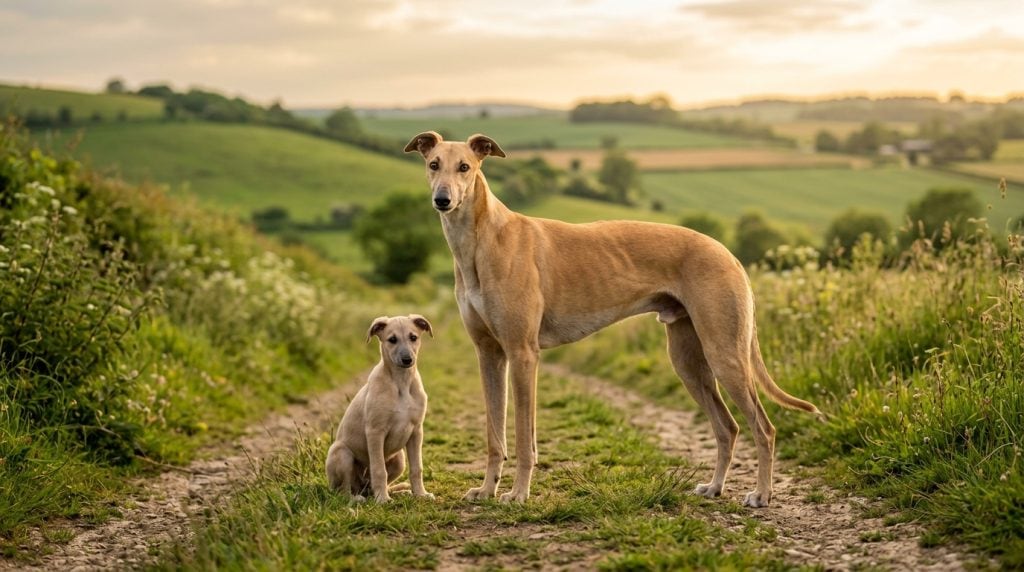
Living with a Greyhound often feels like having a gentle giant in the home. Despite their reputation for speed, many Greyhounds are surprisingly relaxed indoors, content to lounge on a comfy spot. Their sensitive nature means they form deep bonds with their families, often seeking quiet companionship over boisterous play.
At a glance
Core care
- Size: Large
- Energy: Moderate
- Grooming: Low
- Shedding: Low
Support style
- Sensitivity: High
- Training style: Independent
Breed guide
Choose a section to explore. These notes describe common patterns, but individual dogs vary widely.
The Greyhound’s history as a racing and hunting dog explains much of its modern-day character. Originally bred for their incredible speed and agility, Greyhounds have been used for coursing game in open fields. This background contributes to their athletic build and bursts of energy, although many owners are surprised by how calm these dogs can be at home. While they can reach impressive speeds, Greyhounds often prefer a more laid-back lifestyle when not in motion.
Physically, Greyhounds are known for their sleek, aerodynamic bodies and long legs, which are perfectly designed for sprinting. This build, however, also means they have little natural insulation, making them sensitive to extreme temperatures. Owners often find themselves needing to provide extra warmth in colder climates, sometimes even resorting to dog coats or sweaters. Their short coat is low-maintenance, shedding minimally, which can be a relief for those who prefer a cleaner home environment.
In terms of temperament, Greyhounds are generally gentle and affectionate. They can be somewhat reserved with strangers but are known to be loyal and loving with their families. Their independent streak can sometimes be mistaken for aloofness, but many Greyhound owners appreciate their dog’s calm and composed nature. They are typically good with children and other dogs, although their strong prey drive means caution should be exercised around smaller pets.
It’s important for potential owners to understand that while Greyhounds share many common traits, individual dogs can vary widely. Factors such as early socialisation, training, and environment play significant roles in shaping a Greyhound’s personality. Prospective owners should be prepared for a range of behaviours and be willing to adapt to the needs of their individual dog.
Greyhounds are often described as gentle and laid-back companions, especially within the home. Despite their racing heritage, many owners find that Greyhounds are perfectly content to spend their days lounging on a comfortable bed or sofa. This relaxed demeanour can make them excellent pets for those who appreciate a quieter dog that doesn’t demand constant attention or activity.
Their social nature is often expressed through a strong bond with their family members. Greyhounds tend to be affectionate and enjoy being part of the family unit, though they might not be as outwardly demonstrative as some other breeds. Their sensitivity means they respond well to gentle handling and positive reinforcement, thriving in a calm and supportive environment.
Greyhounds can be independent thinkers, which sometimes presents a challenge in training. They are not always eager to please in the way some other breeds might be, but this doesn’t mean they are untrainable. Patience and consistency are key, as well as understanding their motivations. Many Greyhound owners find that their dogs respond best to training methods that respect their intelligence and independence.
Their high sensitivity also means that Greyhounds can be particularly attuned to their owner’s emotions and the household atmosphere. They may become anxious in chaotic environments or when left alone for extended periods. This sensitivity, combined with their independent nature, makes it important for owners to provide a stable and reassuring home environment, ensuring that their Greyhound feels secure and loved.
A typical day for a Greyhound involves a balance of short bursts of activity and plenty of rest. While they are capable of incredible speed, Greyhounds do not require as much exercise as one might expect. A couple of brisk walks or a chance to run in a safely enclosed area can be sufficient to meet their physical needs. Owners often find that Greyhounds are quite content with moderate exercise, preferring to conserve their energy for short, enthusiastic sprints.
Mental enrichment is also important for Greyhounds, as it helps keep them engaged and prevents boredom. Puzzle toys, scent games, and interactive play can be excellent ways to stimulate their minds. Given their independent nature, Greyhounds may not always be interested in traditional fetch games, but they do enjoy activities that allow them to use their natural instincts and intelligence.
As Greyhounds age, their exercise needs may decrease, but it’s important to maintain a routine that keeps them healthy and happy. Older Greyhounds may benefit from shorter, more frequent walks and gentle play sessions. Owners should be attentive to their dog’s physical condition and adjust activities accordingly to prevent overexertion.
It’s also worth noting that Greyhounds are sensitive to extreme temperatures due to their thin coats and low body fat. During hot weather, exercise should be limited to cooler parts of the day, and in colder climates, a warm coat might be necessary to keep them comfortable. By understanding and adapting to their unique needs, owners can ensure their Greyhound remains active and content throughout their life.
Training a Greyhound can be a unique experience, often requiring patience and a gentle approach. Many owners find that Greyhounds respond best to positive reinforcement techniques, where rewards and praise encourage desired behaviours. Their independent nature means they may not always be eager to follow commands, but with consistent and respectful training, they can learn effectively.
Impulse control can be an area where Greyhounds need particular attention, especially given their strong prey drive. Teaching basic commands like ‘sit’, ‘stay’, and ‘leave it’ can help manage their instincts in situations where they might otherwise be tempted to chase. Training should be approached with understanding and without harsh corrections, as Greyhounds are sensitive and can become anxious if they feel pressured.
Adolescence can be a challenging time for any dog owner, and Greyhounds are no exception. During this period, they may test boundaries and exhibit behaviours that require additional guidance. Maintaining a consistent routine and reinforcing training can help navigate this stage successfully. Owners often find that building a strong relationship based on trust and respect is key to managing these challenges.
Overall, training a Greyhound is about understanding their unique personality and working with it rather than against it. By focusing on building a positive relationship and using training methods that respect their intelligence and sensitivity, owners can help their Greyhound become a well-mannered and happy companion. For those new to the breed, seeking guidance from experienced trainers or enrolling in a course like ‘Understand Your Dog: Dog Psychology for Beginners’ can provide valuable insights.
Greyhounds tend to adapt well to various living environments, provided their basic needs are met. They are often described as ‘couch potatoes’ due to their love of lounging, making them well-suited to apartment living as long as they receive adequate exercise. Their calm nature indoors means they don’t require a large yard, but access to a safe, enclosed area for occasional sprints is beneficial.
Families with children often find Greyhounds to be gentle and patient companions. They tend to be tolerant of children, although supervision is always recommended to ensure interactions are safe and respectful. Greyhounds can also coexist peacefully with other dogs, but their prey drive means care should be taken with smaller animals like cats or rabbits.
Owners often note that Greyhounds thrive in a stable and quiet home environment. Their sensitivity means they can become stressed in chaotic or noisy households. Providing a calm and predictable routine helps them feel secure and content. Greyhounds are also known for their love of comfort, so a soft bed or sofa is often appreciated.
Ultimately, the suitability of a Greyhound for any home depends on the individual dog’s personality and the owner’s lifestyle. Prospective owners should consider their ability to meet the breed’s needs for exercise, companionship, and a peaceful living environment. By understanding these factors, families can determine if a Greyhound would be a good fit for their home.
Greyhounds are generally healthy dogs, but like all breeds, they can be prone to certain health issues. Owners often find that maintaining their dog’s health involves regular veterinary check-ups and a focus on preventive care. One common concern is bloat, a serious condition that requires immediate veterinary attention. Feeding smaller, more frequent meals and avoiding vigorous exercise after eating can help reduce the risk.
Dental health is another area that requires attention, as Greyhounds can be prone to dental issues. Regular brushing and providing dental chews can help maintain their oral health. Many Greyhound owners also schedule professional dental cleanings as part of their dog’s routine care.
Greyhounds’ thin skin and coat make them more susceptible to cuts and abrasions, so it’s important for owners to regularly check for any injuries, especially after outdoor activities. Their sensitivity to temperature extremes also means they require extra care in hot or cold weather. Providing appropriate clothing and ensuring they are not exposed to harsh conditions can help keep them comfortable.
Understanding the specific health needs of Greyhounds can help owners provide the best care for their pets. By staying informed and working closely with a trusted veterinarian, owners can ensure their Greyhound remains healthy and happy throughout their life. For those interested in learning more about health considerations, the ‘Canine First Aid: A Practical Guide’ course can be a valuable resource.
The history of the Greyhound is a fascinating journey that dates back thousands of years. Originally bred for hunting and coursing game, Greyhounds have been prized for their incredible speed and agility. Their origins can be traced to ancient Egypt, where they were depicted in art and revered as noble companions. This long history of companionship and utility has shaped the Greyhound into the breed we know today.
As their reputation for speed grew, Greyhounds became popular in Europe, where they were used for hunting deer and other game. Their ability to chase and capture prey made them invaluable to hunters. Over time, Greyhounds transitioned from hunting companions to racing dogs, with the sport of Greyhound racing gaining popularity in the 20th century. This shift further emphasised their speed and athleticism.
The development of the Greyhound as a racing dog has influenced their modern characteristics. While they are known for their bursts of speed, many Greyhounds are surprisingly relaxed and calm when not in motion. This dual nature is a testament to their adaptability and the balance between their working heritage and modern lifestyle.
Understanding the Greyhound’s history helps explain many of their traits today. Their independent nature, strong prey drive, and gentle temperament all have roots in their past as hunters and racers. For modern owners, appreciating this history can enhance their relationship with their Greyhound, providing insight into the breed’s unique behaviours and needs.
What shapes individual dogs
- Early social experiences
- Training approach
- Environment & routine
- Genetics & breeding
- Health & pain
- Age / life stage
The Greyhound’s history as a racing and hunting dog explains much of its modern-day character. Originally bred for their incredible speed and agility, Greyhounds have been used for coursing game in open fields. This background contributes to their athletic build and bursts of energy, although many owners are surprised by how calm these dogs can be at home. While they can reach impressive speeds, Greyhounds often prefer a more laid-back lifestyle when not in motion.
Physically, Greyhounds are known for their sleek, aerodynamic bodies and long legs, which are perfectly designed for sprinting. This build, however, also means they have little natural insulation, making them sensitive to extreme temperatures. Owners often find themselves needing to provide extra warmth in colder climates, sometimes even resorting to dog coats or sweaters. Their short coat is low-maintenance, shedding minimally, which can be a relief for those who prefer a cleaner home environment.
In terms of temperament, Greyhounds are generally gentle and affectionate. They can be somewhat reserved with strangers but are known to be loyal and loving with their families. Their independent streak can sometimes be mistaken for aloofness, but many Greyhound owners appreciate their dog’s calm and composed nature. They are typically good with children and other dogs, although their strong prey drive means caution should be exercised around smaller pets.
It’s important for potential owners to understand that while Greyhounds share many common traits, individual dogs can vary widely. Factors such as early socialisation, training, and environment play significant roles in shaping a Greyhound’s personality. Prospective owners should be prepared for a range of behaviours and be willing to adapt to the needs of their individual dog.
Greyhounds are often described as gentle and laid-back companions, especially within the home. Despite their racing heritage, many owners find that Greyhounds are perfectly content to spend their days lounging on a comfortable bed or sofa. This relaxed demeanour can make them excellent pets for those who appreciate a quieter dog that doesn’t demand constant attention or activity.
Their social nature is often expressed through a strong bond with their family members. Greyhounds tend to be affectionate and enjoy being part of the family unit, though they might not be as outwardly demonstrative as some other breeds. Their sensitivity means they respond well to gentle handling and positive reinforcement, thriving in a calm and supportive environment.
Greyhounds can be independent thinkers, which sometimes presents a challenge in training. They are not always eager to please in the way some other breeds might be, but this doesn’t mean they are untrainable. Patience and consistency are key, as well as understanding their motivations. Many Greyhound owners find that their dogs respond best to training methods that respect their intelligence and independence.
Their high sensitivity also means that Greyhounds can be particularly attuned to their owner’s emotions and the household atmosphere. They may become anxious in chaotic environments or when left alone for extended periods. This sensitivity, combined with their independent nature, makes it important for owners to provide a stable and reassuring home environment, ensuring that their Greyhound feels secure and loved.
A typical day for a Greyhound involves a balance of short bursts of activity and plenty of rest. While they are capable of incredible speed, Greyhounds do not require as much exercise as one might expect. A couple of brisk walks or a chance to run in a safely enclosed area can be sufficient to meet their physical needs. Owners often find that Greyhounds are quite content with moderate exercise, preferring to conserve their energy for short, enthusiastic sprints.
Mental enrichment is also important for Greyhounds, as it helps keep them engaged and prevents boredom. Puzzle toys, scent games, and interactive play can be excellent ways to stimulate their minds. Given their independent nature, Greyhounds may not always be interested in traditional fetch games, but they do enjoy activities that allow them to use their natural instincts and intelligence.
As Greyhounds age, their exercise needs may decrease, but it’s important to maintain a routine that keeps them healthy and happy. Older Greyhounds may benefit from shorter, more frequent walks and gentle play sessions. Owners should be attentive to their dog’s physical condition and adjust activities accordingly to prevent overexertion.
It’s also worth noting that Greyhounds are sensitive to extreme temperatures due to their thin coats and low body fat. During hot weather, exercise should be limited to cooler parts of the day, and in colder climates, a warm coat might be necessary to keep them comfortable. By understanding and adapting to their unique needs, owners can ensure their Greyhound remains active and content throughout their life.
Training a Greyhound can be a unique experience, often requiring patience and a gentle approach. Many owners find that Greyhounds respond best to positive reinforcement techniques, where rewards and praise encourage desired behaviours. Their independent nature means they may not always be eager to follow commands, but with consistent and respectful training, they can learn effectively.
Impulse control can be an area where Greyhounds need particular attention, especially given their strong prey drive. Teaching basic commands like ‘sit’, ‘stay’, and ‘leave it’ can help manage their instincts in situations where they might otherwise be tempted to chase. Training should be approached with understanding and without harsh corrections, as Greyhounds are sensitive and can become anxious if they feel pressured.
Adolescence can be a challenging time for any dog owner, and Greyhounds are no exception. During this period, they may test boundaries and exhibit behaviours that require additional guidance. Maintaining a consistent routine and reinforcing training can help navigate this stage successfully. Owners often find that building a strong relationship based on trust and respect is key to managing these challenges.
Overall, training a Greyhound is about understanding their unique personality and working with it rather than against it. By focusing on building a positive relationship and using training methods that respect their intelligence and sensitivity, owners can help their Greyhound become a well-mannered and happy companion. For those new to the breed, seeking guidance from experienced trainers or enrolling in a course like ‘Understand Your Dog: Dog Psychology for Beginners’ can provide valuable insights.
Greyhounds tend to adapt well to various living environments, provided their basic needs are met. They are often described as ‘couch potatoes’ due to their love of lounging, making them well-suited to apartment living as long as they receive adequate exercise. Their calm nature indoors means they don’t require a large yard, but access to a safe, enclosed area for occasional sprints is beneficial.
Families with children often find Greyhounds to be gentle and patient companions. They tend to be tolerant of children, although supervision is always recommended to ensure interactions are safe and respectful. Greyhounds can also coexist peacefully with other dogs, but their prey drive means care should be taken with smaller animals like cats or rabbits.
Owners often note that Greyhounds thrive in a stable and quiet home environment. Their sensitivity means they can become stressed in chaotic or noisy households. Providing a calm and predictable routine helps them feel secure and content. Greyhounds are also known for their love of comfort, so a soft bed or sofa is often appreciated.
Ultimately, the suitability of a Greyhound for any home depends on the individual dog’s personality and the owner’s lifestyle. Prospective owners should consider their ability to meet the breed’s needs for exercise, companionship, and a peaceful living environment. By understanding these factors, families can determine if a Greyhound would be a good fit for their home.
Greyhounds are generally healthy dogs, but like all breeds, they can be prone to certain health issues. Owners often find that maintaining their dog’s health involves regular veterinary check-ups and a focus on preventive care. One common concern is bloat, a serious condition that requires immediate veterinary attention. Feeding smaller, more frequent meals and avoiding vigorous exercise after eating can help reduce the risk.
Dental health is another area that requires attention, as Greyhounds can be prone to dental issues. Regular brushing and providing dental chews can help maintain their oral health. Many Greyhound owners also schedule professional dental cleanings as part of their dog’s routine care.
Greyhounds’ thin skin and coat make them more susceptible to cuts and abrasions, so it’s important for owners to regularly check for any injuries, especially after outdoor activities. Their sensitivity to temperature extremes also means they require extra care in hot or cold weather. Providing appropriate clothing and ensuring they are not exposed to harsh conditions can help keep them comfortable.
Understanding the specific health needs of Greyhounds can help owners provide the best care for their pets. By staying informed and working closely with a trusted veterinarian, owners can ensure their Greyhound remains healthy and happy throughout their life. For those interested in learning more about health considerations, the ‘Canine First Aid: A Practical Guide’ course can be a valuable resource.
The history of the Greyhound is a fascinating journey that dates back thousands of years. Originally bred for hunting and coursing game, Greyhounds have been prized for their incredible speed and agility. Their origins can be traced to ancient Egypt, where they were depicted in art and revered as noble companions. This long history of companionship and utility has shaped the Greyhound into the breed we know today.
As their reputation for speed grew, Greyhounds became popular in Europe, where they were used for hunting deer and other game. Their ability to chase and capture prey made them invaluable to hunters. Over time, Greyhounds transitioned from hunting companions to racing dogs, with the sport of Greyhound racing gaining popularity in the 20th century. This shift further emphasised their speed and athleticism.
The development of the Greyhound as a racing dog has influenced their modern characteristics. While they are known for their bursts of speed, many Greyhounds are surprisingly relaxed and calm when not in motion. This dual nature is a testament to their adaptability and the balance between their working heritage and modern lifestyle.
Understanding the Greyhound’s history helps explain many of their traits today. Their independent nature, strong prey drive, and gentle temperament all have roots in their past as hunters and racers. For modern owners, appreciating this history can enhance their relationship with their Greyhound, providing insight into the breed’s unique behaviours and needs.
What shapes individual dogs
- Early social experiences
- Training approach
- Environment & routine
- Genetics & breeding
- Health & pain
- Age / life stage
Want support with this?
This course is ideal for Greyhound owners seeking to better understand their dog's sensitive and independent nature.