
Glen Of Imaal Terrier
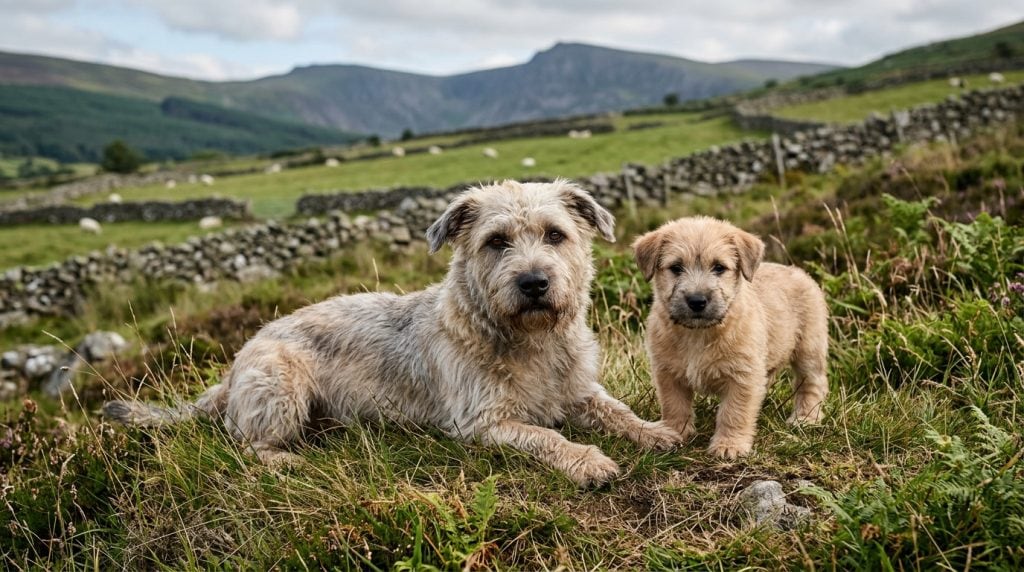
Glen of Imaal Terriers are sturdy and independent companions known for their calm determination and quiet confidence. Unlike many high-energy terriers, they often balance their working instincts with a more relaxed presence at home. Many owners appreciate the breed’s thoughtful nature and the steady companionship they bring to everyday life.
At a glance
Core care
- Size: Medium
- Energy: Moderate
- Grooming: Low
- Shedding: Low
Support style
- Sensitivity: Moderate
- Training style: Independent
Breed guide
Choose a section to explore. These notes describe common patterns, but individual dogs vary widely.
The Glen of Imaal Terrier originates from the remote Glen of Imaal valley in County Wicklow, Ireland, where farmers developed the breed as a versatile working terrier. These dogs were valued for their ability to hunt vermin such as rats and foxes while working independently across rugged farmland. Their strength, determination, and practical temperament helped them perform a range of farm tasks.
One unusual historical role attributed to the breed was that of a turnspit dog, where small working dogs ran inside a wheel that turned roasting meat over open fires. While not every Glen performed this task, the story reflects the breed’s reputation as a hardworking and adaptable farm dog capable of contributing in many ways.
Physically, the Glen of Imaal Terrier is compact and muscular with a distinctive sturdy build. Their wiry double coat provides protection from rough terrain while remaining relatively low-shedding. These physical traits helped the breed work effectively in the challenging landscapes of rural Ireland.
Temperamentally, Glens are often described as independent yet affectionate companions. They tend to form strong bonds with their families while maintaining a calm confidence that sets them apart from more excitable terrier breeds. As with all dogs, individual personalities vary depending on genetics, upbringing, and life experience.
Glen Of Imaal Terriers often display a unique blend of independence and affection, which can make them intriguing companions. Many owners find that their Glen enjoys being part of the family while also valuing their own space. This balance can be appealing to those who appreciate a dog that is not overly demanding of attention yet still offers companionship.
The breed’s independent nature is rooted in their history as working dogs, where they were expected to perform tasks without constant supervision. This background contributes to their ability to entertain themselves, but it also means they may not always be eager to follow commands immediately. Understanding this trait can help owners approach training with patience and creativity, often focusing on positive reinforcement to engage their Glen’s interest.
Sensitivity in Glen Of Imaal Terriers tends to be moderate, meaning they are generally adaptable but can be affected by changes in their environment or routine. Many owners notice that their Glen is attuned to the household’s mood, often responding with a calm presence when needed. This sensitivity can be an asset, allowing the dog to fit seamlessly into family life, but it also means that harsh training methods are unlikely to be effective.
Overall, living with a Glen Of Imaal Terrier involves appreciating their unique personality and respecting their independence. While they may not be as overtly social as some other breeds, they often form deep bonds with their families. Owners who understand and embrace these traits often find that their Glen Of Imaal Terrier is a loyal and rewarding companion.
A typical day for a Glen Of Imaal Terrier involves a balance of physical activity and mental stimulation. These dogs have moderate energy levels, so they benefit from regular walks and play sessions. Many owners find that two or three short walks each day, combined with some time spent playing in a secure garden, is sufficient to keep their Glen happy and healthy.
While they enjoy physical exercise, Glen Of Imaal Terriers also appreciate mental challenges. Puzzle toys, scent games, and interactive play can help keep their minds engaged. These activities tap into their natural instincts and provide a constructive outlet for their energy. Incorporating variety into their routine can prevent boredom and help maintain their interest.
As with many breeds, the exercise needs of a Glen Of Imaal Terrier may change as they age. Puppies and young dogs typically require more frequent, shorter bursts of activity, while older dogs may prefer a more leisurely pace. It’s important for owners to adjust their routines to match their dog’s life stage, ensuring that they remain active and engaged throughout their lives.
Owners should be mindful not to over-exercise their Glen, particularly when they are young and still developing. Excessive physical activity can put strain on their growing joints. Instead, focusing on balanced, varied activities can help maintain their physical and mental well-being without causing undue stress.
Training a Glen Of Imaal Terrier can be a rewarding experience, but it often requires patience and creativity. These terriers are known for their independent streak, which means they may not always respond immediately to commands. Many owners find that training sessions are most successful when they are kept short and engaging, using positive reinforcement techniques to capture the dog’s interest.
Consistency is key when training a Glen Of Imaal Terrier. Establishing clear boundaries and routines can help this independent breed understand what is expected of them. While they may not always be eager to please in the same way as some other breeds, they do respond well to rewards and praise. Building a strong relationship based on trust and mutual respect can greatly enhance the training process.
Adolescence can be a challenging time for many Glen Of Imaal Terriers, as they may test boundaries and exhibit more stubborn behaviour. During this period, maintaining a consistent training routine and reinforcing positive behaviours is particularly important. Many owners find that enrolling in a training class or working with a professional trainer can provide valuable support and guidance.
For those new to the breed, understanding the Glen Of Imaal Terrier’s independent nature can be crucial to a successful training experience. Approaching training with patience and a sense of humour can make the process more enjoyable for both the dog and the owner. With time and effort, many Glen Of Imaal Terriers become well-mannered and obedient companions.
Glen Of Imaal Terriers can adapt to a variety of living environments, making them a versatile choice for many households. Their moderate size and energy levels mean they can be comfortable in both apartments and larger homes, provided they receive adequate exercise and mental stimulation. Many owners find that their Glen enjoys having access to a secure garden where they can explore and play.
While they are independent by nature, Glen Of Imaal Terriers often form strong bonds with their families. They tend to thrive in homes where they are included in daily activities and given opportunities to interact with their people. This breed can be a good fit for families with children, as they are generally patient and tolerant, though supervision is always recommended to ensure positive interactions.
Living with other pets can vary depending on the individual dog’s temperament and early socialisation experiences. Some Glen Of Imaal Terriers get along well with other dogs and cats, while others may prefer to be the only pet in the household. Introducing a Glen to other animals gradually and under controlled conditions can help foster positive relationships.
Ultimately, the Glen Of Imaal Terrier is a breed that can fit into a range of lifestyles, provided their needs for companionship, exercise, and mental stimulation are met. Owners who appreciate their unique blend of independence and affection often find that their Glen becomes a cherished member of the family.
The health and wellbeing of a Glen Of Imaal Terrier are closely linked to their overall quality of life. Like all breeds, they can be prone to certain health issues, but many Glen Of Imaal Terriers lead long and healthy lives with proper care. Regular veterinary check-ups and preventive care are essential to maintaining their health and catching any potential issues early.
Some health considerations for the breed include hip dysplasia and progressive retinal atrophy, both of which can affect mobility and vision. Responsible breeders often screen for these conditions to reduce their prevalence in the breed. Owners should be aware of these potential issues and seek veterinary advice if they notice any changes in their dog’s movement or vision.
Maintaining a healthy weight is important for Glen Of Imaal Terriers, as excess weight can exacerbate joint problems and affect their overall health. A balanced diet and regular exercise can help keep them in good shape. Monitoring their weight and adjusting their diet as needed can prevent obesity and related health issues.
Overall, the key to a healthy Glen Of Imaal Terrier is a combination of regular veterinary care, a balanced diet, and appropriate exercise. By staying informed about breed-specific health concerns and taking proactive measures, owners can help ensure their Glen Of Imaal Terrier enjoys a long, healthy life.
The Glen of Imaal Terrier developed in the Glen of Imaal valley in County Wicklow, Ireland. Farmers in this isolated region needed hardy dogs capable of handling practical tasks around the farm, including hunting vermin and controlling predators such as foxes and badgers.
These terriers were bred for strength, determination, and independence, allowing them to work effectively without constant supervision. Their sturdy build and resilient temperament helped them thrive in the rugged conditions of rural Ireland.
Historical accounts also describe small working terriers being used as turnspit dogs, running inside a wheel that rotated roasting meat over a fire. The Glen of Imaal Terrier is often associated with this role, highlighting the breed’s adaptability and usefulness in traditional farm life.
Although the breed remained relatively rare for many years, preservation efforts helped maintain its population. Today the Glen of Imaal Terrier is appreciated both for its historic working heritage and its reputation as a calm and loyal companion.
What shapes individual dogs
- Early social experiences
- Training approach
- Environment & routine
- Genetics & breeding
- Health & pain
- Age / life stage
The Glen of Imaal Terrier originates from the remote Glen of Imaal valley in County Wicklow, Ireland, where farmers developed the breed as a versatile working terrier. These dogs were valued for their ability to hunt vermin such as rats and foxes while working independently across rugged farmland. Their strength, determination, and practical temperament helped them perform a range of farm tasks.
One unusual historical role attributed to the breed was that of a turnspit dog, where small working dogs ran inside a wheel that turned roasting meat over open fires. While not every Glen performed this task, the story reflects the breed’s reputation as a hardworking and adaptable farm dog capable of contributing in many ways.
Physically, the Glen of Imaal Terrier is compact and muscular with a distinctive sturdy build. Their wiry double coat provides protection from rough terrain while remaining relatively low-shedding. These physical traits helped the breed work effectively in the challenging landscapes of rural Ireland.
Temperamentally, Glens are often described as independent yet affectionate companions. They tend to form strong bonds with their families while maintaining a calm confidence that sets them apart from more excitable terrier breeds. As with all dogs, individual personalities vary depending on genetics, upbringing, and life experience.
Glen Of Imaal Terriers often display a unique blend of independence and affection, which can make them intriguing companions. Many owners find that their Glen enjoys being part of the family while also valuing their own space. This balance can be appealing to those who appreciate a dog that is not overly demanding of attention yet still offers companionship.
The breed’s independent nature is rooted in their history as working dogs, where they were expected to perform tasks without constant supervision. This background contributes to their ability to entertain themselves, but it also means they may not always be eager to follow commands immediately. Understanding this trait can help owners approach training with patience and creativity, often focusing on positive reinforcement to engage their Glen’s interest.
Sensitivity in Glen Of Imaal Terriers tends to be moderate, meaning they are generally adaptable but can be affected by changes in their environment or routine. Many owners notice that their Glen is attuned to the household’s mood, often responding with a calm presence when needed. This sensitivity can be an asset, allowing the dog to fit seamlessly into family life, but it also means that harsh training methods are unlikely to be effective.
Overall, living with a Glen Of Imaal Terrier involves appreciating their unique personality and respecting their independence. While they may not be as overtly social as some other breeds, they often form deep bonds with their families. Owners who understand and embrace these traits often find that their Glen Of Imaal Terrier is a loyal and rewarding companion.
A typical day for a Glen Of Imaal Terrier involves a balance of physical activity and mental stimulation. These dogs have moderate energy levels, so they benefit from regular walks and play sessions. Many owners find that two or three short walks each day, combined with some time spent playing in a secure garden, is sufficient to keep their Glen happy and healthy.
While they enjoy physical exercise, Glen Of Imaal Terriers also appreciate mental challenges. Puzzle toys, scent games, and interactive play can help keep their minds engaged. These activities tap into their natural instincts and provide a constructive outlet for their energy. Incorporating variety into their routine can prevent boredom and help maintain their interest.
As with many breeds, the exercise needs of a Glen Of Imaal Terrier may change as they age. Puppies and young dogs typically require more frequent, shorter bursts of activity, while older dogs may prefer a more leisurely pace. It’s important for owners to adjust their routines to match their dog’s life stage, ensuring that they remain active and engaged throughout their lives.
Owners should be mindful not to over-exercise their Glen, particularly when they are young and still developing. Excessive physical activity can put strain on their growing joints. Instead, focusing on balanced, varied activities can help maintain their physical and mental well-being without causing undue stress.
Training a Glen Of Imaal Terrier can be a rewarding experience, but it often requires patience and creativity. These terriers are known for their independent streak, which means they may not always respond immediately to commands. Many owners find that training sessions are most successful when they are kept short and engaging, using positive reinforcement techniques to capture the dog’s interest.
Consistency is key when training a Glen Of Imaal Terrier. Establishing clear boundaries and routines can help this independent breed understand what is expected of them. While they may not always be eager to please in the same way as some other breeds, they do respond well to rewards and praise. Building a strong relationship based on trust and mutual respect can greatly enhance the training process.
Adolescence can be a challenging time for many Glen Of Imaal Terriers, as they may test boundaries and exhibit more stubborn behaviour. During this period, maintaining a consistent training routine and reinforcing positive behaviours is particularly important. Many owners find that enrolling in a training class or working with a professional trainer can provide valuable support and guidance.
For those new to the breed, understanding the Glen Of Imaal Terrier’s independent nature can be crucial to a successful training experience. Approaching training with patience and a sense of humour can make the process more enjoyable for both the dog and the owner. With time and effort, many Glen Of Imaal Terriers become well-mannered and obedient companions.
Glen Of Imaal Terriers can adapt to a variety of living environments, making them a versatile choice for many households. Their moderate size and energy levels mean they can be comfortable in both apartments and larger homes, provided they receive adequate exercise and mental stimulation. Many owners find that their Glen enjoys having access to a secure garden where they can explore and play.
While they are independent by nature, Glen Of Imaal Terriers often form strong bonds with their families. They tend to thrive in homes where they are included in daily activities and given opportunities to interact with their people. This breed can be a good fit for families with children, as they are generally patient and tolerant, though supervision is always recommended to ensure positive interactions.
Living with other pets can vary depending on the individual dog’s temperament and early socialisation experiences. Some Glen Of Imaal Terriers get along well with other dogs and cats, while others may prefer to be the only pet in the household. Introducing a Glen to other animals gradually and under controlled conditions can help foster positive relationships.
Ultimately, the Glen Of Imaal Terrier is a breed that can fit into a range of lifestyles, provided their needs for companionship, exercise, and mental stimulation are met. Owners who appreciate their unique blend of independence and affection often find that their Glen becomes a cherished member of the family.
The health and wellbeing of a Glen Of Imaal Terrier are closely linked to their overall quality of life. Like all breeds, they can be prone to certain health issues, but many Glen Of Imaal Terriers lead long and healthy lives with proper care. Regular veterinary check-ups and preventive care are essential to maintaining their health and catching any potential issues early.
Some health considerations for the breed include hip dysplasia and progressive retinal atrophy, both of which can affect mobility and vision. Responsible breeders often screen for these conditions to reduce their prevalence in the breed. Owners should be aware of these potential issues and seek veterinary advice if they notice any changes in their dog’s movement or vision.
Maintaining a healthy weight is important for Glen Of Imaal Terriers, as excess weight can exacerbate joint problems and affect their overall health. A balanced diet and regular exercise can help keep them in good shape. Monitoring their weight and adjusting their diet as needed can prevent obesity and related health issues.
Overall, the key to a healthy Glen Of Imaal Terrier is a combination of regular veterinary care, a balanced diet, and appropriate exercise. By staying informed about breed-specific health concerns and taking proactive measures, owners can help ensure their Glen Of Imaal Terrier enjoys a long, healthy life.
The Glen of Imaal Terrier developed in the Glen of Imaal valley in County Wicklow, Ireland. Farmers in this isolated region needed hardy dogs capable of handling practical tasks around the farm, including hunting vermin and controlling predators such as foxes and badgers.
These terriers were bred for strength, determination, and independence, allowing them to work effectively without constant supervision. Their sturdy build and resilient temperament helped them thrive in the rugged conditions of rural Ireland.
Historical accounts also describe small working terriers being used as turnspit dogs, running inside a wheel that rotated roasting meat over a fire. The Glen of Imaal Terrier is often associated with this role, highlighting the breed’s adaptability and usefulness in traditional farm life.
Although the breed remained relatively rare for many years, preservation efforts helped maintain its population. Today the Glen of Imaal Terrier is appreciated both for its historic working heritage and its reputation as a calm and loyal companion.
What shapes individual dogs
- Early social experiences
- Training approach
- Environment & routine
- Genetics & breeding
- Health & pain
- Age / life stage
Want support with this?
This course is ideal for Glen Of Imaal Terrier owners who want to better understand their dog's unique temperament and independent nature.